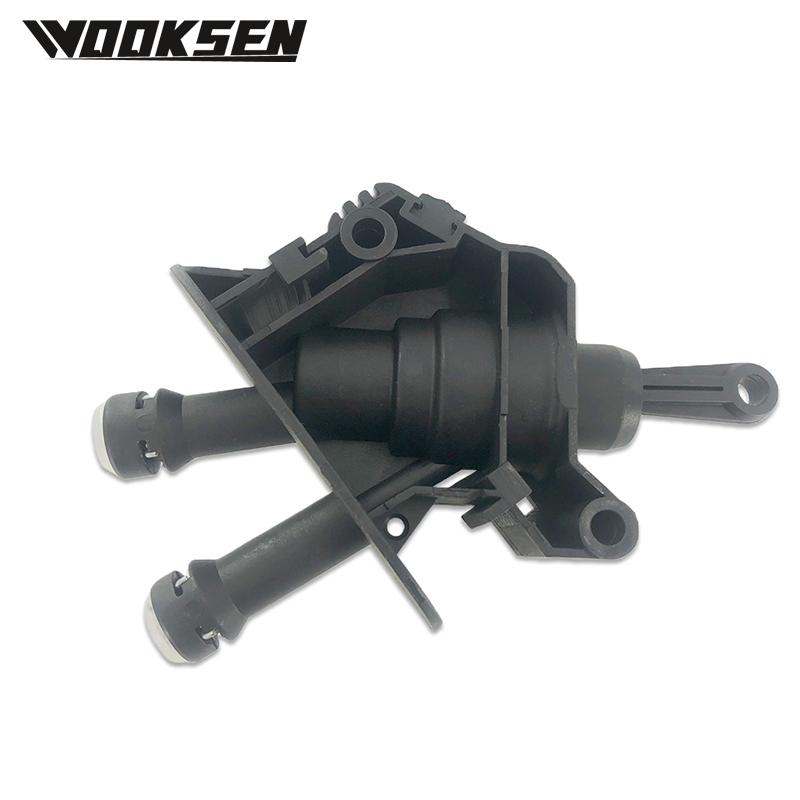
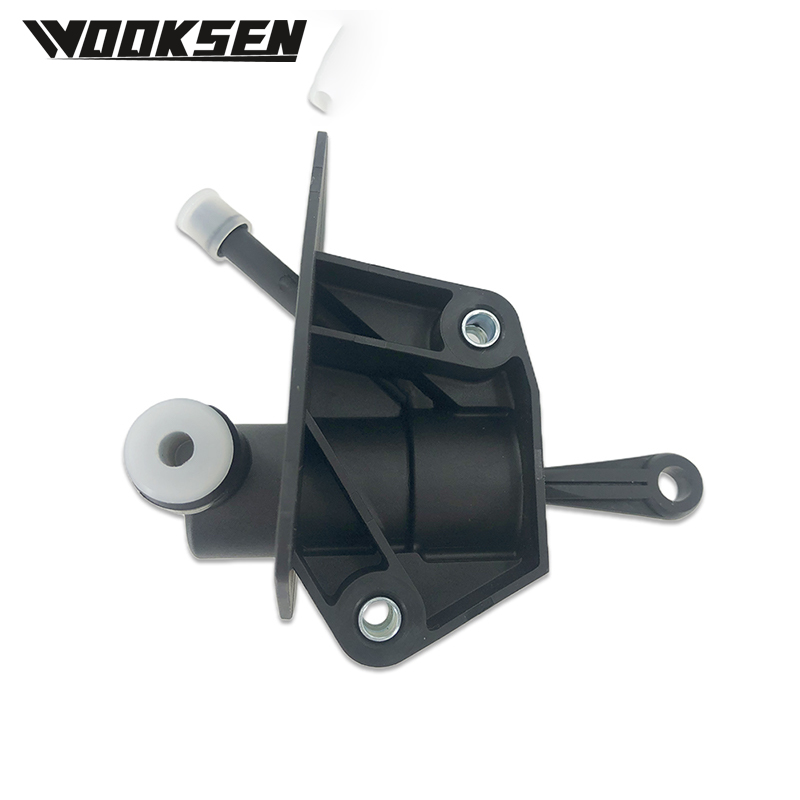
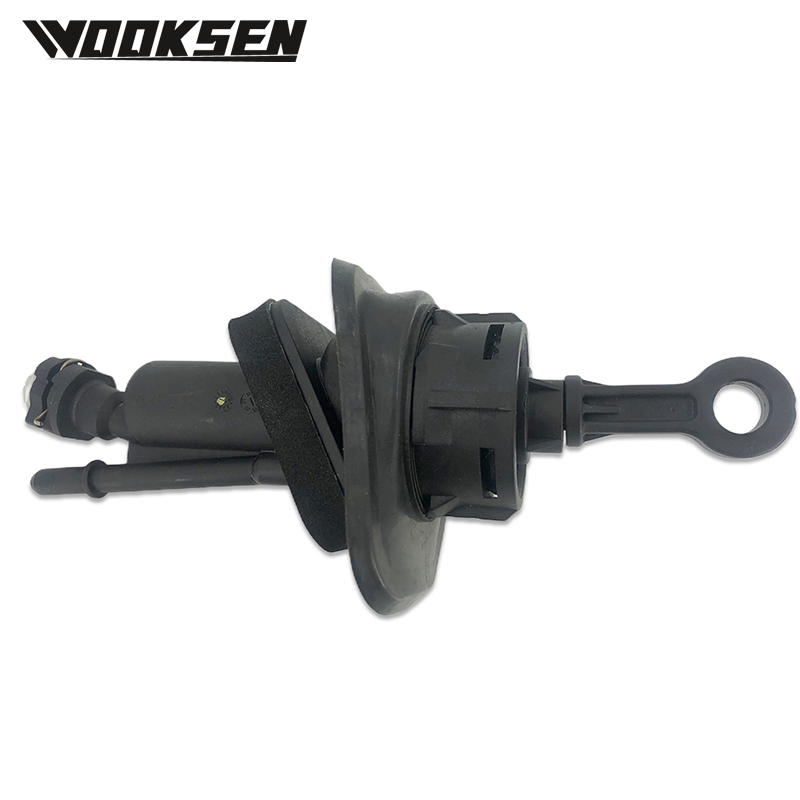
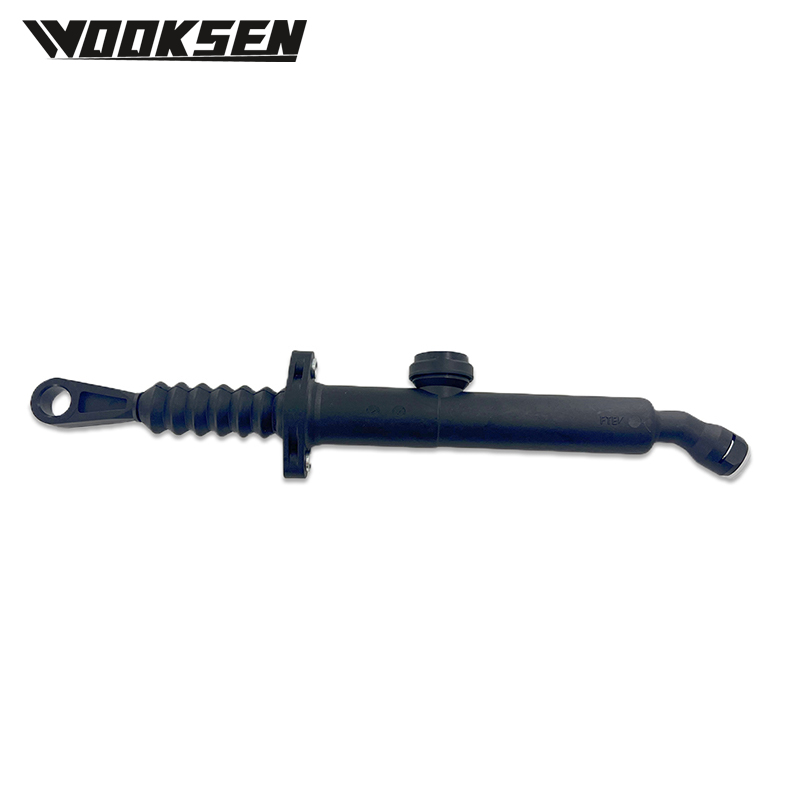
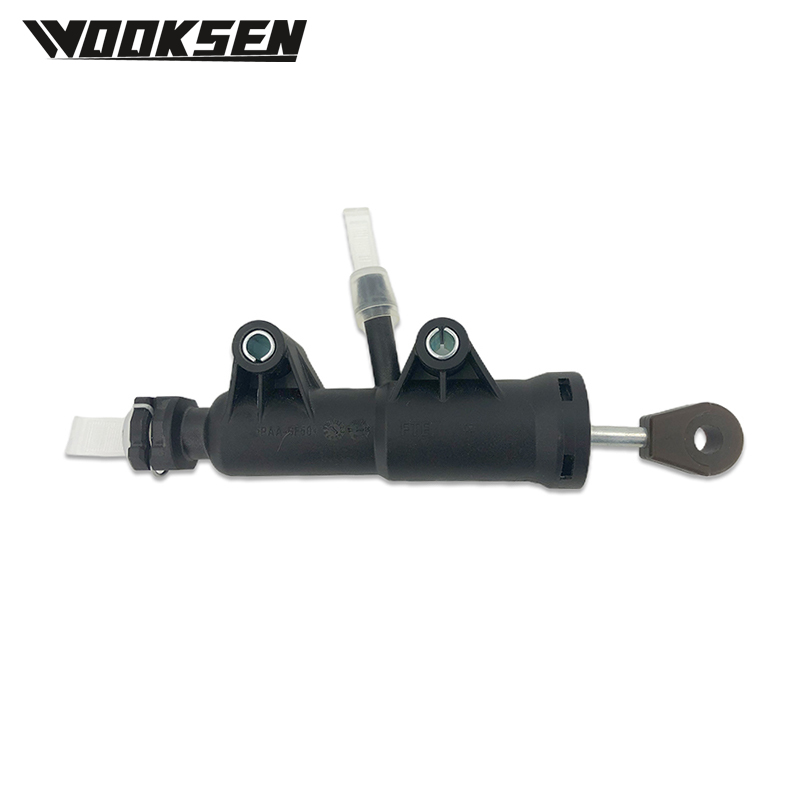
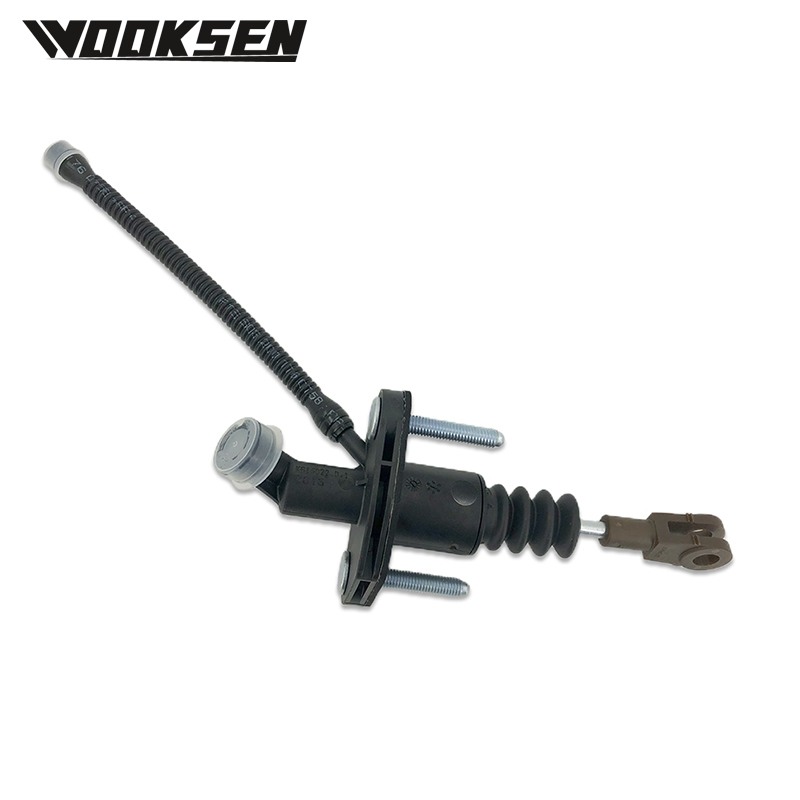
Among the many components that keep a manual transmission vehicle operating smoothly, the clutch slave cylinder adaptor tends to attract attention only when something has already gone wrong. The AB397C560AC clutch slave cylinder adaptor is a Ford OEM part number that appears across several Transit and commercial van platforms — and for anyone sourcing replacement drivetrain components, knowing exactly what this part does and why its specifications matter can save both time and cost down the line.
What the AB397C560AC adaptor actually does
The clutch slave cylinder adaptor functions as the mechanical bridge between the hydraulic slave cylinder and the clutch release mechanism. When a driver depresses the clutch pedal, hydraulic pressure travels through the system and reaches the slave cylinder, which then actuates the clutch fork or release bearing. The adaptor ensures that this force is transmitted correctly — aligning the hydraulic output with the geometry of the clutch assembly housed within the gearbox bell housing.
Without a correctly specified adaptor, the load path through the clutch system is compromised. Misalignment — even by a small margin — can cause uneven wear on the release bearing, inconsistent clutch engagement, or premature failure of surrounding components. The AB397C560AC exists specifically to eliminate that risk on the platforms it was designed for.
Why part number accuracy matters here
The clutch slave cylinder adaptor is one of those components where dimensional precision is non-negotiable. Ford's part number system is built around exact specifications — thread pitch, bore diameter, sealing surface geometry, and mounting face tolerances are all locked into the AB397C560AC designation. Sourcing a part that looks similar but carries a different number is a risk that experienced fleet buyers tend to avoid after the first costly mistake.
This is particularly relevant in the commercial vehicle segment, where Transit vans and similar platforms often run hard schedules. A clutch system that behaves unpredictably due to an ill-matched adaptor creates operational disruptions that cost far more than the part itself.
Cross-referencing the AB397C560AC against the vehicle's VIN-matched parts list before purchasing is a straightforward step that rules out compatibility problems early — especially when ordering through third-party distributors rather than directly through a Ford dealer network.
OEM specification versus the aftermarket landscape
The aftermarket parts industry does produce clutch slave cylinder adaptors for Ford applications, and some of these alternatives are priced attractively. The question worth asking is whether the dimensional tolerances and material grades have been verified against the OEM specification, or whether the listing simply claims compatibility based on general application data.
For the AB397C560AC specifically, the hydraulic sealing surfaces and the mechanical interface with the slave cylinder body are areas where minor manufacturing deviations can have outsized consequences. OEM-grade parts carry the engineering data that underpins their fitment claims. Aftermarket alternatives vary — some are manufactured responsibly to verified tolerances, while others are produced with wider acceptance ranges that may not perform identically under sustained hydraulic load.
Availability and sourcing considerations
The AB397C560AC is stocked through Ford's authorized dealer network and through a range of specialist automotive parts distributors that cover the Transit platform. Availability has generally been consistent for this part number, though supply timelines can shift depending on regional distribution patterns and broader automotive parts supply conditions.
Buyers sourcing this component for the first time should confirm that the part number on the packaging matches AB397C560AC clutch slave cylinder adaptor exactly. Ford uses a structured numbering convention, and adjacent part numbers in the same family can represent meaningfully different specifications — a detail that matters when the part in question sits at the heart of the hydraulic clutch circuit.

 English
 русский
 Español
 عربى
عربى