 English
 русский
 Español
 عربى
عربىSnap-fit Clutch Master Cylinder for Transit Mk5 1505420
Cat:Clutch Master Cylinders
On a conventional clutch master cylinder, the pushrod connects to the clutch pedal arm via a threaded clevis pin and retaining clip — a setup that req...
See DetailsBrake master cylinder A004430280103 serves as a central component in modern hydraulic braking systems, translating driver pedal input into controlled hydraulic pressure. This pressure distribution enables braking force to reach each wheel evenly, supporting predictable stopping behavior and vehicle stability. Consistent performance from the brake master cylinder directly influences driver confidence, particularly during frequent braking or variable road conditions. Automotive manufacturers rely on precise engineering to ensure the component delivers smooth response and dependable operation across different driving environments. Integration with other brake system components ensures that pressure is distributed efficiently, reducing uneven wear and improving overall system longevity.
The design of brake master cylinder A004430280103 emphasizes accuracy and balance. Internal piston movement, chamber dimensions, and sealing structures are carefully engineered to maintain pressure integrity. This precision supports gradual deceleration during routine driving and controlled braking during emergency situations. Reliable pressure feedback also contributes to a stable pedal feel, helping drivers maintain awareness and control. Consistent hydraulic flow further improves braking responsiveness during repeated stops and heavy traffic conditions, enhancing overall safety and driver confidence.
Material durability plays a critical role in brake master cylinder A004430280103 performance. High-strength metals and corrosion-resistant surface treatments are commonly used to withstand hydraulic pressure and environmental exposure. Sealing elements are selected to maintain elasticity and resistance to brake fluid interaction over extended service periods. These materials help ensure consistent hydraulic response and reduce the risk of leakage or performance degradation. Careful material pairing also supports thermal stability during frequent braking cycles.
Manufacturing accuracy further supports component reliability. Precision machining ensures tight tolerances within the cylinder bore, reducing internal pressure loss and friction. Automated inspection systems verify dimensional consistency, while endurance testing evaluates long-term durability. Additional quality checks include pressure fluctuation testing and surface finish analysis, helping deliver brake master cylinders capable of stable operation across diverse vehicle platforms and varied driving conditions.
Brake master cylinder A004430280103 contributes significantly to overall braking system efficiency. Accurate pressure modulation allows braking force to adapt smoothly to pedal input, supporting controlled stops in urban traffic and steady deceleration at higher speeds. Uniform pressure delivery reduces uneven brake wear, extending the service life of related components. Consistent hydraulic response also improves pedal feedback, helping drivers maintain confidence during frequent braking situations. Enhanced pressure stability further minimizes stress on brake lines and calipers, contributing to overall system longevity and reducing maintenance needs.
Integration with modern braking systems further enhances functionality. Compatibility with electronic stability systems and anti-lock braking technology allows precise pressure adjustments during rapid braking or reduced traction conditions. This coordination supports vehicle stability and helps maintain directional control during challenging driving scenarios. It also improves system responsiveness during emergency maneuvers, contributing to predictable braking behavior across varied road surfaces. These features collectively enhance driver safety and support consistent performance in both routine and demanding driving conditions.
Durability remains a key focus in brake master cylinder A004430280103 design. Robust construction supports repeated braking cycles and thermal variation without compromising performance. Routine maintenance practices, such as fluid replacement and system inspection, help preserve hydraulic efficiency and extend service life. Consistent maintenance also reduces the risk of pressure loss and supports stable braking response over time.
Future development emphasizes improved efficiency and adaptability. Advanced simulation tools allow engineers to refine pressure response and material behavior before production. Lightweight construction, improved sealing solutions, and enhanced compatibility with evolving vehicle platforms continue to shape brake master cylinder innovation. Brake master cylinder A004430280103 remains a vital element in achieving reliable braking performance and long-term vehicle safety.
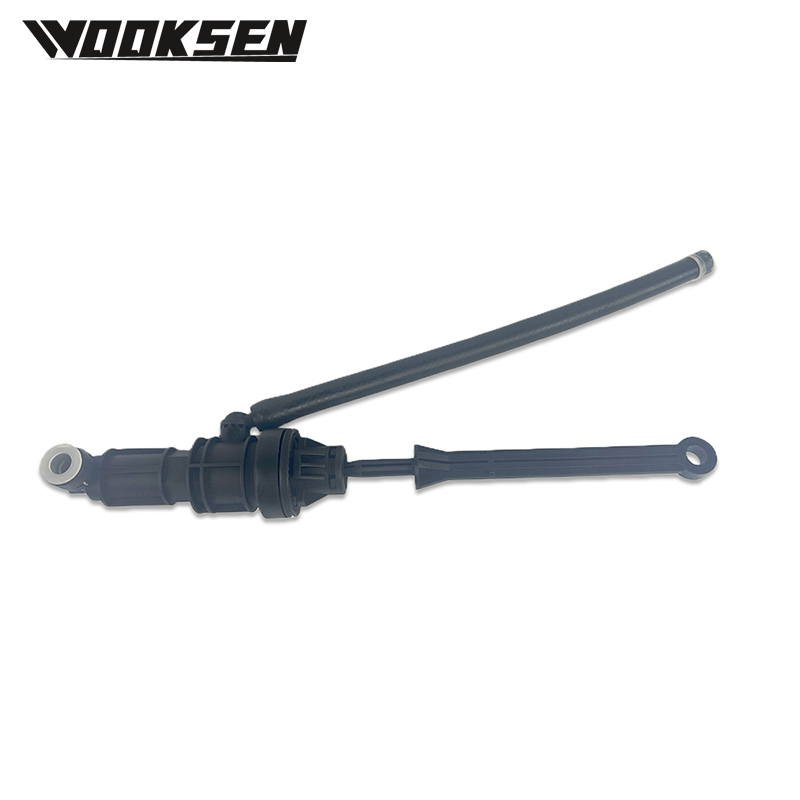
On a conventional clutch master cylinder, the pushrod connects to the clutch pedal arm via a threaded clevis pin and retaining clip — a setup that req...
See Details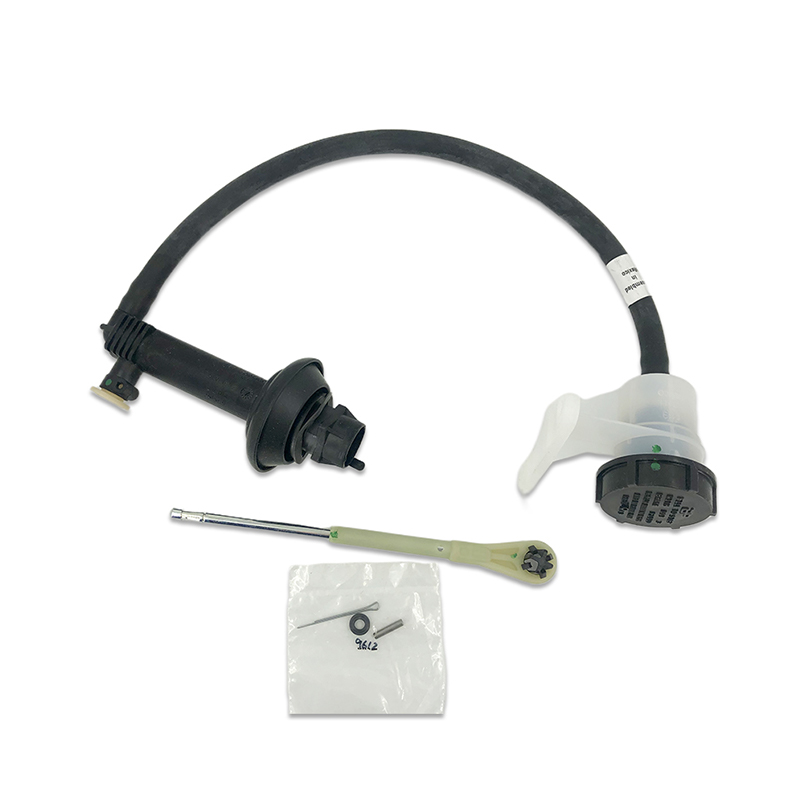
This specific Clutch Master Cylinder comes with an external return spring, which is a design detail that matters in sourcing. The return spring ensure...
See Details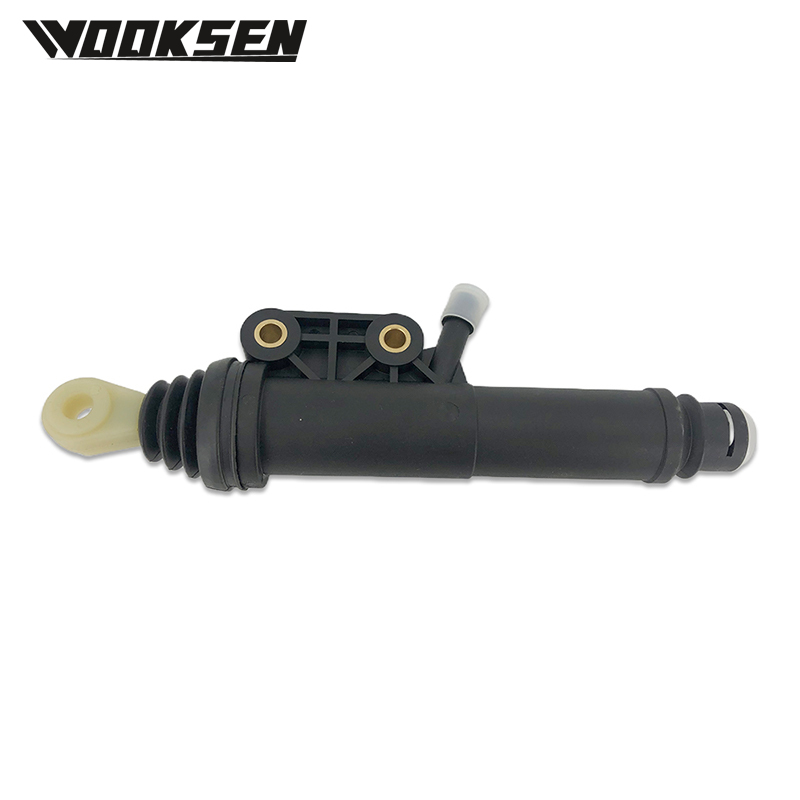
This multi-seal clutch master cylinder converts the force applied to the clutch pedal into hydraulic pressure, facilitating smooth clutch disengagemen...
See Details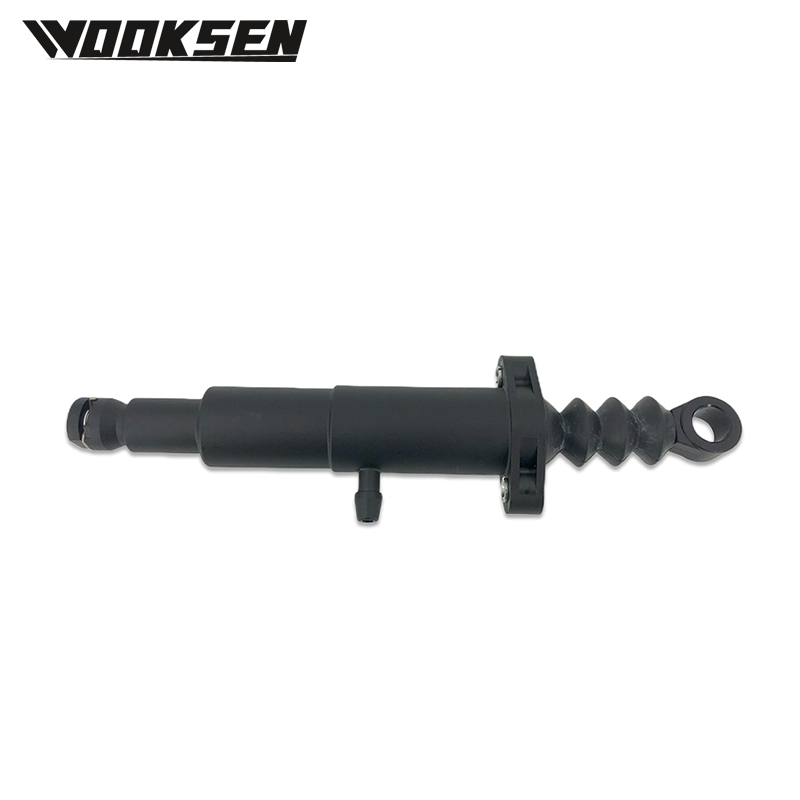
The reinforced hydraulic clutch master cylinder is a critical hydraulic control component within the clutch systems of Mercedes-Benz heavy-duty commer...
See Details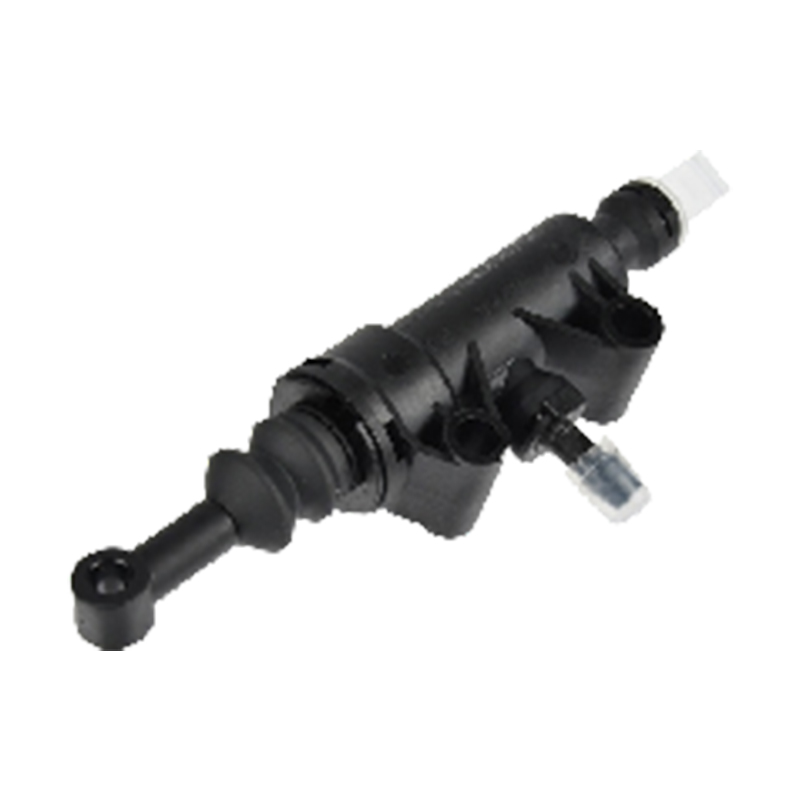
Every manual transmission vehicle needs a way to transfer the driver's foot movement into hydraulic action — that's exactly what the clutch master cyl...
See Details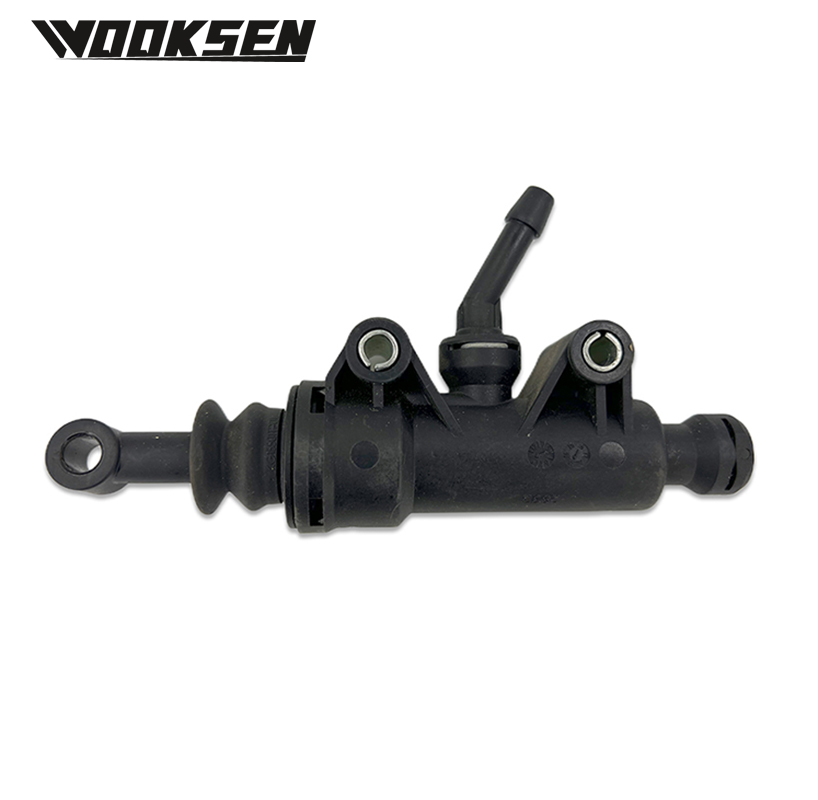
The clutch master cylinder is the starting point of the hydraulic clutch system. When the driver presses the clutch pedal, this cylinder pushes hydrau...
See Details
From clutches to brakes, we ensure the safety and performance of every vehicle.
© Wenzhou Xusen Auto Parts Co., Ltd.
Car Clutch And Brake Assembly Suppliers
