Design Evolution in Clutch Assemblies
Clutch assemblies play a key role in facilitating smooth power transfer between the engine and the transmission in modern vehicles. In recent years, advances in materials and engineering have enabled clutch assemblies to handle a broader range of conditions with greater consistency. Manufacturers now use heat‑resistant alloys and high‑performance friction composites to better manage thermal loads and reduce wear. At the same time, refinements to plate geometry, pressure ring design and release mechanisms contribute to more stable engagement behaviour. These improvements help vehicles maintain efficient operation whether under stop‑and‑go city traffic or longer highway drives.
Manufacturing Practices and Quality Assurance
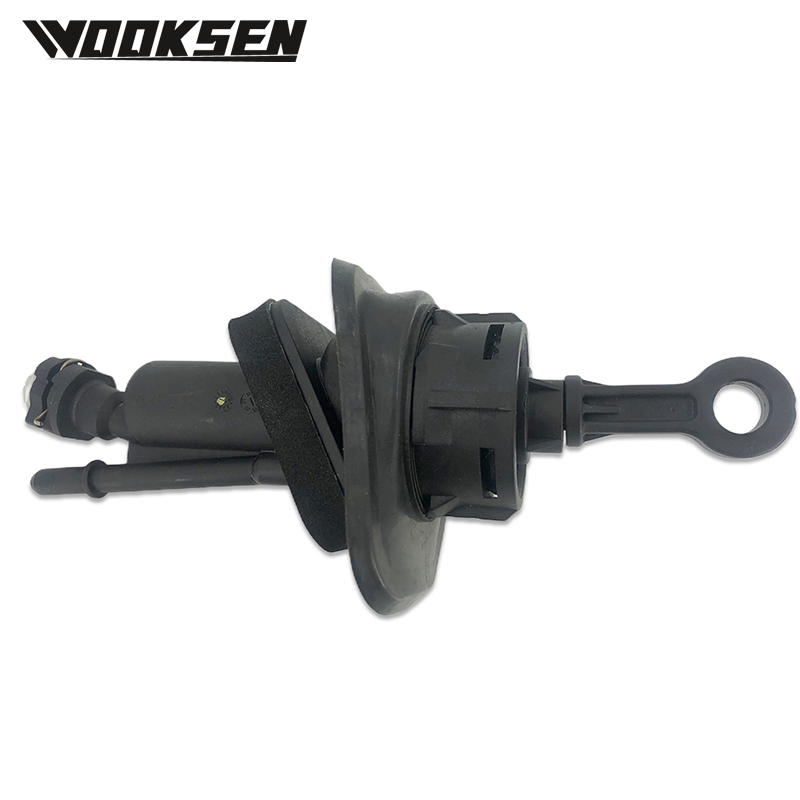
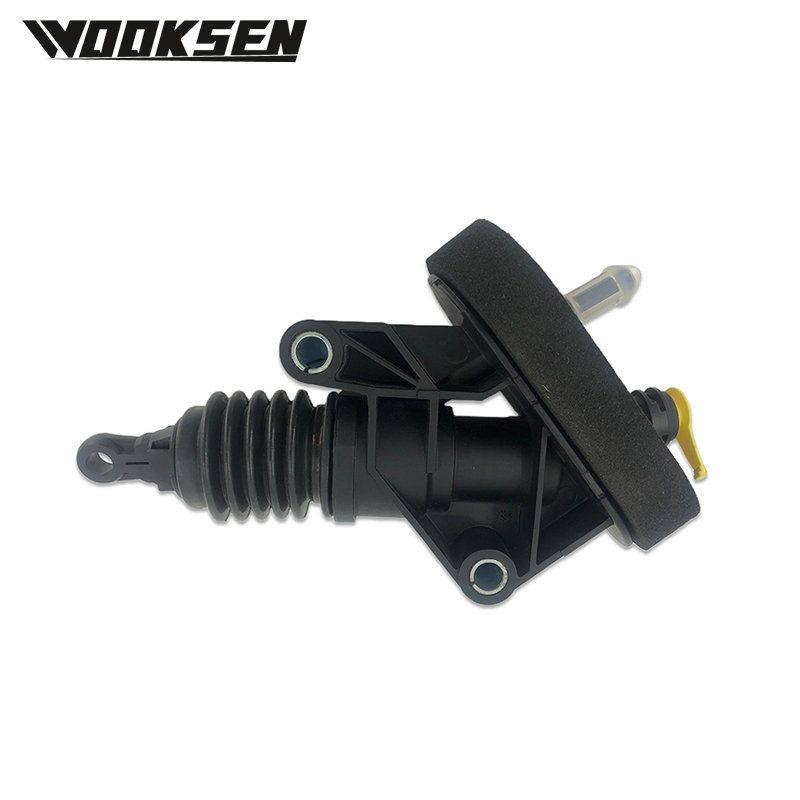
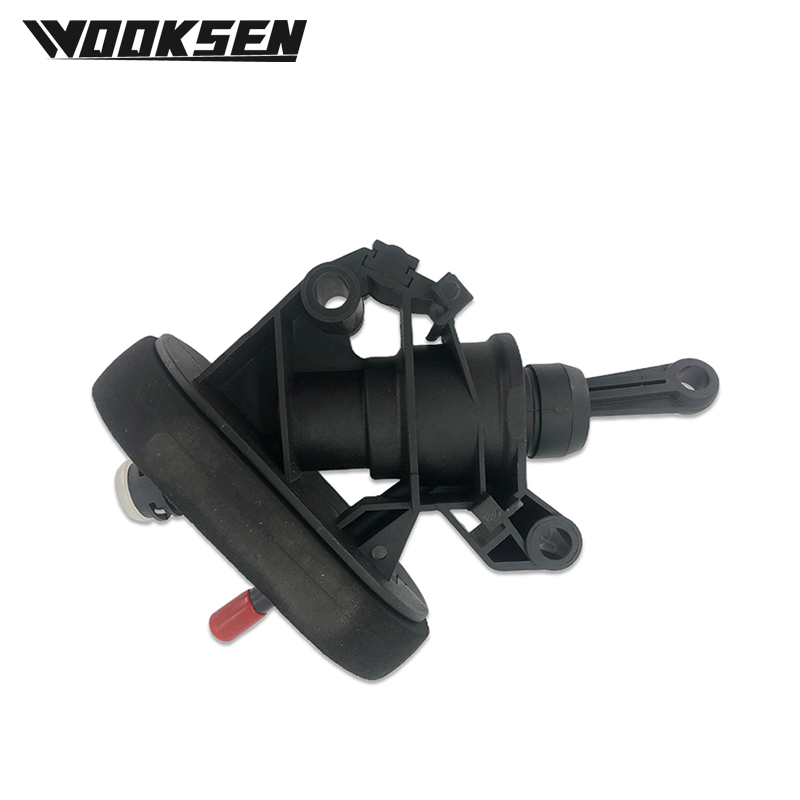
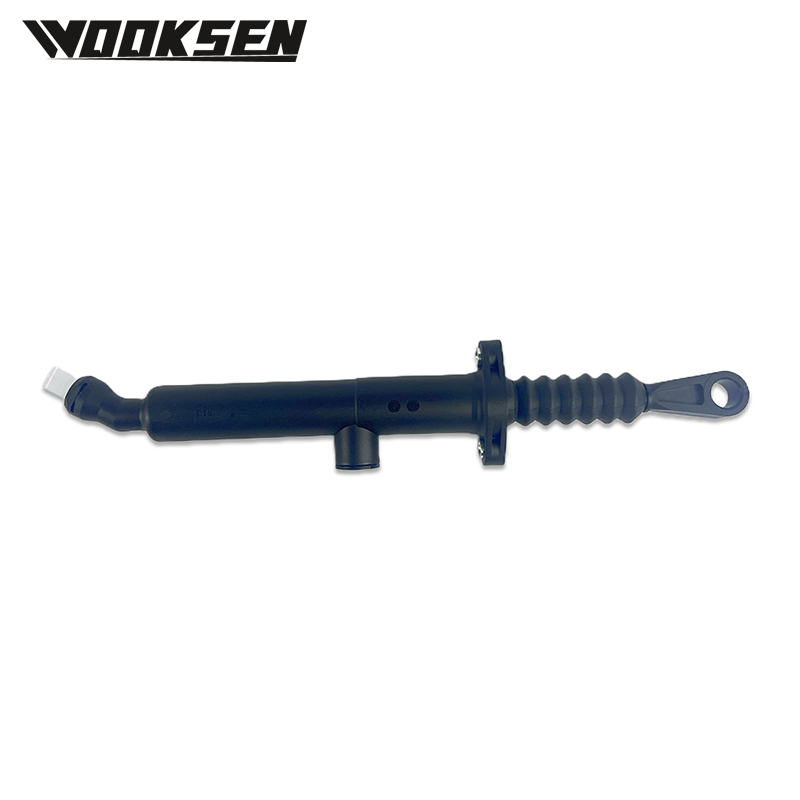
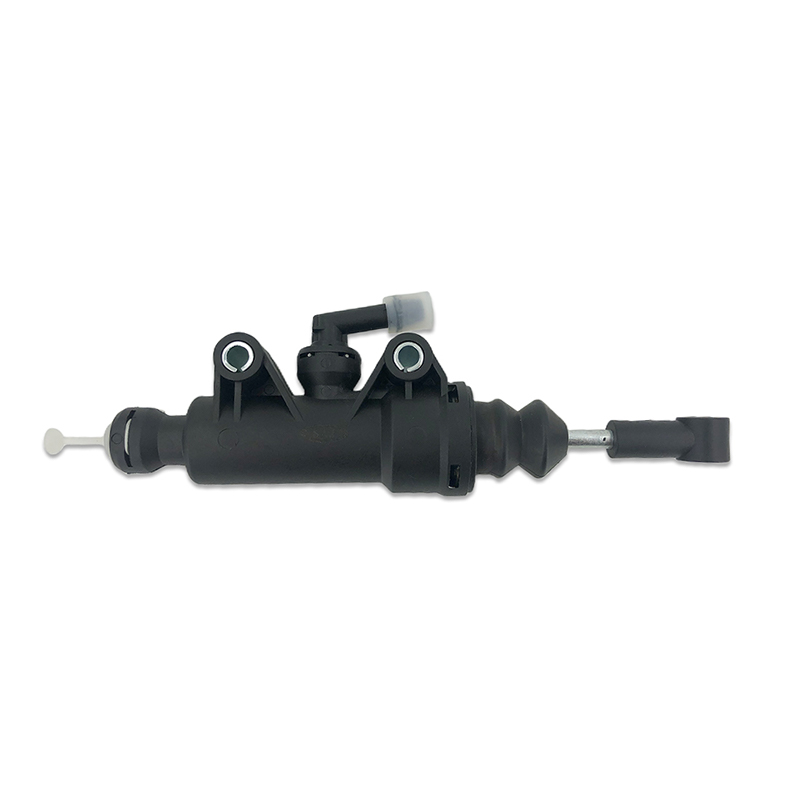
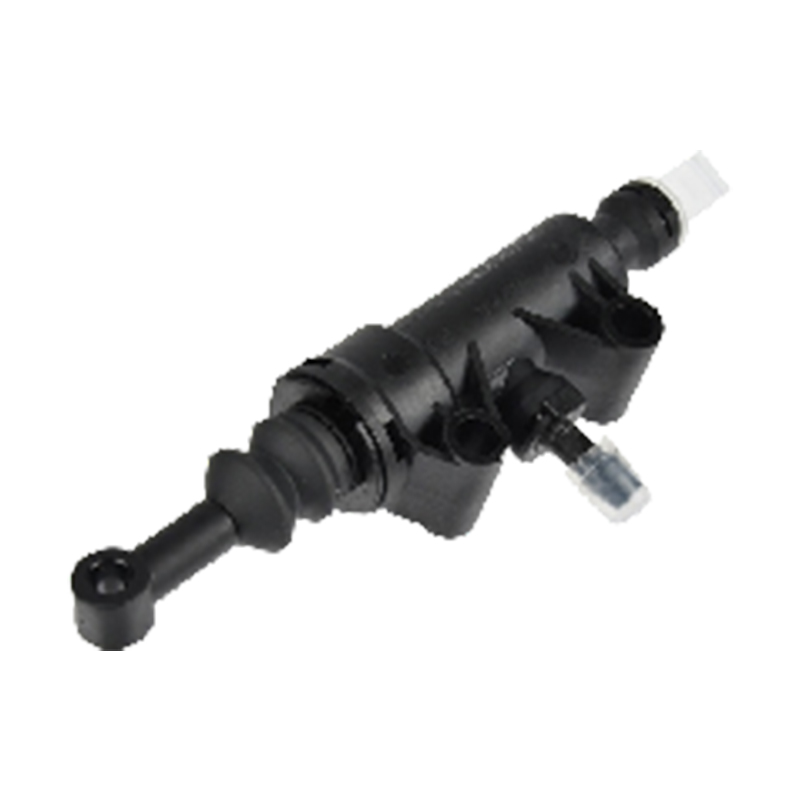
Inherent to high‑functioning clutch assemblies is rigorous manufacturing and quality control. Modern production facilities adopt precision machining for components such as master cylinders, slave cylinders and release bearings. Automated assembly lines and simulation‑based testing support consistency in tolerances and performance across batches. For example, Wenzhou Xusen Auto Parts Co., Ltd. indicates that its clutch master cylinders, slave cylinders and hydraulic release bearings are produced to OEM‑grade specifications and accredited to standards such as ISO 9001‑2000, VDA6 and TS16949. Precision machining, automated assembly lines and simulation‑based testing play important roles in ensuring that every clutch assembly meets its design intent.
The implementation of thorough friction‑behaviour testing, hydraulic pressure assessment and thermal endurance evaluation ensures that each clutch assembly provides reliable torque transfer. These practices contribute to consistent durability and dependable functionality when the component is installed in a vehicle’s drivetrain.
Integration with Drivetrain and Vehicle Systems
Today’s clutch assemblies do not operate in isolation. Instead, they are engineered to align with the broader drivetrain, transmission control systems and engine management features. For example, hydraulic actuation systems add precision to the clutch engagement and disengagement process, improving the feel of gear changes and reducing energy losses due to slippage. Wenzhou Xusen Auto Parts Co., Ltd. highlights its compatibility with a wide range of vehicle brands across Japanese, European and American markets, helping ensure adaptability in various system configurations.
By coordinating clutch assembly performance with downstream components, vehicle makers aim to enhance drivability, reduce parasitic drag and deliver a smoother driving experience. This is particularly relevant in hybrid or lighter‑weight vehicles, where torque transfer efficiency and seamless gear changes play a more prominent role. The adaptability of modern clutch assemblies to such systems supports more flexible vehicle architecture and helps maintain consistent user experience.
Maintenance, Serviceability and Longevity
While design and integration improvements are important, maintenance and service considerations remain integral to the lifecycle of a clutch assembly. Components such as clutch master cylinders, slave cylinders and release bearings are subject to wear and degradation over time. Wenzhou Xusen Auto Parts Co., Ltd. notes that their assemblies are designed with ease of servicing in mind—offering parts that can be replaced or serviced more straightforwardly, which can reduce vehicle downtime and service labour.
Material choices also support longevity. For example, friction surfaces are selected for wear‑resistance, while hydraulic systems include advanced sealing technology to mitigate leaks and maintain system integrity. From an operational perspective, regular inspection of the clutch hydraulic circuit, release bearing clearance and slave cylinder function helps preserve optimal engagement behaviour and minimize unexpected performance decline. By combining durable materials, thoughtful engineering and service‑friendly design, clutch assemblies today contribute to dependable performance over a vehicle’s operational span.

 English
 русский
 Español
 عربى
عربى