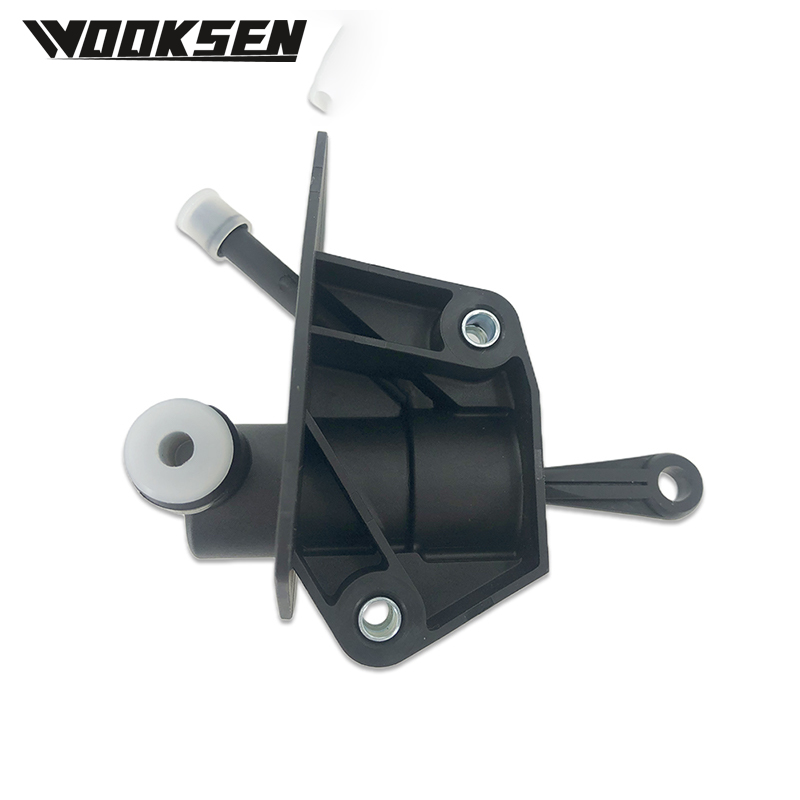
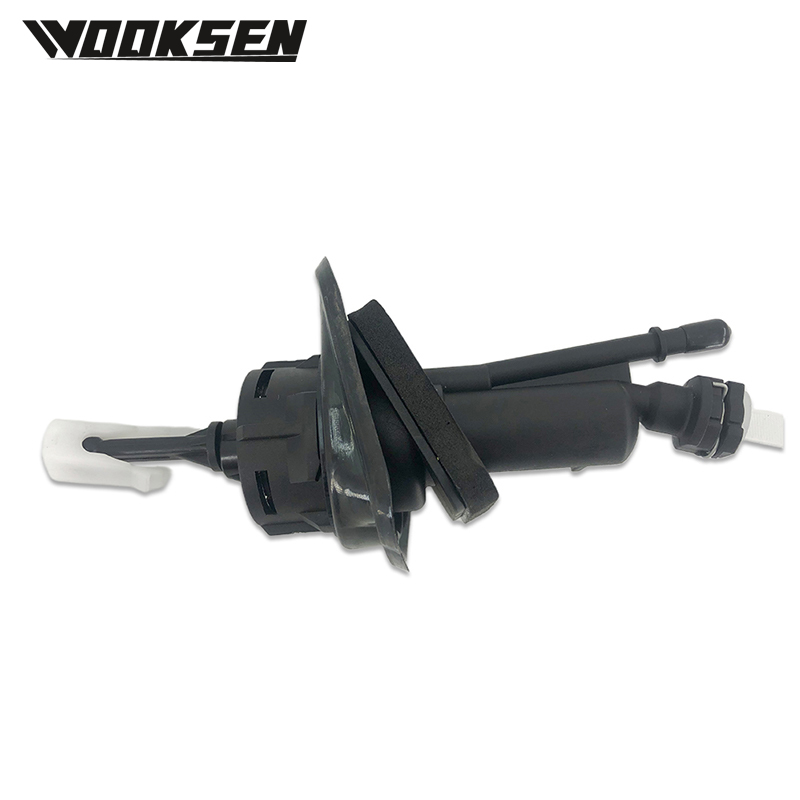
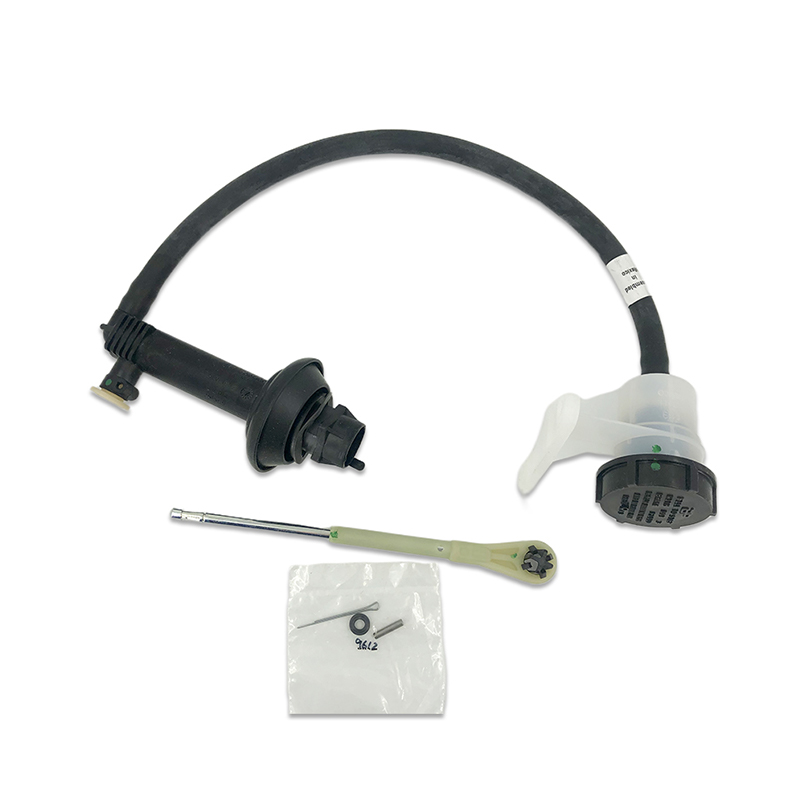
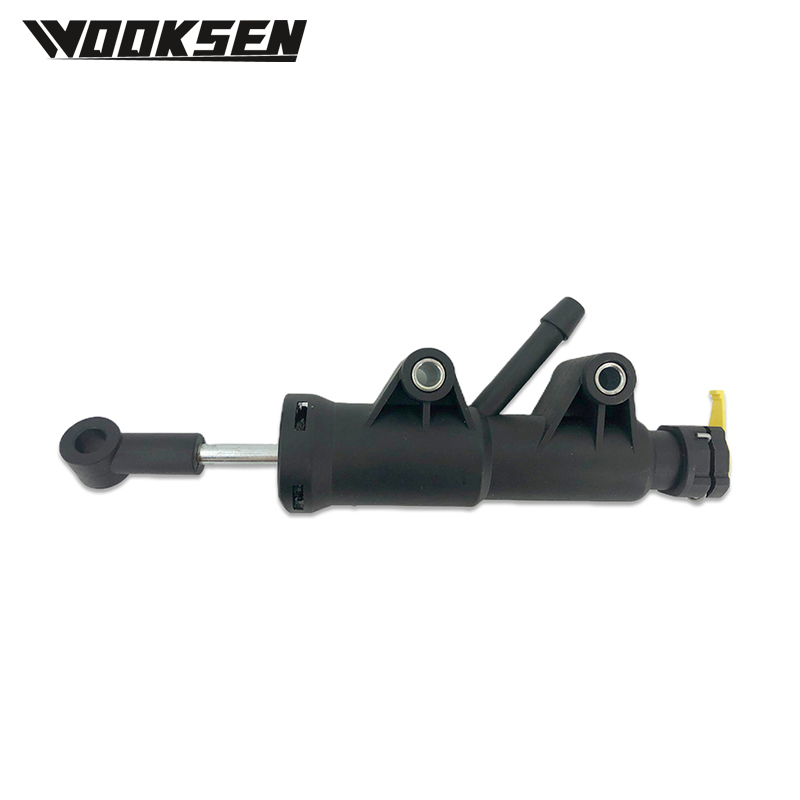
In the world of automotive maintenance, the brake system plays a critical role in ensuring safe vehicle operation. Among its key components, the A0044302801 brake master cylinder stands out as an integral part of the hydraulic brake system. While often overlooked by casual drivers, this component directly affects the responsiveness and reliability of braking.
The A0044302801 brake master cylinder is designed to convert the force applied on the brake pedal into hydraulic pressure. This pressure is then transmitted through brake lines to the brake calipers or wheel cylinders, resulting in the controlled slowing or stopping of the vehicle. The precision and consistency of this conversion are essential, as uneven pressure can lead to brake inefficiency or discomfort during driving.
One of the features that distinguishes the A0044302801 brake master cylinder is its compatibility with a variety of vehicles. Its engineering allows it to maintain hydraulic stability even under varying temperatures and driving conditions. This adaptability is particularly relevant in regions with fluctuating climates, where heat and cold can influence brake fluid performance. By sustaining hydraulic pressure, the brake master cylinder ensures that braking remains predictable and responsive.
Maintenance and inspection of the A0044302801 brake master cylinder are vital for vehicle safety. Over time, seals within the cylinder may wear down, and minor leaks can develop. Regular checks of brake fluid levels and condition can prevent these issues from escalating. Automotive professionals often recommend flushing brake fluid periodically to remove contaminants that might compromise the cylinder’s function. Such preventive care extends the lifespan of the brake master cylinder and supports overall vehicle reliability.
Technological developments in automotive design have influenced the materials and construction of brake master cylinders. Modern versions, including the A0044302801, often use corrosion-resistant metals and reinforced seals to withstand long-term stress. These improvements enhance durability and help reduce the likelihood of hydraulic failure. Drivers may not notice these details in everyday use, yet they significantly impact vehicle safety.
In addition to standard braking applications, the A0044302801 brake master cylinder is also compatible with advanced vehicle safety systems. Anti-lock braking systems (ABS) and electronic stability controls (ESC) rely on consistent hydraulic pressure to function correctly. By providing reliable performance, the brake master cylinder contributes indirectly to these systems, reinforcing overall vehicle stability.
From an installation perspective, the A0044302801 brake master cylinder is engineered for straightforward integration. Its design accommodates standard brake lines and mounting points, allowing mechanics to replace or service it with minimal adjustments. This ease of installation is beneficial for both professional repair shops and DIY automotive enthusiasts seeking to maintain their vehicles efficiently.
Automotive owners considering replacement or upgrade should focus on ensuring compatibility with their specific vehicle model. While the A0044302801 brake master cylinder is versatile, consulting the manufacturer’s specifications or a trusted professional ensures that the hydraulic system remains fully operational and safe. Proper installation preserves the integrity of the brake system and prevents potential hazards.
In summary, the A0044302801 brake master cylinder serves as a cornerstone in hydraulic brake systems. Its role in converting pedal force to hydraulic pressure is fundamental to vehicle safety and performance. Through careful maintenance, appropriate installation, and quality engineering, this component supports reliable braking and enhances the overall driving experience. Vehicle owners who understand the function of the brake master cylinder can make informed decisions that promote long-term safety and efficiency.

 English
 русский
 Español
 عربى
عربى