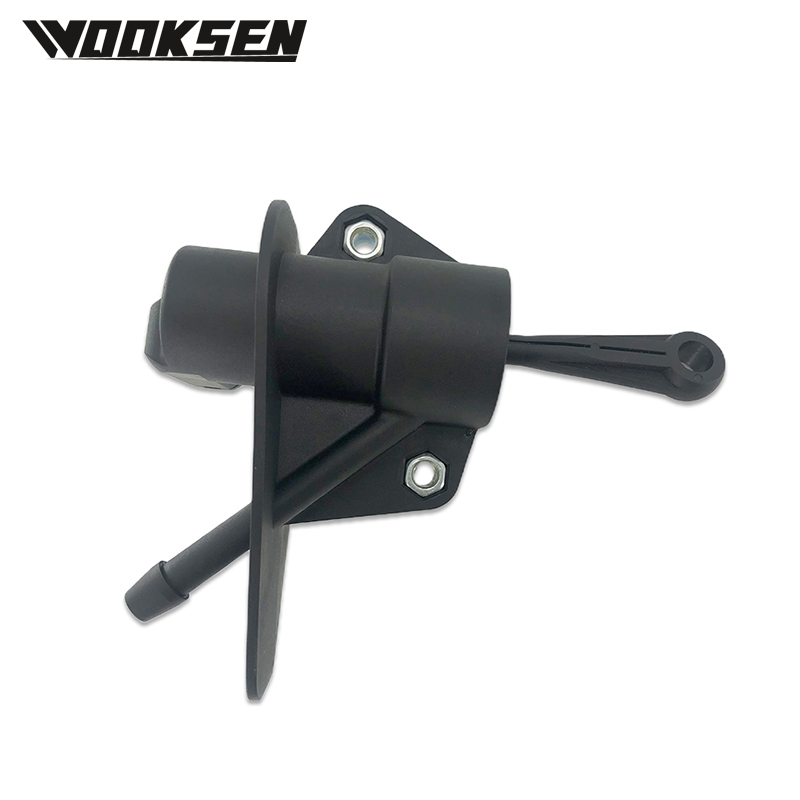
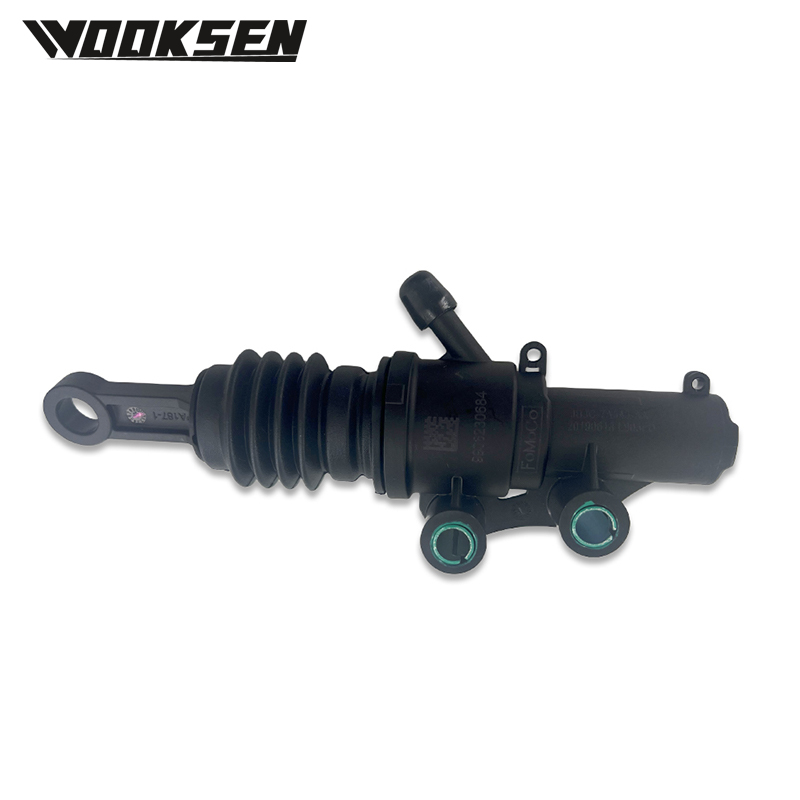
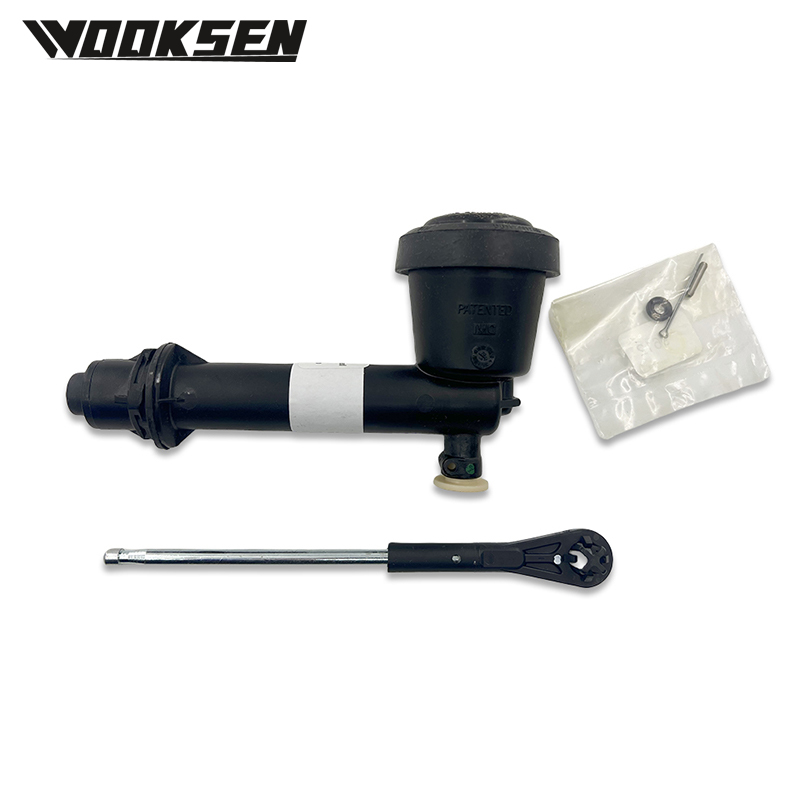
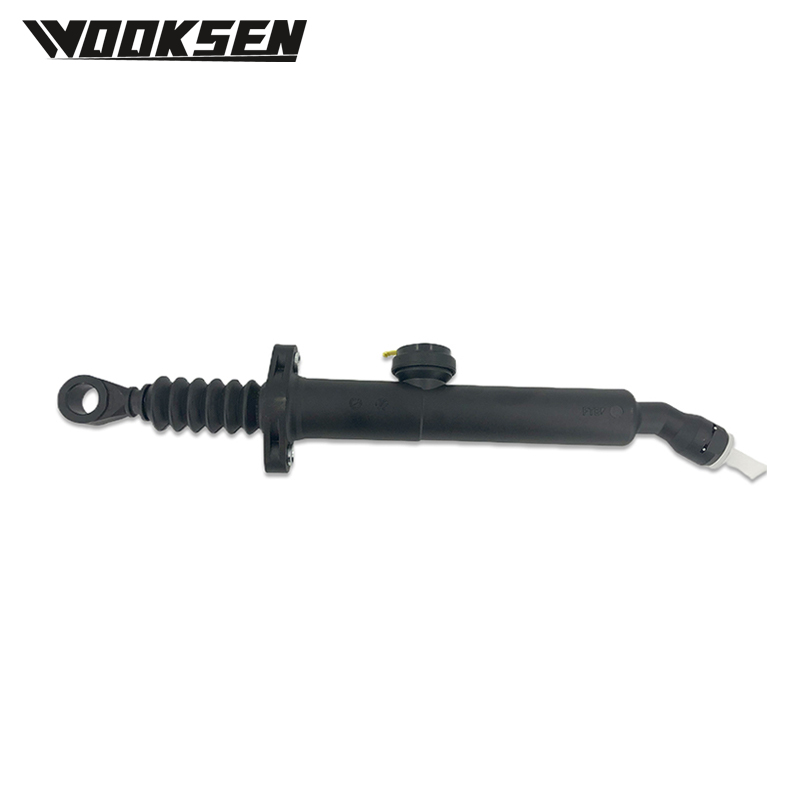
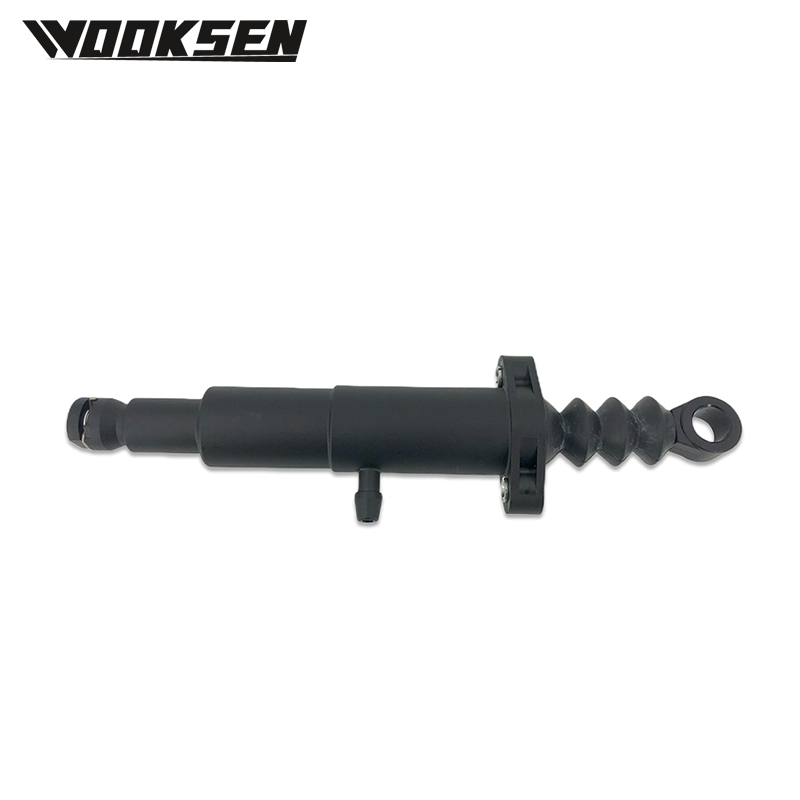
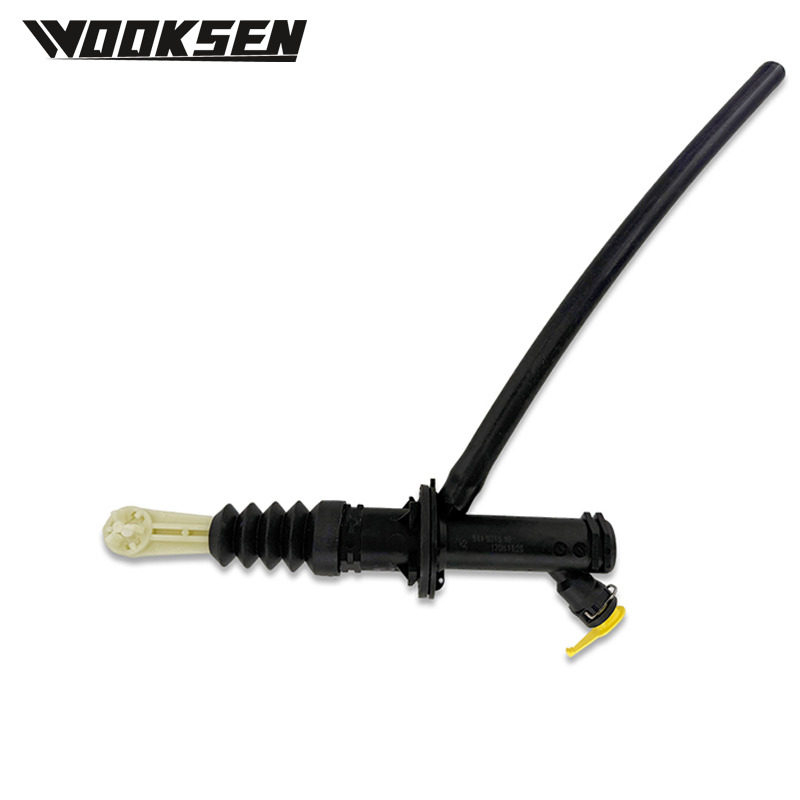
Understanding the 9010515 Brake Wheel Cylinder
The 9010515 Brake wheel cylinder is a component in hydraulic drum brake systems that performs a focused mechanical function. It converts hydraulic pressure into linear motion, pushing brake shoes against the drum to slow down or stop a vehicle. Drivers may not see the cylinder, but its influence on pedal feel and stopping performance is constantly present whenever brakes are applied.
Hydraulic braking systems operate by transmitting fluid pressure generated at the master cylinder through brake lines to wheel cylinders at each wheel. The 9010515 Brake wheel cylinder contains pistons that respond to this pressure, moving outward to press brake shoes against the drum. This action produces friction, which slows down wheel rotation and eventually stops the vehicle. In essence, the cylinder acts as the link between a driver’s foot pressing the brake pedal and the wheels reacting to that input.
The cylinder is typically made of durable materials, including cast metal or high-strength alloys, and is designed to handle repeated cycles of pressurization without deforming. Seals inside the cylinder prevent brake fluid from leaking and ensure that hydraulic pressure is transmitted efficiently.
Everyday Impact of the 9010515 Brake Wheel Cylinder
On daily drives, the wheel cylinder contributes to a driver’s sense of control. Whether slowing down at intersections, navigating stop‑and‑go traffic, or descending gentle slopes, the cylinder’s role in transmitting hydraulic pressure ensures predictable braking performance. Drivers experience smooth pedal feedback, which allows them to apply braking force confidently without surprises.
In vehicles that use drum brakes on rear wheels, wheel cylinders like the 9010515 are essential for balancing braking force between front and rear wheels. Front brakes typically handle a larger portion of braking, but rear wheel cylinders ensure that rear wheels contribute proportionally, preventing instability and enhancing overall vehicle control. Even though drivers focus on the pedal and overall vehicle motion, the wheel cylinder works continuously behind the scenes to maintain that balance.
Technicians working with hydraulic drum brakes often examine wheel cylinders for signs of wear or leakage. The cylinder’s ability to maintain hydraulic pressure directly affects brake efficiency. Properly functioning cylinders prevent uneven brake application and ensure that stopping distances remain consistent. Even minor irregularities in piston movement or seal integrity can alter how the brakes feel underfoot, making this component critical for vehicle safety and performance.
Design and Engineering of the 9010515 Brake Wheel Cylinder
The design of the 9010515 Brake wheel cylinder reflects a careful balance of materials, tolerances, and fluid dynamics. Pistons are machined to tight tolerances, allowing smooth movement within the cylinder bore without sticking or excessive friction. Seals are crafted from resilient materials capable of withstanding hydraulic fluid exposure, temperature changes, and repeated mechanical stress. The cylinder body is typically coated or treated to resist corrosion, ensuring long-term reliability under the harsh conditions found in wheel wells.
The geometry of the cylinder is also important for consistent brake shoe engagement. Proper piston travel and alignment ensure that the shoes press evenly against the drum surface. Engineers calibrate the dimensions so that even small variations in pedal pressure translate into proportional mechanical action, providing drivers with intuitive braking control.
In summary, the 9010515 Brake wheel cylinder plays a fundamental role in hydraulic drum brakes. Its ability to convert hydraulic pressure into linear motion, maintain consistent pedal feel, and adapt to minor variations in brake shoe wear ensures reliable braking performance.

 English
 русский
 Español
 عربى
عربى