 English
 русский
 Español
 عربى
Snap-fit Clutch Master Cylinder for Transit Mk5 1505420
Cat:Clutch Master Cylinders
On a conventional clutch master cylinder, the pushrod connects to the clutch pedal arm via a threaded clevis pin and retaining clip — a setup that req...
See DetailsIn vehicles equipped with hydraulic clutch systems, pedal movement needs to be converted into hydraulic pressure before the clutch can engage or disengage. This process involves several connected components, including the clutch pedal, master cylinder, hydraulic lines, and slave cylinder. The 1029036 Clutch pump is a reference-specific automotive component associated with clutch control systems, making its identification and application relevant to replacement parts distributors and commercial vehicle component suppliers.
A hydraulic clutch system uses fluid pressure to transfer the driver's pedal input to the clutch release mechanism.
When the driver presses the clutch pedal, the master cylinder converts mechanical movement into hydraulic pressure. This pressure travels through the hydraulic circuit toward the slave cylinder or related actuator. The receiving component then moves the clutch release mechanism, separating the clutch disc from the flywheel and interrupting power transmission temporarily.
When the pedal is released, the hydraulic pressure decreases and the clutch returns to its engaged position.
Depending on the vehicle design, the term clutch pump may refer to different hydraulic components within the clutch control arrangement. Therefore, identifying the exact product category is important when discussing the 1029036 Clutch pump with an automotive parts supplier.
Hydraulic pressure is the connection between pedal movement and clutch operation. Without effective pressure transmission, the release mechanism may not move according to the intended pedal input.
Several factors influence how the hydraulic circuit operates:
These features are related to the product's dimensions and intended vehicle application.
For distributors handling the 1029036 Clutch pump, understanding these functional details can help distinguish clutch hydraulic components from other automotive fluid pumps.
A clutch hydraulic pump generally contains several parts that work together to generate and transfer pressure.
The cylinder body forms the main housing and provides the internal space for piston movement. The piston moves inside the cylinder when mechanical force is applied through the pedal linkage.
Sealing elements are positioned around the piston to control fluid movement and prevent leakage between different pressure areas. A return spring may also be included in certain designs to help restore the piston to its initial position.
Fluid inlet and outlet connections allow hydraulic fluid to enter and leave the cylinder according to the system arrangement. Some designs also incorporate a reservoir or connect to a separate fluid storage unit.
For a reference-specific product such as the 1029036 Clutch pump, the exact component arrangement should be confirmed through product drawings and corresponding vehicle information rather than assumed from general clutch pump designs.
Clutch hydraulic components are closely related to the vehicle's transmission configuration. Differences in cylinder dimensions, mounting points, hydraulic connections, and piston travel can affect compatibility.
Two clutch pumps may have a similar external appearance but use different internal dimensions or connection arrangements.
This is particularly relevant for commercial vehicle parts distributors who handle components for different vehicle models and production generations.
When identifying the 1029036 Clutch pump, buyers can use the reference number as an initial product identification point. Additional information, such as vehicle model, engine configuration, transmission type, and original component details, can help clarify the intended application.
Accurate product identification also helps reduce confusion between clutch master cylinders, slave cylinders, and other hydraulic clutch components.
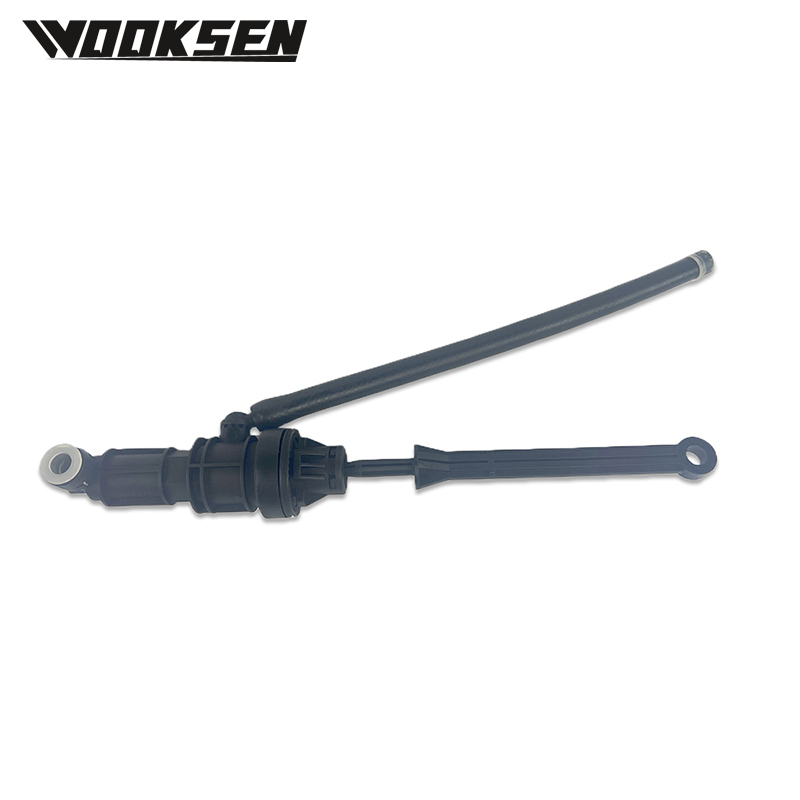
On a conventional clutch master cylinder, the pushrod connects to the clutch pedal arm via a threaded clevis pin and retaining clip — a setup that req...
See Details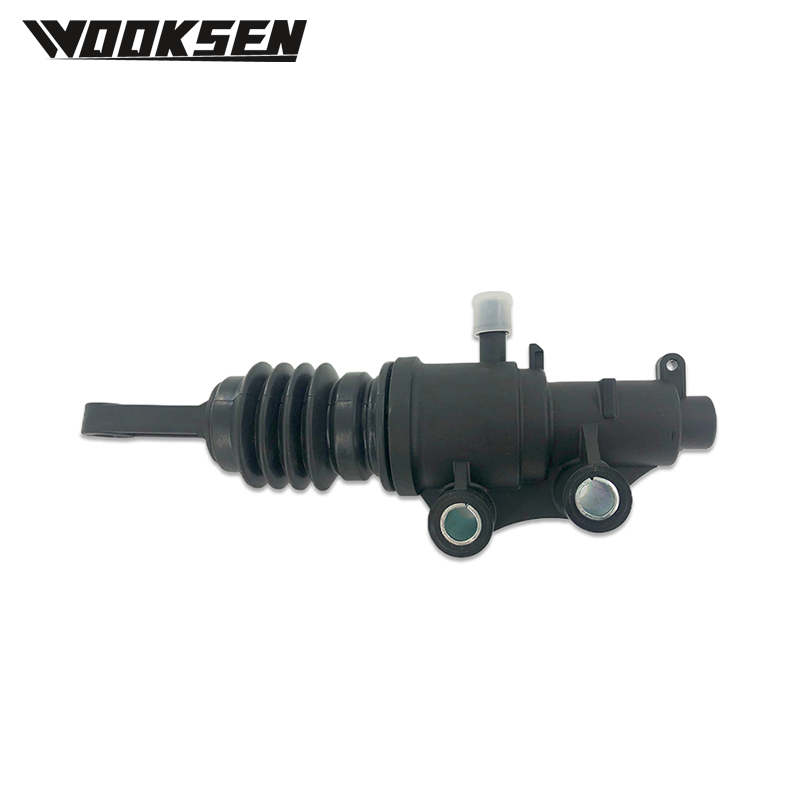
On a conventional clutch master cylinder, the pushrod that connects the pedal to the piston is partially exposed where it exits the cylinder body. In ...
See Details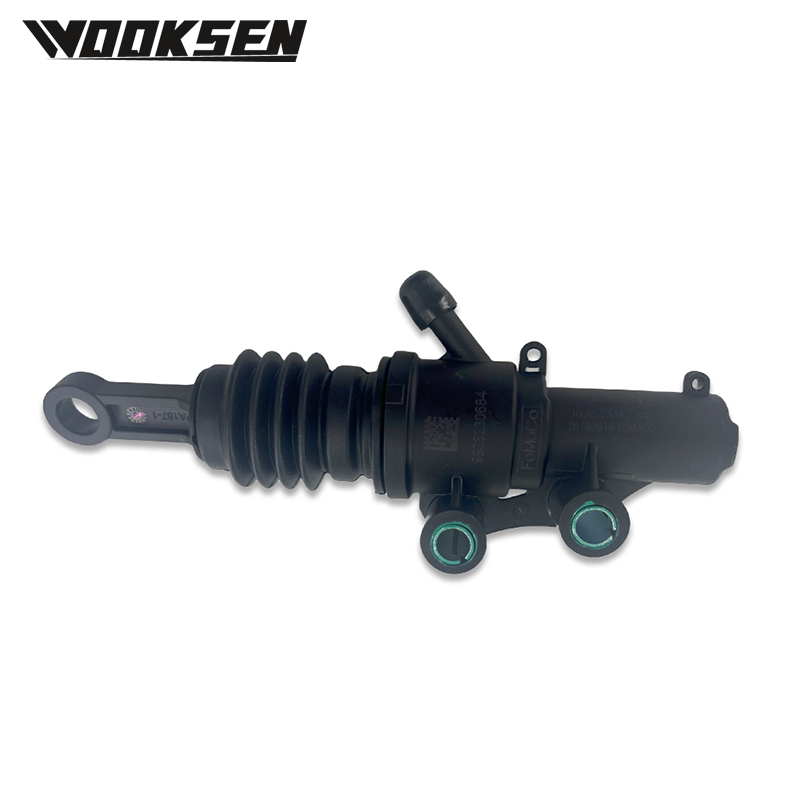
There is a clutch master cylinder designed for the Ford Ranger from the 2017 model year onward, and its defining characteristic is a compact form fact...
See Details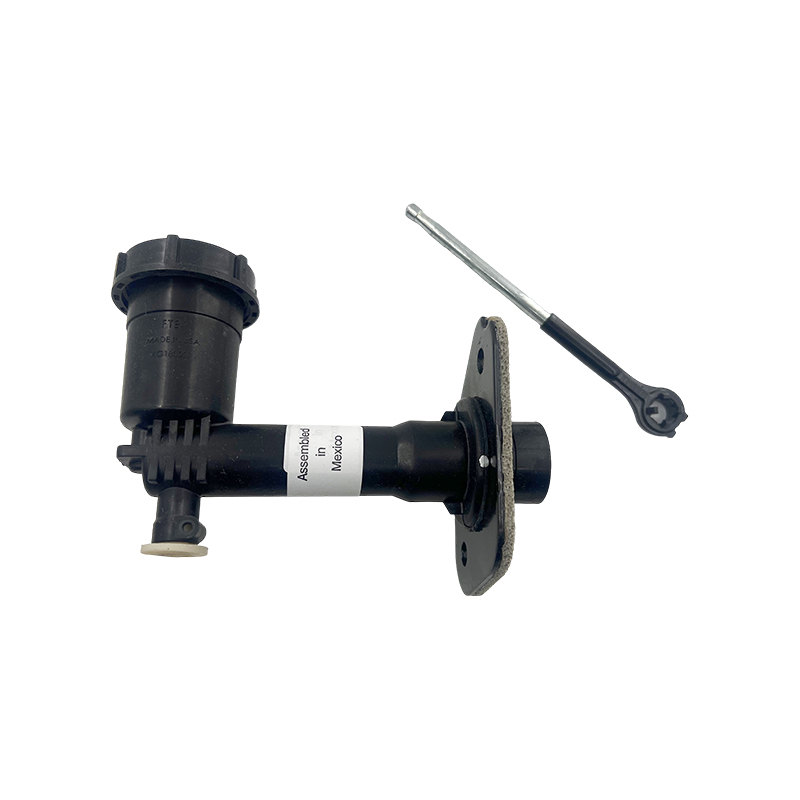
This clutch master cylinder stands out thanks to its special anti-corrosion coating on the cylinder body. While it performs the same core job — conver...
See Details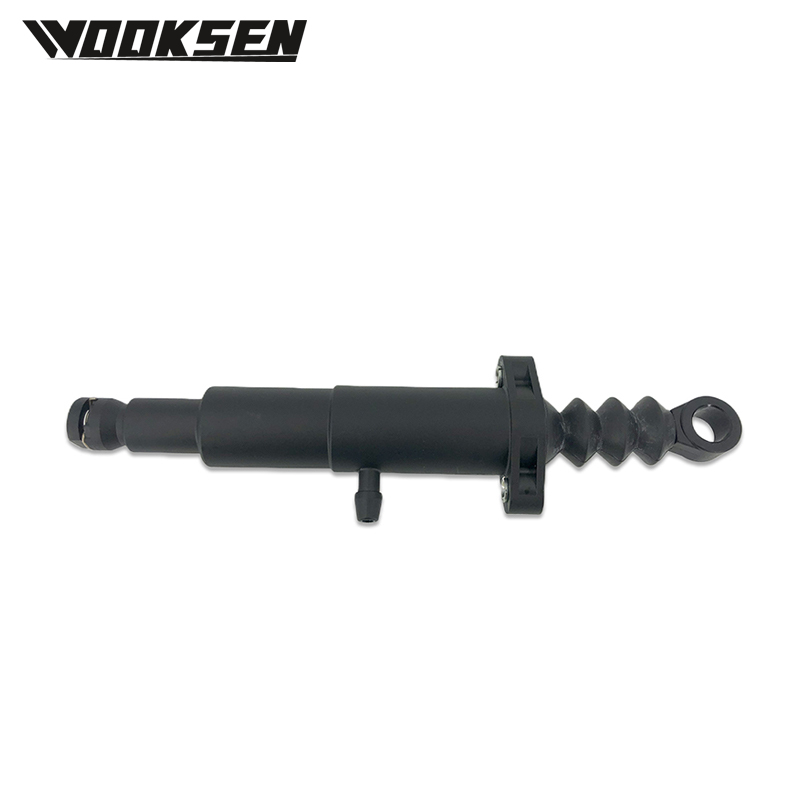
The reinforced hydraulic clutch master cylinder is a critical hydraulic control component within the clutch systems of Mercedes-Benz heavy-duty commer...
See Details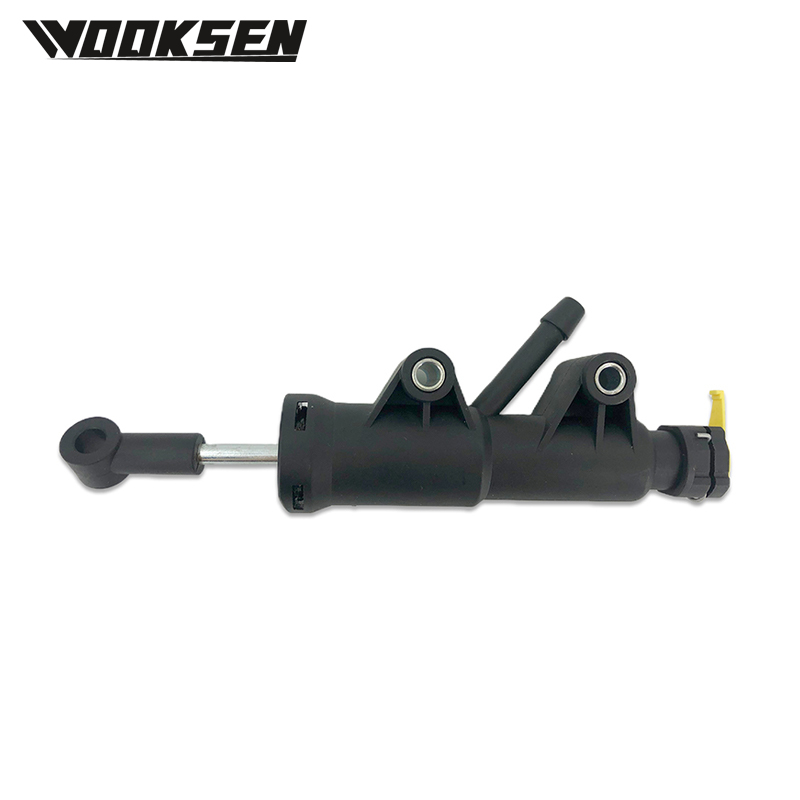
The hydraulic clutch master cylinder with an engineering plastic housing is the "unsung hero" of the clutch system in the Mercedes-Benz Sprinter serie...
See Details
From clutches to brakes, we ensure the safety and performance of every vehicle.
© Wenzhou Xusen Auto Parts Co., Ltd.
Car Clutch And Brake Assembly Suppliers
