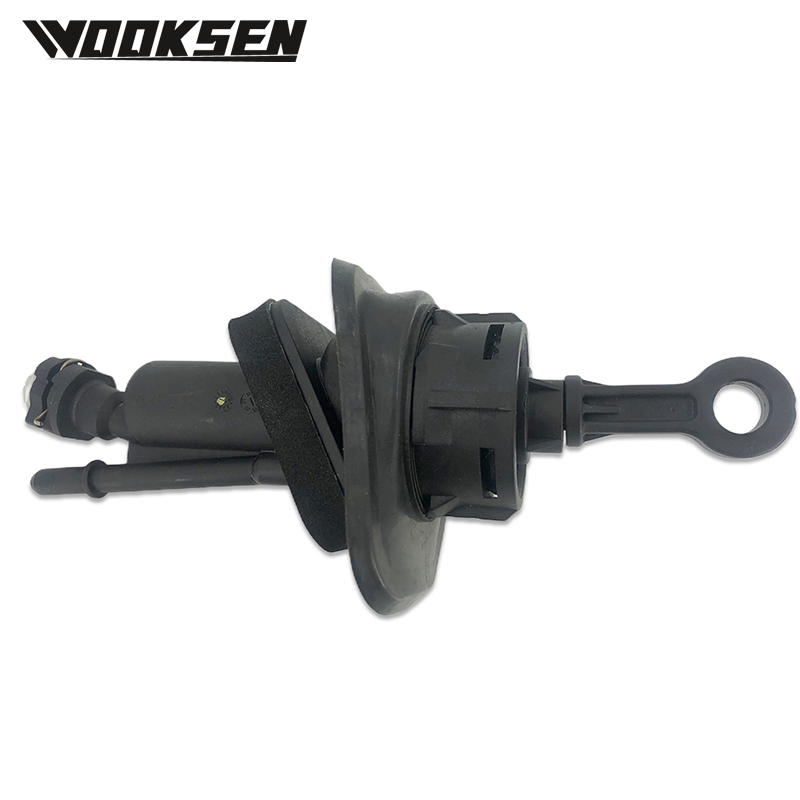
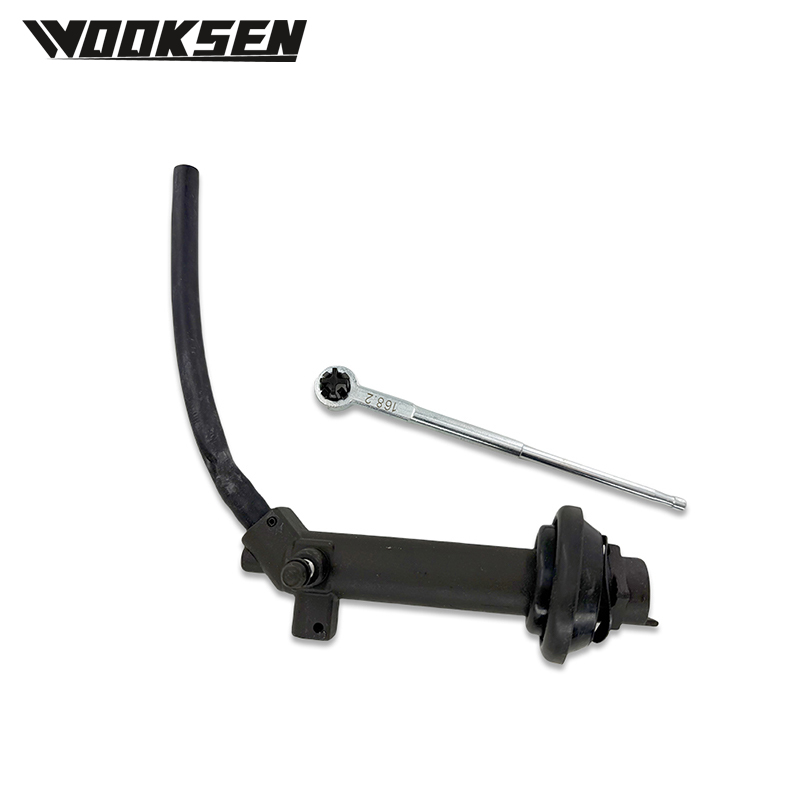
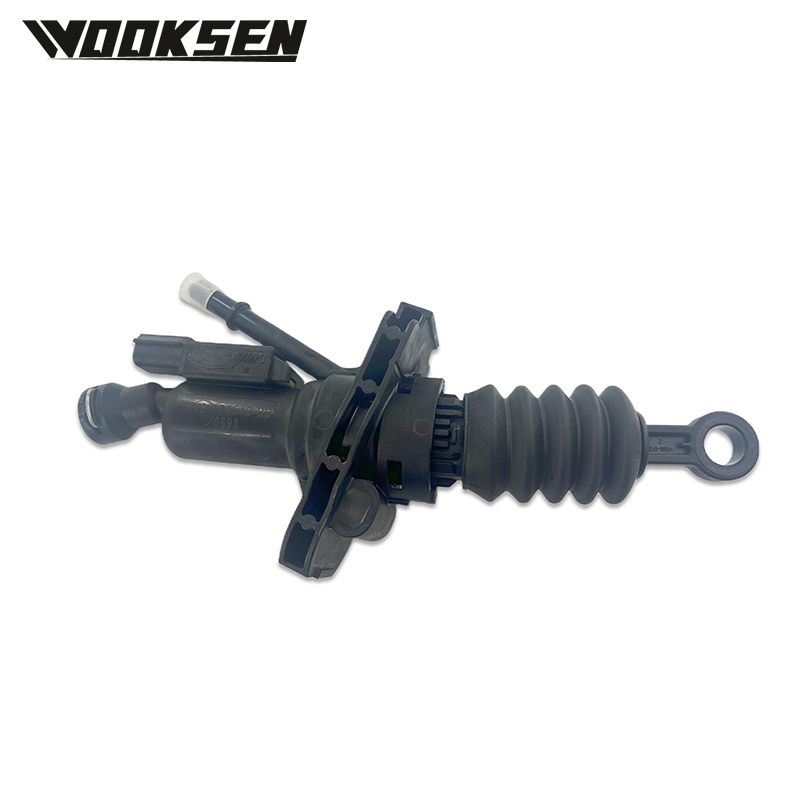
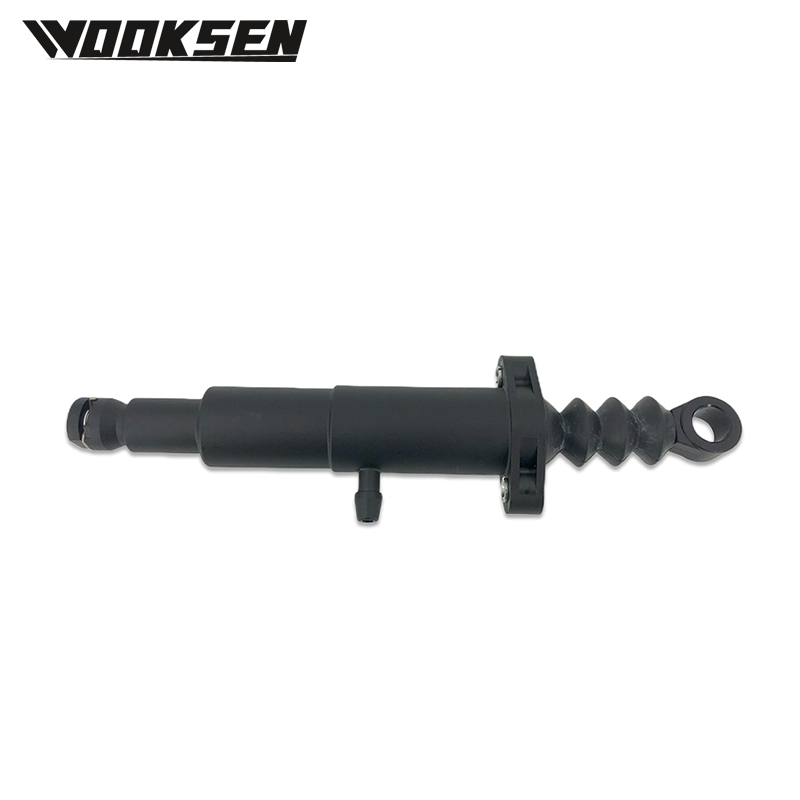
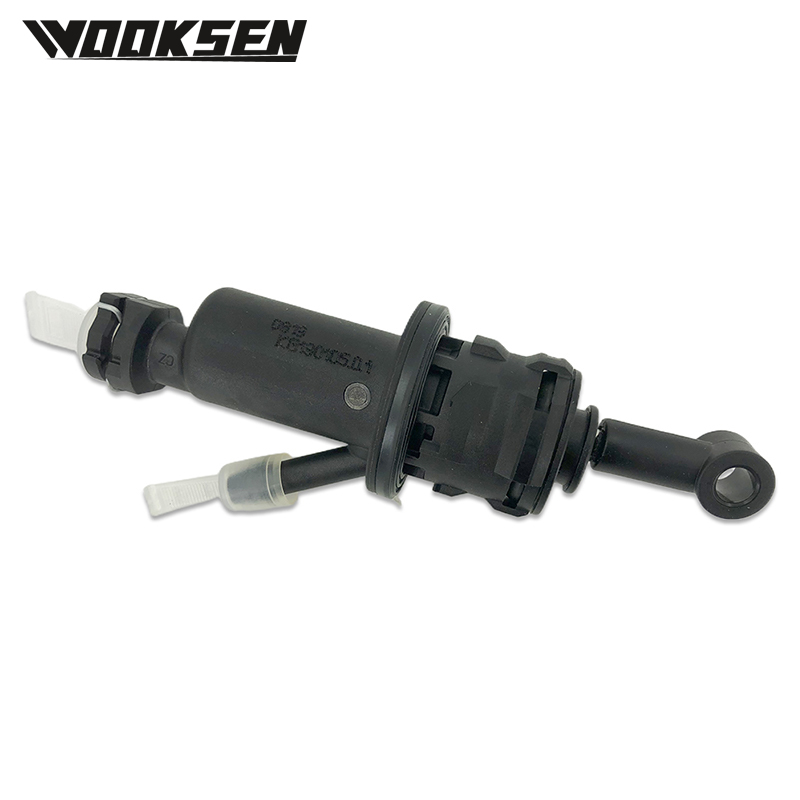
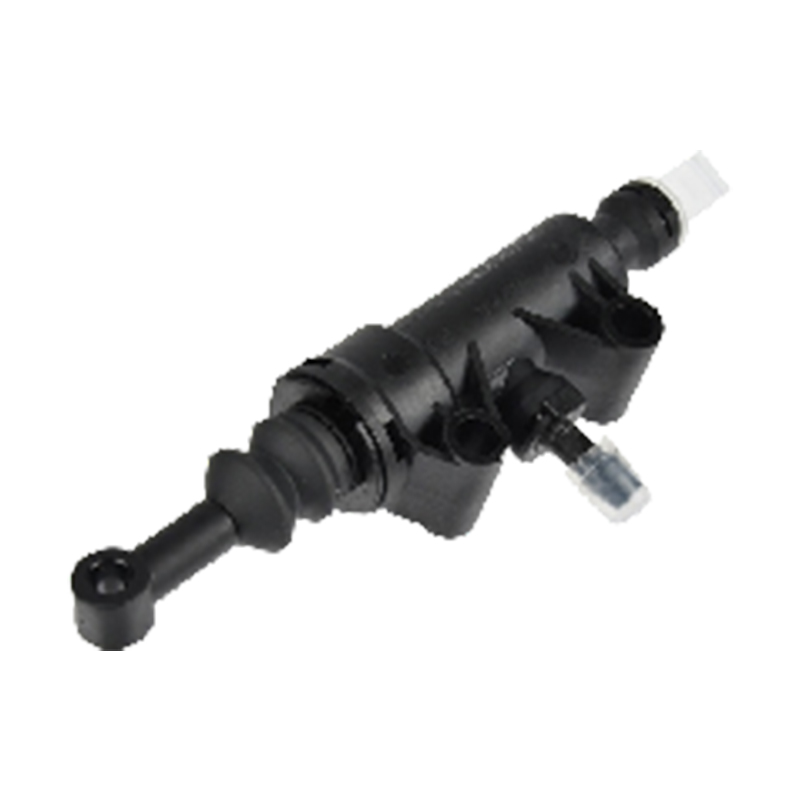
The 31470-0K020 Clutch Slave Cylinder is a hydraulic clutch component designed to convert hydraulic pressure into mechanical movement. It plays a small but important role in the clutch system, helping transfer the driver's pedal input toward the clutch release mechanism.
What Does a Clutch Slave Cylinder Do?
A clutch slave cylinder works as part of a hydraulic clutch system. When the clutch pedal is pressed, the clutch master cylinder generates hydraulic pressure. That pressure travels through the hydraulic line and reaches the slave cylinder.
Inside the slave cylinder, hydraulic pressure pushes a piston. The piston then moves a push rod or related release component. This movement helps disengage the clutch, separating the engine's power flow from the transmission during gear changes.
The 31470-0K020 Clutch Slave Cylinder therefore acts as a link between hydraulic pressure and clutch movement. Although the component is compact, its piston travel and pressure response influence how the clutch release mechanism operates.
Key Construction Features
A clutch slave cylinder generally contains a metal cylinder body, piston, seal elements, push rod, and hydraulic connection. Each part has a specific role in controlling fluid pressure and mechanical movement.
The cylinder body provides the main chamber for the hydraulic piston. The piston responds to pressure from the clutch fluid, and the seal helps keep hydraulic pressure contained inside the working chamber.
The mounting structure is also important. A cylinder needs to sit in the correct position relative to the clutch release mechanism. Small differences in mounting dimensions or piston travel can affect compatibility.
For buyers searching for 31470-0K020 Clutch Slave Cylinder, checking the part number against the vehicle application and original component remains an important step before placing an order.
Why Part Number Matching Matters
Automotive hydraulic components can look similar even when their dimensions or applications differ. A clutch slave cylinder may share a similar shape with another model but have a different mounting pattern, hydraulic port position, piston diameter, or push-rod length.
The number 31470-0K020 provides a specific reference for identifying the intended component. Buyers can use this number when communicating with suppliers, comparing replacement components, or organizing automotive parts inventories.
Part-number matching also helps reduce confusion when several clutch components are used across different vehicle configurations.
Hydraulic Response and Clutch Feel
The relationship between hydraulic pressure and piston movement influences clutch pedal response. When the driver presses the pedal, fluid pressure reaches the slave cylinder and creates piston movement.
The piston must travel far enough to activate the clutch release mechanism. Its movement needs to correspond with the design of the surrounding clutch components.
This is why dimensions are important when evaluating a 31470-0K020 Clutch Slave Cylinder. Bore size, piston travel, mounting dimensions, and hydraulic port design can all influence how the component interacts with the clutch system.
Considerations for Automotive Parts Buyers
When sourcing this type of clutch component, buyers should focus on part-number accuracy, dimensional compatibility, material construction, hydraulic connection design, and intended vehicle application.
For wholesale and export orders, suppliers may also need clear product information for catalog listings. Including the part number, component name, application details, mounting information, and packaging specifications can make product identification easier for purchasing teams.
The 31470-0K020 Clutch Slave Cylinder illustrates how a relatively compact hydraulic component can have a direct role in clutch operation. Its function depends on accurate interaction between hydraulic pressure, piston movement, and the clutch release mechanism.

 English
 русский
 Español
 عربى
عربى