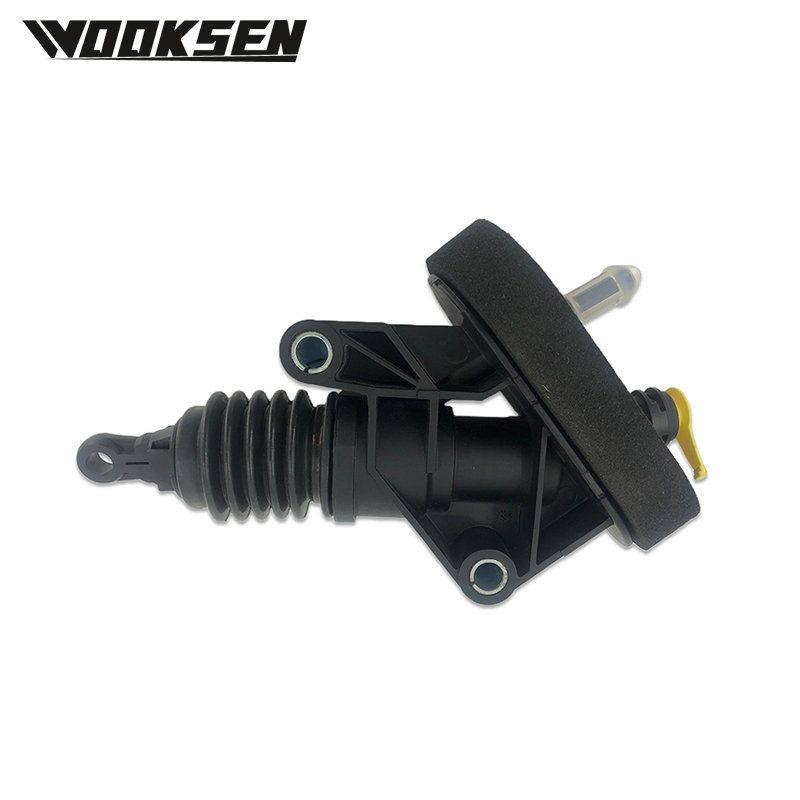
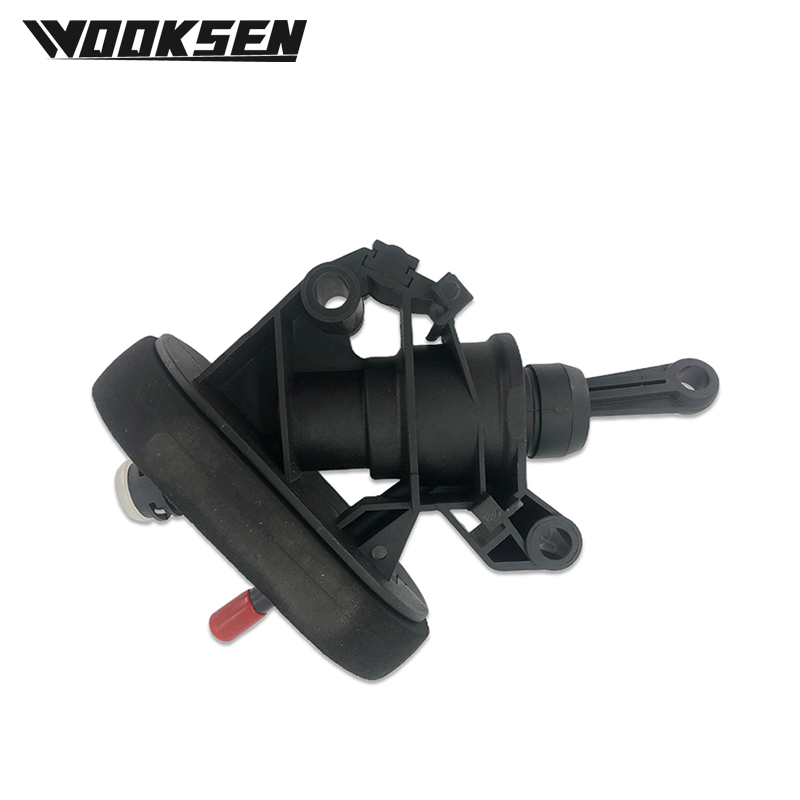
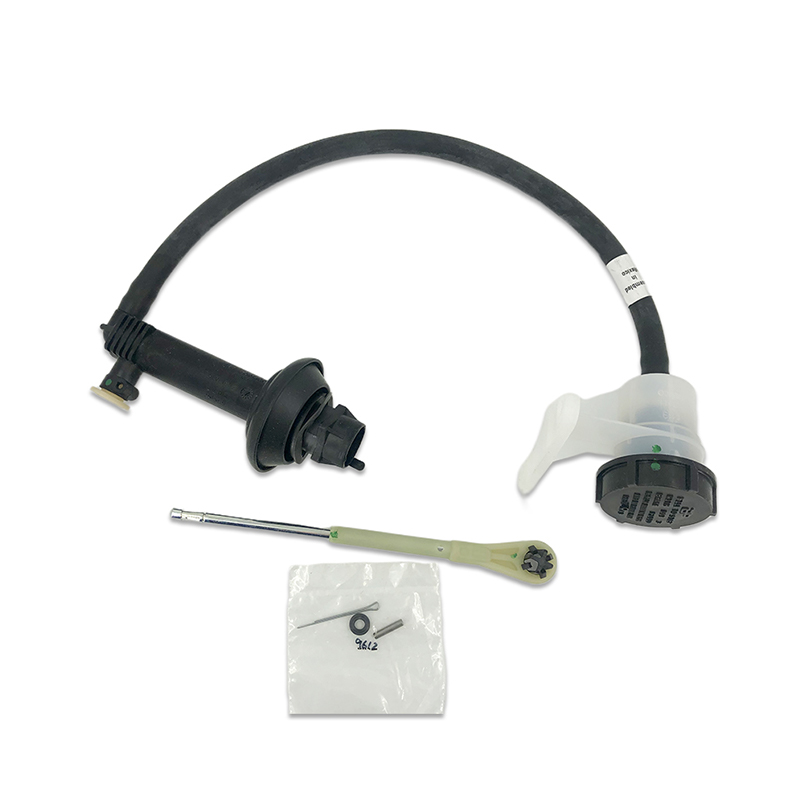
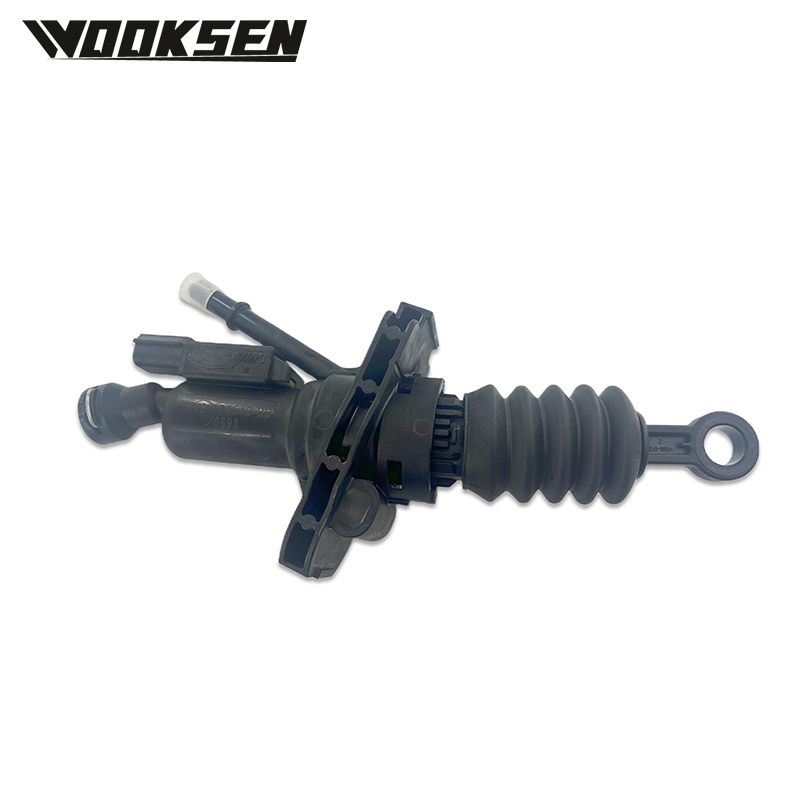
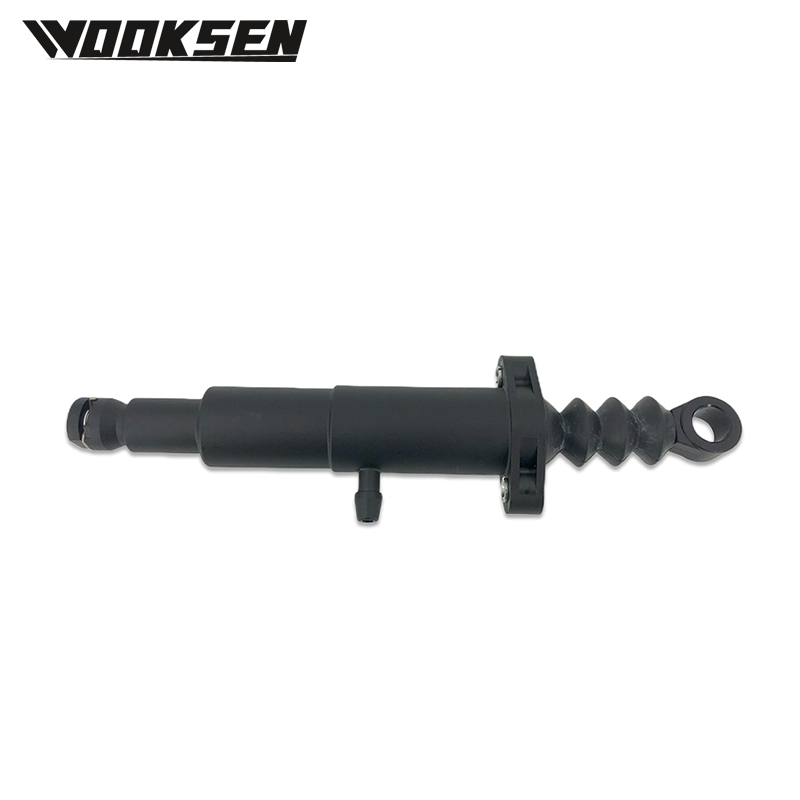
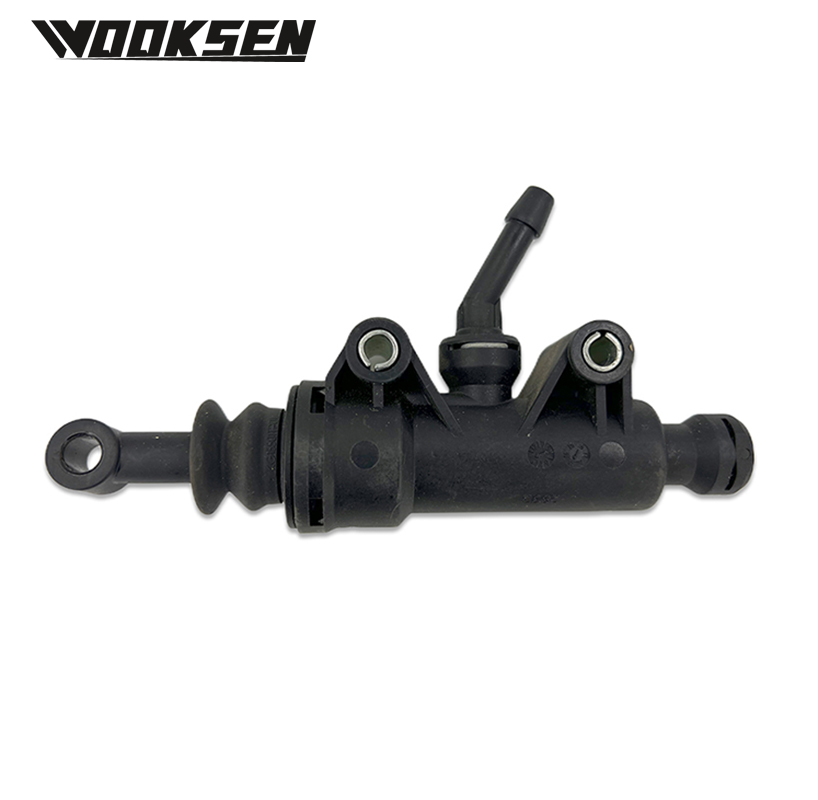
Classic vehicle owners often dig into original part numbers when restoring older trucks and cars. One number that keeps turning up in conversations about rear drum brakes is 8M-2261-A Brake wheel cylinder. This component belongs to a specific era of American vehicles and continues to interest people who value period-correct hardware.
Understanding the Role of the Wheel Cylinder
In a drum brake system the wheel cylinder sits inside the brake drum and converts hydraulic pressure into mechanical force. When the driver presses the brake pedal, fluid travels through the lines and pushes pistons outward in the cylinder. Those pistons press the brake shoes against the drum, creating the friction that slows the vehicle.
The unit features a bore size that matches the original engineering specifications for those applications. Its body and internal seals were built to handle the pressures common in vehicles of that period. Because the part sits in a relatively protected but still exposed location, it had to resist the usual road contaminants of its time while delivering consistent piston movement.
Vehicles That Used This Cylinder
8M-2261-A Brake wheel cylinder appears in documentation for several Ford and Mercury models. It fits the right rear position on 1948-1952 Ford F-1 trucks and the 1953-1954 F-100. It also matches 1949-1951 Mercury passenger cars. These vehicles relied on hydraulic drum brakes at all four corners, and the rear cylinders played a key part in balanced stopping performance.
Owners restoring these trucks or cars often look for components that preserve the original layout. The 8M-2261-A Brake wheel cylinder designation helps them confirm they have the correct orientation and size for the right rear corner. Matching left-side cylinders exist under related numbers, allowing a complete rear axle set when needed.
Construction and Everyday Function
The cylinder body is typically cast metal with carefully machined bores. Inside, pistons, cups, and springs work together to respond quickly to changes in fluid pressure. When pressure rises, the pistons move outward; when the driver releases the pedal, springs and residual pressure help return them. This simple yet effective design supported reliable daily driving for thousands of vehicles during their original production years.
Because the part is specific to the right rear location, the bleeder screw and fluid inlet orientations follow the packaging requirements of those chassis. Installers appreciate that the mounting points and fluid connections line up with the original backing plates, reducing the need for modifications.
Practical Considerations for Owners
Anyone working on a vehicle that calls for this cylinder benefits from confirming the exact year, model, and side before ordering. The right-rear designation matters because the left side uses a different casting or orientation. Checking the backing plate and existing hardware against known dimensions helps avoid mix-ups.
Once installed, the cylinder becomes part of a larger hydraulic circuit that includes the master cylinder, lines, and the other three wheel cylinders. Balanced operation across the system supports even shoe application and predictable pedal feel. Owners who keep their classic trucks or cars on the road value that consistency.
A Part Tied to a Specific Era
8M-2261-A Brake wheel cylinder belongs to a time when American light trucks and family cars shared many mechanical features. Hydraulic drum brakes were the standard, and components were engineered for the weights and speeds of those vehicles. The survival of the original part number decades later shows how carefully some owners document and preserve the systems on their classics.
Whether the goal is a full restoration or simply keeping a working truck reliable, the 8M-2261-A Brake wheel cylinder remains a recognized reference point. It connects today’s drivers and builders with the engineering choices made for 1948-1954 Ford trucks and 1949-1951 Mercury cars. That connection keeps the number relevant long after the original production lines closed.

 English
 русский
 Español
 عربى
عربى