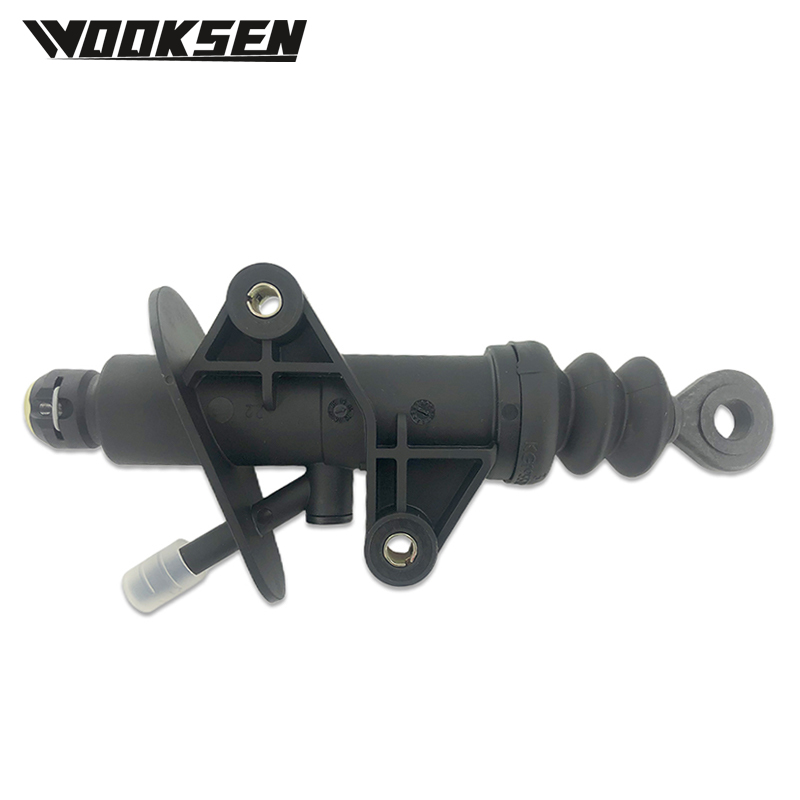
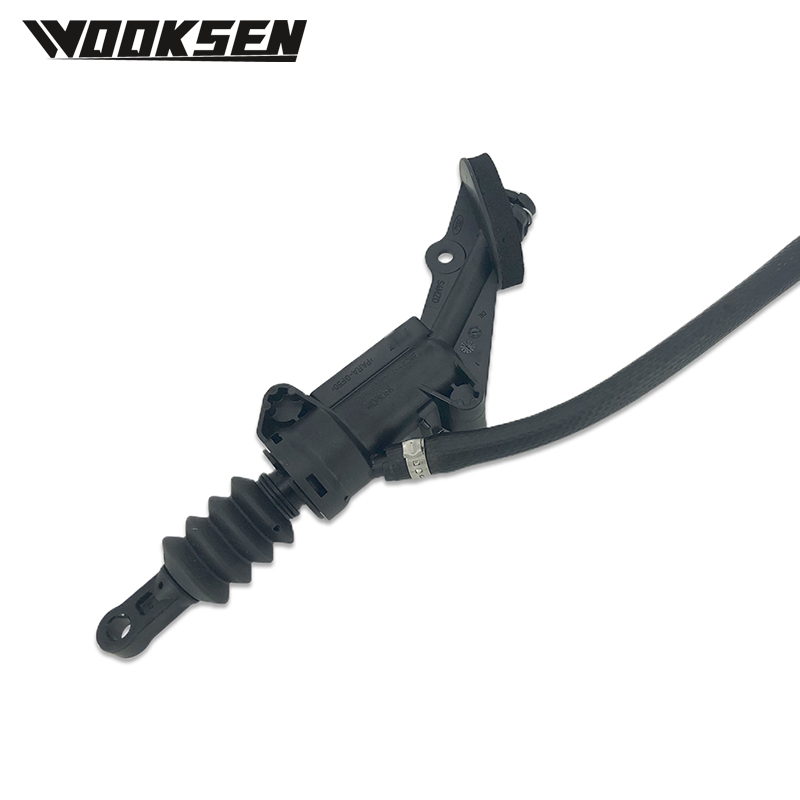
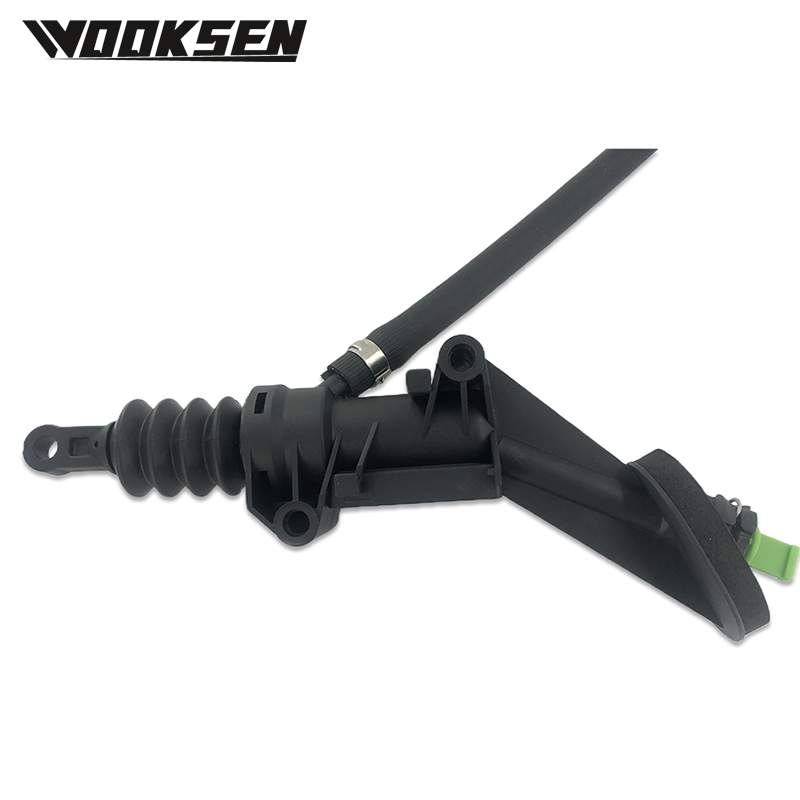
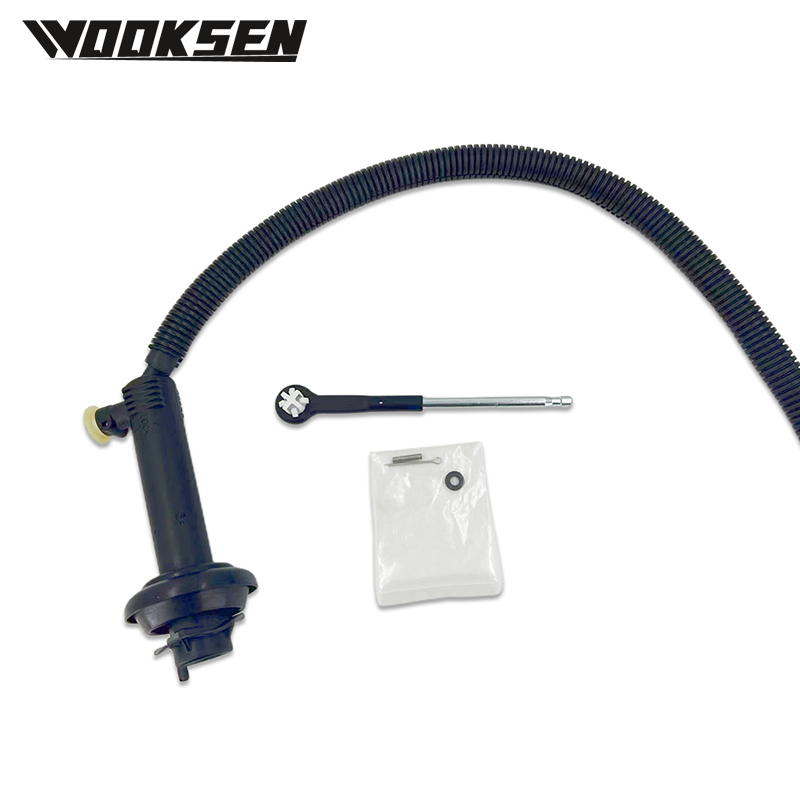
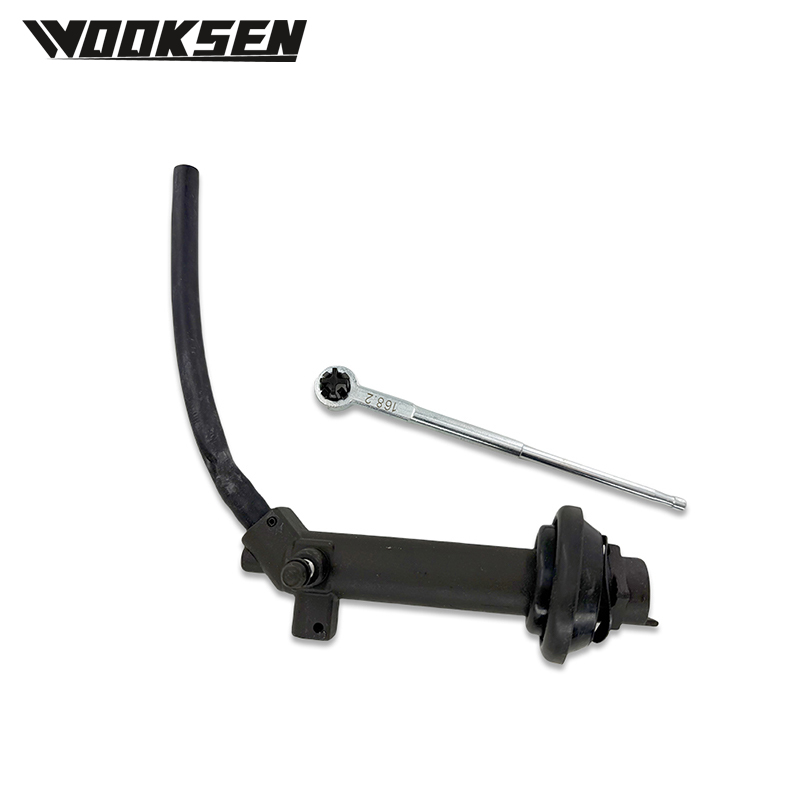
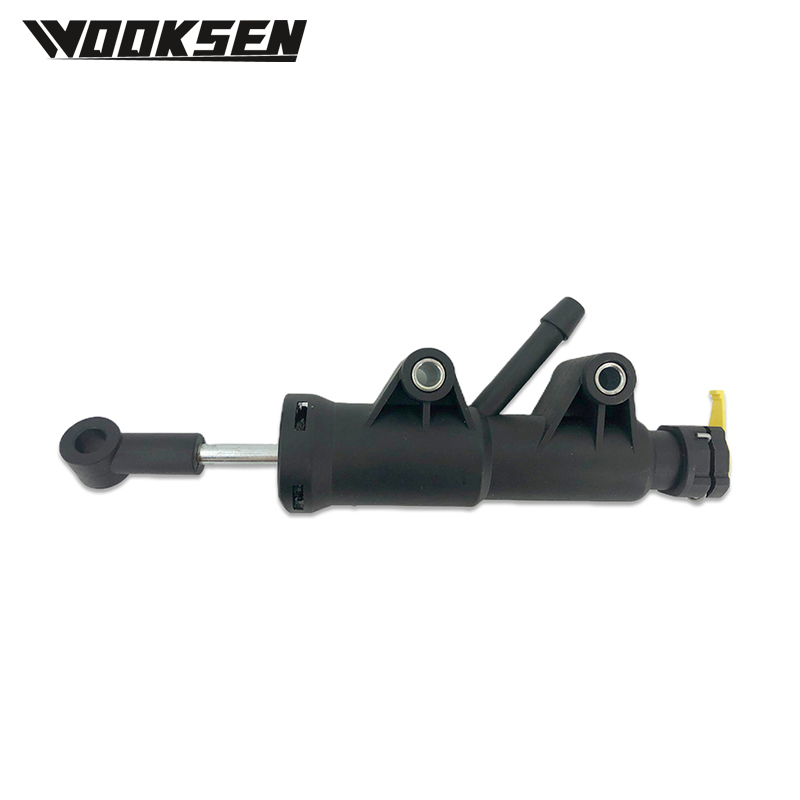
A stalled clutch pedal rarely announces itself politely. One day it feels fine, the next it sinks to the floor with no resistance at all, and the driver is left guessing what happened underneath the dash. For a lot of Ford-platform vehicles, the answer traces back to a small hydraulic component identified by the part number XS61-7A543-AD — a clutch pump built to keep pressure moving between the pedal and the transmission fork.
What the Part Actually Does
The clutch pump, sometimes called a clutch master cylinder, sits at the base of the clutch pedal assembly. When the driver presses the pedal, the pump converts that mechanical push into hydraulic pressure, sending fluid through a line to the slave cylinder near the transmission. That pressure is what disengages the clutch disc, letting the driver shift gears without grinding metal on metal. Without a working pump, the pedal either goes soft, sinks without resistance, or stops transmitting force altogether.
The XS61-7A543-AD Clutch pump designation points to a specific bore size, mounting pattern, and fluid port arrangement matched to certain Ford models from a defined production window. Getting that fitment right matters more than most people expect — a pump that's close but not exact can still bolt in, yet leave the pedal feel wrong or introduce a slow leak that's hard to trace.
Where It Shows Up in the Real World
This isn't a part that lives on a shelf out of curiosity. Independent repair shops order it when a customer reports a spongy or unresponsive clutch pedal. Fleet operators running manual-transmission trucks or vans keep spares on hand because downtime on a delivery route costs more than the part itself. Salvage and rebuild businesses use it when restoring a drivetrain section for resale, and parts distributors carry it as one line among many in a broader clutch hydraulics catalog.
Weather and driving habits both play a role in how often this component gets replaced. Stop-and-go city driving with frequent gear changes puts more cycles on the pump than highway commuting does, so buyers in delivery-heavy or urban fleet segments tend to reorder more consistently.
Why Buyers Keep This One in Stock
Ask a shop manager why they stock a specific clutch pump instead of ordering it as needed, and the answer usually comes down to turnaround. A customer with a dead clutch pedal isn't calling to schedule a visit next week — they need the car moving again, often the same day. Having XS61-7A543-AD Clutch pump already on the shelf means the diagnosis-to-repair window shrinks from days to hours.
There's also a practical matching concern. Clutch hydraulics are a system, not a single part, and pairing the wrong pump with an existing slave cylinder or fluid reservoir can create pressure inconsistencies that are hard to pin down later. Buyers who deal with Ford platforms regularly tend to standardize on parts they've already tested against known vehicle configurations, which reduces callbacks and repeat diagnostics.
Frequently Asked Questions
Q1: Does this pump work with both left-hand and right-hand drive setups?
Fitment depends on the specific vehicle configuration tied to the part number, so it's worth confirming against the exact model and production year before ordering.
Q2: What are the signs that this part needs replacing rather than just the fluid?
A pedal that feels soft even after a fluid top-off, or one that sinks slowly to the floor and stays there, usually points to the pump itself rather than air in the lines.
Q3: Can XS61-7A543-AD Clutch pump be installed without removing other drivetrain components?
In most vehicle layouts the pump is accessible from the pedal assembly side, though the exact steps vary by model and aren't something to generalize across every configuration.
Q4: Is bench bleeding necessary before installation?
Pre-bleeding the unit on a bench before it goes into the vehicle tends to make the final bleed process at the pedal noticeably faster and more reliable.

 English
 русский
 Español
 عربى
عربى