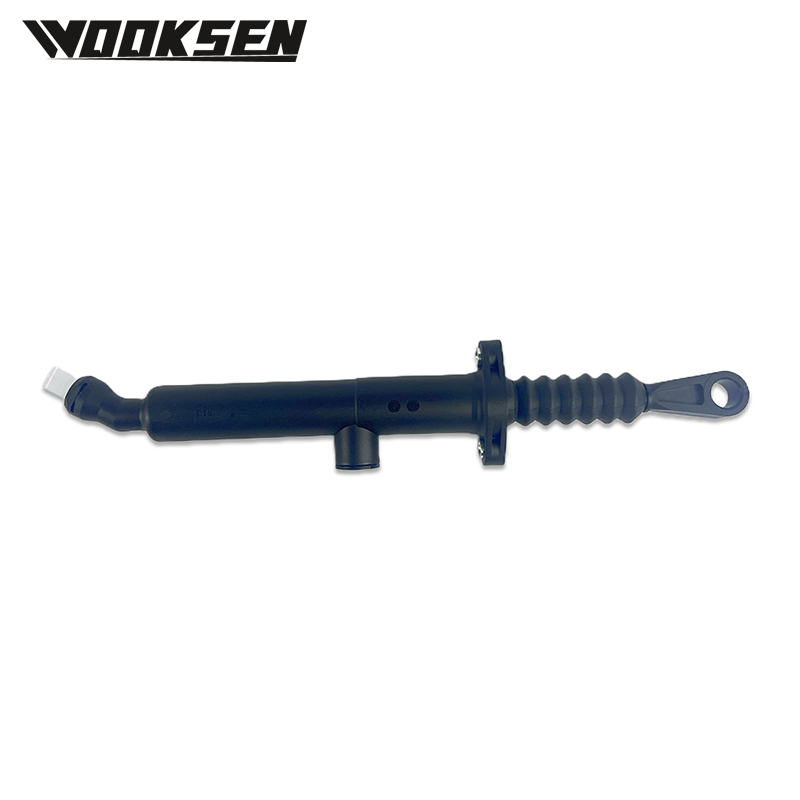
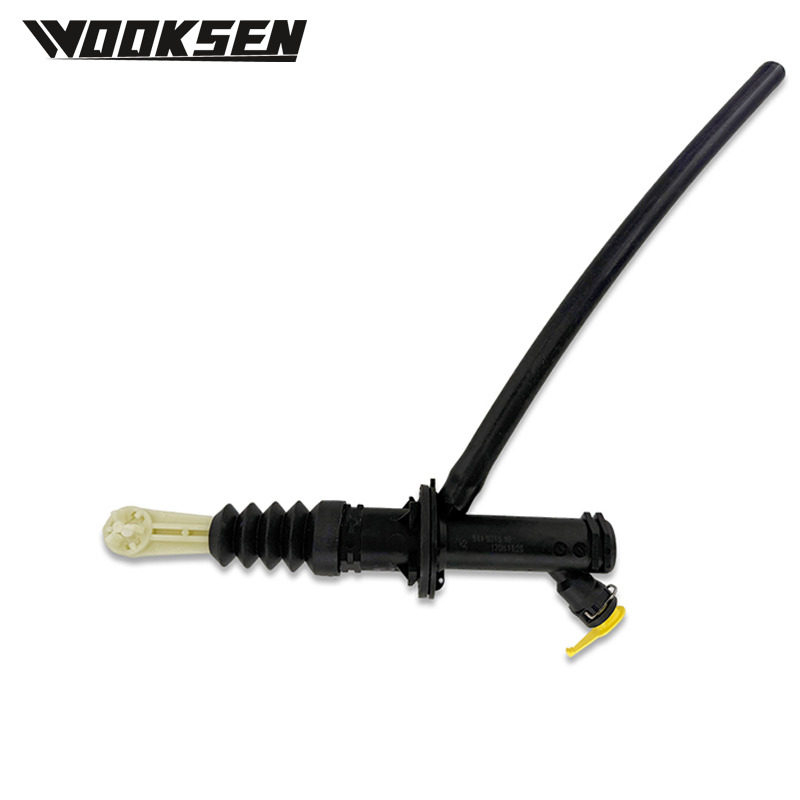
Understanding the Role of the 46100-SDB-A01 Brake Pump in Everyday Driving
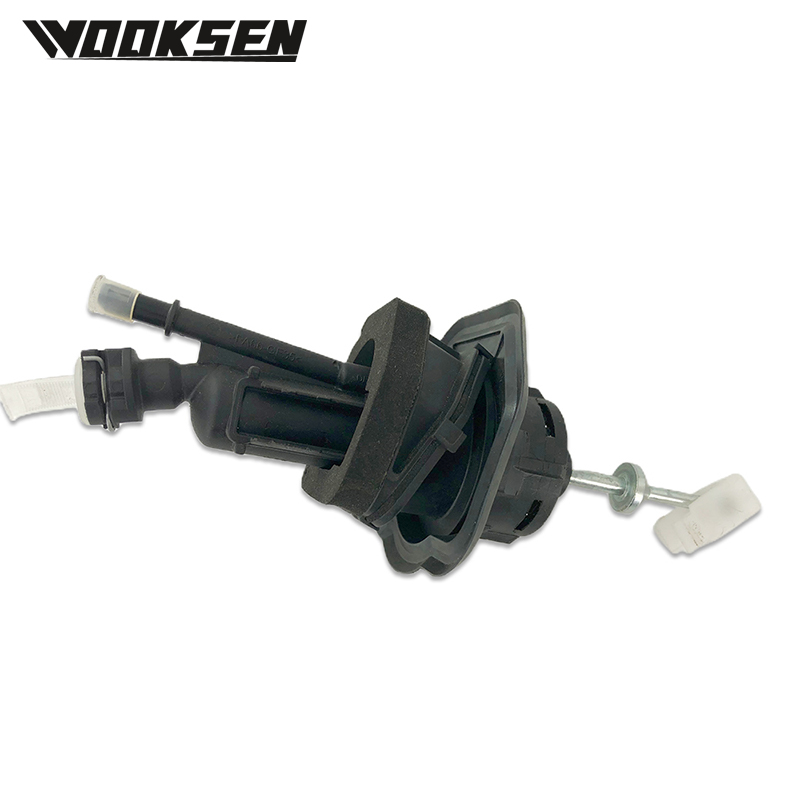
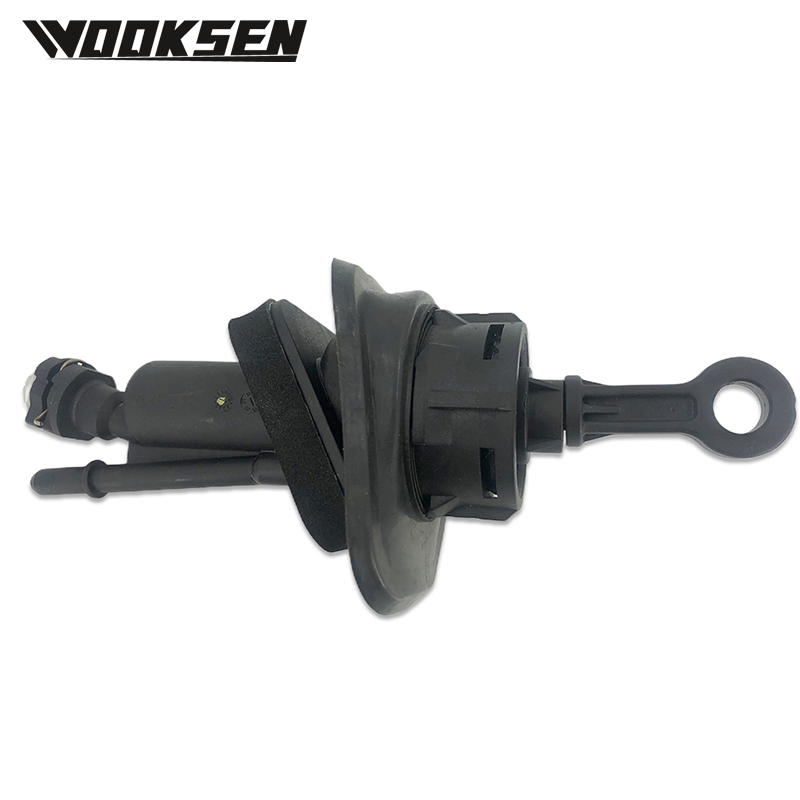
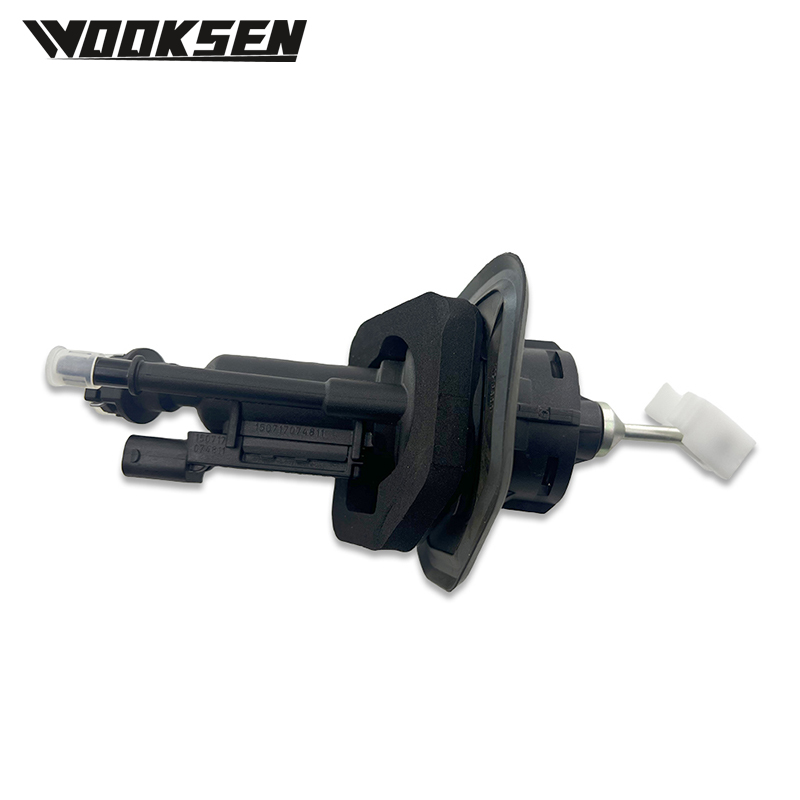
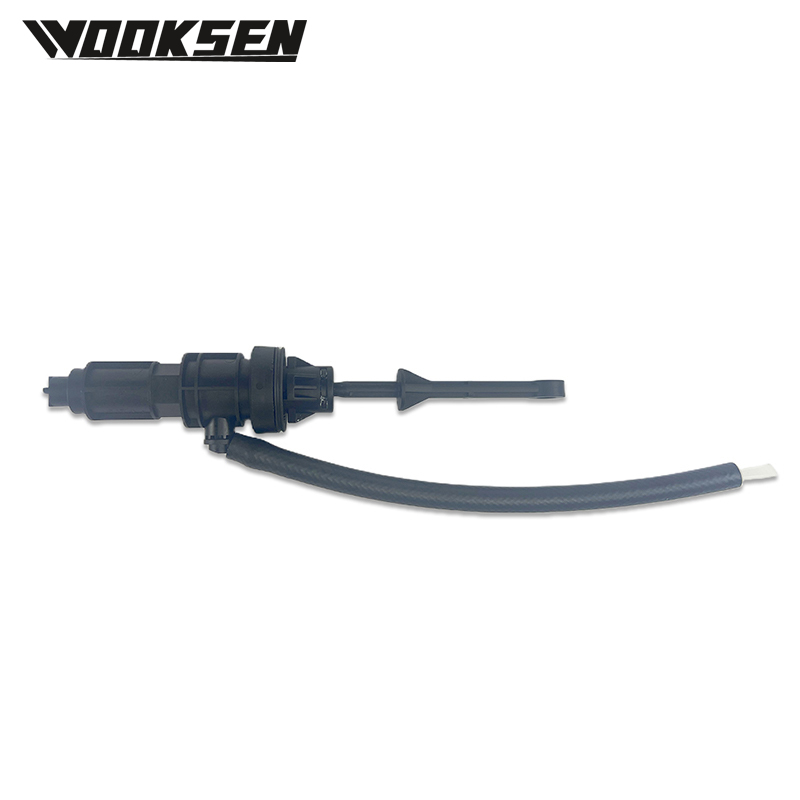
Drivers of certain mid-2000s Honda and Acura models often encounter the need for a specific hydraulic component known as the 46100-SDB-A01 Brake pump. This part functions as the master cylinder in the braking system, converting the pressure from the driver’s foot on the pedal into hydraulic force that activates the brakes at each wheel. When the system operates smoothly, stopping distances remain consistent and the pedal feel stays firm under normal conditions.
The 46100-SDB-A01 Brake pump was originally designed for vehicles such as the Acura TL produced between 2005 and 2008 and the Honda Accord equipped with the 3.0-liter V6 engine from 2005 to 2007. These cars share a similar platform and braking architecture, which is why the same part number appears across both nameplates. Over time, an updated version of the same component became available, yet many owners and repair shops still search for the original designation when matching parts catalogs or older service records.
How the Hydraulic System Relies on This Component
Inside the unit, a piston moves within a carefully machined bore when the brake pedal is pressed. Brake fluid is forced through the outlet ports toward the calipers or wheel cylinders. The bore size measures approximately 13/16 inch, or 20.64 millimeters, a dimension that matches the hydraulic requirements of the vehicles listed above. Aluminum construction keeps the weight reasonable while providing the strength needed to handle repeated pressure cycles during daily driving and occasional hard stops.
Because the 46100-SDB-A01 Brake pump sits at the heart of the hydraulic circuit, any internal wear, seal degradation, or fluid contamination can change the way the brakes respond. Soft pedal feel, longer travel before the brakes engage, or uneven stopping are common signs that attention may be required. Replacing the unit restores the designed pressure generation and helps maintain predictable vehicle behavior.
Material Choices and Manufacturing Approach
Most versions of this part use aluminum alloy for the main body. The material offers a balance of corrosion resistance and structural integrity under the heat generated during repeated braking. Threads for the fluid lines and mounting points are cut with precision so that the unit bolts into place without modification on the intended models. Surface treatments help the exterior resist the under-hood environment, where temperature swings and road moisture are routine.
Technicians who work on these cars note that the mounting pattern and port locations of the 46100-SDB-A01 Brake pump align directly with the factory bracket and hard lines. This direct-fit characteristic reduces installation time and avoids the need for adapters or custom fabrication. Once the fluid is bled correctly, the system returns to its original operating characteristics.
Supporting Consistent Brake Response
A properly functioning master cylinder contributes to the overall sense of control drivers expect. Firm pedal feedback, even application of force at all four corners, and predictable stopping distances all depend on the hydraulic pressure generated by this component. By restoring the original pressure characteristics, the 46100-SDB-A01 Brake pump helps the rest of the braking system perform as designed under a wide range of driving conditions.
In daily use the part operates quietly and without drama, which is exactly what most drivers prefer. Attention to fluid condition and periodic inspection of the surrounding lines and reservoirs further supports long-term reliability of the entire circuit. When the time comes for replacement, selecting a unit that matches the original specifications keeps the vehicle’s braking response familiar and consistent.
This focused hydraulic component continues to play a quiet yet essential role for owners of the listed Honda and Acura models who value straightforward, reliable stopping power.

 English
 русский
 Español
 عربى
عربى