Understanding the Role of a Clutch Slave Cylinder
Changing gears involves more than moving a gear lever. In a hydraulic clutch system, several components work together to transfer the driver's input to the clutch mechanism. The clutch slave cylinder plays an important role in this process by converting hydraulic pressure into mechanical movement.
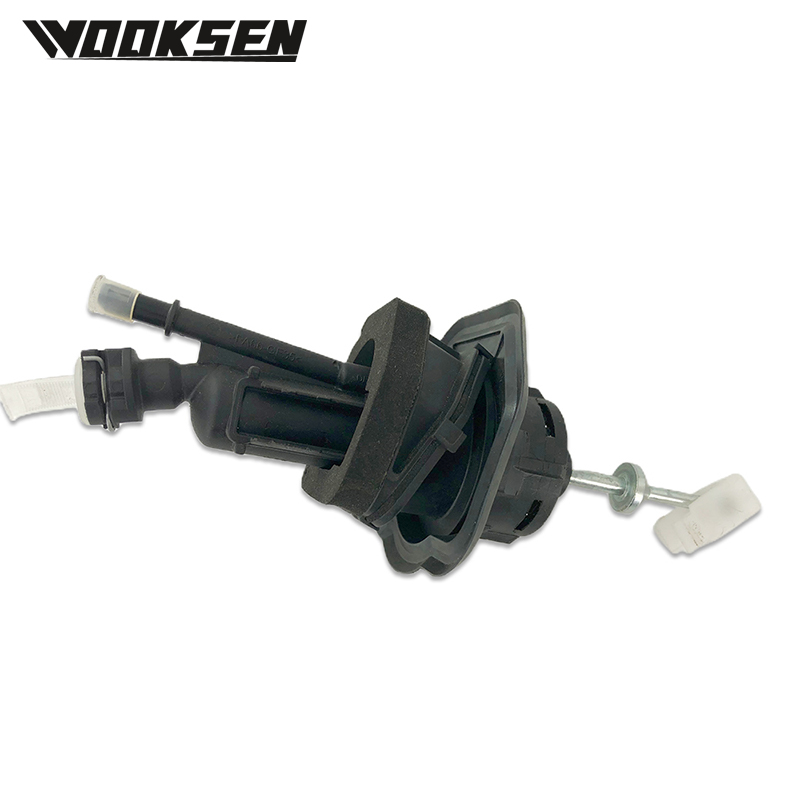
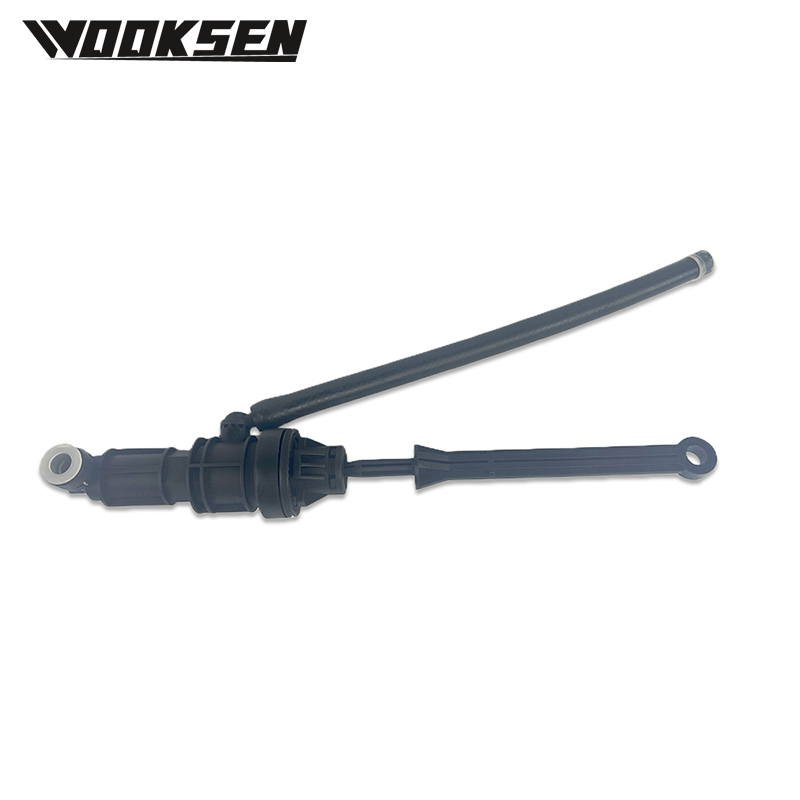
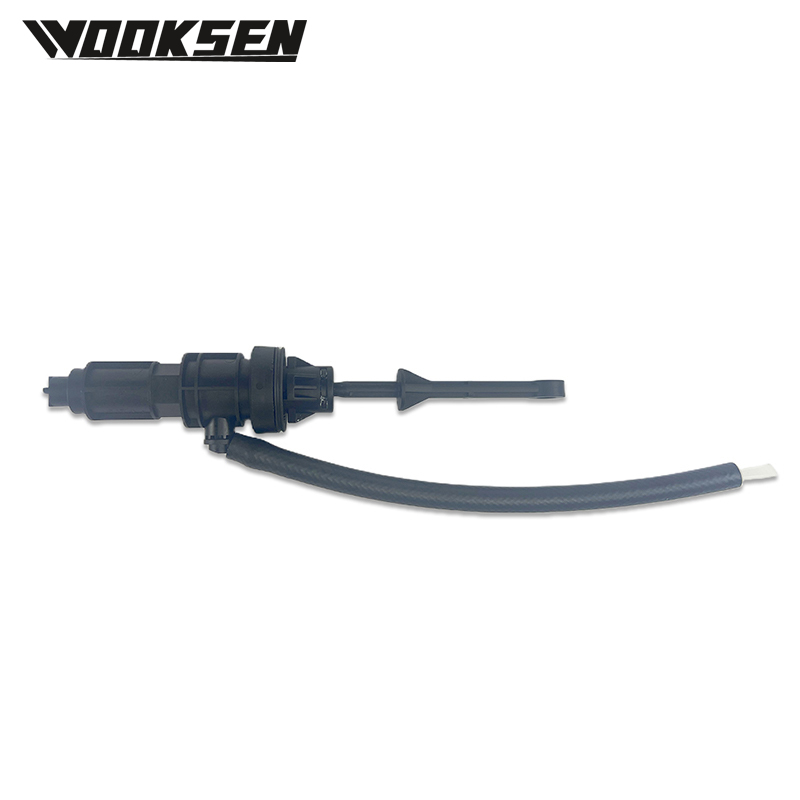
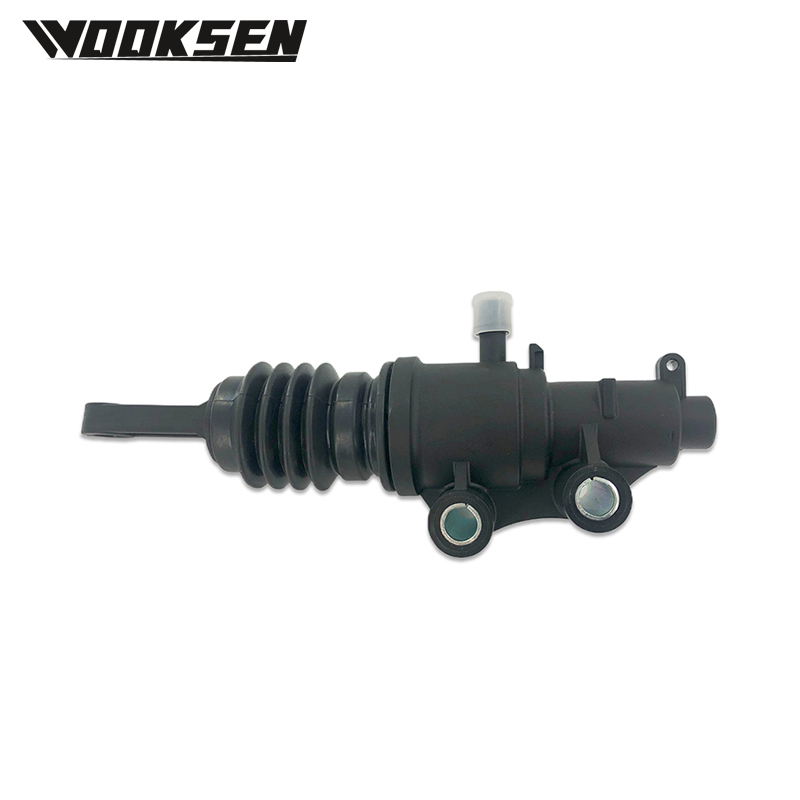
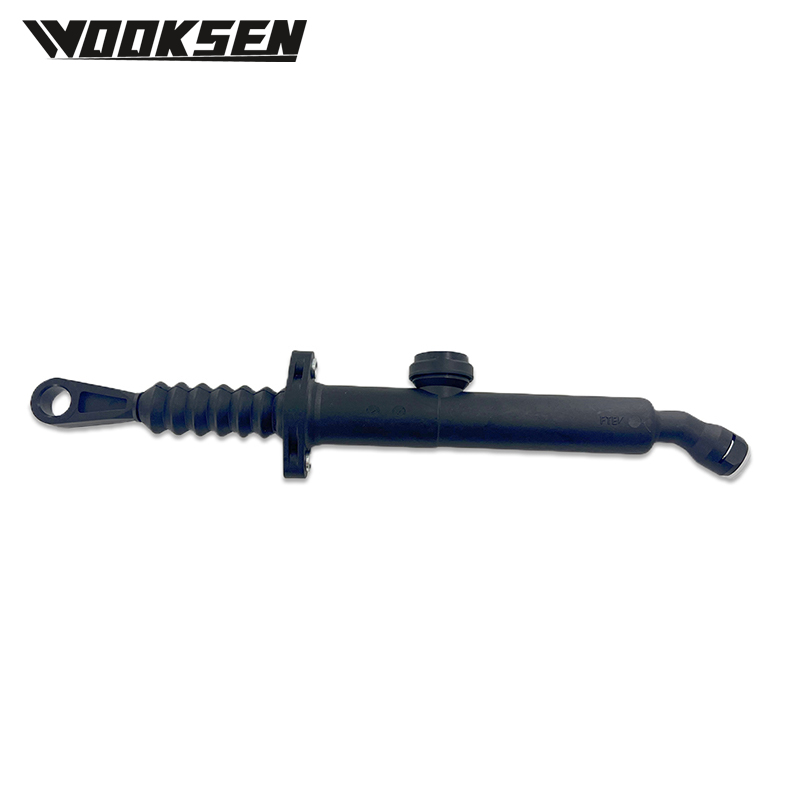
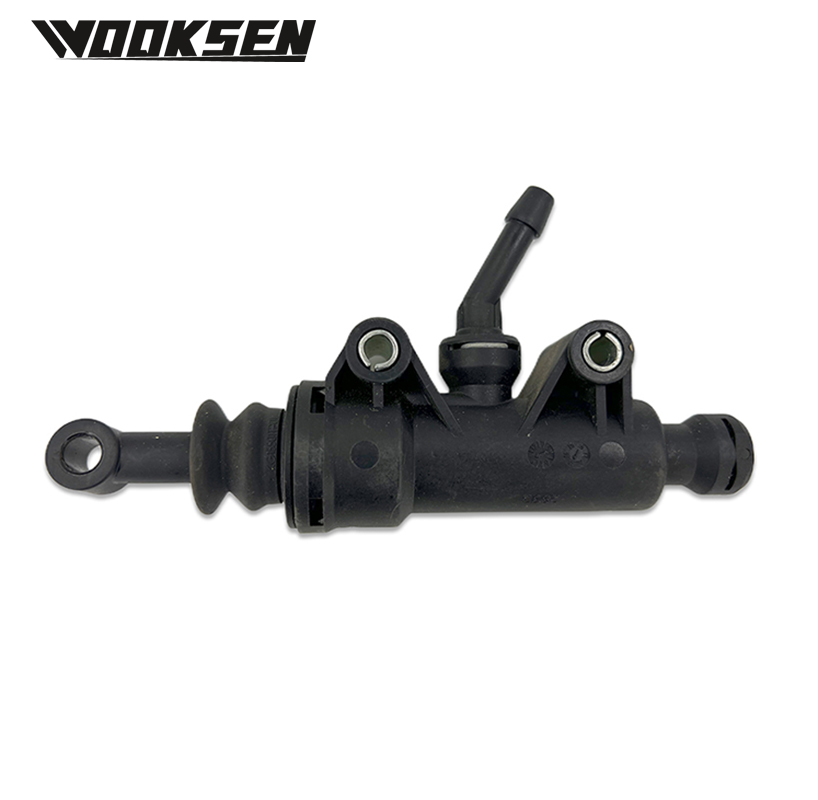
The 306202804R Clutch slave cylinder is a product identified by a specific part number. When sourcing this component, buyers need to confirm its intended vehicle application and compatibility rather than relying on the part number alone.
Clutch slave cylinders are used in different vehicle clutch systems, and their designs can vary according to the original equipment layout. Some are mounted externally near the transmission, while others are integrated into the clutch release assembly. Confirming the exact design is an important step when identifying a replacement part.
How Hydraulic Clutch Operation Works
A hydraulic clutch system transfers force through fluid pressure. When the driver presses the clutch pedal, the clutch master cylinder generates hydraulic pressure and sends it through the hydraulic line to the slave cylinder.
The slave cylinder responds to this pressure by moving a piston or release mechanism. This movement operates the clutch release system, allowing the engine and transmission to disengage temporarily so the driver can change gears.
When the pedal is released, the system returns toward its normal operating position. The exact movement and arrangement depend on the vehicle's clutch design.
For automotive parts distributors, understanding this function helps explain the role of the 306202804R Clutch slave cylinder to customers. It also helps distinguish the slave cylinder from related components, such as the clutch master cylinder, hydraulic line, and release bearing.
Product Quality and Component Design
The construction of a clutch slave cylinder affects how it fits into the hydraulic system and interacts with surrounding components. Housing design, piston arrangement, sealing elements, and fluid connection positions can vary between product models.
These details matter when a distributor compares replacement parts from different suppliers. A product needs to match the required specifications and intended application, not simply share the same general product name.
Packaging and product identification also matter in wholesale supply. Clear labels, part numbers, and organized product information help warehouse teams identify components and prepare orders accurately.
For suppliers serving repair businesses and automotive parts retailers, consistent product documentation can make communication easier. It allows customers to compare available options and clarify application details before placing an order.
Sourcing Needs Across the Automotive Aftermarket
The automotive aftermarket includes repair workshops, replacement-parts retailers, regional distributors, and importers serving different vehicle populations. Each business may have different requirements for clutch slave cylinders, depending on the vehicles it supports and the way it manages inventory.
Repair workshops often need a component that matches a specific vehicle. Retailers and wholesalers may need to organize products by part number, application, and product type to make identification easier for their customers.
For bulk orders, buyers may also discuss packaging requirements, order quantities, product labeling, and shipment arrangements with their suppliers. Businesses developing their own product ranges may ask about private labeling or OEM and ODM options, depending on the supplier's capabilities.
The 306202804R Clutch slave cylinder can be included in a product sourcing plan when its application has been confirmed. Accurate identification helps connect the requested component with the relevant customer and vehicle requirements.

 English
 русский
 Español
 عربى
عربى