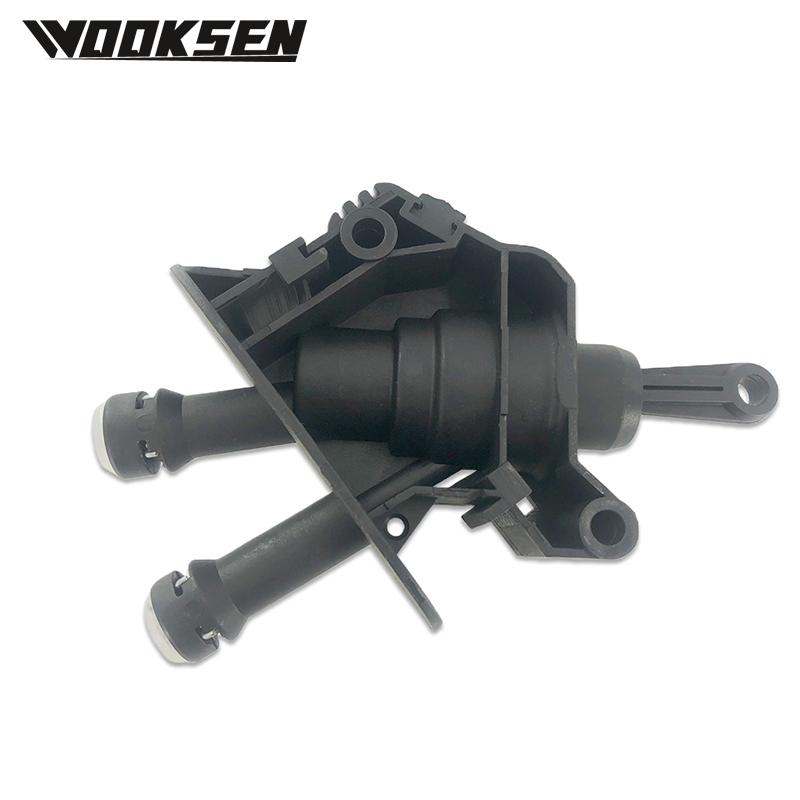
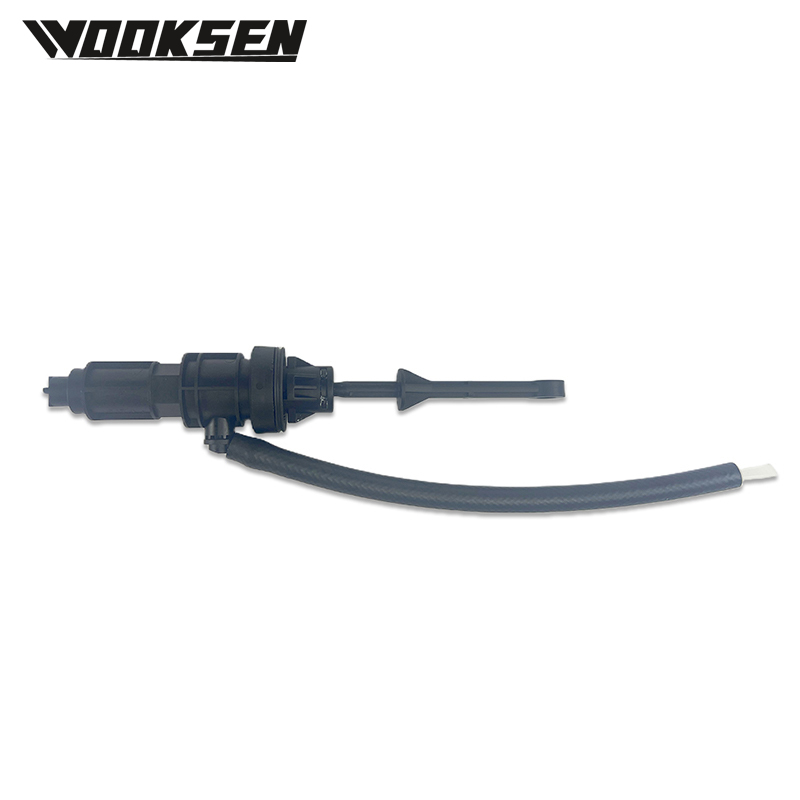
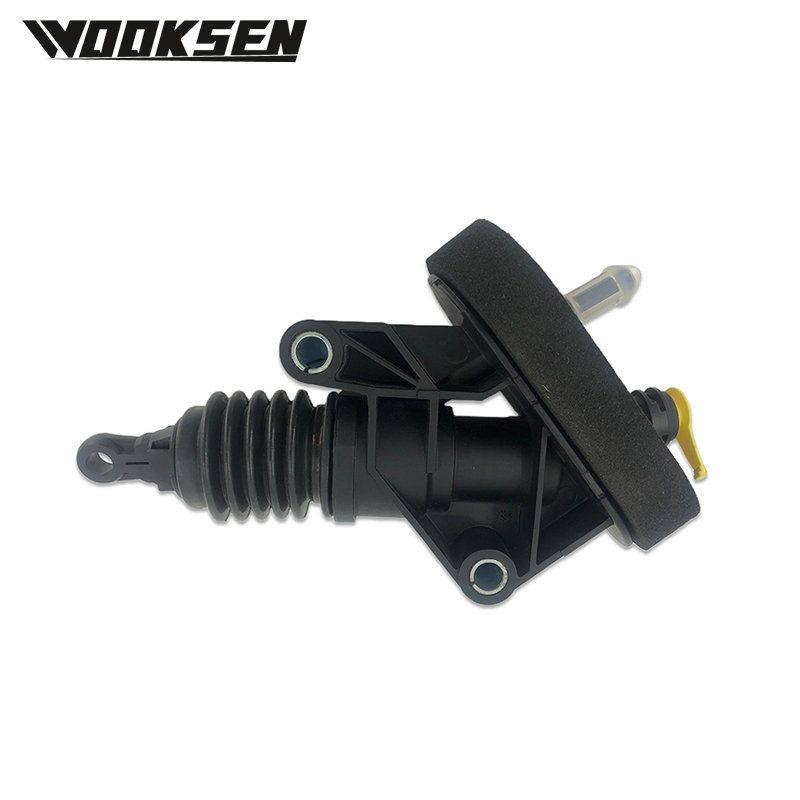
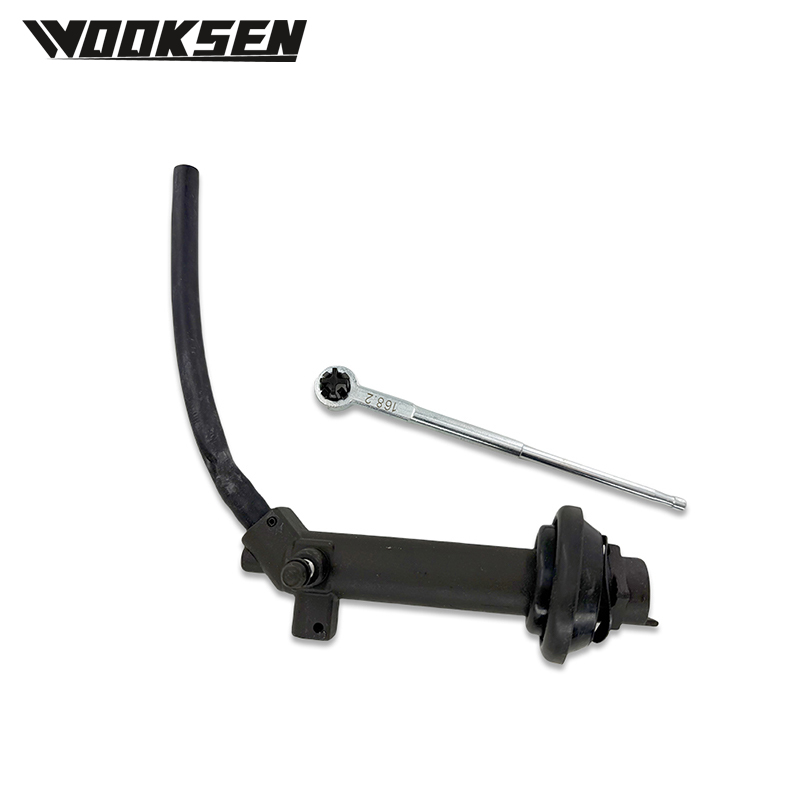
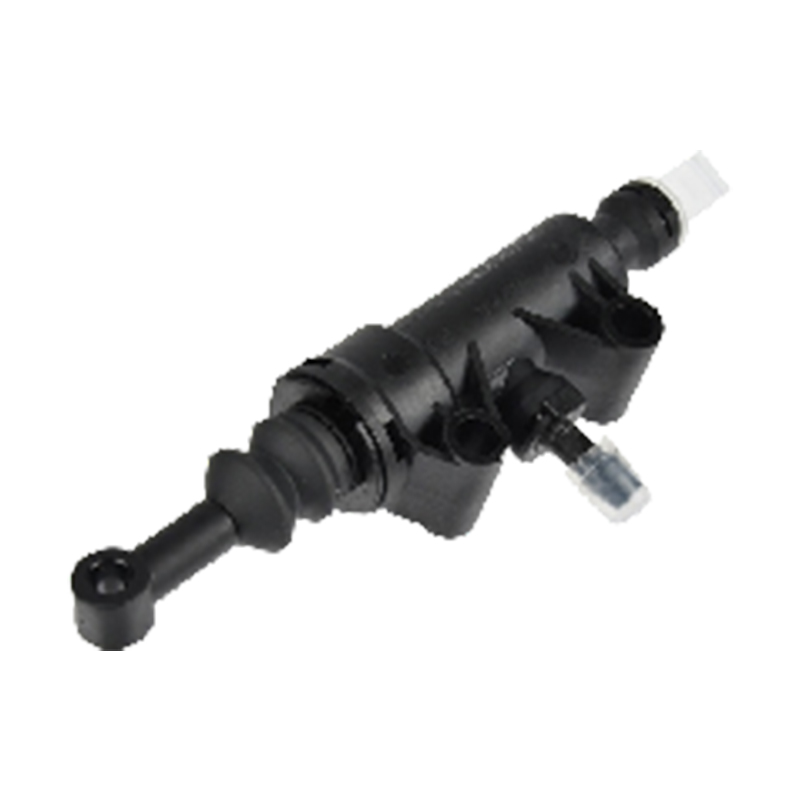
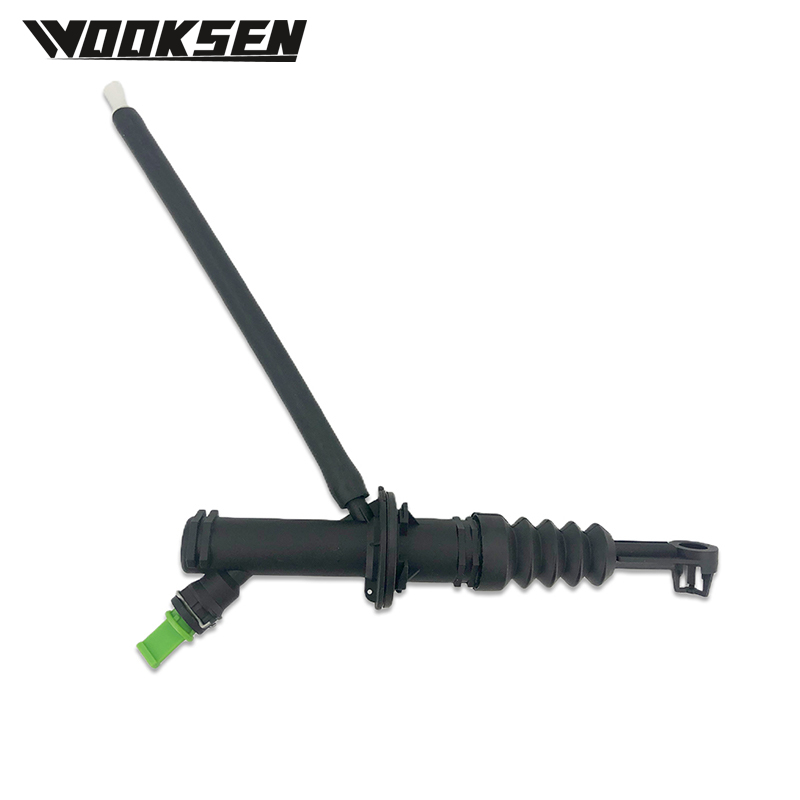
The 47550-02040 Brake pump continues attracting attention in the automotive parts market as vehicle owners, repair shops, and component suppliers place greater focus on braking system reliability and long-term maintenance performance. Brake system components remain closely connected to driving stability, vehicle response, and routine servicing requirements, making replacement parts such as the 47550-02040 Brake pump an important topic across the automotive aftermarket industry.
Manufacturing technology connected to brake pumps has changed significantly in recent years. Precision machining equipment now allows tighter dimensional control during component production, helping improve sealing performance and internal pressure stability. Factories producing the 47550-02040 Brake pump are increasingly integrating automated inspection systems capable of checking surface quality, assembly alignment, and pressure resistance during multiple production stages.
Material selection remains another important factor in brake pump manufacturing. Metal housing structures are commonly designed to handle repeated hydraulic pressure exposure and changing temperature conditions generated during vehicle operation. Internal rubber seals and protective components are also being refined to improve resistance against fluid exposure and long-term wear. These developments support longer service intervals and more stable braking system operation during extended vehicle use.
The growth of e-commerce platforms has also changed how automotive parts are distributed and purchased. Consumers and repair workshops can now compare specifications, compatibility information, and product availability more efficiently across online marketplaces. Digital catalogs and VIN-based search systems are helping buyers identify compatible brake pump models for specific vehicle applications, reducing purchasing uncertainty and improving order accuracy.
Automotive safety awareness continues influencing brake system maintenance habits as well. Vehicle owners are paying closer attention to warning signs such as soft brake pedals, delayed braking response, unusual noises, or fluid leaks around braking components. These symptoms often encourage earlier inspection and replacement of hydraulic parts before larger braking issues develop. As a result, brake pump products remain closely connected to preventive maintenance discussions within the automotive service sector.
Production efficiency is becoming increasingly important for automotive component manufacturers. Some factories producing brake pumps are introducing robotic assembly systems to improve consistency during sealing and component installation procedures. Digital monitoring equipment can also track manufacturing data in real time, helping operators identify production irregularities more quickly. These adjustments support more stable quality control across high-volume manufacturing environments.
Vehicle technology trends are also shaping how brake components are designed and tested. Modern braking systems often interact with electronic stability systems, anti-lock braking functions, and traction control technologies. Although the hydraulic brake pump remains a mechanical component, its operational consistency supports the performance of connected safety systems throughout the vehicle. This relationship increases the importance of manufacturing precision and compatibility testing during product development.
Regional market demand can vary depending on climate, road conditions, and vehicle usage patterns. In areas with heavy traffic or mountainous terrain, braking systems may experience increased operational stress due to frequent stopping and changing driving conditions. This can contribute to higher maintenance frequency and stronger aftermarket demand for brake-related replacement components.
Automotive technology and maintenance practices continue evolving, and the 47550-02040 Brake pump stays closely linked to safety trends, manufacturing precision, and long-term vehicle serviceability. Advances in machining technology, quality inspection systems, and distribution networks are shaping how these components reach repair markets around the world. Brake system reliability continues to hold an important place in automotive maintenance discussions, keeping hydraulic components such as the 47550-02040 Brake pump relevant across both professional repair environments and everyday vehicle ownership.

 English
 русский
 Español
 عربى
عربى