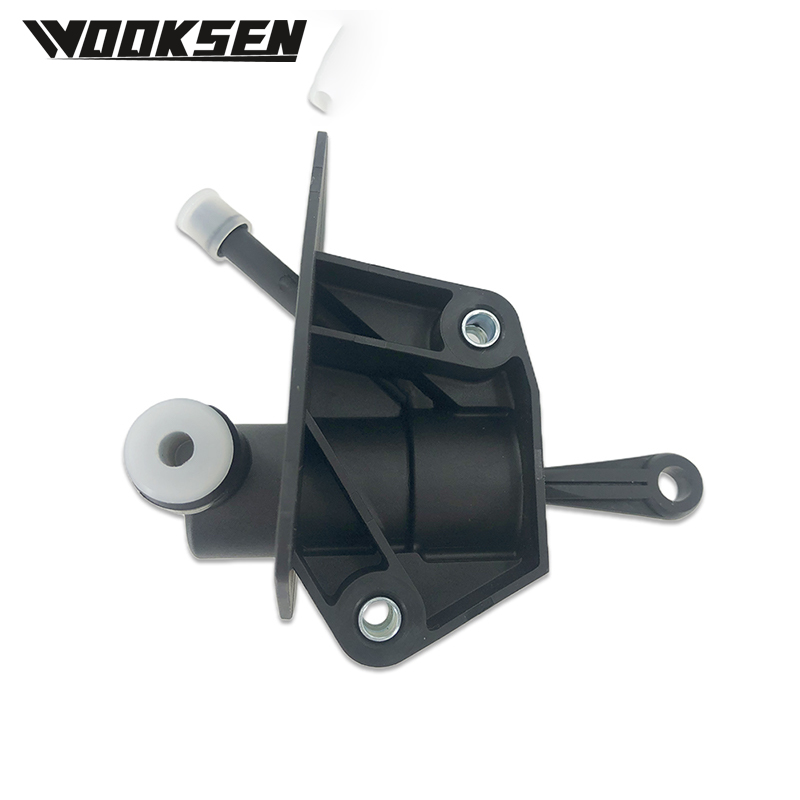
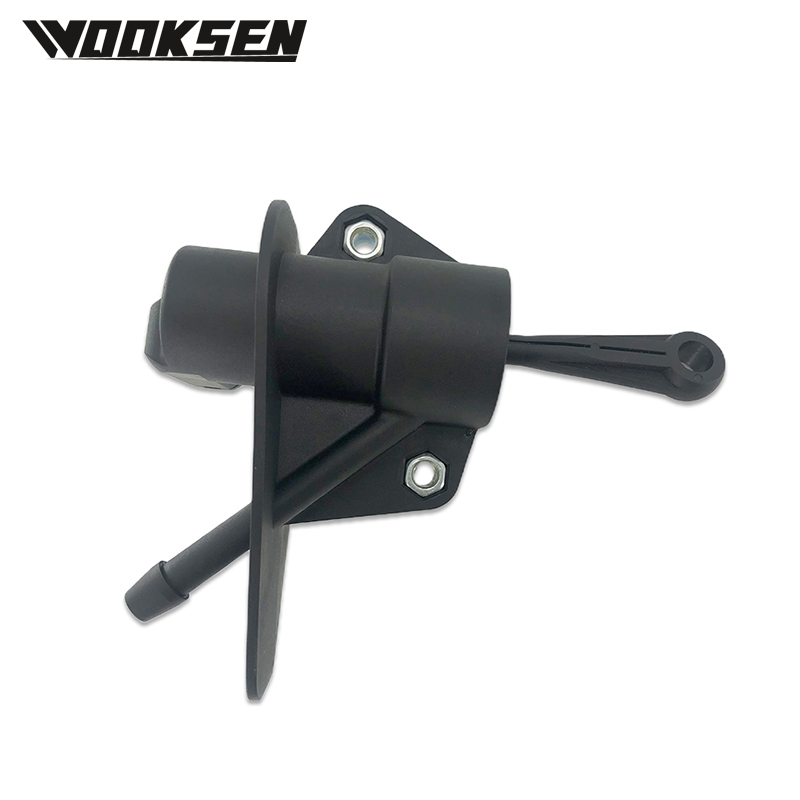
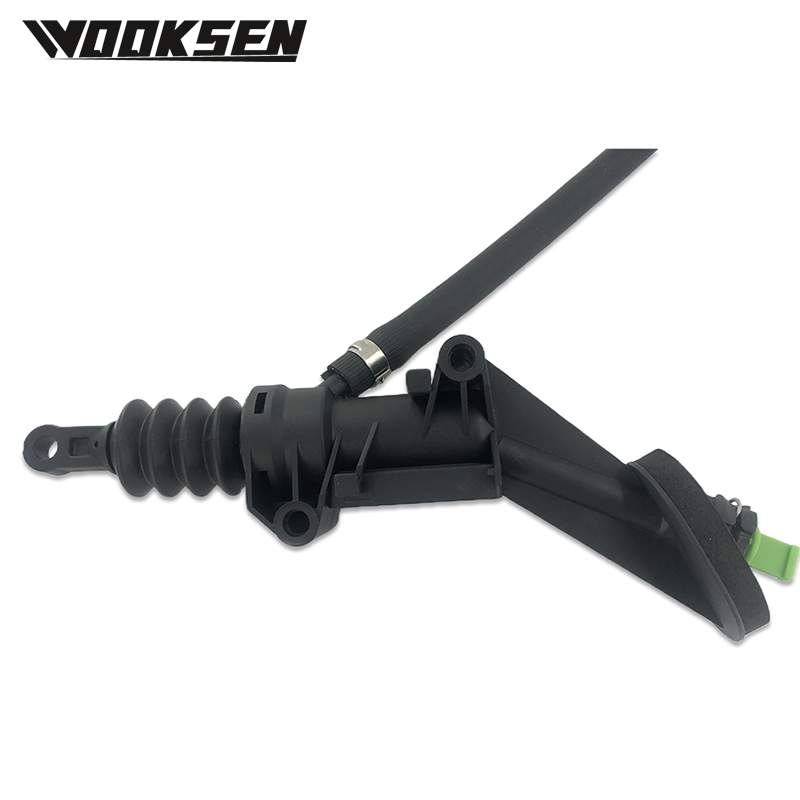
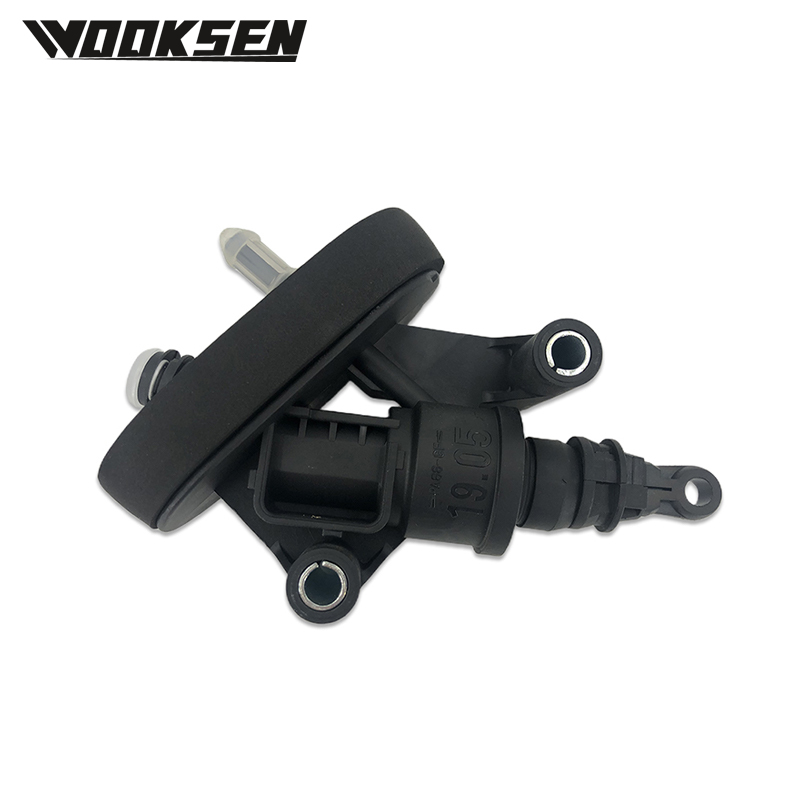
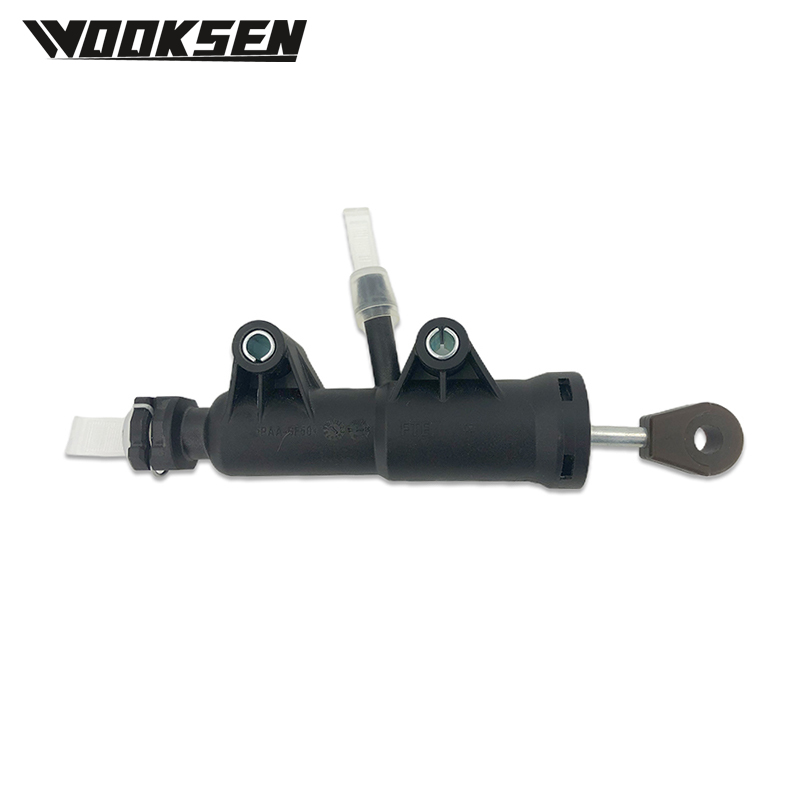
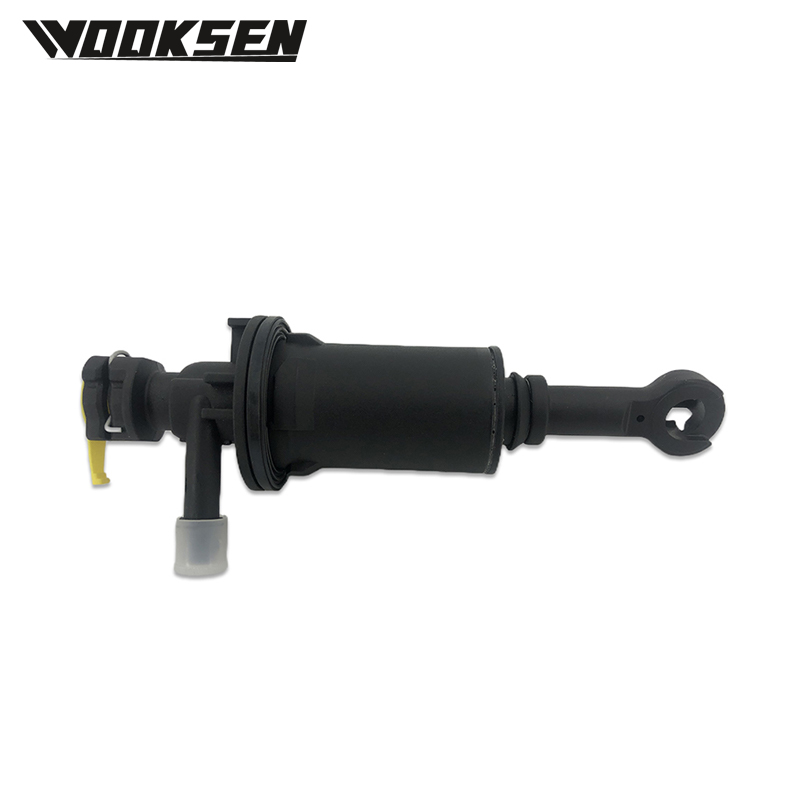
When drivers get behind the wheel of a vehicle, a large part of what they experience relates to how smoothly the car responds to their inputs. Among the many components that contribute to that feel is a part with a technical name but a practical role: the 2S61-7A564-CA Hydraulic clutch release bearing.
In vehicles equipped with hydraulic clutch systems, the clutch release bearing acts as the intermediary between the driver’s foot and the mechanical parts that actually disengage the clutch. When someone presses the clutch pedal, hydraulic fluid moves through a circuit, exerting pressure that causes the release bearing to act on the clutch assembly. The pressure that the hydraulic system delivers is converted into movement at the release bearing, and that movement determines how the clutch disengages from the flywheel and allows a seamless transition between gears.
The 2S61-7A564-CA Hydraulic clutch release bearing is designed to handle these changes in a way that contributes to a tactile and predictable feel underfoot. Hydraulic systems differ from cable‑actuated ones because they use fluid pressure to manage the force transmitted from the pedal to the clutch mechanism. This arrangement spreads the workload out across components like the clutch master cylinder, the clutch slave cylinder, and the release bearing. What this means in practical terms is that when a driver lifts off or pushes down on the clutch pedal, the response feels even and measured, supporting a sense of connection with the vehicle’s controls.
Automotive engineers and technicians often point out that a well‑matched hydraulic release bearing can influence the harmony of the entire clutch system. The 2S61-7A564-CA Hydraulic clutch release bearing is part of this network of components that responds dynamically to changes in fluid pressure. Hydraulic fluid doesn’t act like magic; rather, it transmits force in ways that reduce abrupt changes and create a gentle, consistent progression as gears engage and disengage. Drivers who shift gears frequently in city driving or during longer trips across mixed terrain experience this consistency in the rhythm of pedal action.
Under the bonnet, or hood, the release bearing fits into a clutch assembly that includes several interacting parts: the pressure plate, the clutch disc, the flywheel, and the hydraulic actuators that receive and send fluid pressure. When the clutch pedal is pressed, hydraulic fluid pushes against a piston in the clutch slave cylinder, which then pushes on the release bearing. As the release bearing presses against the diaphragm spring of the pressure plate, the clutch plates separate from the flywheel. That separation interrupts the connection between the engine and the transmission, allowing gear changes to occur without grinding or harshness.
Hydraulic clutch systems are used in a range of vehicles from compact cars to heavier models, each with its own demands and expectations. The 2S61-7A564-CA Hydraulic clutch release bearing fits into the particular design of systems where fluid pressure carries the movement from pedal to clutch mechanism. This arrangement contrasts with mechanical cable systems that rely on physical connections and can sometimes introduce variability or increased pedal effort. Hydraulic systems spread workload and dampen sudden changes, allowing for smoother transitions that drivers notice when they shift gears in daily routines.
Every driver who has shifted gears in dense traffic or during a relaxed country drive has felt the end result of forces being transmitted from the clutch pedal to the clutch mechanism. In vehicles where a hydraulic clutch system like the one that uses the 2S61-7A564-CA Hydraulic clutch release bearing is present, that experience is marked by consistency and predictability.

 English
 русский
 Español
 عربى
عربى