Why Part Number Identification Matters
Automotive replacement parts often have similar shapes while differing in dimensions, mounting arrangements, or hydraulic connections. A small difference can affect installation compatibility and the way a component connects with other brake parts.
The 9010515 Brake wheel cylinder should be matched against the vehicle or brake assembly information associated with the intended application. Relevant details may include the original equipment number, vehicle model, production year, axle position, and the specifications of the existing component.
For wholesale distributors, accurate part identification also helps organize inventory. When several wheel cylinders look alike, a clear part-number system reduces confusion during product selection, order processing, and warehouse handling.
Main Structural Features of a Wheel Cylinder
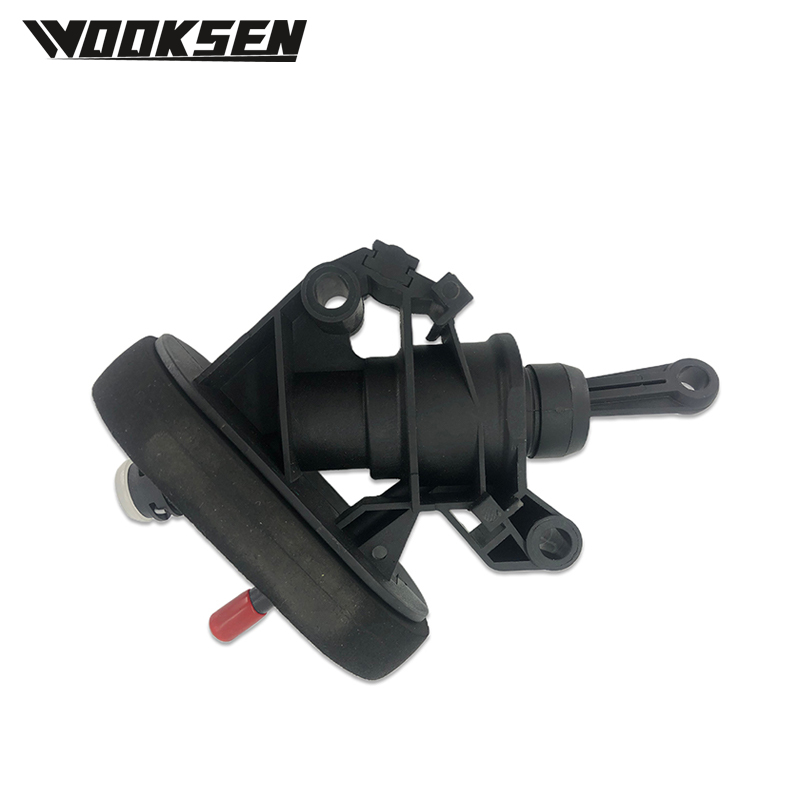
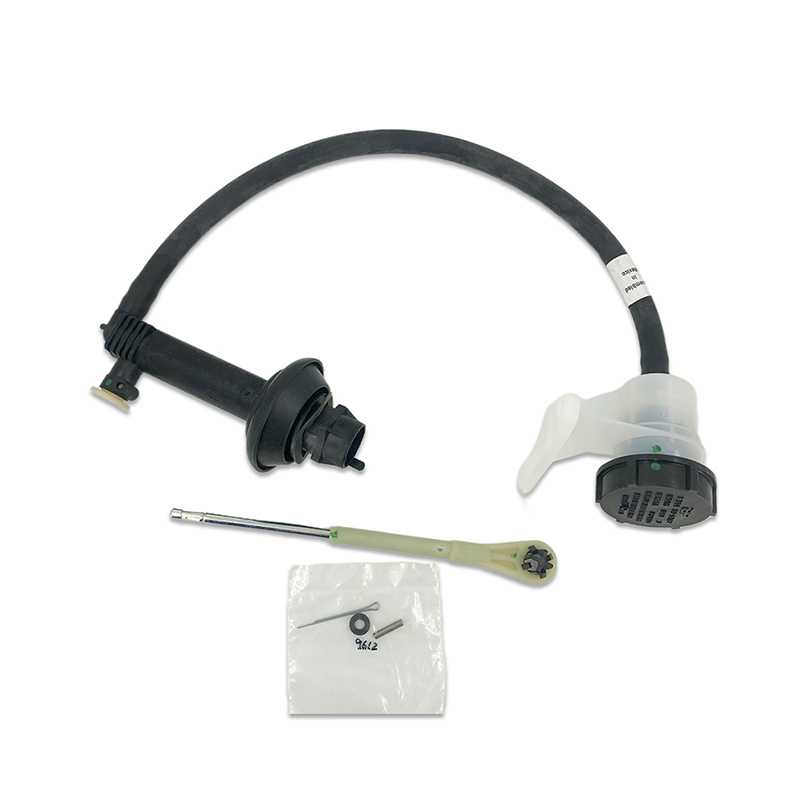
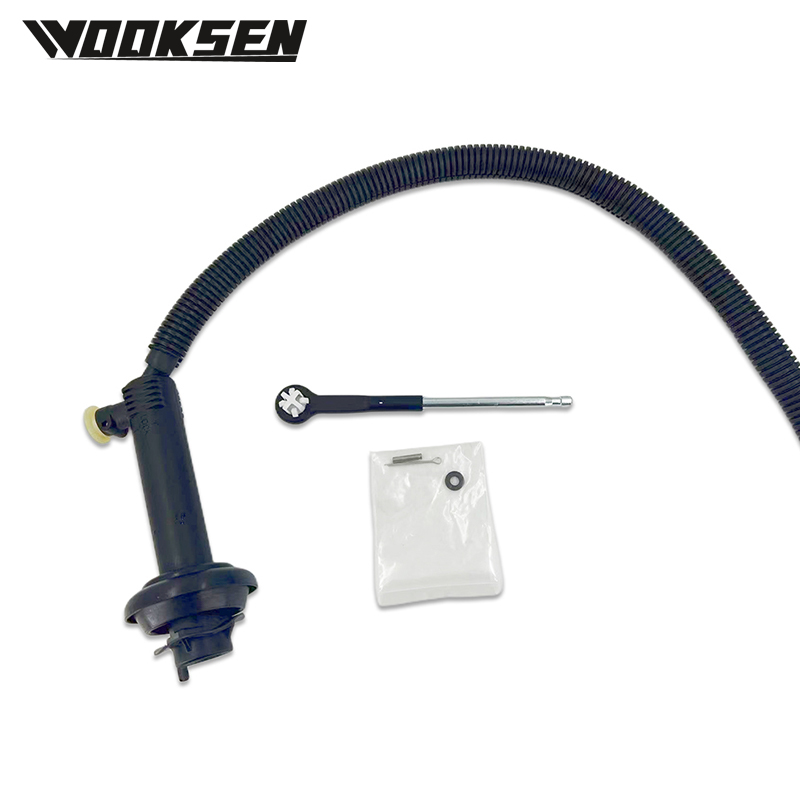
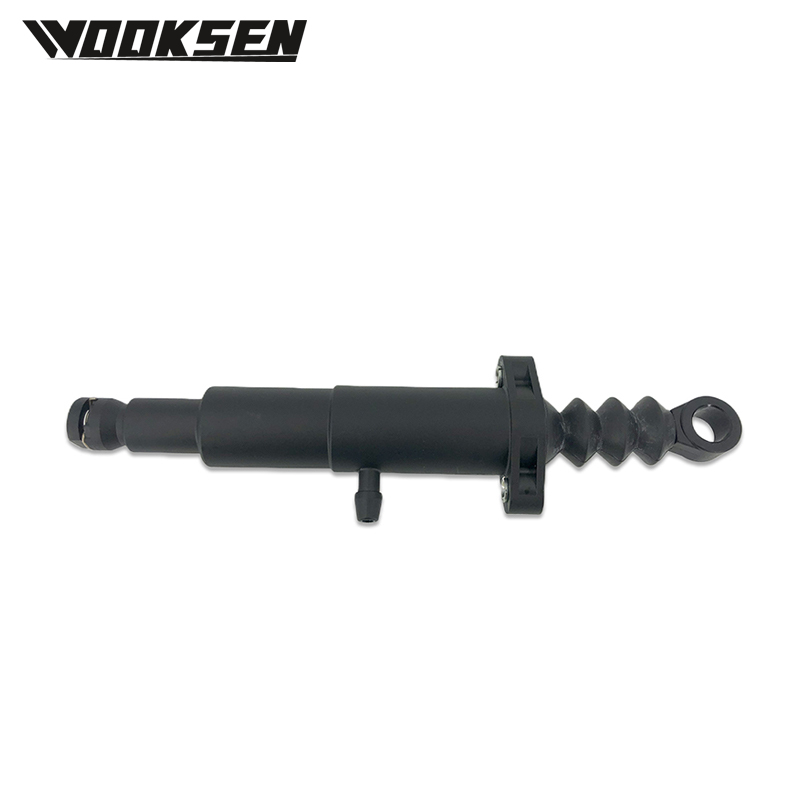
A conventional drum brake wheel cylinder consists of a housing, internal pistons, sealing components, and a connection for the hydraulic brake line. Depending on the design, protective rubber boots cover the piston ends to help shield internal areas from external contaminants.
The housing contains the hydraulic pressure chamber. When brake fluid enters the cylinder, pressure acts on the pistons, producing the movement required to operate the brake shoes. The seals help maintain hydraulic pressure within the assembly.
The mounting structure and piston contact points also matter. They determine how the cylinder attaches to the brake backing plate and transfers movement to the brake shoes. Differences in bore dimensions or body design may affect compatibility with a particular braking system.
When evaluating a 9010515 Brake wheel cylinder, distributors should confirm these structural details using reliable product-specific information rather than assuming that all cylinders with a similar appearance share the same specifications.
Applications Across Automotive Replacement Markets
Brake wheel cylinders are commonly associated with drum brake assemblies used in passenger vehicles, light commercial vehicles, and certain other vehicle platforms. Their specific applications depend on the original brake design.
The 9010515 Brake wheel cylinder may be relevant to replacement-part sourcing where the corresponding part number and vehicle application have been verified. Automotive wholesalers can organize such components by reference number, compatible vehicle information, and product category to make catalog searches easier.
Repair workshops also benefit from clear application descriptions. When technicians can identify the correct cylinder before beginning a replacement job, they can reduce uncertainty during parts selection and avoid ordering components based only on appearance.
For export-oriented suppliers, consistent product descriptions are useful when serving customers in different markets. Part numbers, dimensional information, and application references provide a shared basis for communication between manufacturers, distributors, and repair businesses.
What Distributors Should Check When Sourcing
Sourcing a brake wheel cylinder involves several practical considerations beyond the product name. Buyers can review the following details when assessing a potential supply option:
- Part number: Confirm that the reference matches the required 9010515 Brake wheel cylinder.
- Application compatibility: Check the associated vehicle and brake assembly information.
- Product dimensions: Review mounting dimensions, bore specifications, and hydraulic connection details where available.
- Material and construction: Verify the housing material and the documented construction of the supplied component.
- Packaging and identification: Confirm that labels and product records allow warehouse staff to distinguish similar parts.
- Supply consistency: Discuss production batches, order quantities, and product identification procedures with the supplier.
These details help establish a clearer basis for purchasing decisions. They also make it easier to manage replacement-part catalogs that contain multiple versions of similar braking components.
The Role of Wheel Cylinders in Parts Distribution
Brake components occupy a specific segment of the automotive aftermarket, where correct identification and application information influence purchasing decisions. A wheel cylinder may appear simple compared with larger brake assemblies, but its hydraulic function makes compatibility an important consideration.
For suppliers handling the 9010515 Brake wheel cylinder, useful product information should explain the component's role, identify its intended application, and provide verifiable technical details. This approach supports clearer communication with repair shops, regional distributors, and wholesale customers.

 English
 русский
 Español
 عربى