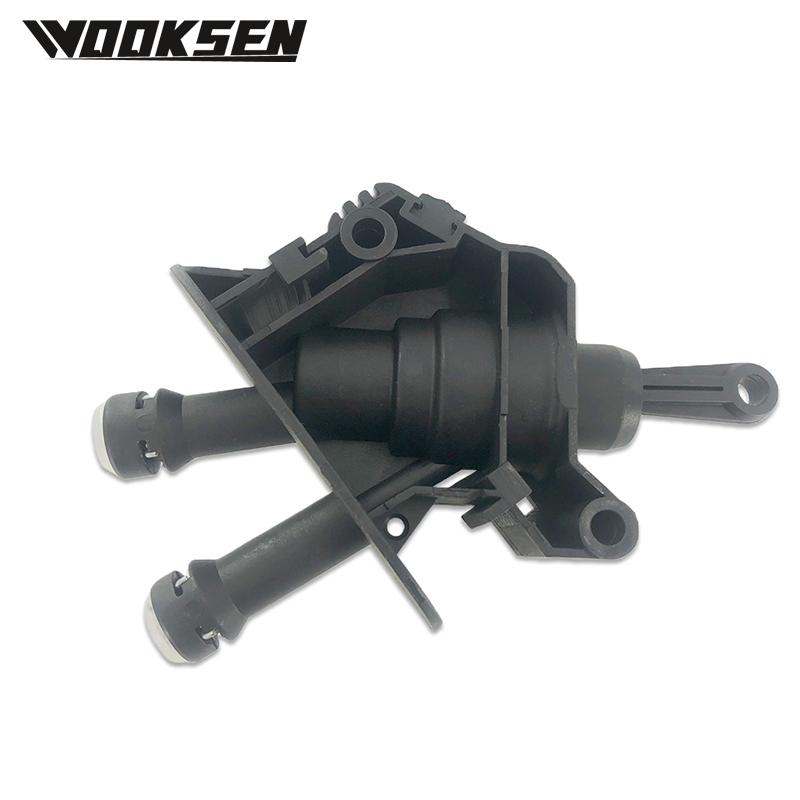
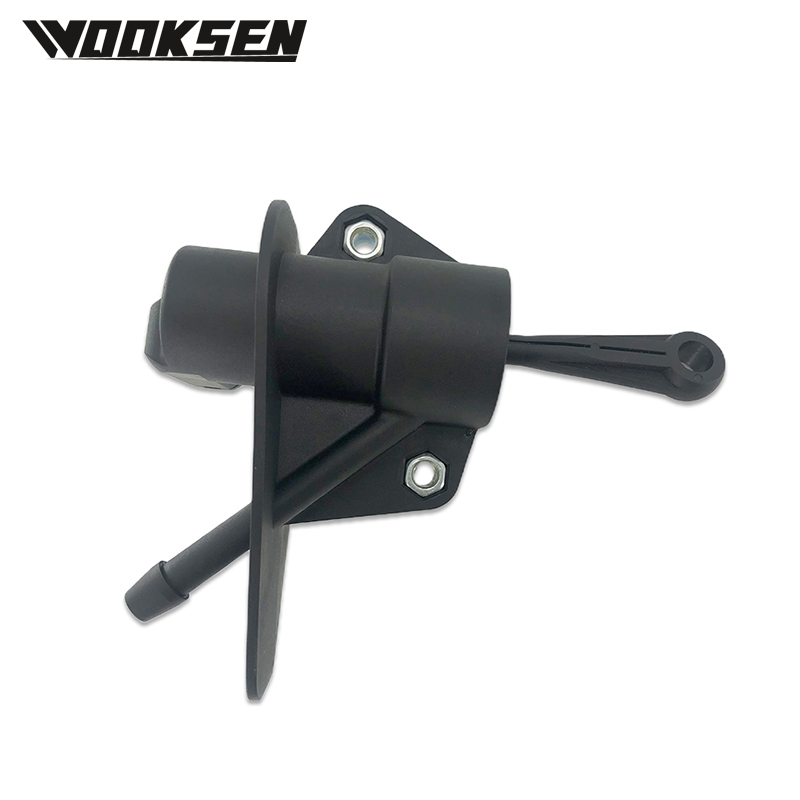
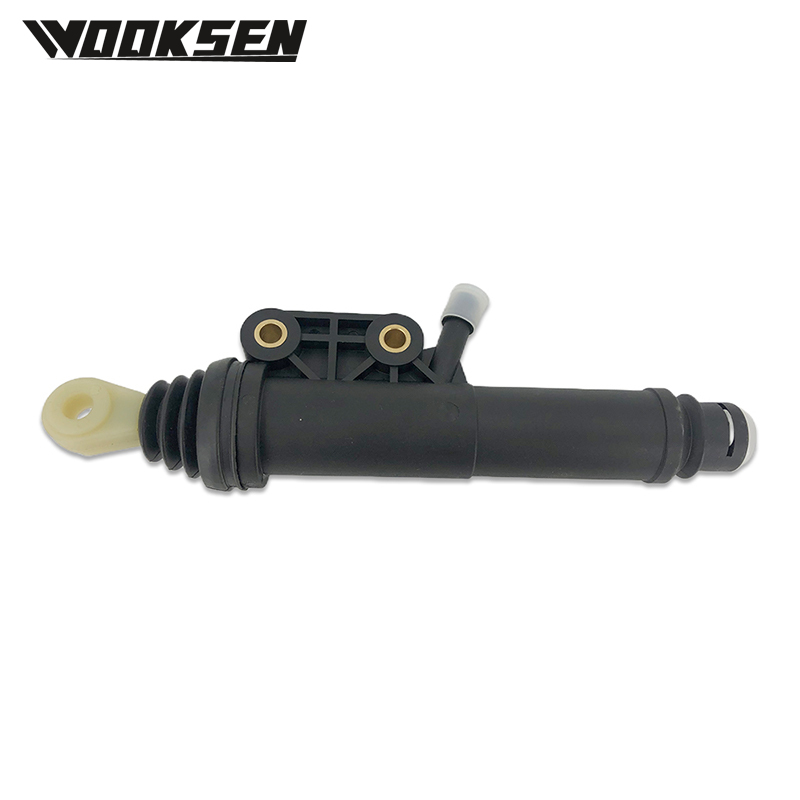
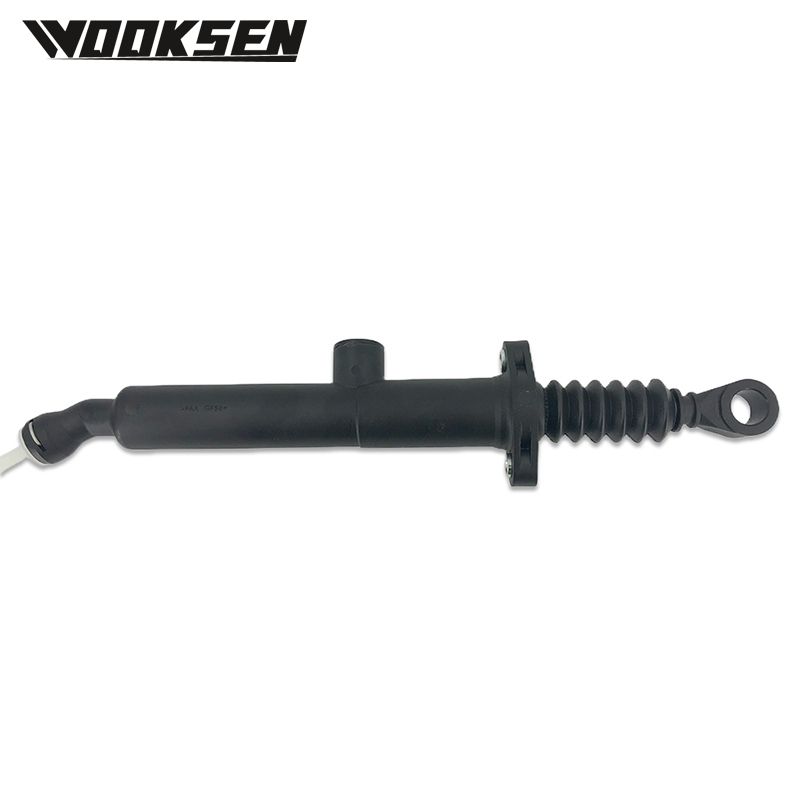
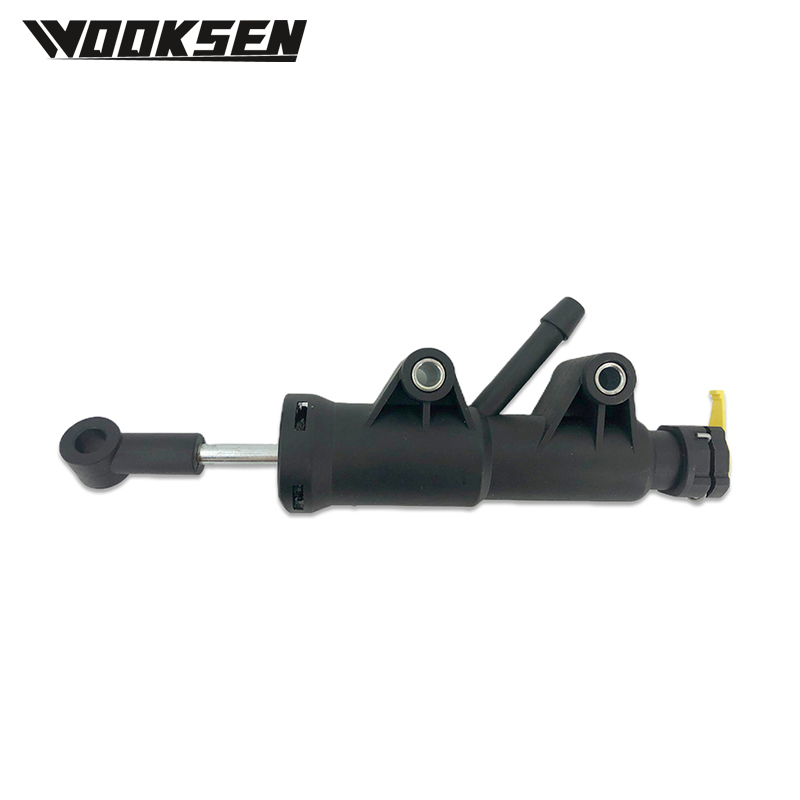
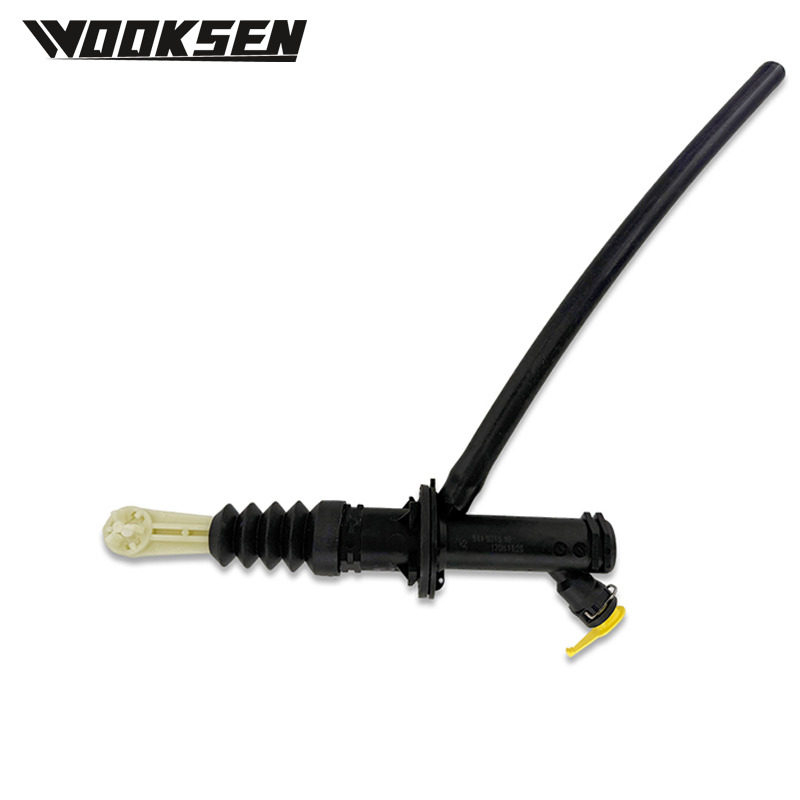
Put simply, the BFD1-41-920 clutch slave cylinder works the way most hydraulic slave cylinders do. Pressurized fluid moves the piston, and the resulting output force reflects both the incoming pressure and the bore's cross-section. What that means in practice is a pedal that doesn't demand much from the driver — while still pushing hard enough to pull the clutch apart cleanly.
How a Clutch Slave Cylinder Works
Step on the clutch and fluid moves — simple as that. It leaves the master cylinder, travels the line, and eventually reaches the slave cylinder with enough pressure behind it to actually do something. That "something" is pushing a rod or fork into position, which is what finally gets the clutch disc off the flywheel.
The BFD1-41-920 clutch slave cylinder follows this same operating principle. Its internal piston moves under hydraulic pressure, and the output force is proportional to both the pressure applied and the bore diameter of the cylinder. The design keeps driver effort relatively low while still delivering enough force to disengage the clutch reliably.
There are basically two ways a slave cylinder can be set up. External units sit outside the bell housing and connect to the release fork through a pushrod. Concentric units go inside, wrapping around the input shaft. The BFD1-41-920 is the external type — which at least means you're not pulling the transmission every time you need to get eyes on it or swap it out.
Fitment and Application Range
Part numbers like BFD1-41-920 clutch slave cylinder are used by OEM suppliers and aftermarket manufacturers to cross-reference components across vehicle lines. This particular number is associated with several Asian-market passenger vehicles and light commercial platforms, where the hydraulic clutch layout is common in manual transmission variants.
A part number alone doesn't always tell the whole story. Before ordering a replacement, it's worth cross-checking the vehicle's make, model, engine type, and transmission code — that combination catches fitment problems that the number by itself might miss. Between units that look nearly identical, bore diameter, overall length, and port thread size are usually where the differences hide.
Common Failure Patterns
Clutch slave cylinders tend to fail gradually rather than suddenly. The early signs are usually subtle:
- A spongy or inconsistently firm clutch pedal
- Difficulty engaging specific gears under load
- A small puddle of brake fluid beneath the vehicle near the transmission
- A clutch that seems to slip or drag even with pedal fully depressed
These symptoms often point to internal seal degradation. Once the seals lose their ability to hold pressure consistently, the slave cylinder can no longer transmit force reliably. At that point, replacement is the practical path forward — repair kits exist but require careful attention to cleanliness and seal seating.
Replacement and Installation Notes
When replacing the BFD1-41-920 clutch slave cylinder, bleeding the clutch hydraulic system after installation is necessary to remove air from the lines. Air is compressible, unlike hydraulic fluid, and even a small pocket can make the pedal feel soft or cause incomplete clutch release.
The bleed procedure follows the same approach as brake bleeding: open the bleed nipple on the slave cylinder, pump fluid through until no bubbles appear, and close the nipple with the pedal held down. Some technicians prefer a pressure bleeder for a cleaner result, especially in systems where the reservoir is awkwardly positioned.
It is also worth inspecting the hydraulic line connection point on the slave cylinder for corrosion or damage before installation. A compromised fitting can introduce a leak even in a new unit.

 English
 русский
 Español
 عربى
عربى