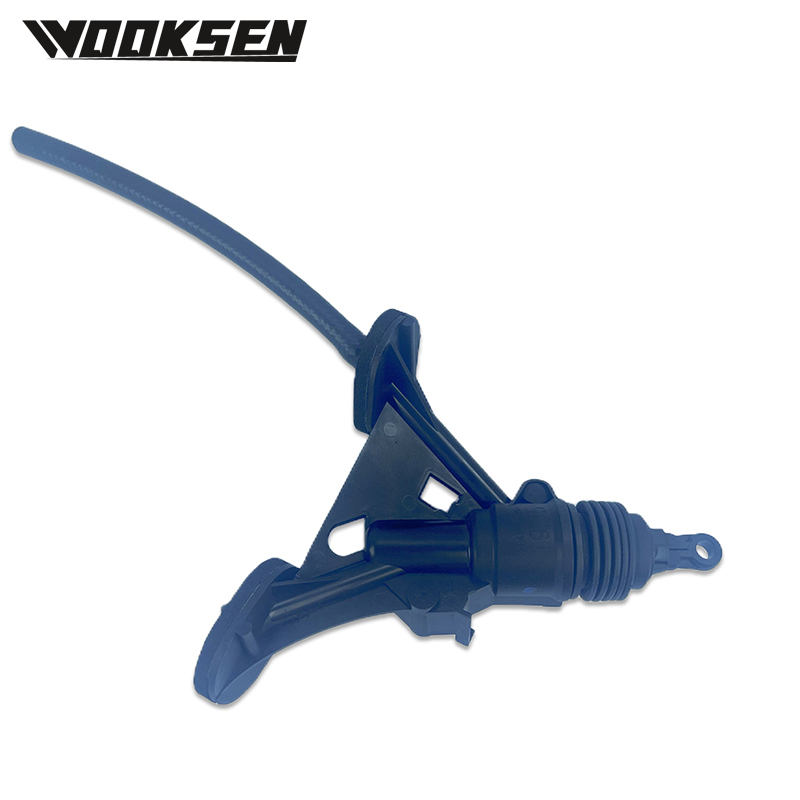
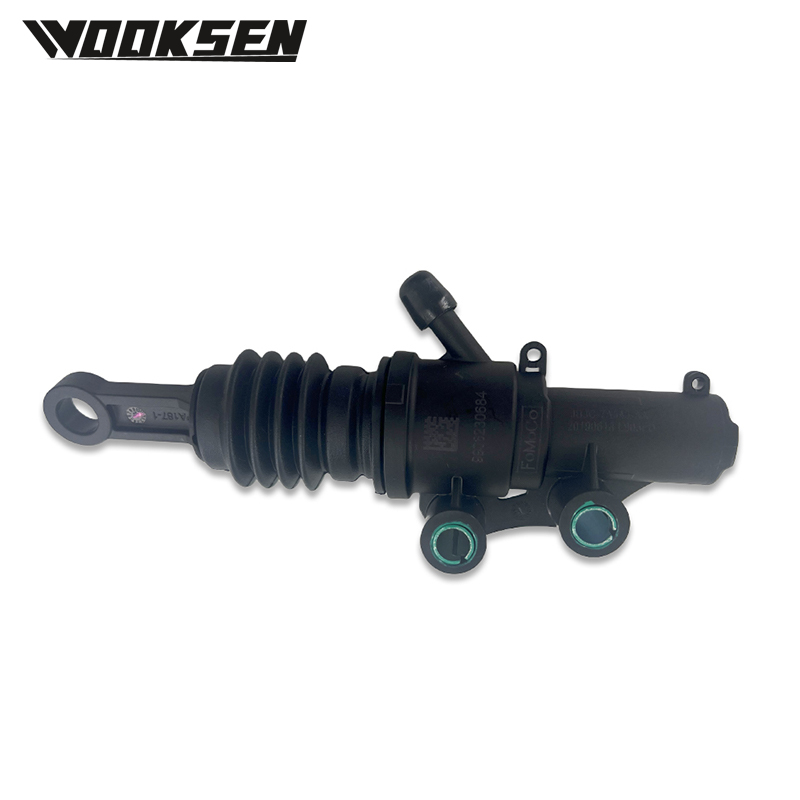
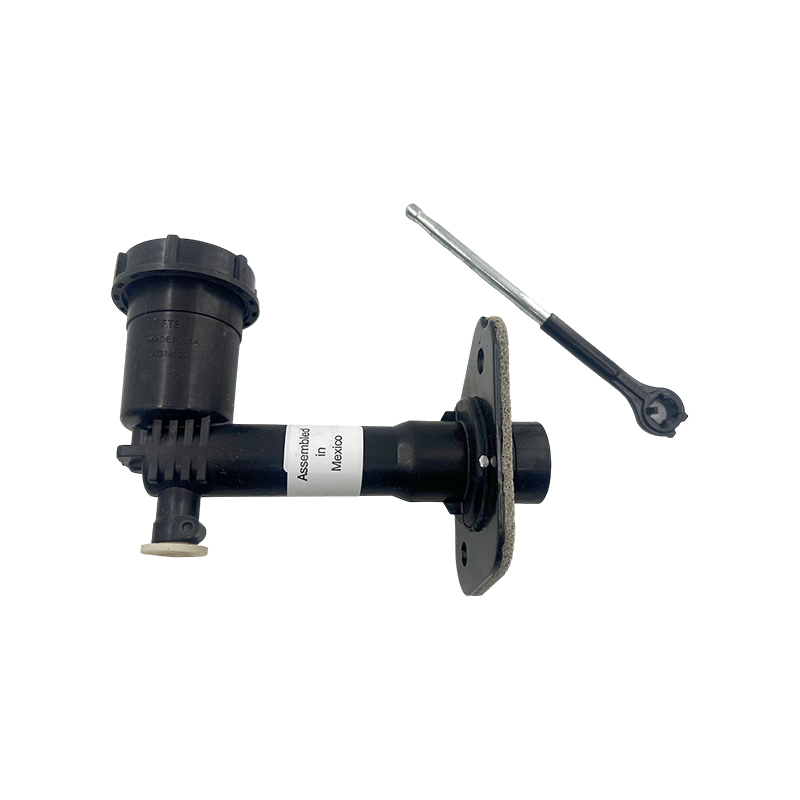
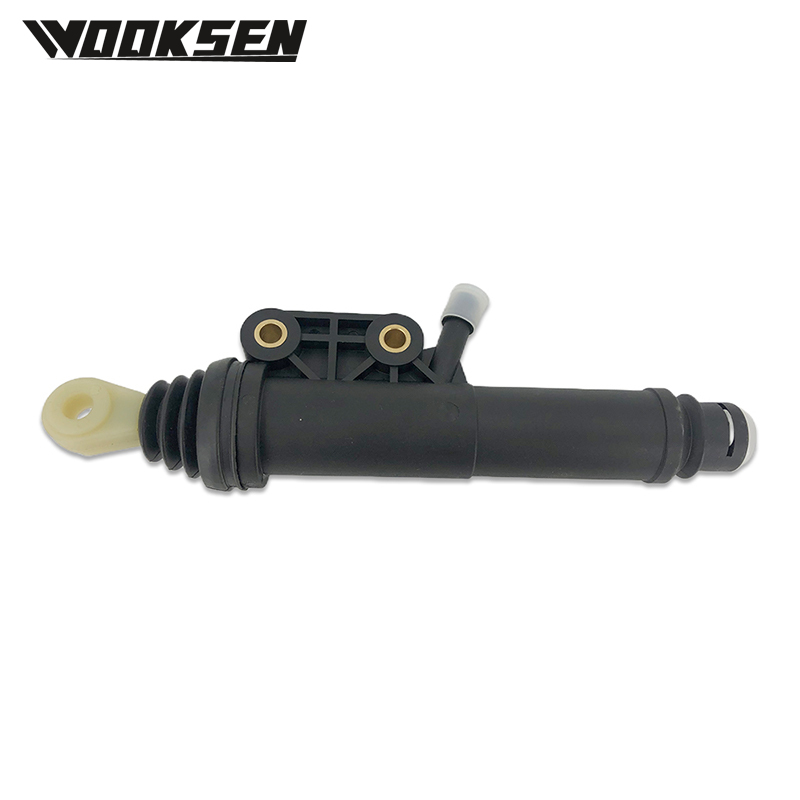
The wheel cylinder sits inside the drum brake assembly, mounted at the top of the brake backing plate. When the driver applies the brakes, hydraulic pressure from the master cylinder travels through the brake lines and pushes against pistons inside the wheel cylinder. Those pistons press outward against the brake shoes, forcing them against the inner surface of the rotating drum. Friction slows the wheel. Release the pedal, and spring tension pulls everything back.
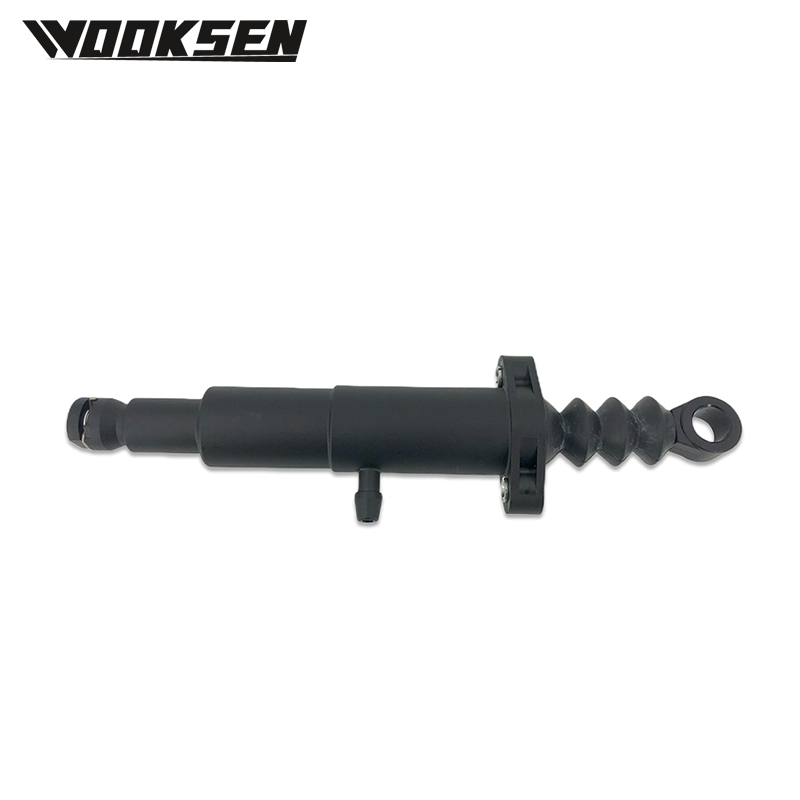
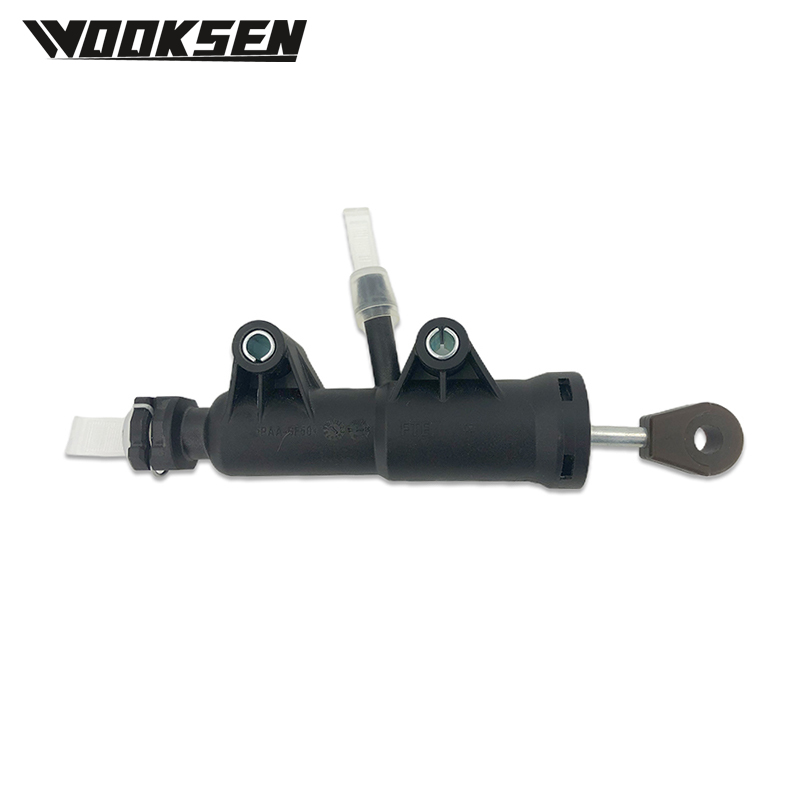
The 96320670 Brake wheel cylinder follows this same basic design. It's a compact, double-acting cylinder with pistons on both ends, rubber seals keeping fluid in and contaminants out, and a bleeder screw for removing air from the hydraulic circuit. It's not a complicated component, but it's a critical one — without it functioning properly, that corner of the vehicle has no effective braking force.
Common Signs of a Failing Wheel Cylinder
Wheel cylinders don't usually fail suddenly. They degrade over time, and the warning signs tend to show up gradually if you know what to watch for.
Fluid leaking from the wheel cylinder is the clearest indicator. Brake fluid seeping past the rubber seals will collect inside the drum, sometimes leaving a wet, greasy film on the inside of the wheel or a damp residue around the backing plate. Because the drum encloses the assembly, leaks can go unnoticed for longer than they should — which is one reason regular brake inspections matter.
A spongy or soft brake pedal is another signal worth taking seriously. When a wheel cylinder leaks, air can enter the hydraulic system and compress under pressure in a way that brake fluid doesn't. The pedal loses its firm feel and may need to travel further before the brakes engage properly.
Uneven braking — the vehicle pulling to one side under braking — can point to a wheel cylinder that's sticking or not delivering consistent pressure. And if the brake shoes show unusual or uneven wear on one side, the wheel cylinder feeding that assembly is worth inspecting.
Replacement and Compatibility
The 96320670 Brake wheel cylinder part number appears on a range of models, including certain Chevrolet Aveo and Daewoo variants, though confirming fitment against the specific vehicle year, model, and brake configuration before purchasing is always worth doing. Wheel cylinder dimensions, bore size, and port placement vary between applications, and installing an incompatible unit creates problems that are worse than the one being fixed.
Replacement is a manageable job for someone with decent mechanical experience and the right tools — brake line wrenches, a way to keep fluid loss to a minimum, and access to a torque specification for the mounting hardware. For anyone less familiar with hydraulic brake systems, having a qualified mechanic handle it is a reasonable call. Brake system work leaves little room for shortcuts.
After installation, bleeding the brake circuit at that corner of the vehicle is necessary to purge any air introduced during the job. Skipping this step leaves the pedal feel compromised and the braking performance uneven.
Keeping the Brake System in Shape
A single wheel cylinder replacement is also a reasonable prompt to look at the broader brake system condition — shoe thickness, drum surface, brake fluid age, and the condition of the brake hoses feeding the assembly. These components age together, and addressing them as a group tends to produce more consistent results than replacing parts in isolation.
The 96320670 Brake wheel cylinder is a small component, but the job it performs is not.

 English
 русский
 Español
 عربى
عربى