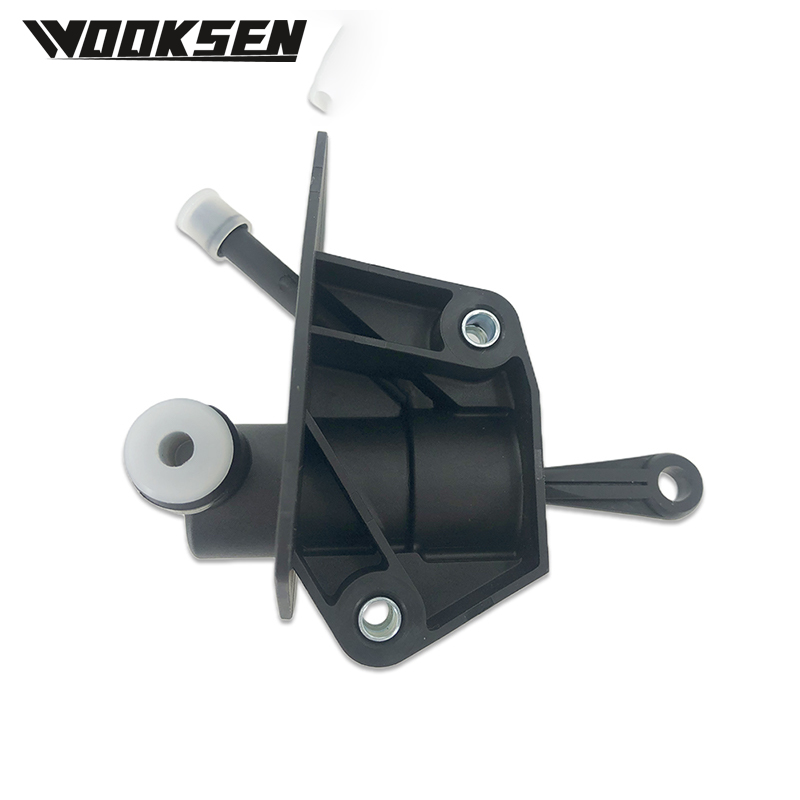
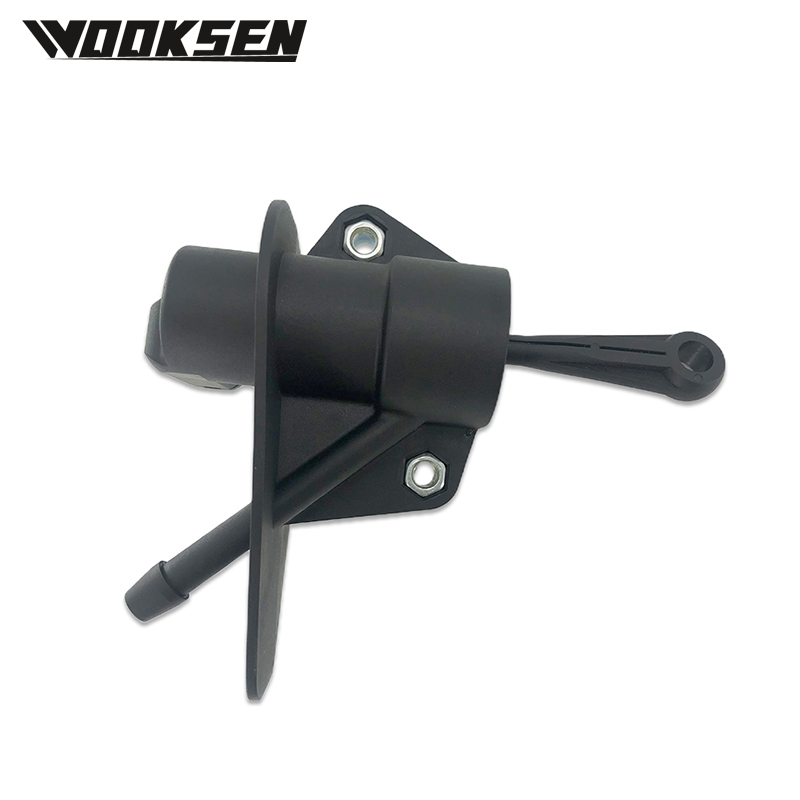
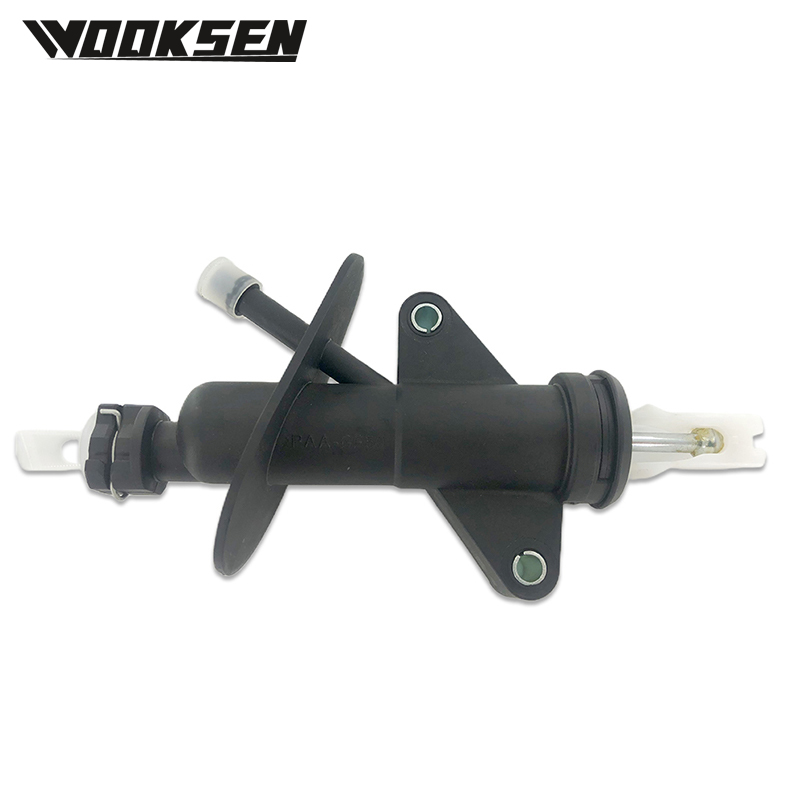
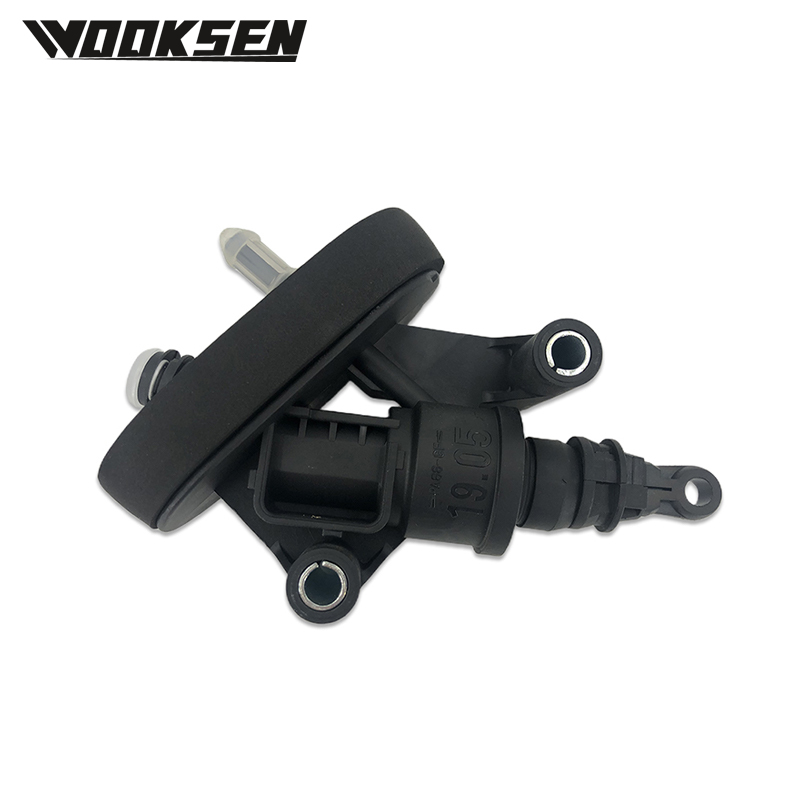
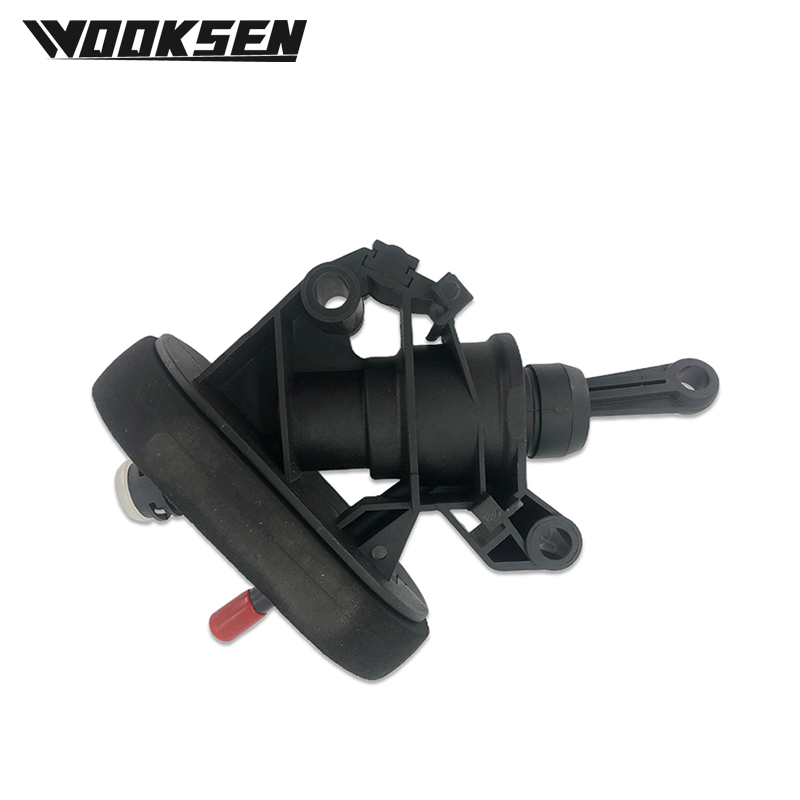
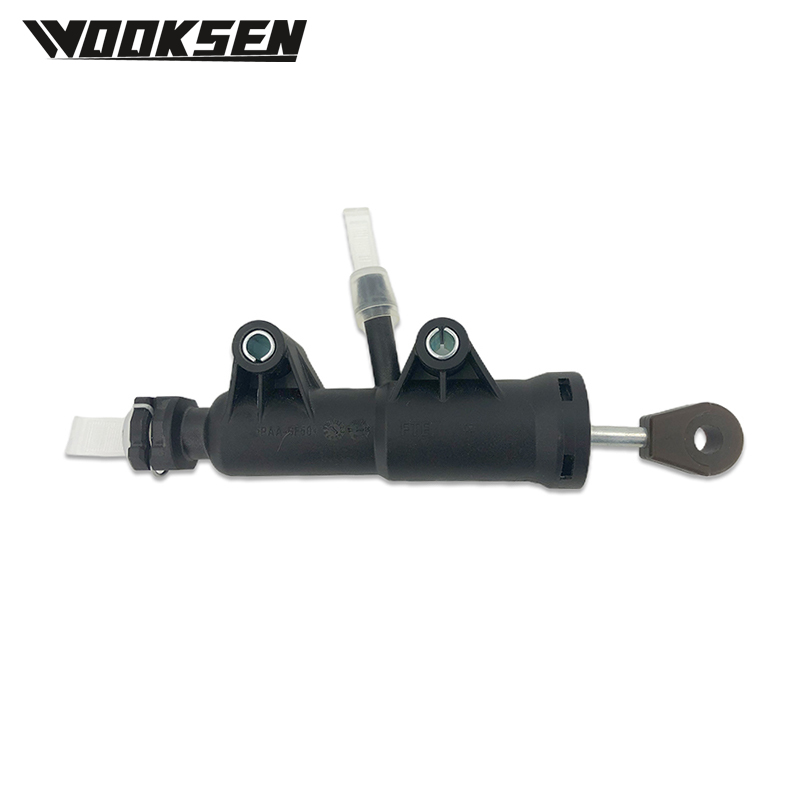
The DD32-41-990A clutch master cylinder is a hydraulic component used in manual transmission systems to convert mechanical force from the clutch pedal into hydraulic pressure. This pressure is then transmitted through the clutch line to the slave cylinder, which engages or disengages the clutch assembly. While the part may look simple from the outside, its internal structure plays a key role in ensuring smooth and consistent gear shifting.
In a typical hydraulic clutch system, the driver presses the clutch pedal, which pushes a piston inside the DD32-41-990A clutch master cylinder. This movement forces hydraulic fluid through the system under pressure. Because fluid is incompressible, the force is transferred efficiently to the next component in the line. This process allows the clutch to disengage from the engine so that gear changes can be made without grinding or resistance. Once the pedal is released, return springs and fluid pressure balance the system back to its resting state.
The design of the DD32-41-990A clutch master cylinder focuses on controlled fluid movement and sealing integrity. Inside the cylinder, precision-machined surfaces and rubber seals work together to prevent leakage and maintain stable pressure. Even small amounts of internal wear can affect pedal feel, often making the clutch feel softer or less responsive. Over time, heat cycles, fluid contamination, and normal mechanical wear can influence how the component performs.
One important aspect of this clutch master cylinder is its compatibility with specific vehicle platforms. The DD32-41-990A part number is typically used as a reference for matching replacement components to original system specifications. This helps ensure that the stroke length, fluid displacement, and mounting geometry align correctly with the vehicle’s hydraulic clutch setup. When compatibility is correct, installation tends to be more straightforward and system behavior remains predictable after replacement.
In practical use, the DD32-41-990A clutch master cylinder is exposed to repeated cycles of pressure and release. Each time the clutch pedal is pressed, the internal piston travels the same path, generating consistent hydraulic force. However, over long periods of driving, seals inside the cylinder may begin to wear. This can lead to gradual fluid loss or internal bypass, where pressure does not fully transfer through the system. Drivers may notice changes in pedal resistance or shifting smoothness as these conditions develop.
Maintenance of the clutch hydraulic system is often linked directly to fluid condition. Brake fluid used in many clutch systems can absorb moisture over time, which affects both corrosion resistance and hydraulic efficiency. In systems using the DD32-41-990A clutch master cylinder, periodic fluid inspection and replacement can help maintain stable operation. Technicians often check for discoloration or air bubbles in the fluid as part of routine diagnostics.
Replacement of the DD32-41-990A clutch master cylinder is typically considered when symptoms such as fluid leakage, inconsistent pedal return, or difficulty engaging gears become noticeable. While some of these signs may develop gradually, early detection can prevent further strain on related components such as the slave cylinder or clutch line. In many cases, replacing the master cylinder also involves bleeding the hydraulic system to remove air and restore proper pressure balance.

 English
 русский
 Español
 عربى
عربى