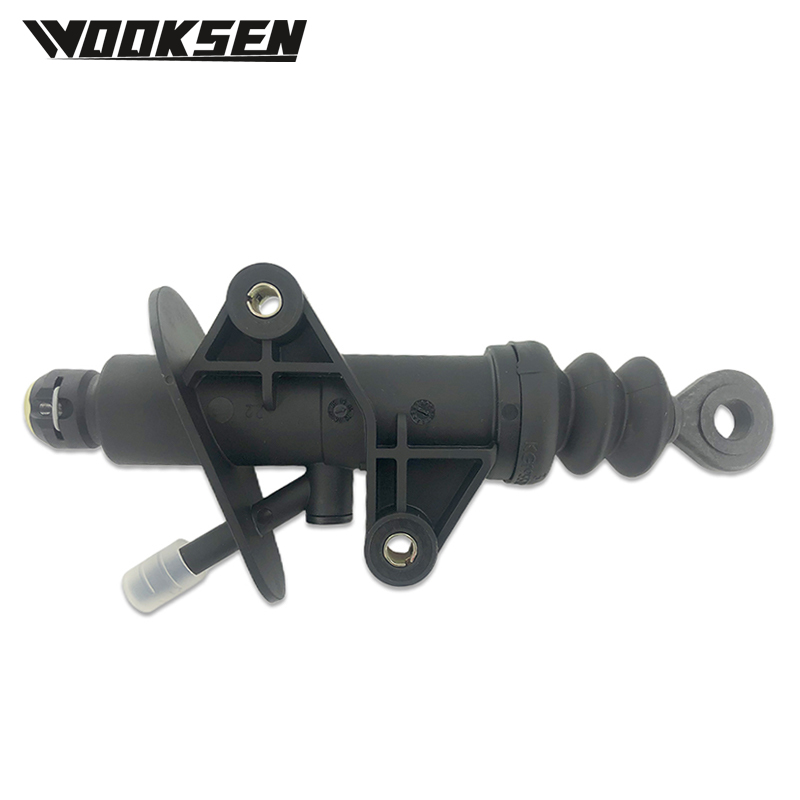
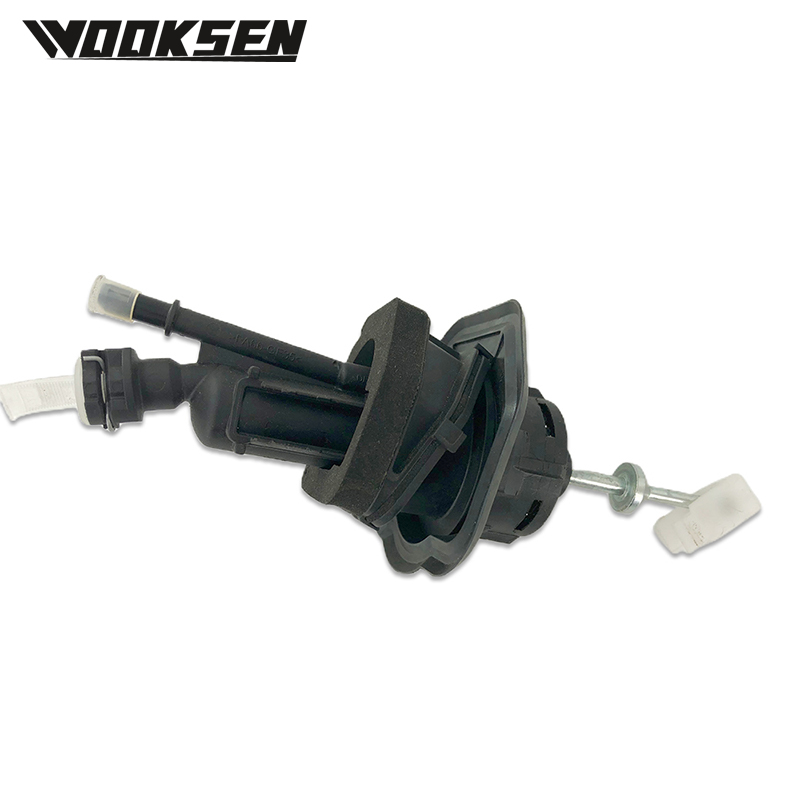
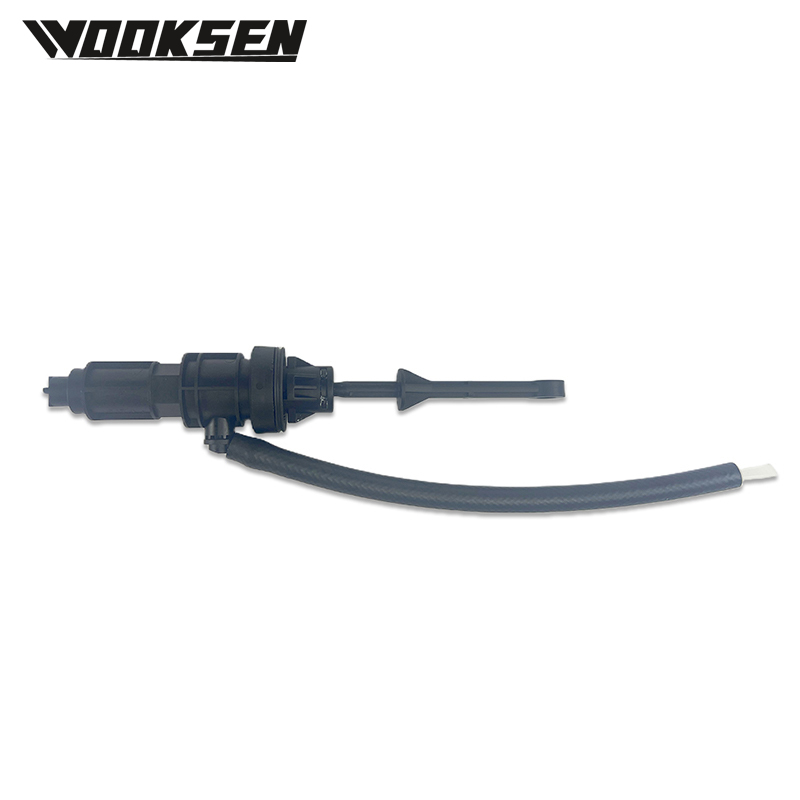
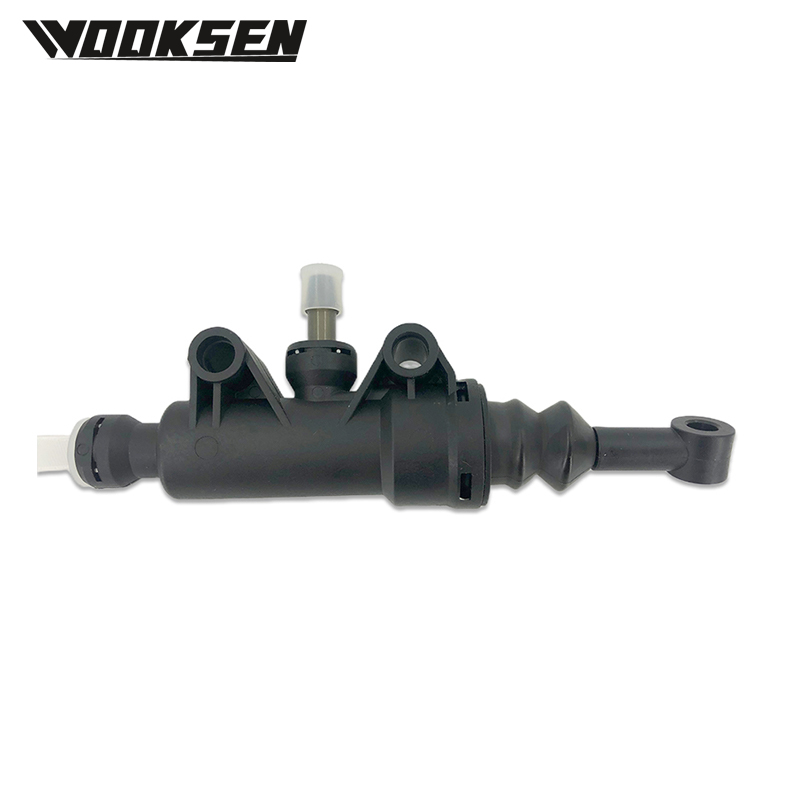
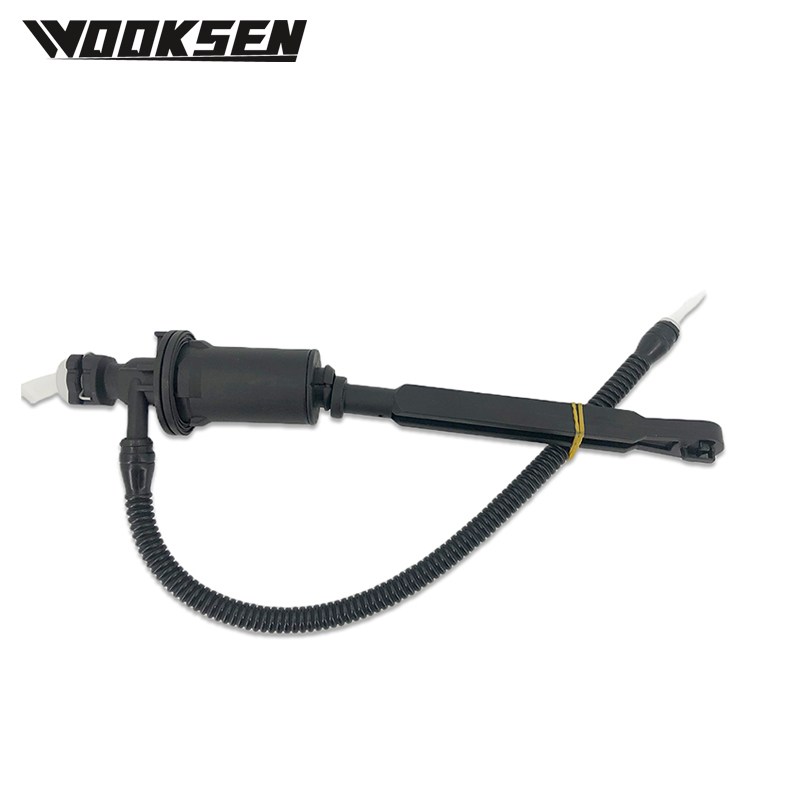
The DD32-41-990B Clutch Master Cylinder is one of those unsung pieces of hardware. It doesn't rev, it doesn't roar, and it doesn't show up on a dashboard readout.
Yet without it, the whole business of shifting gears smoothly falls apart. This cylinder converts the pressure of your foot on the clutch pedal into hydraulic force. That force travels through a line to the slave cylinder, which then disengages the clutch disc from the flywheel.
How the Hydraulic Chain Works
Think of the system as a relay race with fluid instead of a baton.
When the pedal is pressed, a piston inside the DD32-41-990B Clutch Master Cylinder pushes brake-style fluid through a sealed circuit. That fluid doesn't compress, so motion at one end translates almost directly into motion at the other end.
A few things happen in sequence during this process:
- The pedal arm pushes the pushrod into the cylinder bore
- Internal seals build pressure as the piston travels forward
- Fluid is forced out through the outlet port toward the slave cylinder
- The slave cylinder piston extends, actuating the clutch fork
Any weak link in that chain throws off the whole sequence, and the pedal starts feeling different underfoot.
Signs Something Isn't Right
Drivers often notice a change in pedal feel long before anything dramatic happens.
A soft or spongy pedal is one of the more common early clues. It usually points toward air in the line or a seal that's no longer holding pressure the way it should.
Fluid puddles near the pedal area, a pedal that sinks toward the floor, or gear changes that suddenly feel gritty are also worth paying attention to.
Because the DD32-41-990B sits in a fairly enclosed spot, a slow leak can go unnoticed for a while. It helps to glance at the reservoir level from time to time rather than waiting for a warning sign to appear on its own.
Fitment and Compatibility Notes
Part numbers like DD32-41-990B exist because hydraulic components are rarely one-size-fits-all.
Bore diameter, mounting angle, pushrod length, and port thread size all vary between platforms. A mismatch, even a small one, can throw off pedal travel or the point where the clutch engages.
Buyers cross-referencing the DD32-41-990B Clutch Master Cylinder typically find it listed against specific chassis codes and production years. Matching the number precisely matters more than matching the general shape of the part.
A cylinder that looks nearly identical on a shelf can still behave differently once bolted into place. If the internal bore or stroke length doesn't align with what the vehicle expects, pedal feel and clutch behavior shift as a result.
What Sets This Cylinder Apart
Some cylinders on the market use different seal materials, reservoir designs, or mounting brackets even when they carry a similar external shape.
A few points tend to come up when comparing options built for the same platform:
- Seal compound affects how the unit handles fluid over time
- Reservoir shape influences how easily air pockets escape during bleeding
- Bracket and pushrod geometry determine whether pedal travel feels natural
These small design choices explain why two parts with a similar look can still feel different once installed in the same car.
Why This Component Gets Noticed
Compared to flashier engine parts, a clutch master cylinder rarely comes up in casual conversation.
Ask anyone who has driven a manual car with a failing one, though, and they'll describe exactly how disruptive it is. Missed shifts, unpredictable pedal feel, and a nagging worry about being stranded mid-commute all trace back to this one small part.
The DD32-41-990B Clutch Master Cylinder fits into that quiet category of components that only become interesting the moment they stop doing their job properly.
Recognizing what it does, how it fails, and how it fits into a specific vehicle platform turns a mysterious string of letters and numbers into something far more understandable.

 English
 русский
 Español
 عربى
عربى