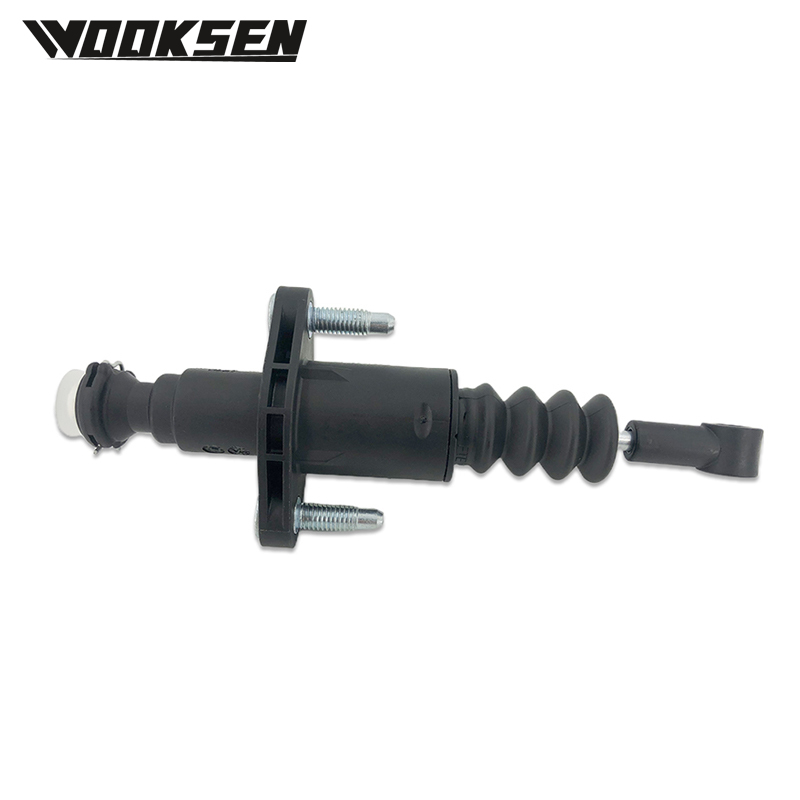
A Part Number That Deserves Careful Identification
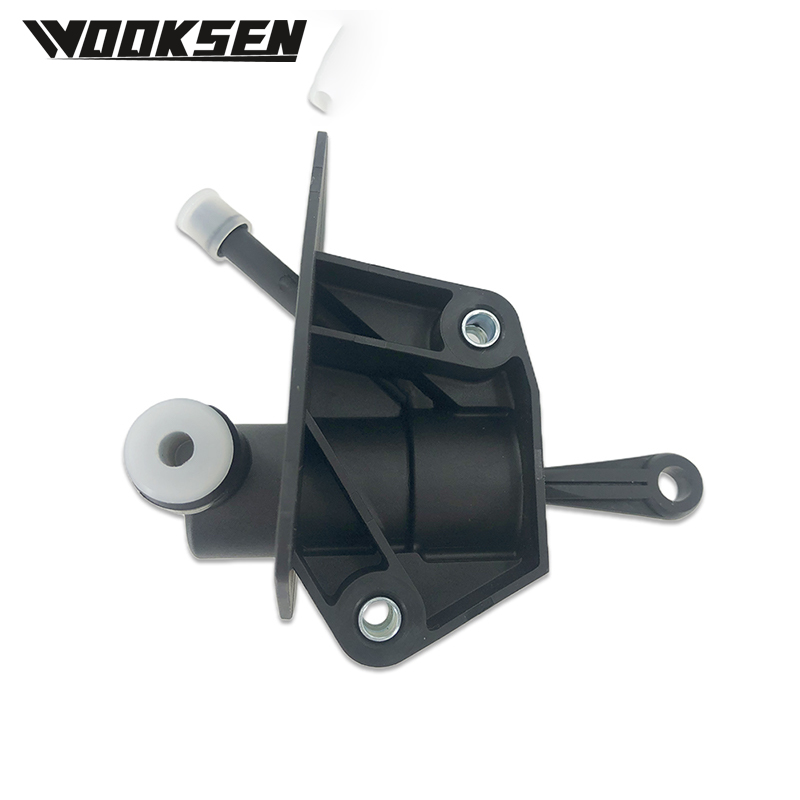
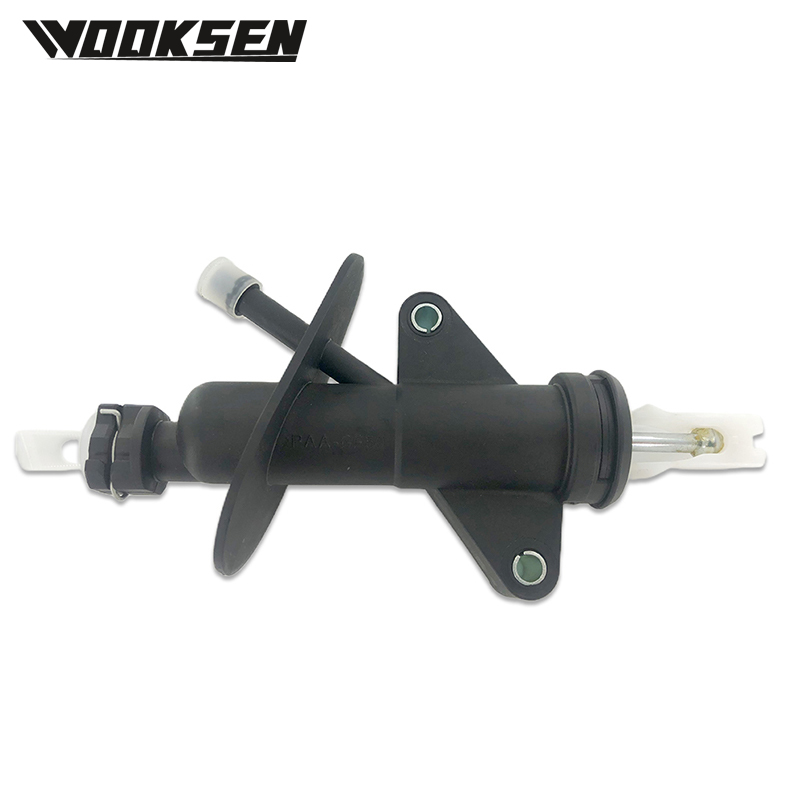
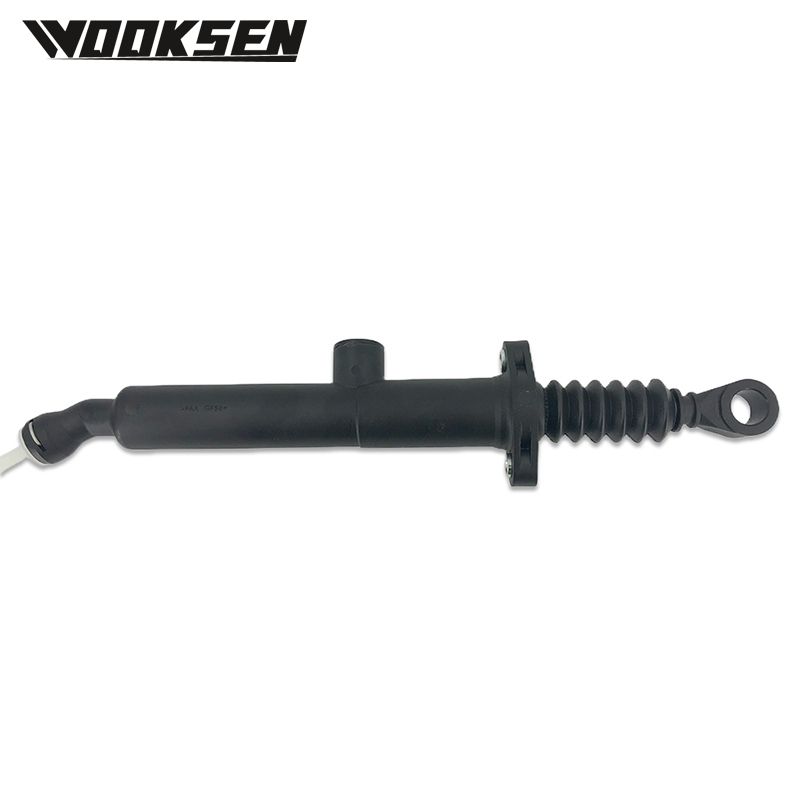
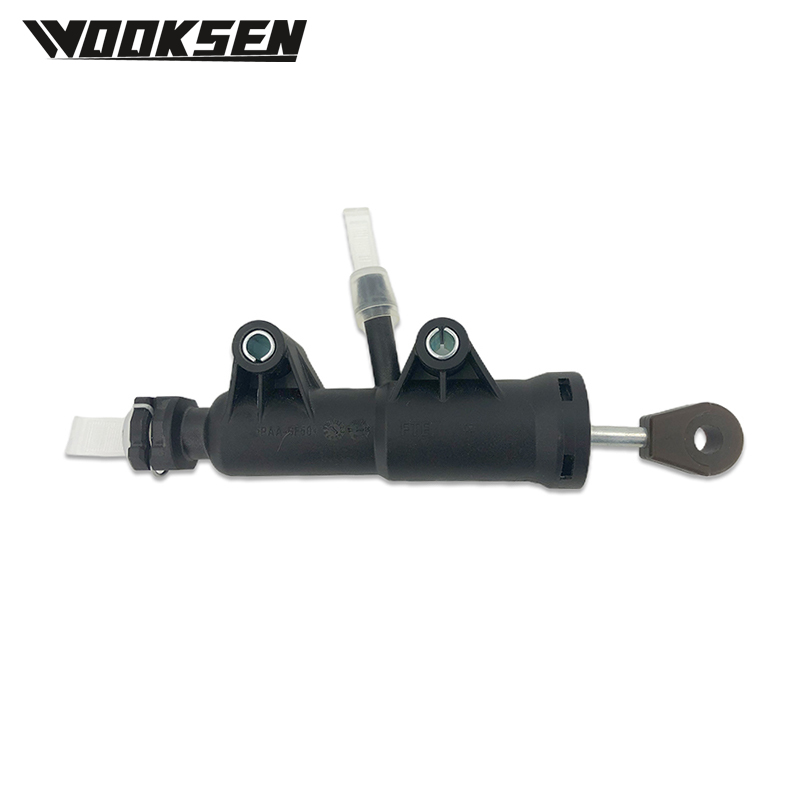
The 46100-S84-A52 Brake assembly is commonly identified as a brake master cylinder assembly rather than a complete brake system. The part number is associated with Honda applications and appears across aftermarket catalogs under several equivalent references. This makes the number useful for part identification, especially when buyers are working from an older vehicle or an existing component.
A brake master cylinder sits near the beginning of the hydraulic braking process. Driver pedal movement creates mechanical input, and the master cylinder converts that movement into hydraulic pressure. Brake fluid then carries this pressure toward the braking components at the wheels. In simple terms, the cylinder acts as a bridge between the driver's foot and the hydraulic circuit.
Where Does 46100-S84-A52 Brake assembly Fit?
Application information links the 46100-S84-A52 Brake assembly to several Honda and Acura vehicles from the late 1990s and early 2000s. Catalog listings include Honda Accord, Honda Odyssey, Acura CL, Acura TL, and Isuzu Oasis applications, although exact fitment depends on model year, engine configuration, body version, and brake system details.
This range of applications explains why the part number continues to appear in aftermarket searches. Older vehicles can have several similar-looking hydraulic components, yet small differences in mounting dimensions, outlet threads, piston size, or reservoir design can affect compatibility.
What Makes the Master Cylinder Important?
The master cylinder has a relatively simple job, but its position in the braking circuit gives it a key role. When the pedal moves, the piston inside the cylinder moves hydraulic fluid toward the brake circuits. The pressure created inside the cylinder allows the wheel-end braking components to respond to pedal input.
For the 46100-S84-A52 Brake assembly, catalog information commonly lists a 1-inch bore size. Some references also identify aluminum construction and two hydraulic outlets. These details can help parts professionals compare a replacement against an existing unit before placing an order.
Why Do Cross-Reference Numbers Matter?
A single brake component can appear under several numbers in different catalogs. For this part, references such as 46100-SX0-A01, 46100-SX0-A02, 46100-SY8-A51, and 8-86206-317-0 appear alongside 46100-S84-A52 in aftermarket listings.
Cross-reference information can save time during sourcing, but it should not replace vehicle-specific verification. A similar number may belong to a different bore size or configuration. Matching the OE number, vehicle details, and physical specifications gives distributors a clearer route toward correct identification.
How Should Buyers Read the Part Number?
The 46100-S84-A52 Brake assembly can be treated as an identification starting point rather than a complete fitment answer. Buyers can first compare the OE number, then check the vehicle model, production period, engine, brake configuration, mounting pattern, outlet arrangement, and bore size.
This approach is useful for wholesalers, repair-part distributors, and aftermarket catalog teams handling older Honda and Acura applications. Clear part-number mapping also helps reduce confusion when several replacement references appear in different catalogs.
A Practical Reference for Aftermarket Sourcing
The 46100-S84-A52 Brake assembly remains a recognizable reference for a group of older vehicle applications. Its role in the hydraulic braking circuit is straightforward, yet correct identification still depends on details beyond the number printed in a catalog.
For automotive parts businesses, organizing OE numbers, cross references, application data, and dimensional information around this component can make product searches easier. It also gives customers a clearer way to distinguish a brake master cylinder from other parts in the braking system.

 English
 русский
 Español
 عربى
عربى