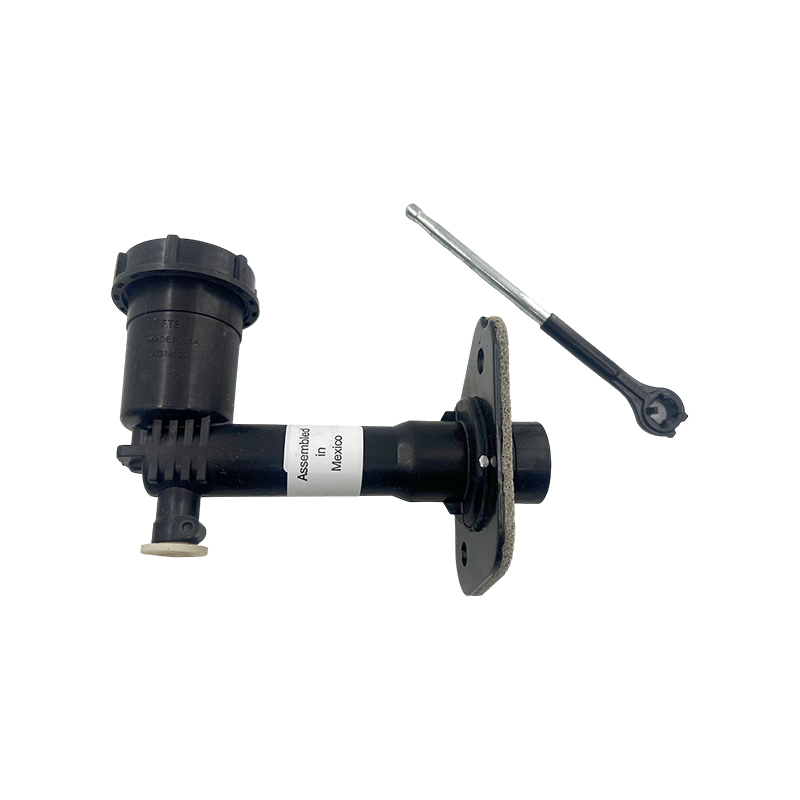
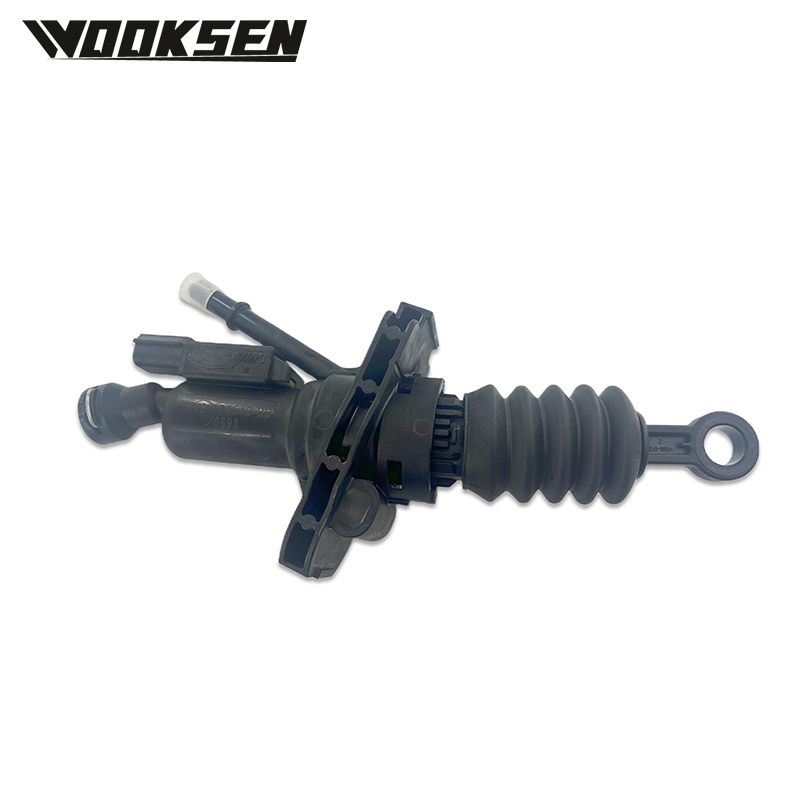
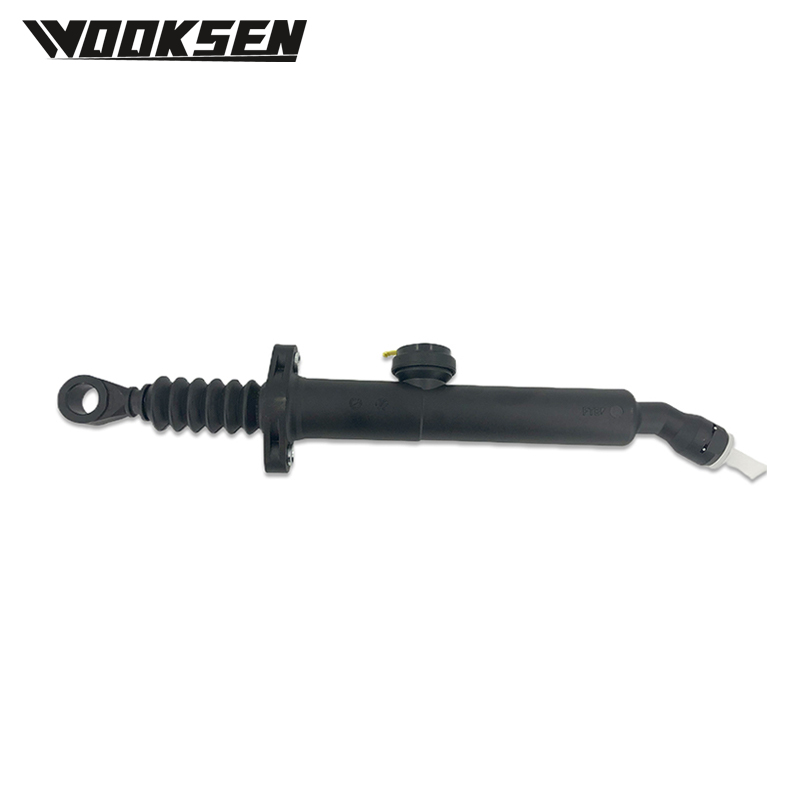
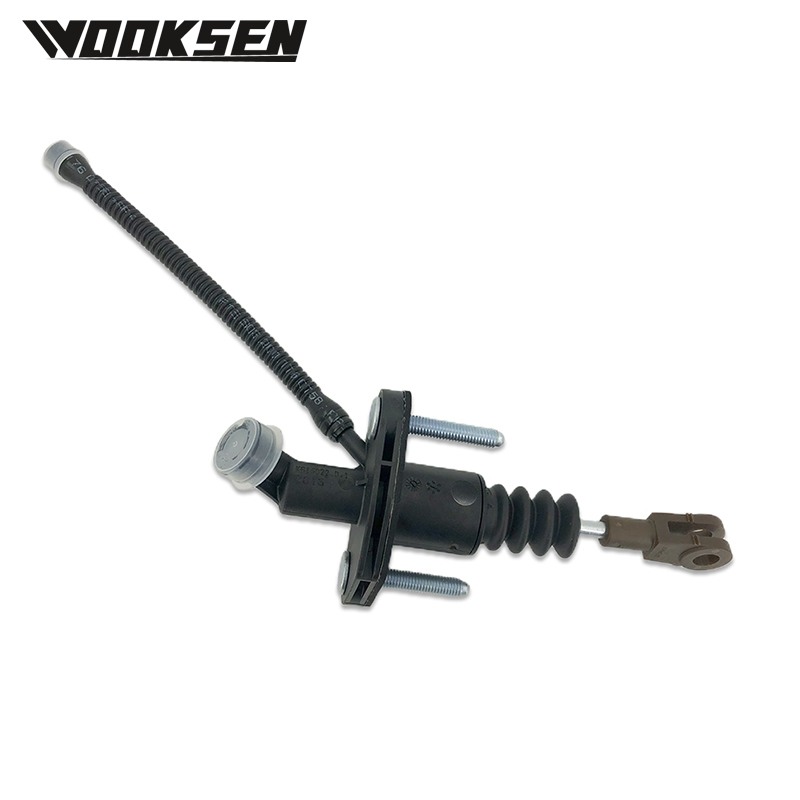
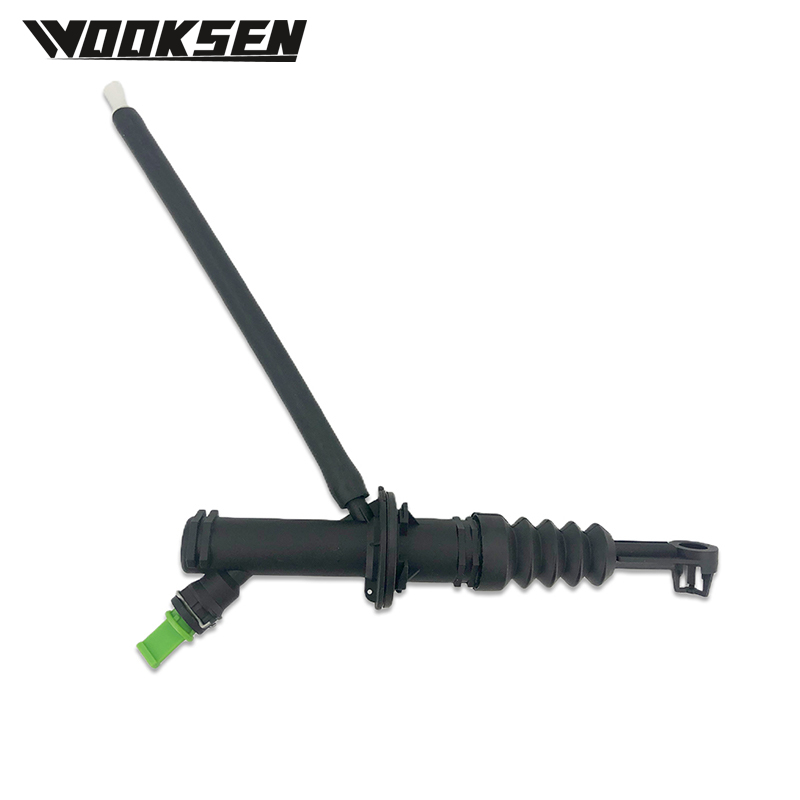
In automotive aftermarket catalogs, a part number often provides a faster way to identify a component than a long product description. The 46100-SM4-G52 Brake master cylinder is one such reference, appearing in brake component catalogs alongside related Honda and Acura applications. For distributors, importers, and replacement-parts suppliers, the OE number helps connect a specific hydraulic component with vehicle application information.
How the Master Cylinder Fits the Brake System
A brake master cylinder converts mechanical input from the brake pedal into hydraulic pressure. Inside the cylinder, piston movement pushes brake fluid into the hydraulic circuits, allowing pressure to reach the wheel-end braking components.
The 46100-SM4-G52 Brake master cylinder belongs to this hydraulic control section. Its role is not simply to act as a fluid container. The cylinder body, piston assembly, seals, ports, and reservoir connection work together to create controlled hydraulic movement.
For parts wholesalers, understanding this structure is useful when comparing different master-cylinder references. Two components can look similar externally yet have different bore sizes, port arrangements, mounting details, or vehicle applications.
Bore Size Matters During Parts Matching
Catalog information lists a 25.4 mm bore diameter for the 46100-SM4-G52 Brake master cylinder family. Some aftermarket catalogs also describe this reference as a 1-inch master cylinder.
Bore diameter affects the hydraulic relationship between piston movement and fluid displacement. This makes dimensional information an important part of product identification.
For automotive parts suppliers, the OE number should therefore be checked together with application data and component dimensions. Using the reference number alone may not provide enough information when several related master-cylinder numbers appear in the same catalog.
Vehicle Application Data Creates a Clearer Picture
The 46100-SM4-G52 Brake master cylinder has been listed for Honda Accord applications across several production periods and configurations. Catalog records also associate the reference with Honda Shuttle and Acura Vigor applications.
This range of applications explains why OE cross-referencing matters in aftermarket distribution. A supplier may receive an inquiry containing only a part number, while another customer may provide a vehicle model, engine code, production period, or body designation.
A useful product listing can connect these details without making the description unnecessarily complicated.
Production Details Worth Checking
When sourcing the 46100-SM4-G52 Brake master cylinder, manufacturers and distributors commonly pay attention to several physical features. These include cylinder bore, housing dimensions, mounting points, hydraulic outlet positions, reservoir configuration, piston arrangement, and sealing components.
Some catalog records describe this reference as a two-connector design with a reservoir. These details are useful for creating clearer aftermarket product records because they give purchasing teams more information than a part number alone.
For bulk automotive-parts sourcing, consistent product identification also helps reduce confusion between related references. The G52, G53, and G54 numbers appear together in several catalogs, yet their vehicle applications can differ.
Why OE Cross-Reference Data Matters
The 46100-SM4-G52 Brake master cylinder demonstrates how OE numbers function as a practical language between manufacturers, distributors, and replacement-parts buyers. Instead of describing every physical feature during an initial inquiry, a purchaser can start with the reference number and then confirm the required application.
Cross-reference information can also connect OE numbers with aftermarket references. This is useful for catalog development, product matching, warehouse classification, and export documentation.
For suppliers serving different markets, a structured product page can include the OE number, related references, application range, bore information, and basic construction details in clear language.

 English
 русский
 Español
 عربى
عربى