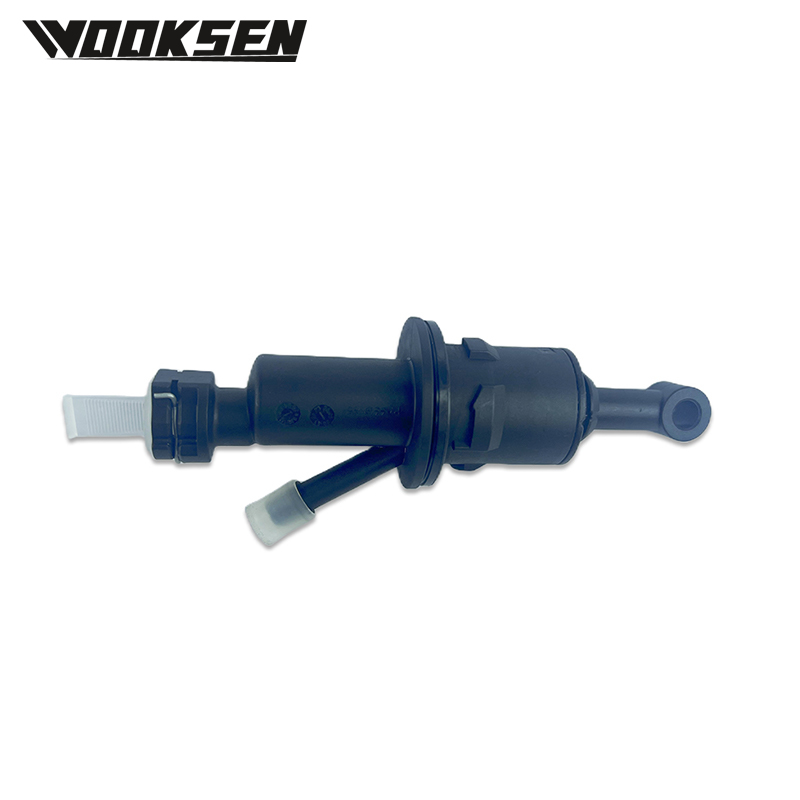
Part numbers rarely tell a story on their own — they just sit there in a catalog, waiting for someone to look them up. But once you dig into what a code like 1678165 Hydraulic clutch release bearing actually refers to, the picture gets a lot clearer, and honestly, a lot more interesting than it sounds at first glance.
A Small Part With a Big Job
Somewhere between the clutch pedal and the flywheel, there's a component that has to translate foot pressure into mechanical separation. That's the release bearing's whole purpose. Press the pedal, hydraulic fluid moves, and the bearing pushes forward against the pressure plate's spring fingers. The clutch disc lifts away from the flywheel, and the gears can shift without grinding. The 1678165 Hydraulic clutch release bearing does exactly this, just packaged for a particular set of applications.
What sets the hydraulic version apart from an older cable-actuated release bearing is that the actuator itself lives right inside the bearing housing. No external fork pushing on it from outside — the pressure comes from within, through a small built-in piston. Fewer moving parts outside the unit, less linkage to worry about.
Where This Thing Actually Sits
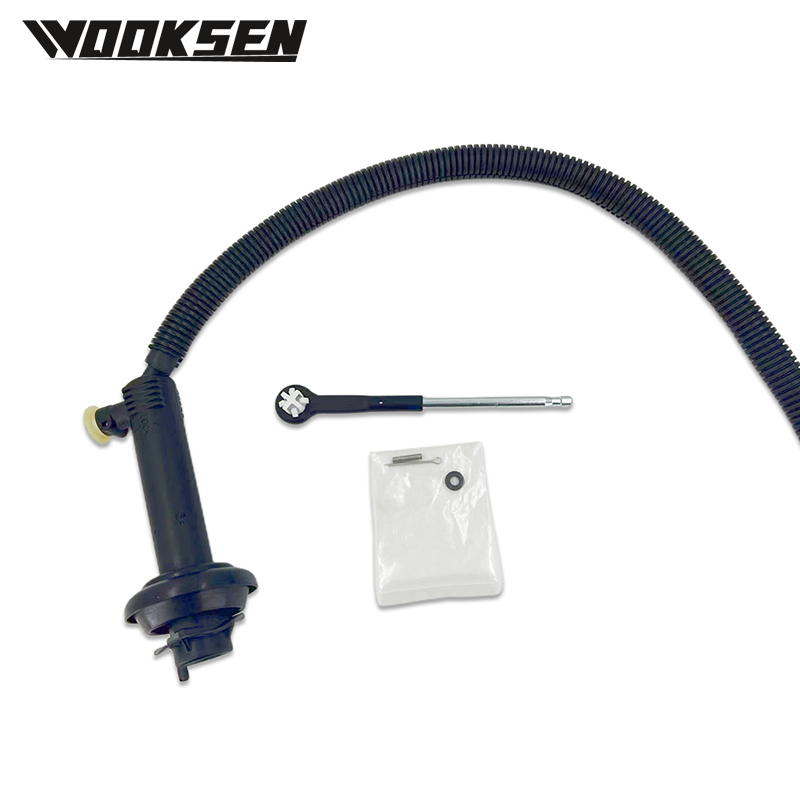
Picture the transmission input shaft. Wrapped around it, spinning right along with it, sits this bearing assembly — a concentric slave cylinder, in technical terms. The piston stays put while the sleeve rotates, which sounds like a contradiction until you realize that's precisely what a bearing is built to allow: rotation on one side, stillness on the other, without one interfering with the other.
You'll see the 1678165 Hydraulic clutch release bearing referenced under a handful of names — concentric slave cylinder, CSC, hydraulic throw-out bearing. Different catalogs, different habits, same general idea underneath.
What It's Made Of
Nothing exotic here. A sealed ball bearing paired with a piston chamber, usually built from reinforced polymer or aluminum. The bearing race carries the rotational load; the piston chamber handles the hydraulic side, holding fluid under pressure without letting it escape. Seals inside are shaped to cope with heat, since this part sits close to the transmission where things warm up during regular driving.
Anyone comparing listings for the 1678165 Hydraulic clutch release bearing quickly notices that specifications aren't uniform — bore size, piston travel, fitting type all shift from one version to another, even among parts with nearly identical names.
Cross-Referencing Without the Headache
Fleet parts buyers know the drill: mixed vehicles, mixed catalogs, and a constant need to match numbers correctly. The designation 1678165 Hydraulic clutch release bearing is one line item among thousands, and getting it wrong means a part that looks right but doesn't fit. Interchange lists help here, connecting this reference to equivalent codes across different suppliers, which matters when one listing runs dry and a substitute is needed fast.
Workshops that handle clutch jobs regularly tend to keep a short list of common release bearing codes on hand, just so a transmission doesn't sit half-open while someone tracks down the right part elsewhere.
Fitment Isn't Always Obvious
Here's the thing about compatibility — it's rarely as simple as the year on the title. Some platforms share a bellhousing across several model years, which can stretch the range of vehicles a 1678165 Hydraulic clutch release bearing will actually fit. But that stretch needs confirming against the exact transmission variant, not just assumed from a shared badge or engine family.
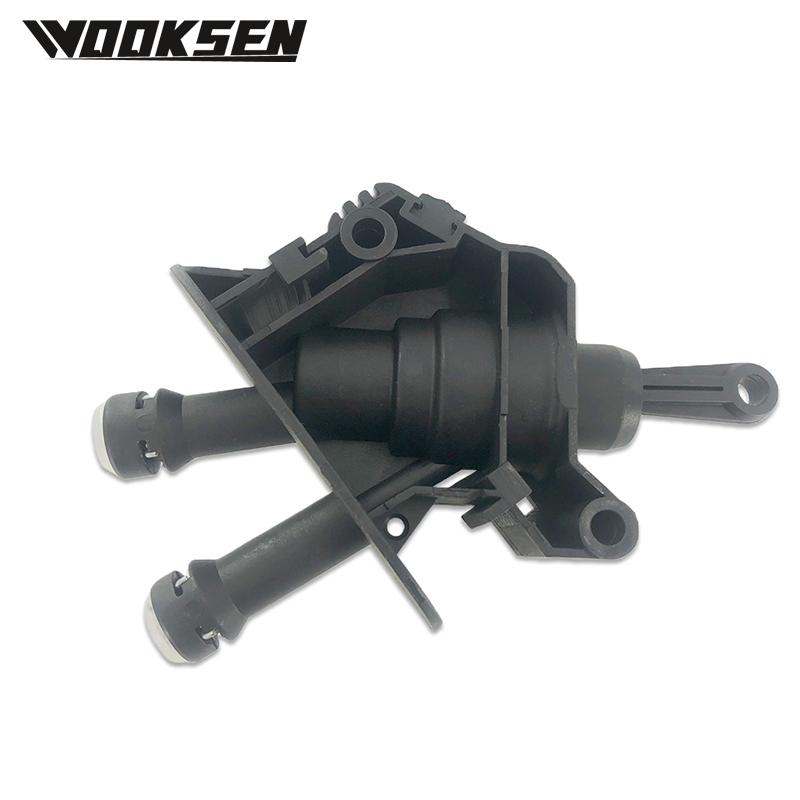
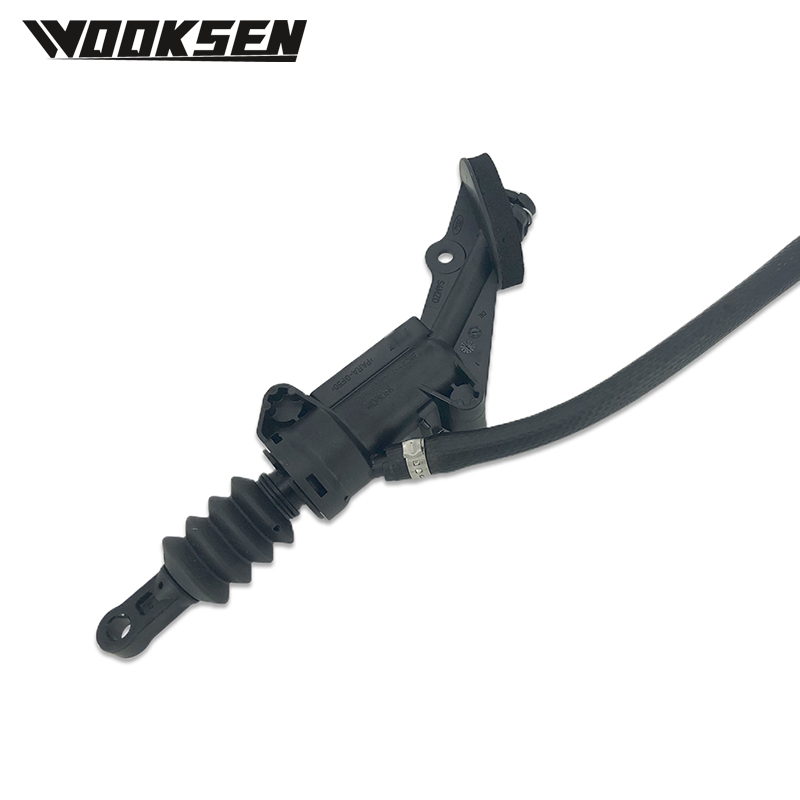
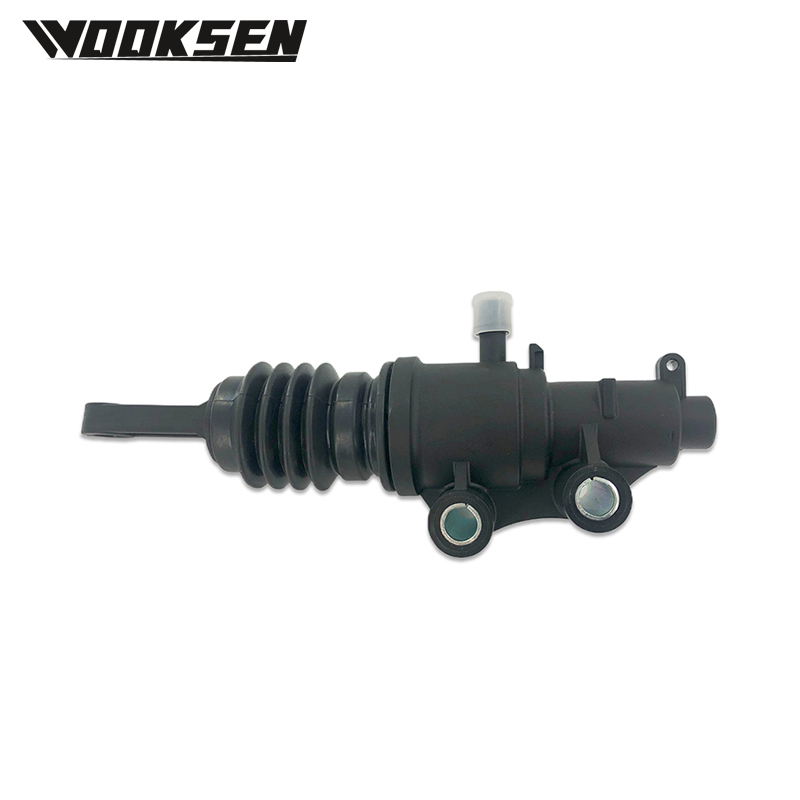
Once you trace the whole hydraulic path — master cylinder, line, release bearing — the reason exact matching matters starts to make a lot more sense. It's a small part, but it's not an interchangeable one.

 English
 русский
 Español
 عربى
عربى