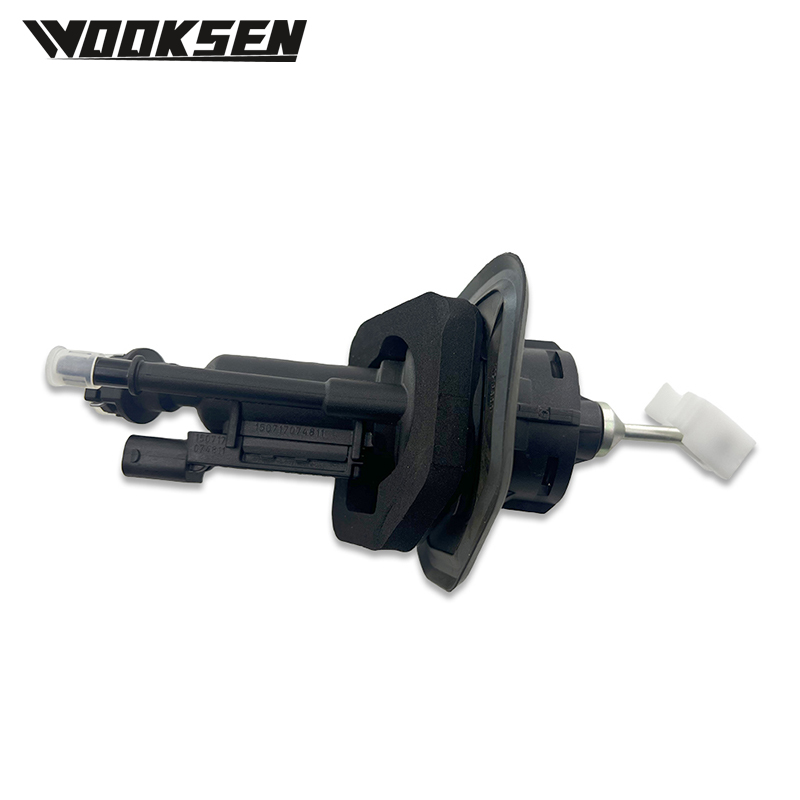
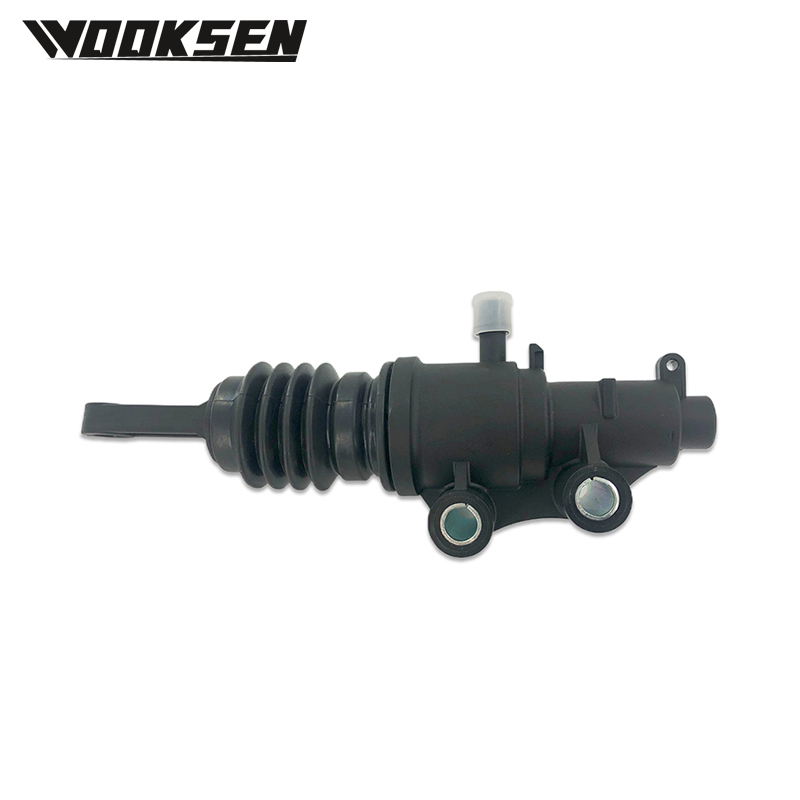
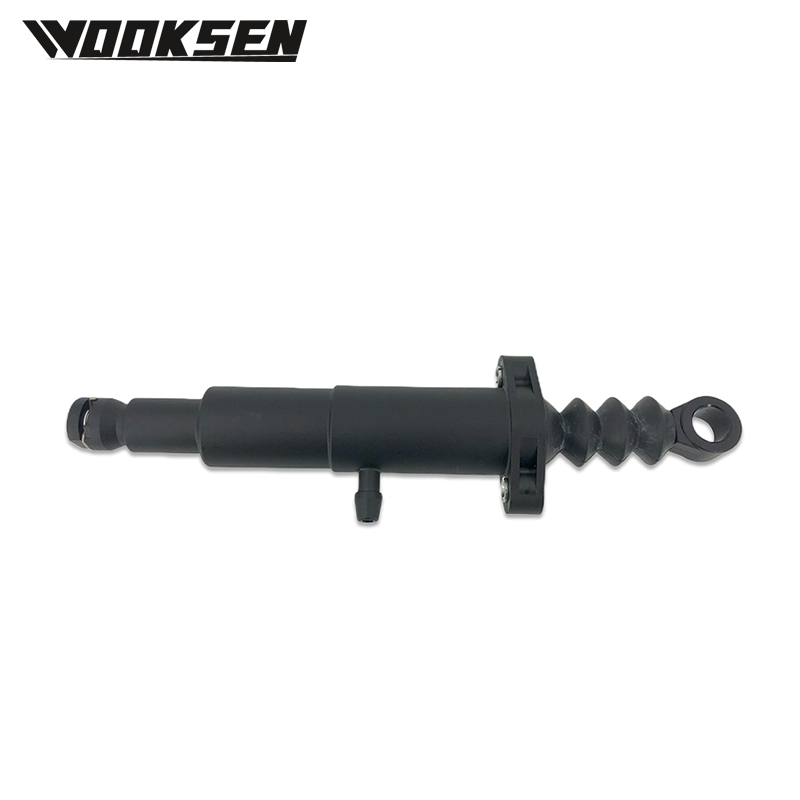
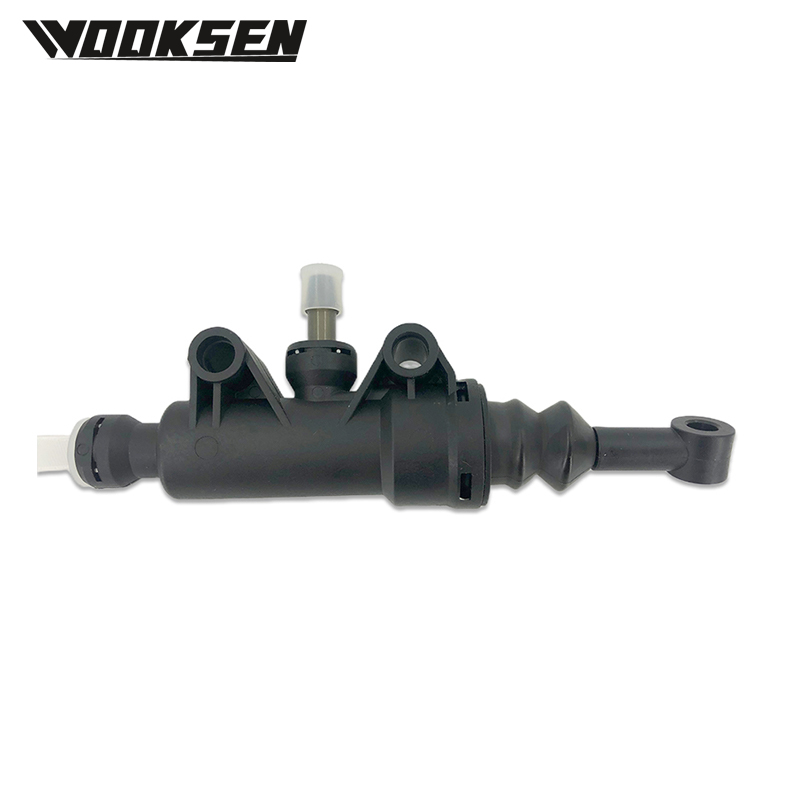
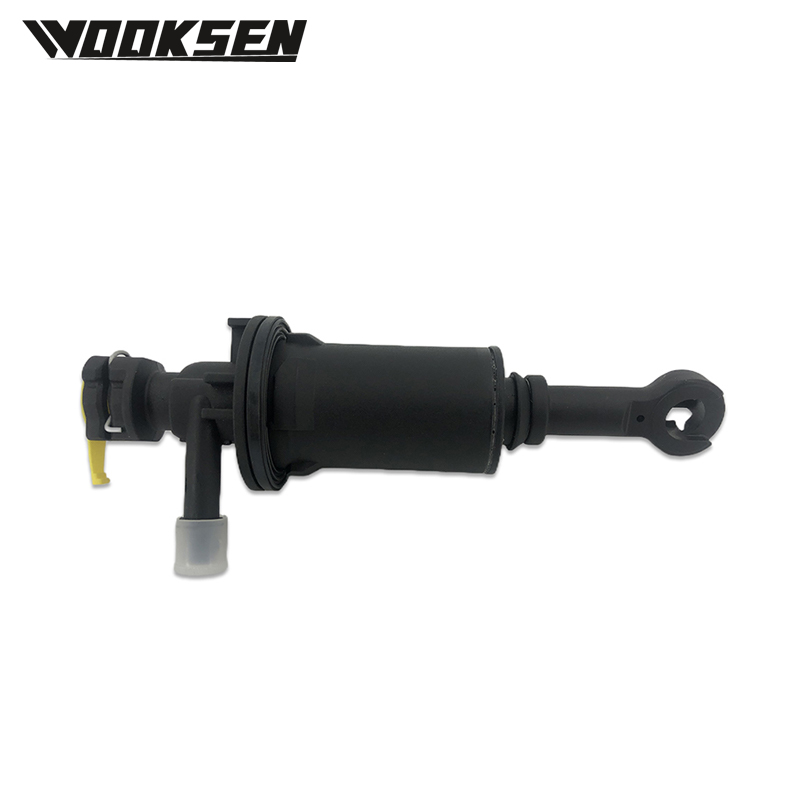
The clutch master cylinder 1913885 2S61-7A543-AF plays a vital role in modern vehicle transmission systems, acting as a key interface between driver input and mechanical response. Located within the hydraulic clutch system, this component converts pedal force into hydraulic pressure, enabling smooth engagement and disengagement of the clutch. Its function directly affects driving comfort, vehicle control, and long-term reliability, making it a critical element in both passenger and commercial vehicles.
In daily driving conditions, the clutch master cylinder 1913885 2S61-7A543-AF ensures consistent pressure delivery, allowing drivers to shift gears smoothly without excessive effort. Precision engineering enables this component to respond accurately to subtle pedal movements, supporting controlled acceleration and deceleration. A well-designed clutch master cylinder reduces vibration, minimizes noise, and contributes to a refined driving experience, particularly in urban traffic and long-distance travel.
Material selection plays a significant role in clutch master cylinder 1913885 2S61-7A543-AF performance. Manufacturers commonly use aluminum alloys, reinforced plastics, and corrosion-resistant seals to withstand pressure fluctuations and temperature changes. Internal components must resist wear from continuous hydraulic fluid contact, ensuring stable performance across extended service intervals. Advances in sealing technology help prevent fluid leakage, which is essential for maintaining hydraulic efficiency and avoiding sudden clutch failure.
Manufacturing precision is essential to ensure consistent bore dimensions and smooth internal surfaces. High-quality machining reduces friction between the piston and cylinder walls, improving responsiveness and extending component lifespan. Automated testing systems simulate repeated clutch engagement cycles, allowing manufacturers to evaluate durability under real-world driving conditions. These quality control measures help ensure that each clutch master cylinder performs reliably across different vehicle platforms.
The integration of the clutch master cylinder 1913885 2S61-7A543-AF into modern vehicle systems has evolved alongside advancements in automotive design. Compact engine bays and modular platforms require components that offer high performance within limited space. As a result, manufacturers focus on lightweight designs that maintain strength and pressure stability. This balance supports fuel efficiency goals without compromising mechanical reliability.
Driver expectations also influence clutch master cylinder 1913885 2S61-7A543-AF development. Consumers increasingly value smooth pedal feel and predictable response, especially in vehicles designed for daily commuting. Engineers refine internal spring rates and piston travel distances to achieve a balanced pedal profile. These refinements reduce driver fatigue and improve control, particularly during frequent gear changes.
Environmental considerations have become part of clutch master cylinder 1913885 2S61-7A543-AF innovation. Manufacturers explore materials that reduce environmental impact while maintaining durability and performance. Improved hydraulic fluid compatibility reduces degradation and supports longer service life, minimizing waste from frequent replacements. Production processes increasingly emphasize efficiency, reducing material loss and energy consumption during manufacturing.
In commercial and heavy-duty vehicles, the clutch master cylinder 1913885 2S61-7A543-AF must endure higher loads and more demanding operating conditions. Reinforced designs and advanced sealing systems support consistent performance in applications such as logistics, construction, and public transportation. Reliability in these environments helps prevent downtime and supports operational efficiency for fleet operators.
Technological progress continues to shape the future of clutch master cylinder 1913885 2S61-7A543-AF design. Simulation tools allow engineers to model pressure distribution and wear patterns before production begins. This approach reduces development time and enhances performance predictability. Integration with advanced driver assistance systems may further influence clutch system design, particularly in semi-automated or hybrid drivetrains.
The clutch master cylinder 1913885 2S61-7A543-AF remains a fundamental yet often overlooked component within the automotive ecosystem. Its influence on vehicle control, comfort, and safety underscores its importance in both current and future mobility solutions. Ongoing engineering refinement and material innovation enable the clutch master cylinder to support smoother, more reliable driving experiences across global automotive markets.

 English
 русский
 Español
 عربى
عربى