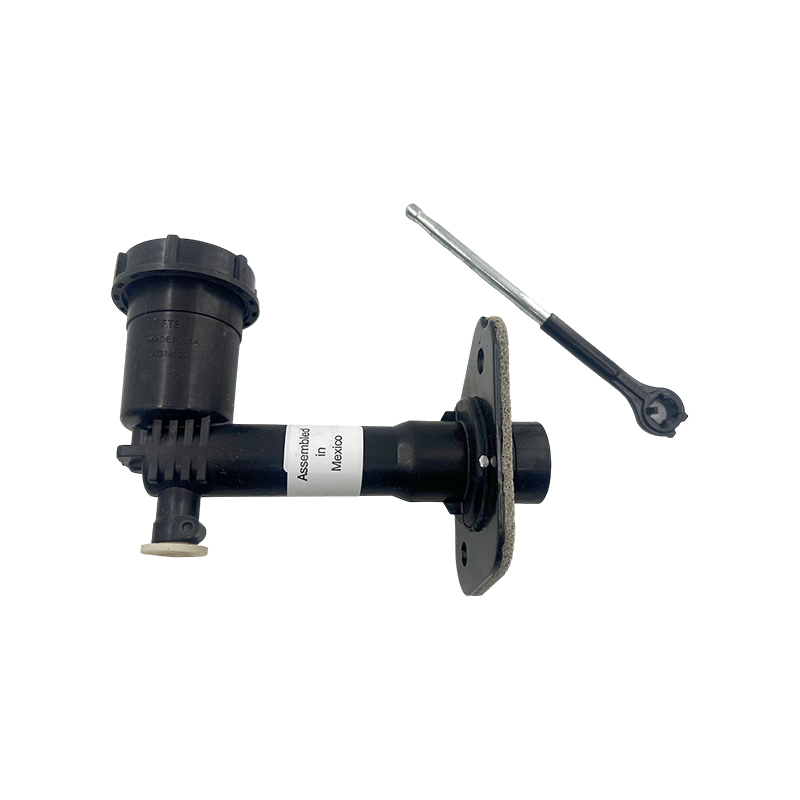
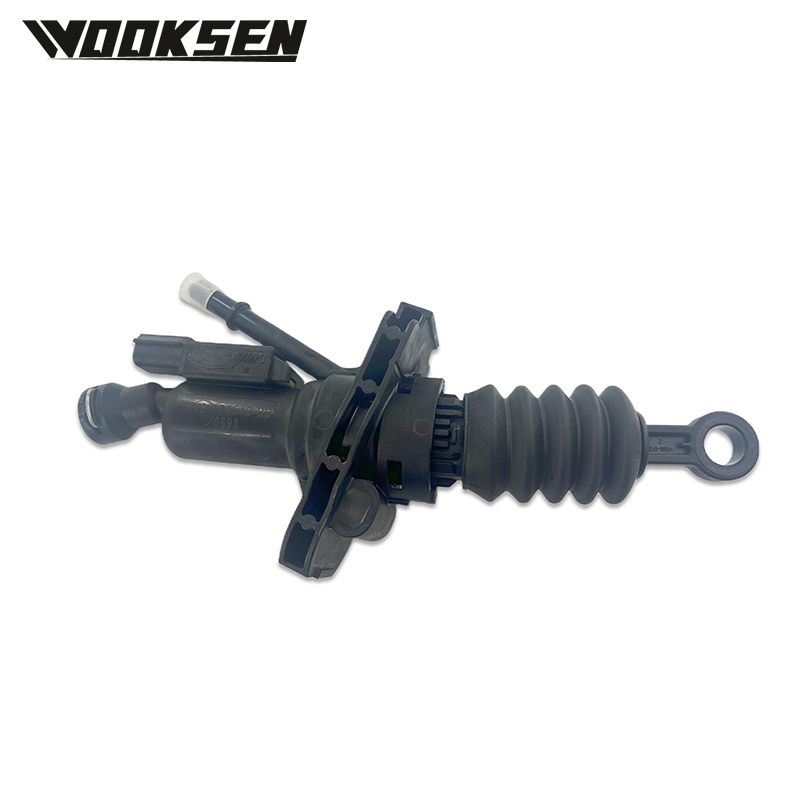
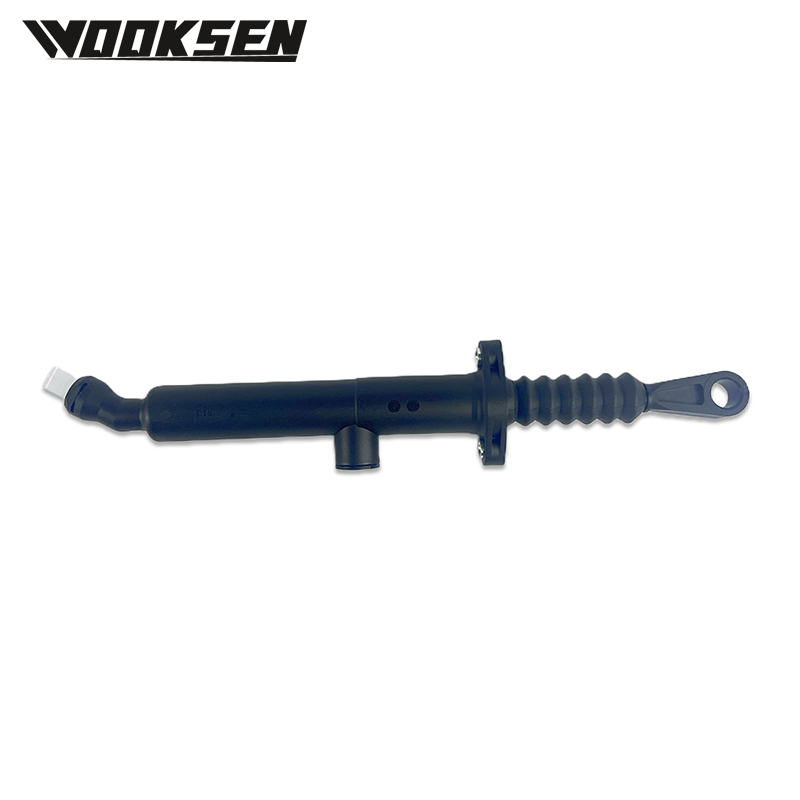
The brake assembly is an essential component in vehicles, providing critical safety functions by slowing or stopping the vehicle when necessary. Brake assemblies are integral not only in traditional cars but also in electric vehicles and commercial vehicles, with manufacturers constantly improving their efficiency and performance.
Brake assemblies typically consist of several key parts, including the brake pads, discs or drums, calipers, and the hydraulic or mechanical systems that enable them to function effectively. The materials used in these components have also evolved, with modern brake pads, for example, often made from a combination of metal, ceramic, and organic compounds designed to offer better performance and reduce wear.
Manufacturers of brake assemblies are under constant pressure to develop systems that improve safety, enhance performance, and reduce environmental impact. Automotive regulations tightening worldwide drive increasing demand for high-quality brake systems that meet the latest safety and emissions standards. Companies are increasingly turning to advanced technologies, such as regenerative braking systems, which recover energy during braking to help recharge batteries in electric vehicles. This innovation not only makes braking systems more efficient but also contributes to the overall energy efficiency of electric vehicles.
One of the key trends in the brake assembly market is the increasing demand for lighter, more durable materials. The automotive industry is focused on reducing vehicle weight to improve fuel efficiency and reduce carbon emissions. As a result, manufacturers are turning to lightweight materials such as aluminum alloys, carbon composites, and other advanced materials to make brake components lighter without compromising performance. This trend is particularly evident in the growing market for electric and hybrid vehicles, where every reduction in weight can contribute to improved driving range and energy efficiency.
In addition to the use of advanced materials, manufacturers are also exploring more precise and efficient manufacturing processes. Automation and robotics are increasingly being used in the production of brake assemblies to improve accuracy, reduce labor costs, and increase production capacity. These technological advancements have allowed manufacturers to meet the growing demand for high-quality brake assemblies while maintaining cost-effectiveness.
The global brake assembly market is influenced by a variety of factors, including the overall health of the automotive industry, advancements in vehicle technology, and shifting consumer preferences. The increasing popularity of electric vehicles has created a new demand for specialized brake systems, as these vehicles often require different braking systems compared to traditional internal combustion engine (ICE) vehicles.
The competition in the brake assembly market is fierce, with several key players vying for market share. These manufacturers include large automotive suppliers, as well as specialized companies focused exclusively on brake systems. To remain competitive, companies are investing in research and development to create cutting-edge technologies that provide superior performance and reliability. They are expanding their product portfolios to include a broader range of brake components and systems to meet the needs of a diverse customer base.
The brake assembly plays a vital role in vehicle safety and performance. The evolution of the automotive industry drives changes in the brake assembly market, where manufacturers constantly work to meet growing demands for safety, performance, and sustainability. Brake assemblies remain a crucial component in ensuring safe and efficient transportation for both traditional vehicles and the next generation of electric vehicles worldwide.

 English
 русский
 Español
 عربى
عربى