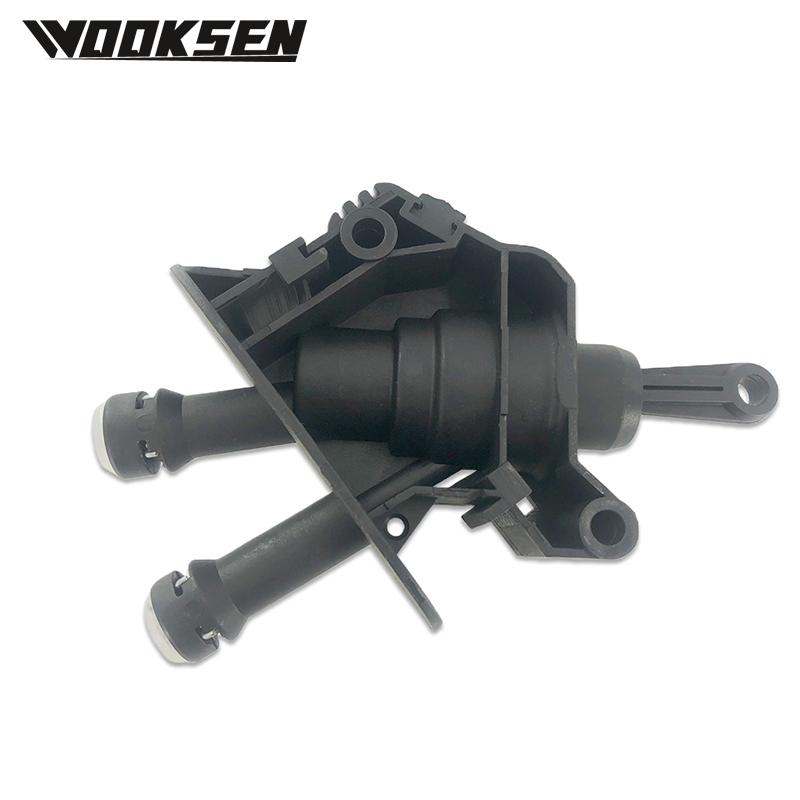
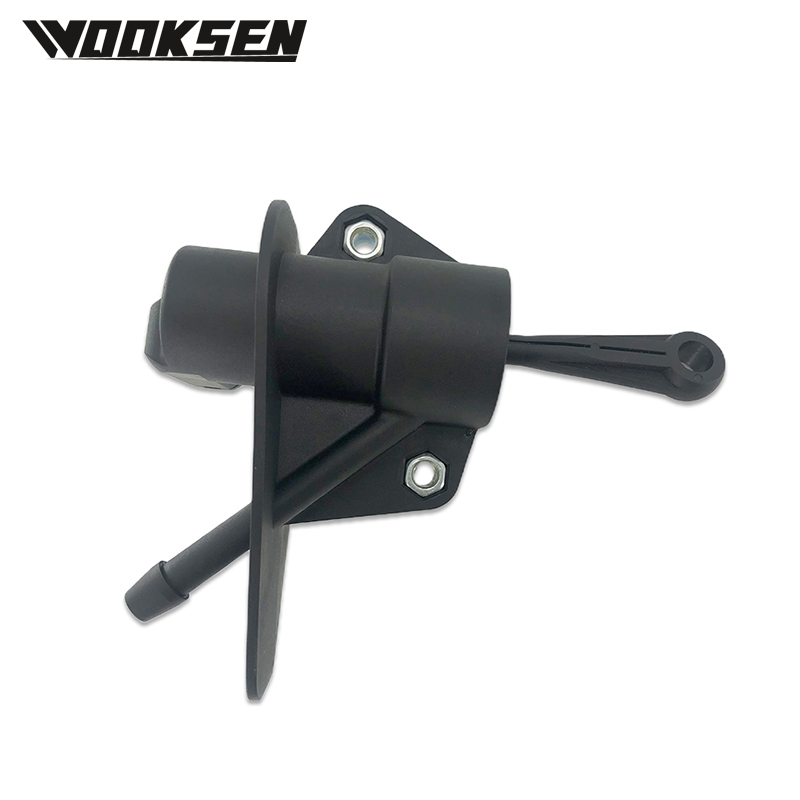
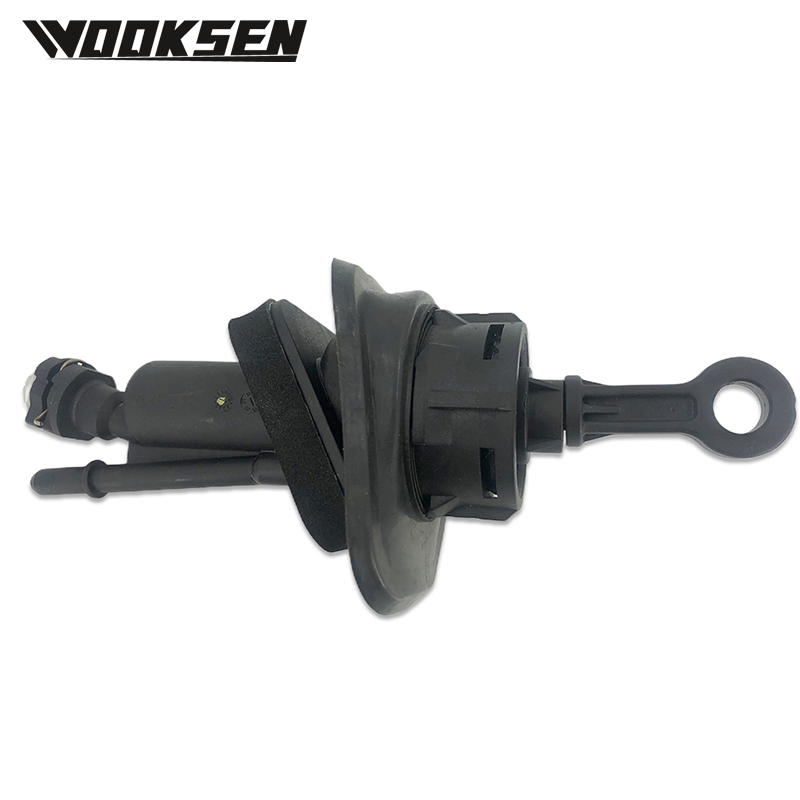
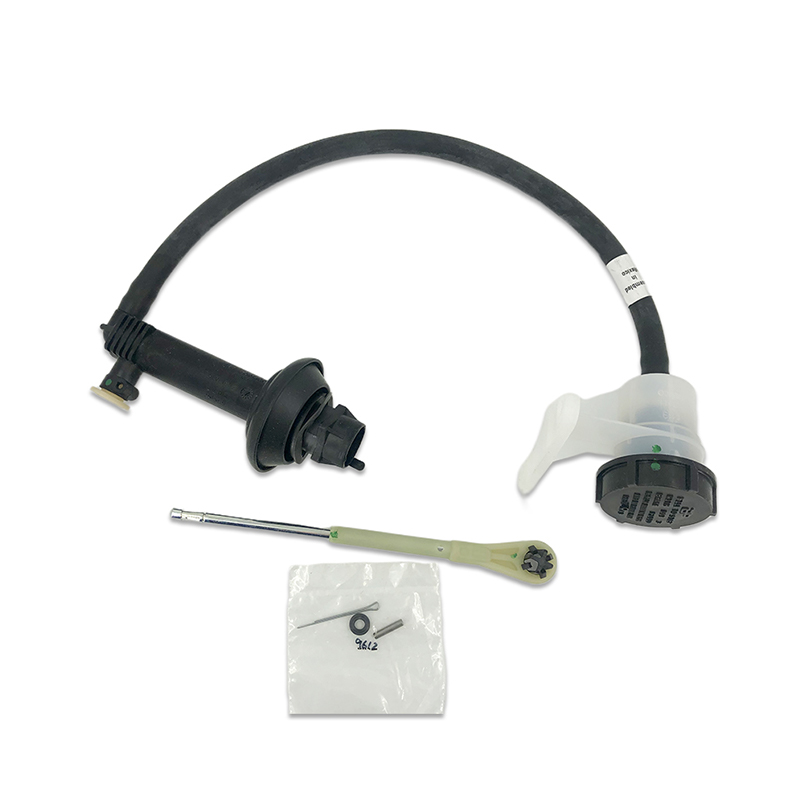
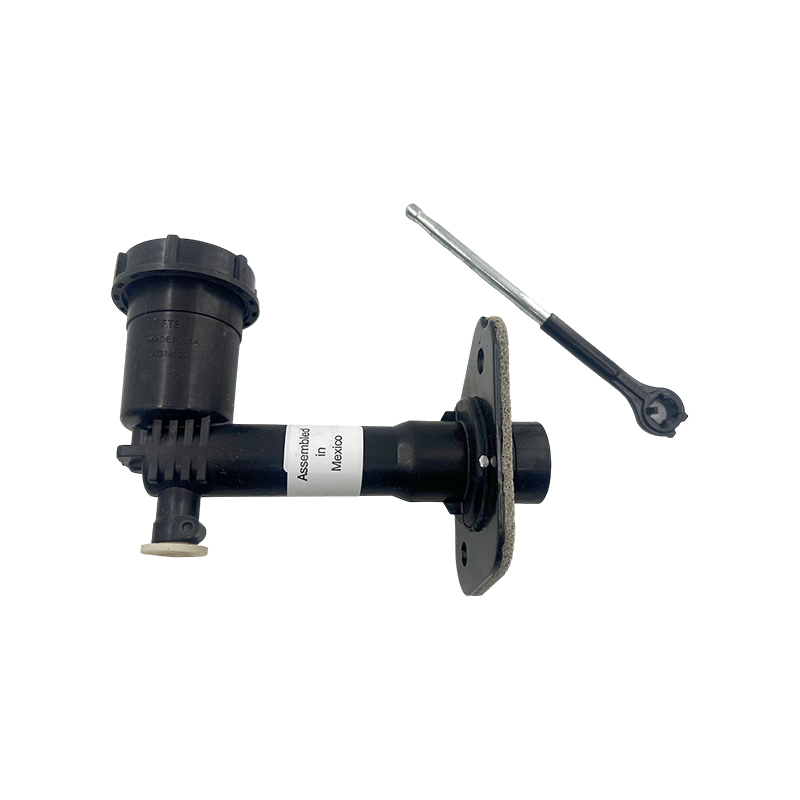
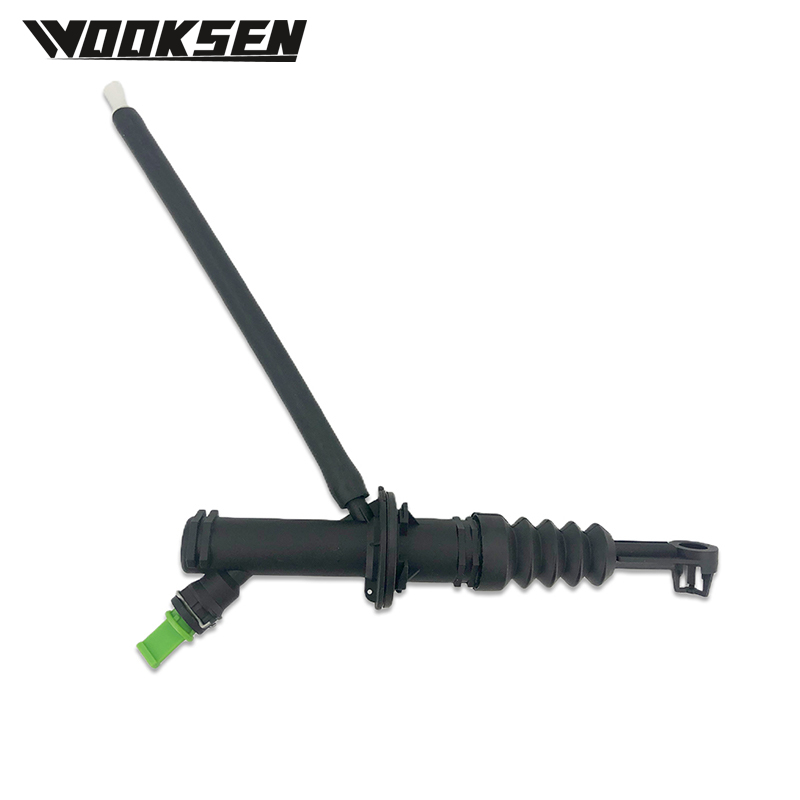
The clutch pump is a vital component in a hydraulic clutch system. It is responsible for creating the hydraulic pressure necessary to operate the clutch, allowing for smooth and efficient gear shifts in manual transmission vehicles. The clutch pump works closely with other hydraulic components, such as the master cylinder, slave cylinder, and clutch release bearing, to ensure that the clutch disengages properly when the pedal is pressed.
The Role of the Clutch Pump
When a driver presses the clutch pedal, the clutch pump generates hydraulic pressure that is sent to the master cylinder. This pressure is transferred to the slave cylinder, which moves the clutch release bearing and disengages the clutch from the flywheel. Without a properly functioning clutch pump, the entire clutch system may fail, resulting in difficulty shifting gears or even an inability to disengage the clutch entirely. Such issues can lead to further damage to the transmission, causing costly repairs. Timely maintenance of the clutch pump, including checking hydraulic fluid levels and inspecting for leaks, is crucial to prevent system failure and ensure smooth gear transitions.
Importance of Maintenance
Regular maintenance of the clutch pump is essential to keep the hydraulic clutch system operating efficiently. Over time, wear and tear can lead to reduced pump performance, potentially causing issues such as difficulty in engaging or disengaging the clutch. Drivers should ensure that the hydraulic fluid is at the proper level and inspect the system for leaks. It is important to replace old or damaged hydraulic fluid, as contaminants can affect the performance of the clutch pump. Ensuring the hydraulic lines are free from blockages and that seals are intact can prevent pressure loss and prolong the life of the clutch system, avoiding costly repairs.
Common Problems and Symptoms
One of the most common problems associated with a failing clutch pump is a soft or spongy clutch pedal. This is often caused by air in the hydraulic lines, which prevents the pump from generating adequate pressure. In some cases, a malfunctioning clutch pump can lead to a complete loss of pressure, making it impossible to disengage the clutch and shift gears. If drivers experience any of these symptoms, they should have the system inspected immediately to avoid further damage. Delaying repairs can lead to more severe issues, such as transmission damage or a complete clutch failure, resulting in more expensive repairs and potential vehicle downtime.
Repair and Replacement
Repairing or replacing a faulty clutch pump typically requires the removal of various components of the hydraulic clutch system. A professional mechanic will need to inspect the pump for signs of wear or malfunction. In cases where the pump is beyond repair, replacement with a new, high-quality pump is recommended. Regular inspections can help detect problems early, allowing for timely repair or replacement and avoiding costly clutch system failures. Addressing issues such as worn seals or contaminated fluid during these inspections can prevent further damage, ensuring the longevity and efficiency of the entire hydraulic system and maintaining optimal vehicle performance.
Summary
The clutch pump plays a crucial role in ensuring the smooth operation of a hydraulic clutch system. Regular maintenance and timely inspections are essential to avoid issues such as reduced pump performance or complete system failure. By monitoring hydraulic fluid levels, checking for leaks, and addressing common problems early, drivers can prevent costly repairs and prolong the life of their clutch system.

 English
 русский
 Español
 عربى
عربى