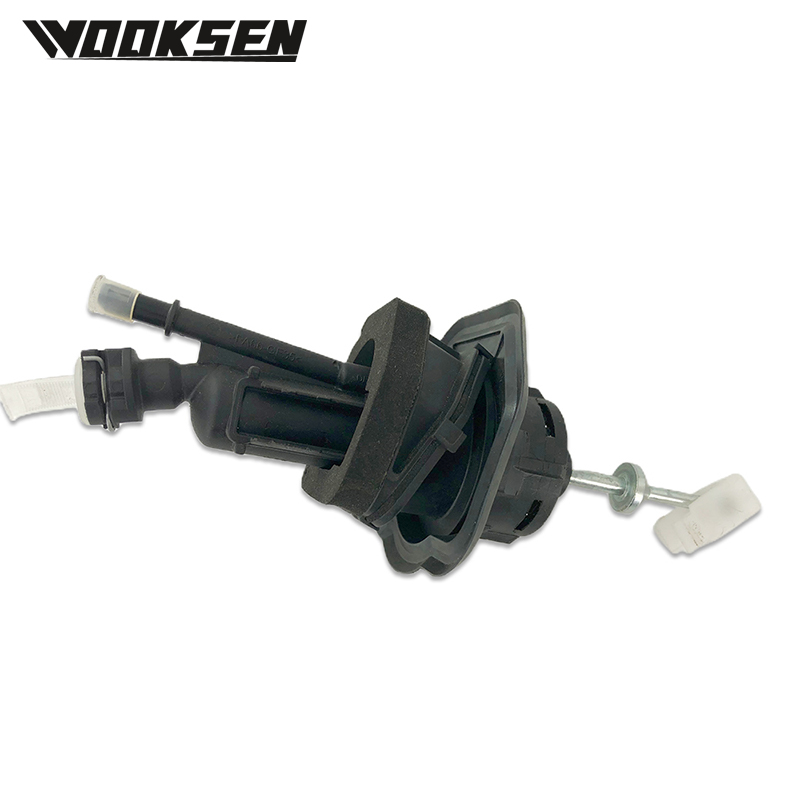
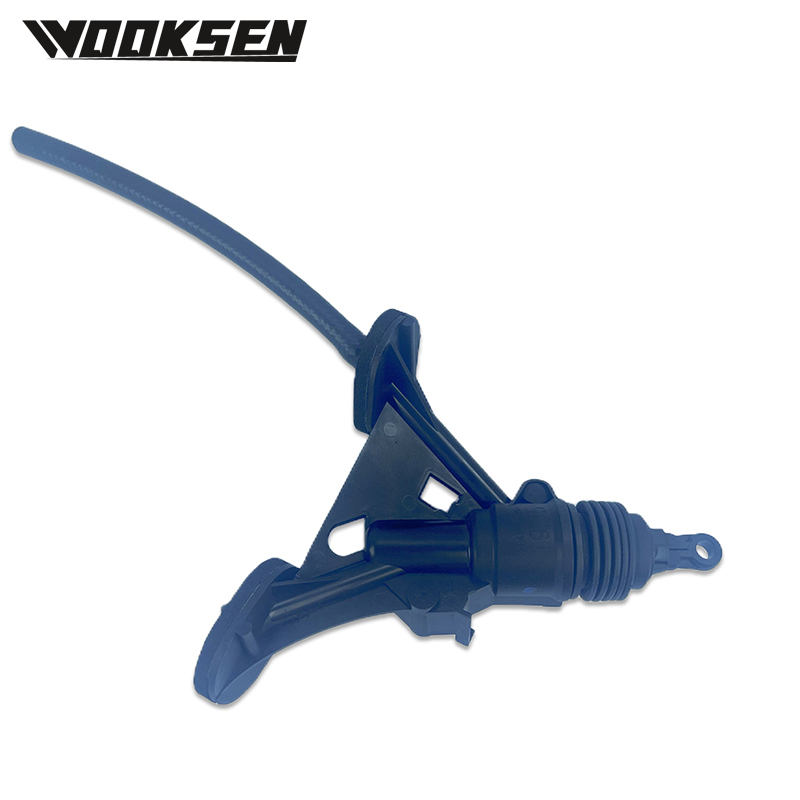
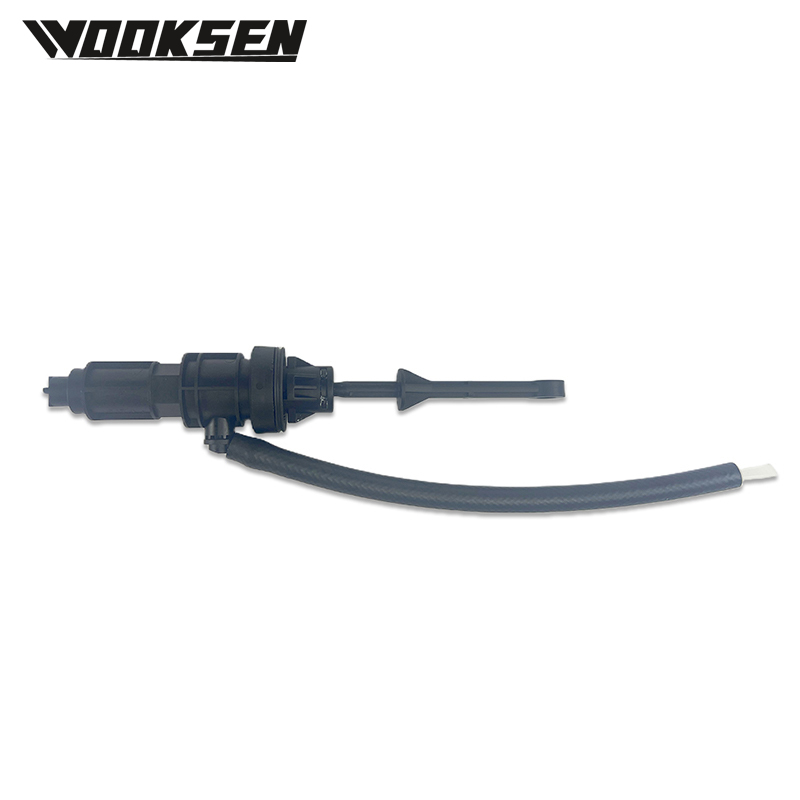
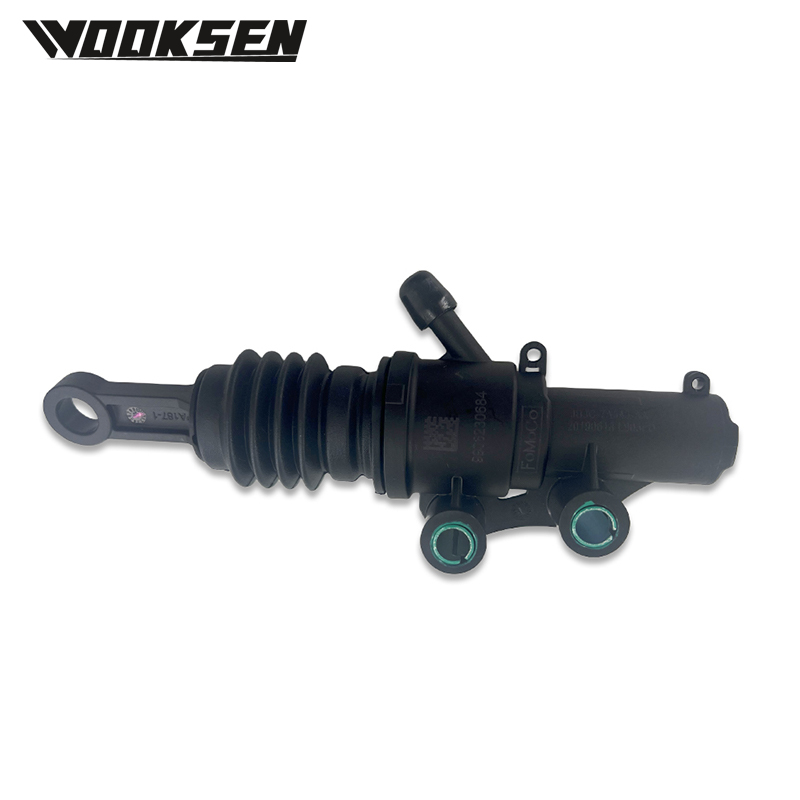
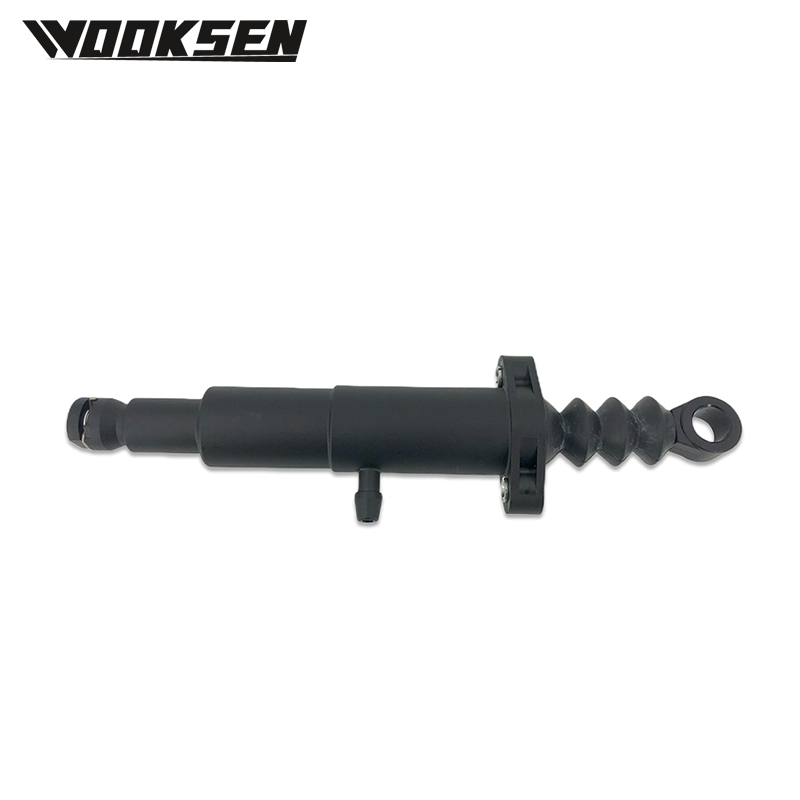
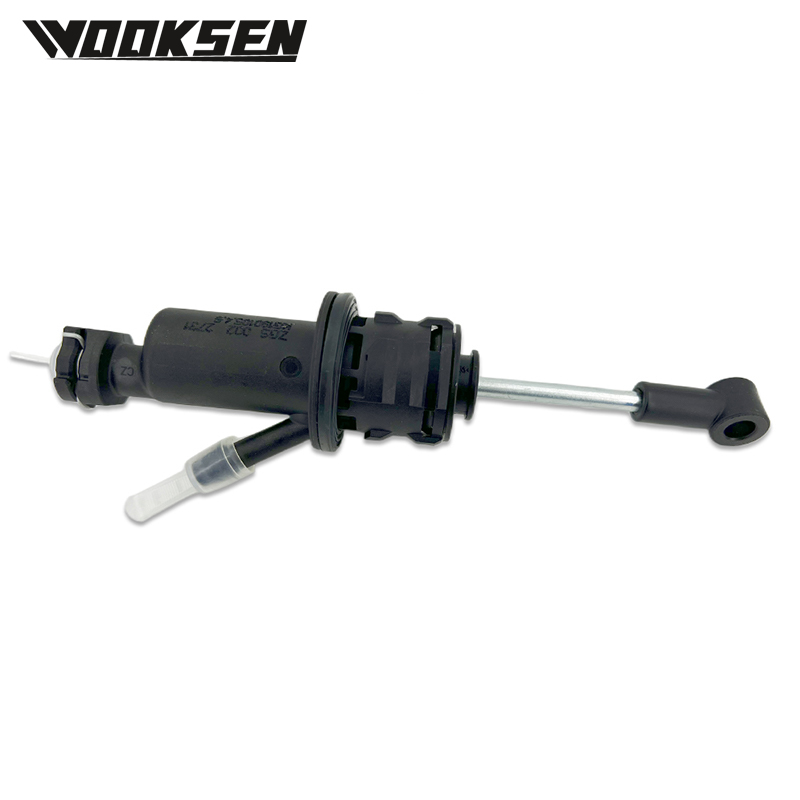
The hydraulic clutch release bearing plays an essential role in modern manual transmission systems. It is part of the clutch mechanism, working alongside the clutch slave cylinder and master cylinder to ensure smooth operation when shifting gears. This component uses hydraulic pressure to disengage the clutch, allowing the driver to change gears without stalling or causing damage to the transmission.
Function and Operation
When the driver presses the clutch pedal, hydraulic fluid is transmitted through a sealed system to the clutch release bearing. This fluid pressure acts on the bearing, which then moves towards the pressure plate, disengaging the clutch. This enables the engine to continue running without transferring power to the wheels, allowing the driver to change gears smoothly. Hydraulic systems are typically more responsive than mechanical linkages, offering a smoother feel and better control. They reduce the amount of physical effort required to operate the clutch, providing a more comfortable driving experience, especially in heavy traffic or long-distance driving. Hydraulic systems generally require less maintenance compared to traditional cable systems.
Advantages of Hydraulic Clutch Release Bearings
One of the primary advantages of hydraulic clutch release bearings over traditional mechanical systems is their ability to provide a more consistent and lighter pedal feel. With no need for manual adjustments like those required in cable-operated systems, hydraulic systems can maintain an even pressure level, which improves overall driving comfort. Hydraulic bearings are less prone to wear, as they do not rely on friction as mechanical systems do. Hydraulic systems are more durable and less affected by environmental factors such as temperature changes, offering improved performance in a variety of driving conditions. This results in fewer repairs and longer-lasting clutch systems.
Common Issues and Maintenance
Like all components in the clutch system, the hydraulic clutch release bearing can experience wear and potential failure over time. One of the most common issues is a fluid leak, which can cause a drop in hydraulic pressure. This results in a stiff or unresponsive clutch pedal, making gear changes more difficult. If left unchecked, this can lead to clutch system failure and more expensive repairs. Regular maintenance, including checking hydraulic fluid levels and inspecting for leaks, is essential for the longevity of the bearing. Inspecting seals for cracks and cleaning the system to remove contaminants can help prevent premature wear and ensure smooth, reliable clutch operation over time.
Replacement and Repair
Replacing a hydraulic clutch release bearing typically involves disassembling parts of the clutch system. While it is possible for a skilled technician to perform this task, it often requires specialized tools and knowledge of the vehicle's specific clutch design. Drivers should schedule an inspection if they notice issues like a hard clutch pedal, unusual noises, or difficulty shifting gears. Early diagnosis and repair can prevent further damage to the clutch and transmission, ensuring smooth driving. Timely replacement can also save money in the long run, as it prevents additional strain on other clutch components and ensures optimal vehicle performance.
Conclusion
The hydraulic clutch release bearing is essential for smooth gear shifts and optimal vehicle performance. Its advantages include lighter pedal feel, reduced maintenance, and improved durability compared to mechanical systems. Regular inspections and timely repairs are key to prolonging its lifespan, ensuring efficient clutch operation and preventing costly damage.

 English
 русский
 Español
 عربى
عربى