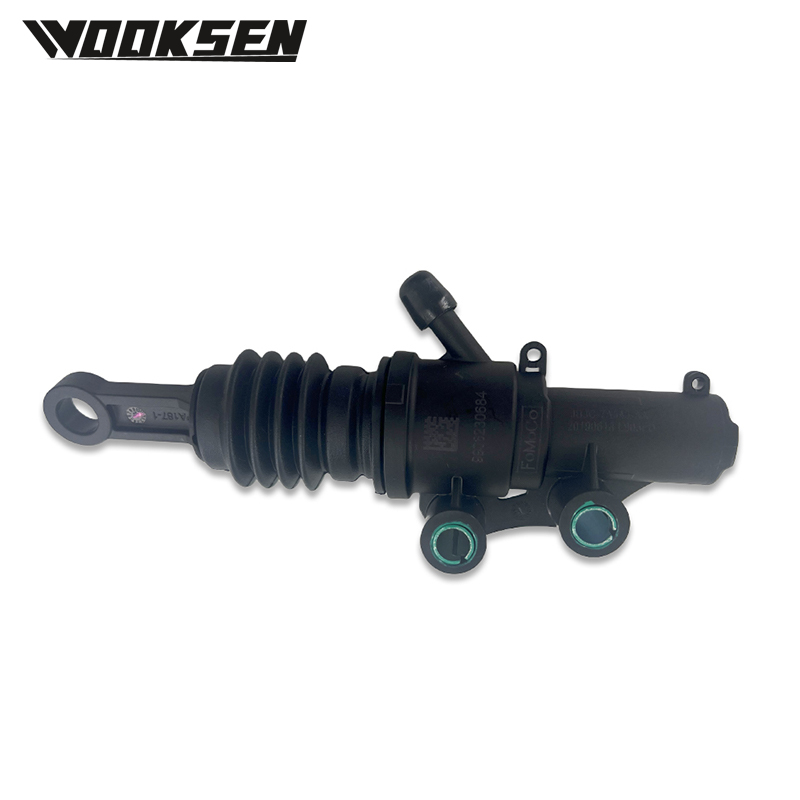
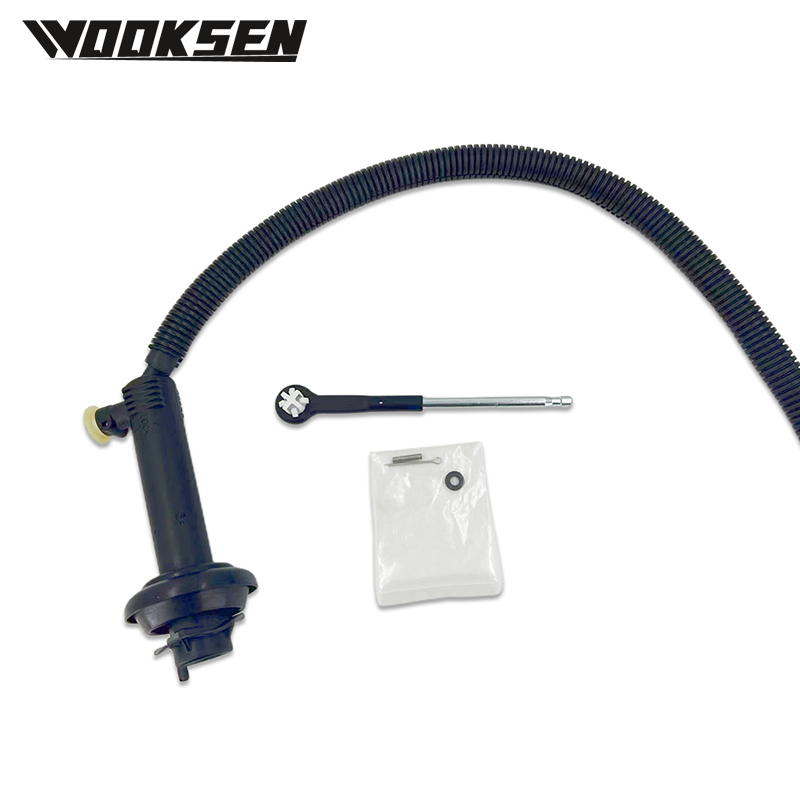
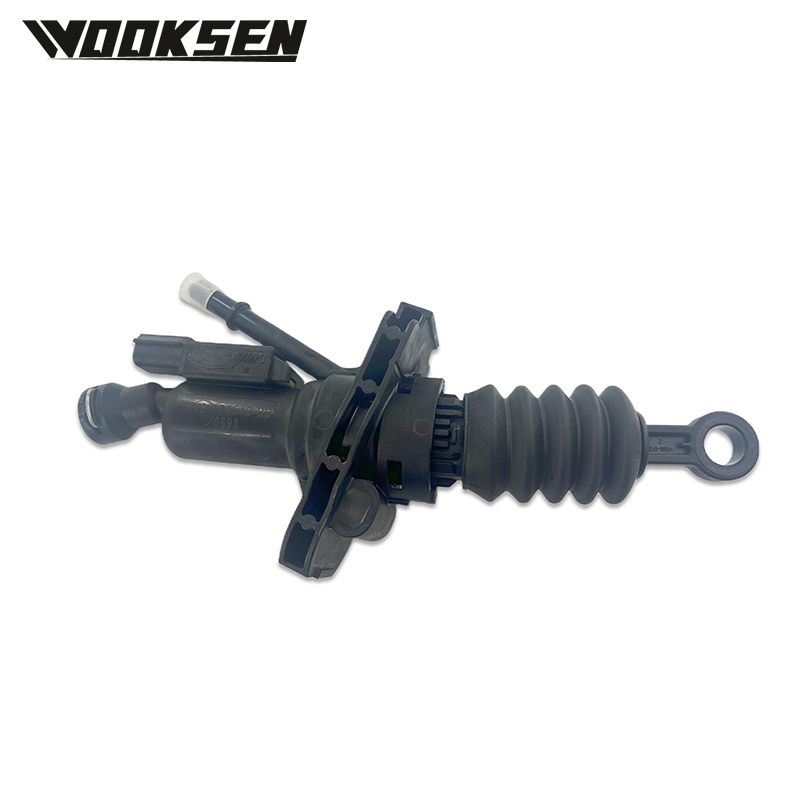
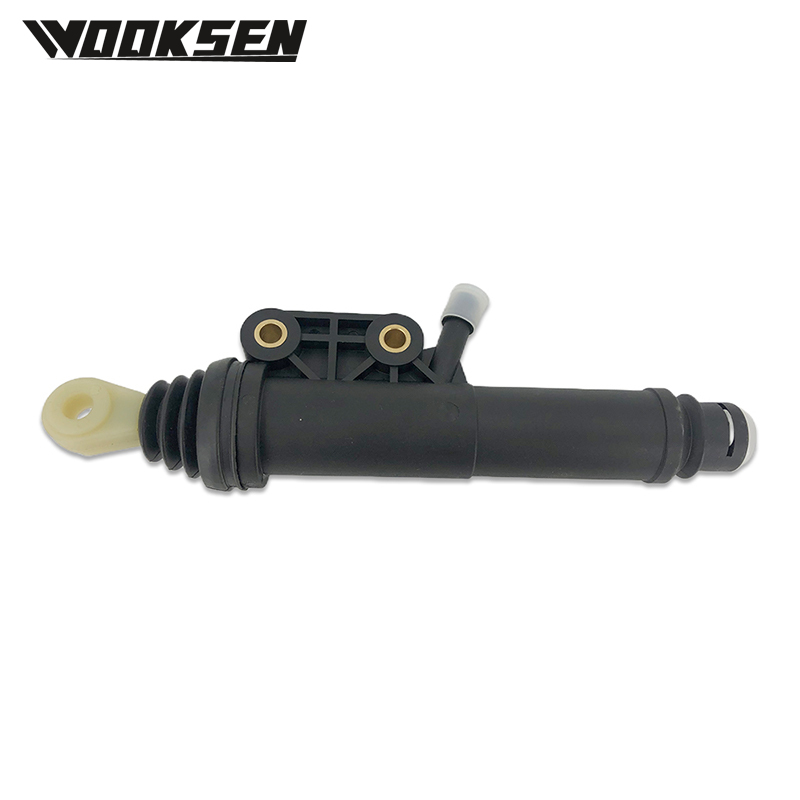
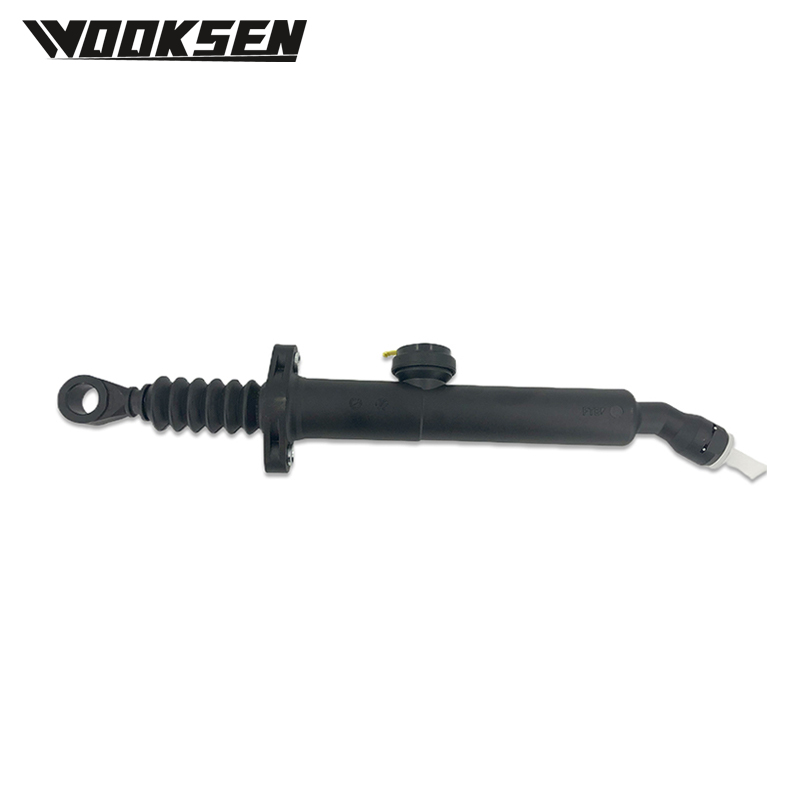
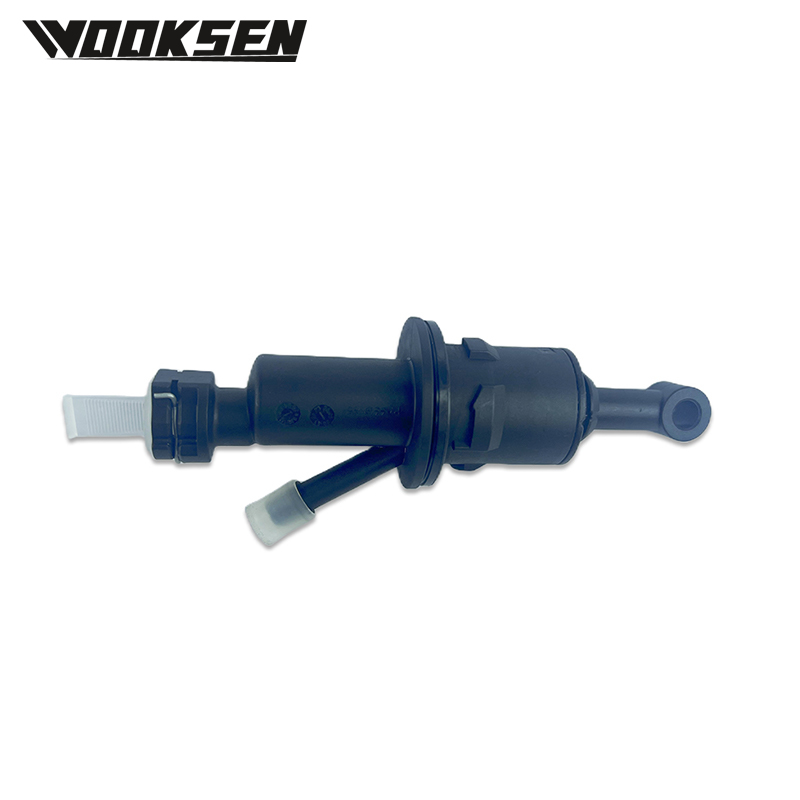
The brake wheel cylinder is an integral component of a drum brake system, which is commonly used in older vehicles and some modern vehicles for rear braking. It plays a critical role in the braking process by converting hydraulic pressure into mechanical force, causing the brake shoes to press against the drum and slow down or stop the vehicle. This hydraulic system is essential for safe and efficient braking, making the wheel cylinder an important part of a vehicle’s overall braking system.
The brake wheel cylinder consists of a metal housing with a piston and rubber seals. When the brake pedal is depressed, hydraulic fluid from the master cylinder is sent through the brake lines to the wheel cylinder. This fluid pressure pushes the pistons inside the cylinder outward, causing the brake shoes to contact the brake drum. The friction between the brake shoes and the drum slows the vehicle's rotation, ultimately bringing it to a stop.
Over time, the brake wheel cylinder can wear out or develop issues such as leaks or corrosion. When this happens, the cylinder may fail to properly transfer hydraulic pressure, resulting in reduced braking performance. A leaking wheel cylinder can also lead to a loss of brake fluid, potentially causing a dangerous situation where the vehicle is unable to stop effectively. Drivers might notice reduced braking force, a spongy brake pedal, or even fluid leaking from the wheel area, all of which are indicators that the brake wheel cylinder may need attention.
Maintaining the brake wheel cylinder is essential to ensure safe vehicle operation. Regular inspection of the braking system, particularly the wheel cylinders, is recommended to catch potential issues early. If the brake wheel cylinder is found to be leaking or damaged, it should be replaced promptly to maintain optimal braking performance. In some cases, it may be necessary to replace the entire brake drum assembly if corrosion or extensive damage has occurred.
One way to prolong the life of the brake wheel cylinder is to regularly check and maintain the brake fluid levels. Low fluid levels can lead to air entering the braking system, which can reduce its effectiveness and potentially damage the wheel cylinders. It is important to periodically inspect the brake shoes and drums for wear and replace them when necessary, as this helps reduce unnecessary stress on the brake wheel cylinders.
Replacing a brake wheel cylinder is a relatively simple procedure, but it does require a good understanding of the vehicle's braking system. It typically involves removing the drum, disconnecting the brake lines, and then replacing the faulty cylinder. After installation, the brake system must be properly bled to remove any air, ensuring that hydraulic pressure is evenly distributed and the brakes function as they should.
The brake wheel cylinder is a vital component in a vehicle’s braking system, responsible for transferring hydraulic pressure into the force needed to slow or stop the vehicle. Regular maintenance and timely replacement of faulty wheel cylinders are essential for maintaining the effectiveness and safety of the vehicle’s braking system. Routine upkeep or emergency repairs, keeping an eye on the brake system and addressing any issues promptly prevents larger, more costly repairs and enhances overall driving safety.

 English
 русский
 Español
 عربى
عربى