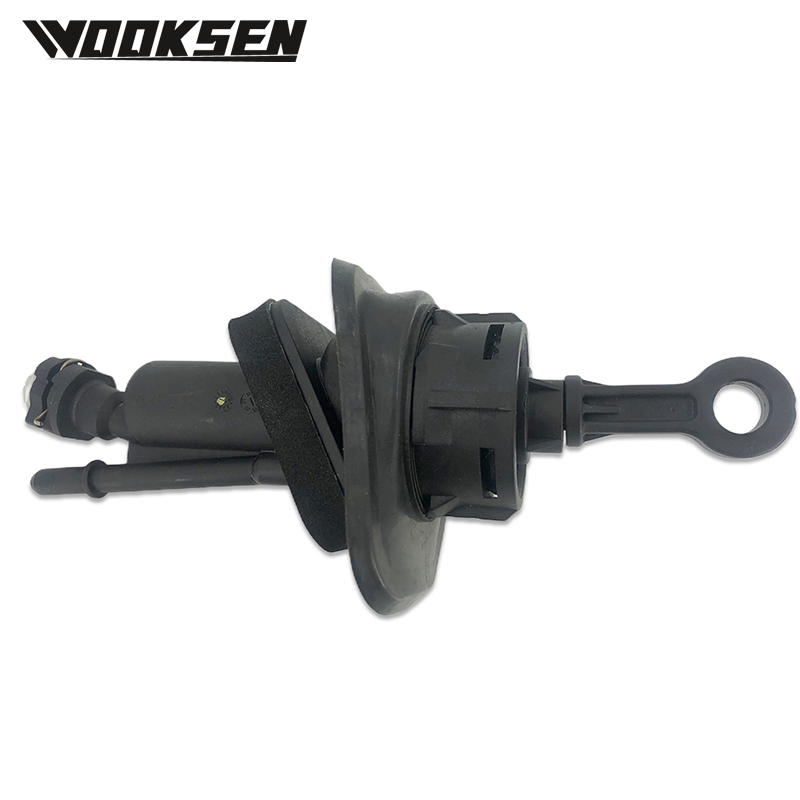
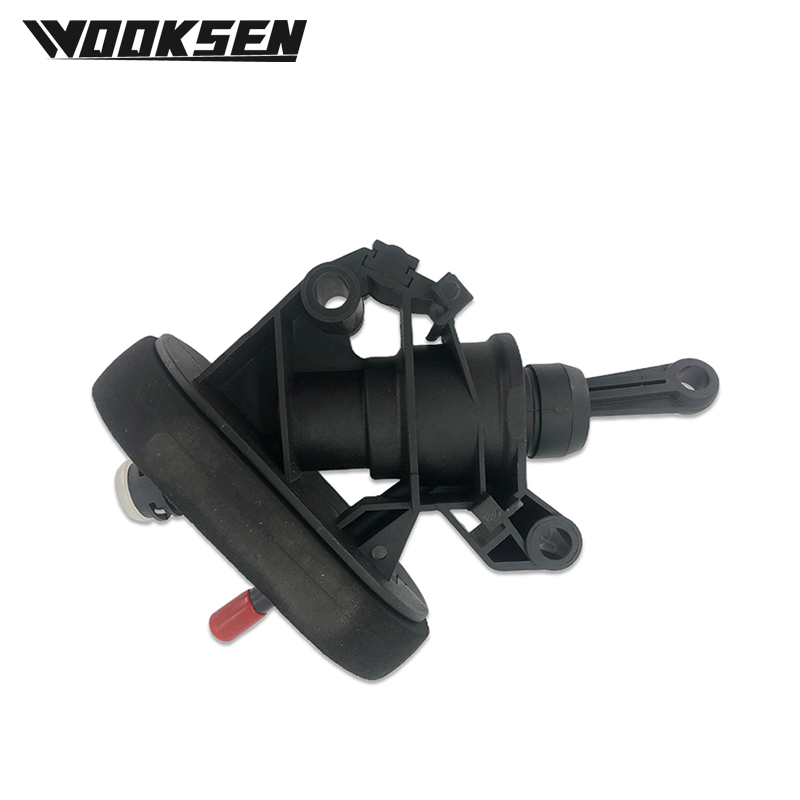
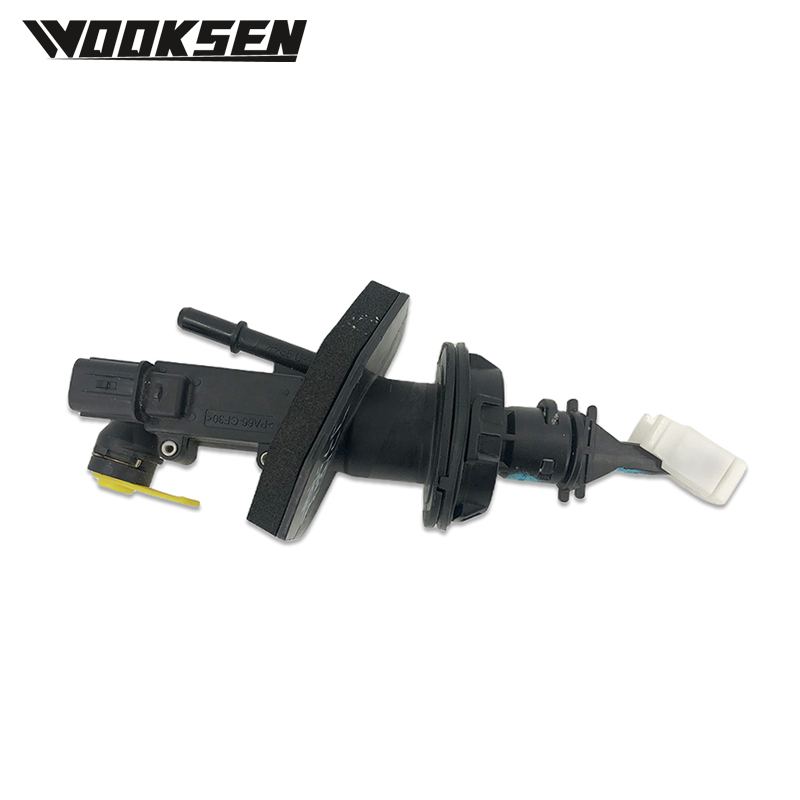
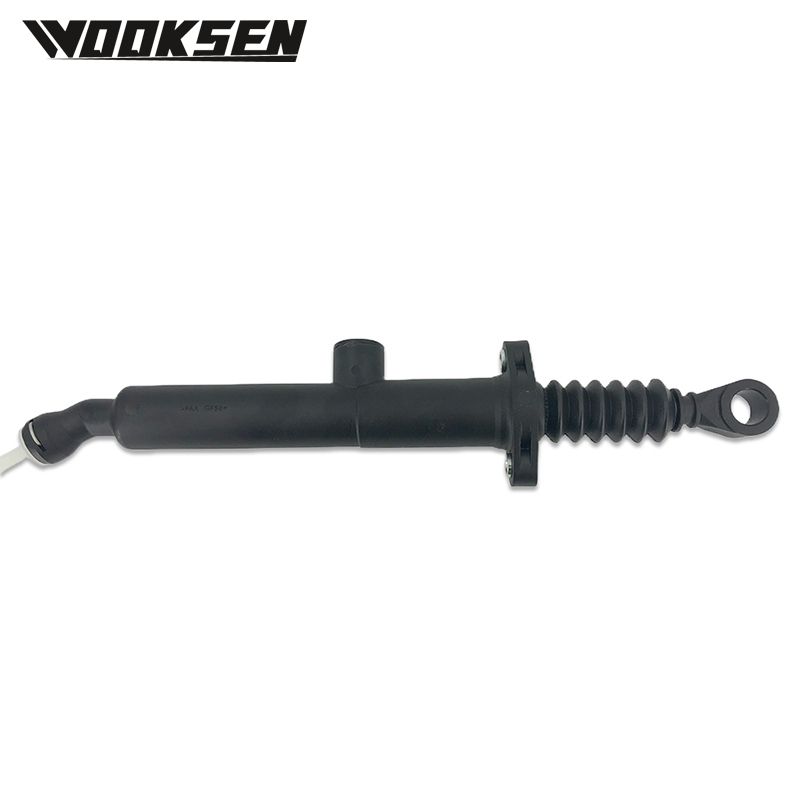
The clutch slave cylinder is a crucial component in a vehicle's clutch system, enabling smooth shifting between gears. It plays a vital role in transmitting the force from the clutch pedal to the clutch master cylinder and ultimately disengages the clutch from the engine when you press the pedal. This allows the engine to continue running without transferring power to the transmission, enabling gear changes without stalling.
Functionally, the clutch slave cylinder operates in conjunction with the clutch master cylinder. When the driver depresses the clutch pedal, hydraulic fluid is pushed through the hydraulic lines to the clutch master cylinder, where it creates pressure. This pressure is then transferred to the clutch slave cylinder. The slave cylinder, located near the transmission, pushes the release fork or bearing, which disengages the clutch. This operation is essential for smooth gear engagement, preventing grinding and ensuring that the vehicle runs efficiently.
Clutch slave cylinders are generally made of durable materials like aluminum or steel, which can withstand the constant pressure and hydraulic fluid exposure. However, like any mechanical part, they are subject to wear and tear. Over time, seals within the slave cylinder may degrade, leading to hydraulic leaks, reduced pressure, or even failure to disengage the clutch properly. When this happens, drivers may experience difficulty in shifting gears or may notice a soft or spongy clutch pedal, which indicates a potential issue with the clutch slave cylinder.
Regular maintenance and timely inspection are key to ensuring the proper function of the clutch slave cylinder. Any signs of fluid leakage around the cylinder or unusual clutch behavior should prompt an inspection from a qualified mechanic. Replacing a faulty slave cylinder promptly can prevent further damage to the clutch system, reduce the risk of transmission failure, and avoid more expensive repairs in the future. Addressing issues early ensures smoother gear shifts, improves overall vehicle performance, and extends the lifespan of your clutch components.
Clutch slave cylinder replacement is generally a straightforward process for an experienced technician, although it can vary depending on the vehicle's make and model. In many cases, the hydraulic system needs to be bled after installation to remove any air bubbles, ensuring the hydraulic fluid flows smoothly and the clutch functions properly. This step is crucial for maintaining consistent pressure in the system, preventing issues like a soft clutch pedal, and ensuring the vehicle shifts gears smoothly and reliably during everyday driving. Proper bleeding also helps extend the lifespan of the hydraulic components.
Drivers can extend the life of the clutch slave cylinder by paying attention to the overall condition of their clutch system, including maintaining proper fluid levels and avoiding excessive force on the clutch pedal. Regularly checking for leaks, ensuring smooth pedal operation, and using the clutch properly during gear shifts can also reduce unnecessary strain on the system. This simple attention to detail can significantly enhance the lifespan of the vehicle's transmission components, reduce repair costs, and improve driving performance, making each drive more efficient and comfortable.
The clutch slave cylinder is an essential part of a vehicle's clutch system, playing a key role in facilitating smooth gear changes. Regular maintenance and quick response to any signs of wear or malfunction can prevent major transmission issues, ensuring the vehicle remains in optimal working condition.

 English
 русский
 Español
 عربى
عربى