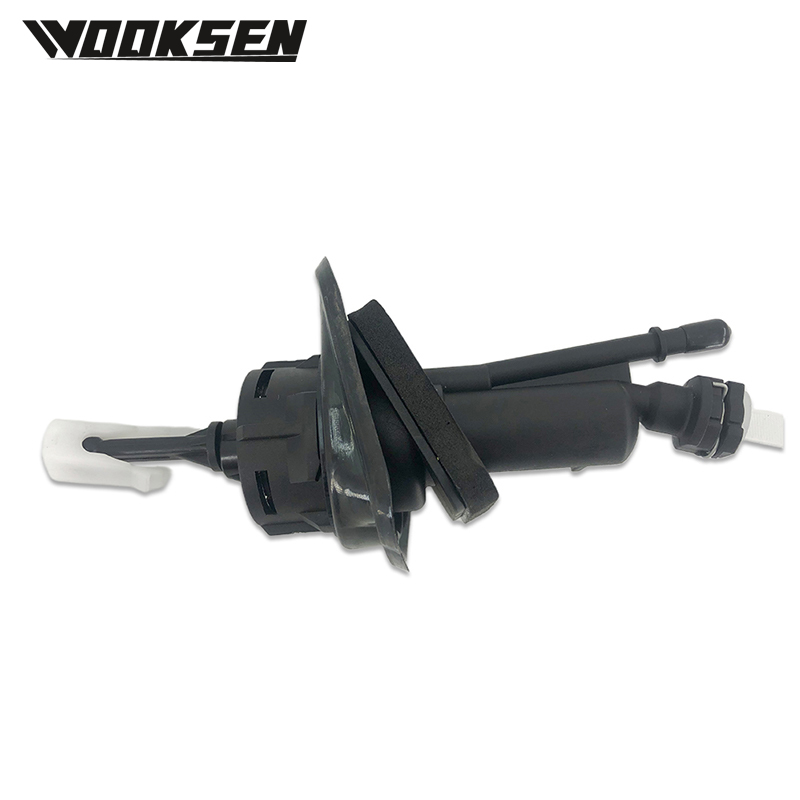
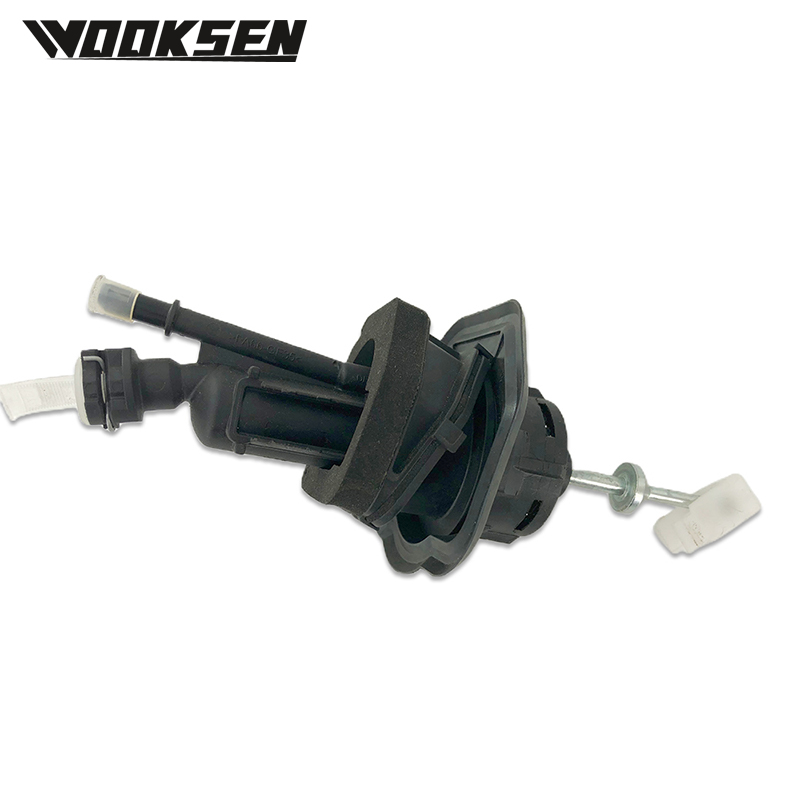
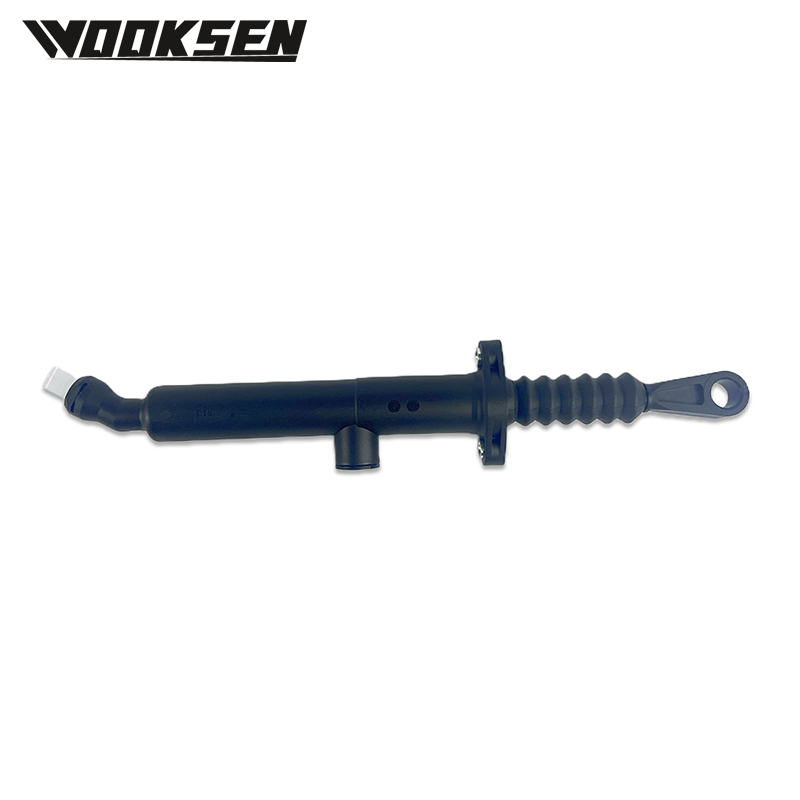
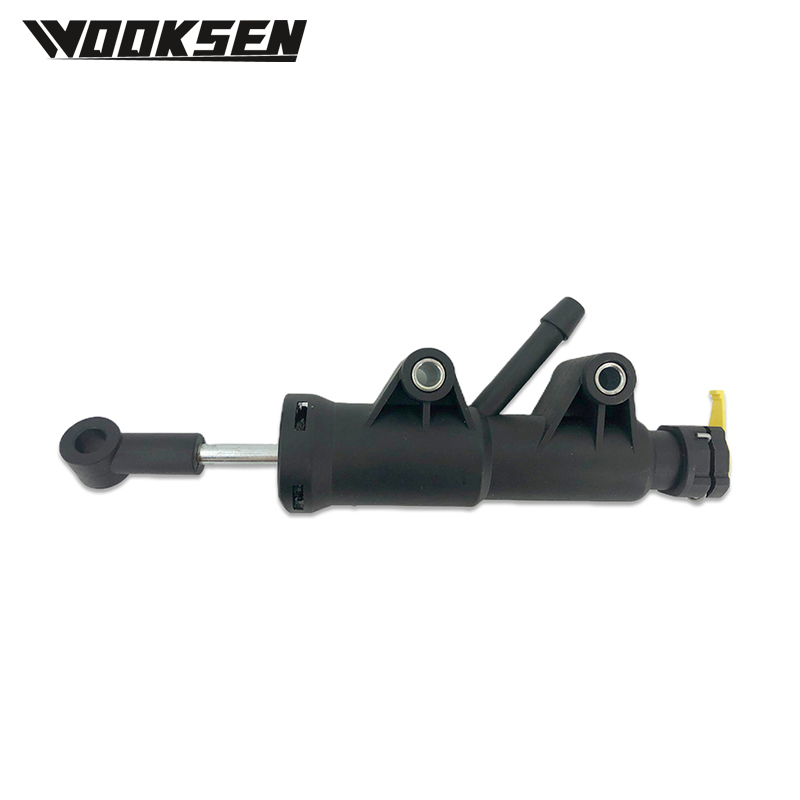
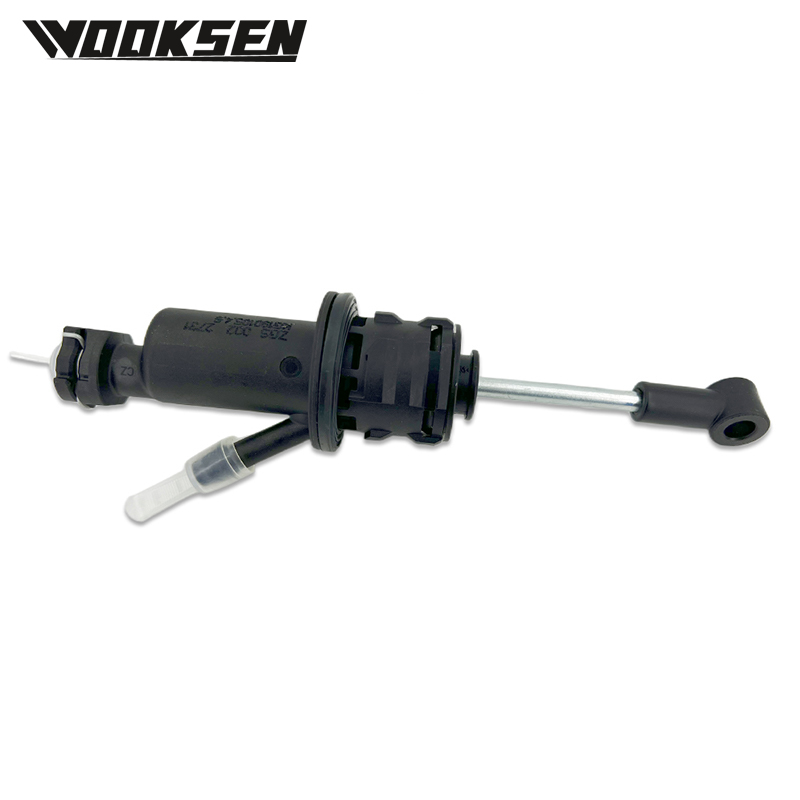
The clutch pump, identified by the part number 1E03-41-990, is a crucial component in hydraulic clutch systems. Its primary role is to supply and regulate hydraulic pressure, enabling smooth engagement and disengagement of the clutch. Without a properly functioning clutch pump, drivers may experience stiff pedal feel, delayed clutch response, or difficulty in shifting gears.
The Role of the 1E03-41-990 Clutch Pump in Vehicles
The 1E03-41-990 clutch pump works by moving hydraulic fluid from the reservoir into the clutch system. When the driver presses the clutch pedal, the pump ensures that fluid reaches the release bearing quickly and efficiently. This precise fluid movement translates to consistent clutch engagement, allowing smooth gear transitions and better overall vehicle control.
For commercial vehicles or cars that experience heavy use, the clutch pump plays a key role in maintaining operational efficiency. Without adequate hydraulic pressure, components like the clutch release bearing or master cylinder cannot function optimally, leading to uneven wear or premature failure. The pump helps reduce pedal effort, making driving less tiring over long distances, and contributes to maintaining consistent hydraulic performance even under extreme driving conditions or frequent stop-and-go traffic situations.
Advantages of Hydraulic Operation
Hydraulic clutch pumps like the 1E03-41-990 offer several benefits over traditional mechanical systems. Fluid-driven operation reduces the effort required to press the clutch pedal, creating a lighter, more responsive feel. This feature is especially helpful in urban driving conditions, where frequent clutch operation can cause fatigue in drivers using mechanical systems.
Hydraulic systems also distribute pressure more evenly, reducing strain on the clutch release bearing and other components. The 1E03-41-990 pump ensures that the hydraulic system remains balanced, which helps extend the service life of the clutch assembly.
Maintenance and Care Tips
Maintaining the 1E03-41-990 clutch pump is essential for consistent performance. Drivers should routinely inspect the clutch fluid for clarity and adequate levels. Any leaks, air bubbles, or contaminated fluid can affect pump efficiency and lead to a spongy or unresponsive pedal. Regular checks also help identify slow leaks or minor pressure drops before they escalate into more serious problems, which can compromise overall clutch performance and driving safety. Keeping the hydraulic system clean and properly bled ensures that both the pump and connected components operate reliably over time.
Professional servicing may include flushing old hydraulic fluid, checking the pump for internal wear, and ensuring proper line connections. Early detection of issues with the clutch pump can prevent costly repairs and maintain smooth operation of the clutch system. Routine maintenance also improves pedal feel consistency and reduces stress on the clutch release bearing, extending the lifespan of the entire hydraulic clutch system and supporting smoother gear transitions in everyday driving conditions.
Applications and Driving Impact
The 1E03-41-990 clutch pump is widely used across different vehicle types, from passenger cars to heavy-duty trucks. Its ability to maintain consistent hydraulic pressure ensures reliable clutch operation under various driving conditions.
Modern automotive technologies often integrate hydraulic pumps with electronically assisted clutch systems. These systems rely on precise hydraulic pressure to function correctly, enhancing driving comfort and safety. By maintaining predictable clutch response, the 1E03-41-990 clutch pump contributes to both driver confidence and overall vehicle performance.
In summary, the 1E03-41-990 clutch pump is a critical element of the hydraulic clutch system. Its role in supplying and regulating hydraulic pressure ensures smooth gear shifts, consistent clutch engagement, and extended component longevity. Proper care and understanding of its function allow drivers to maintain optimal clutch performance and a comfortable, controlled driving experience.

 English
 русский
 Español
 عربى
عربى