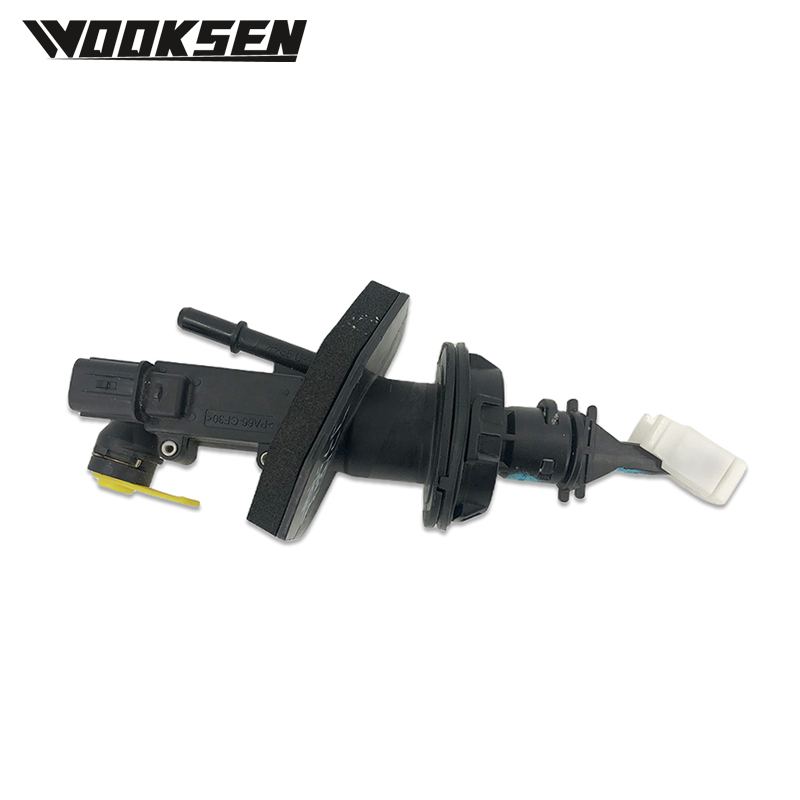
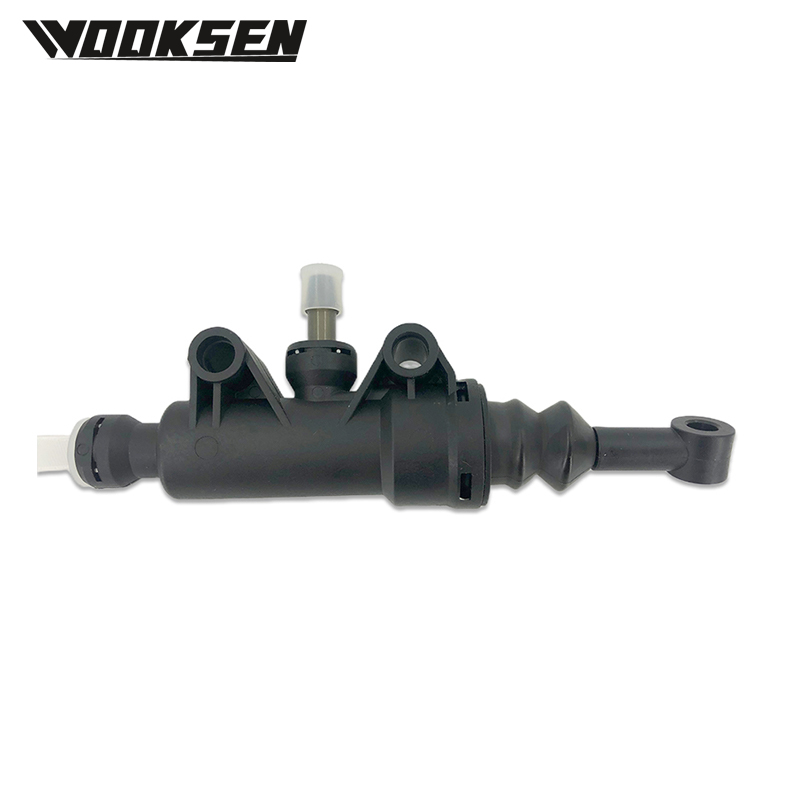
What the 97KB7A543AB Clutch Master Cylinder Does
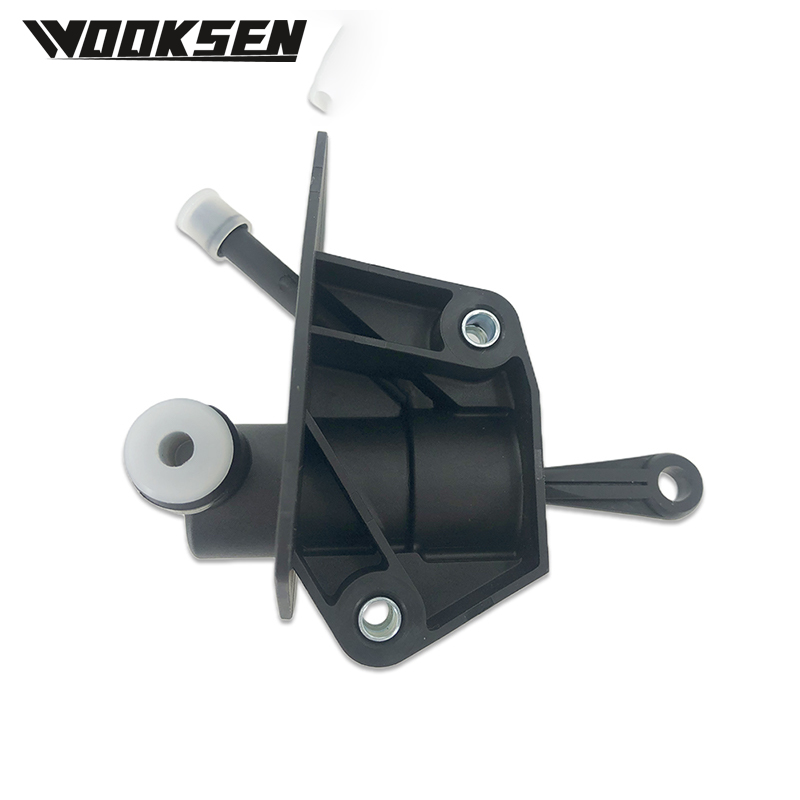
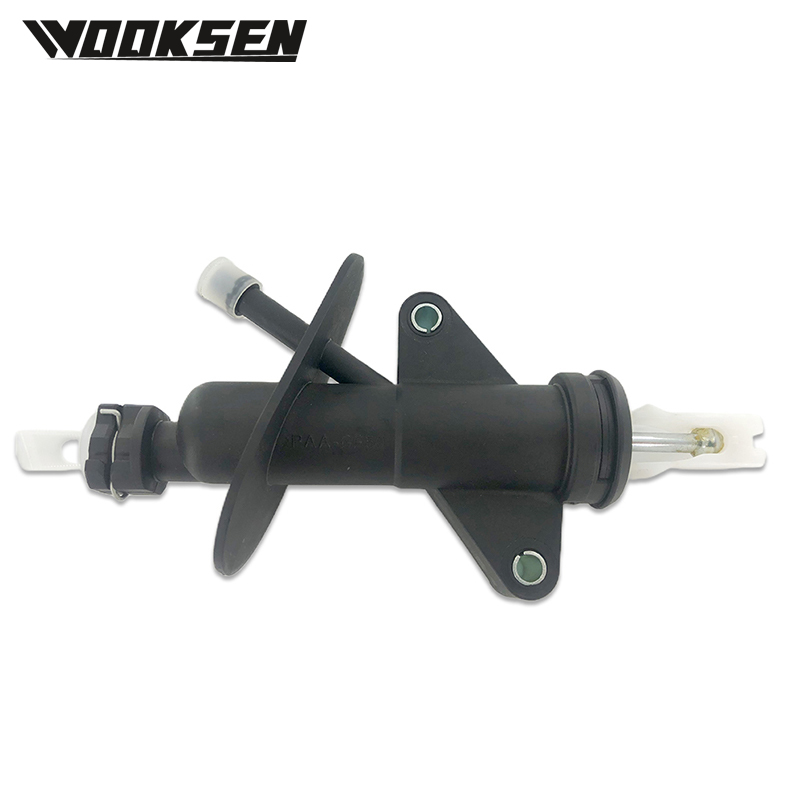
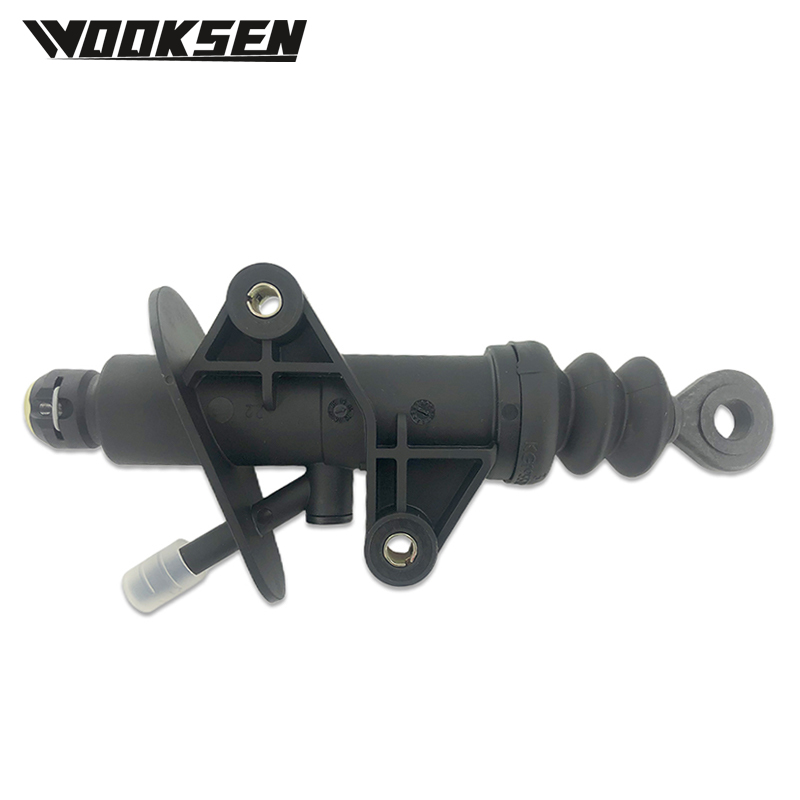
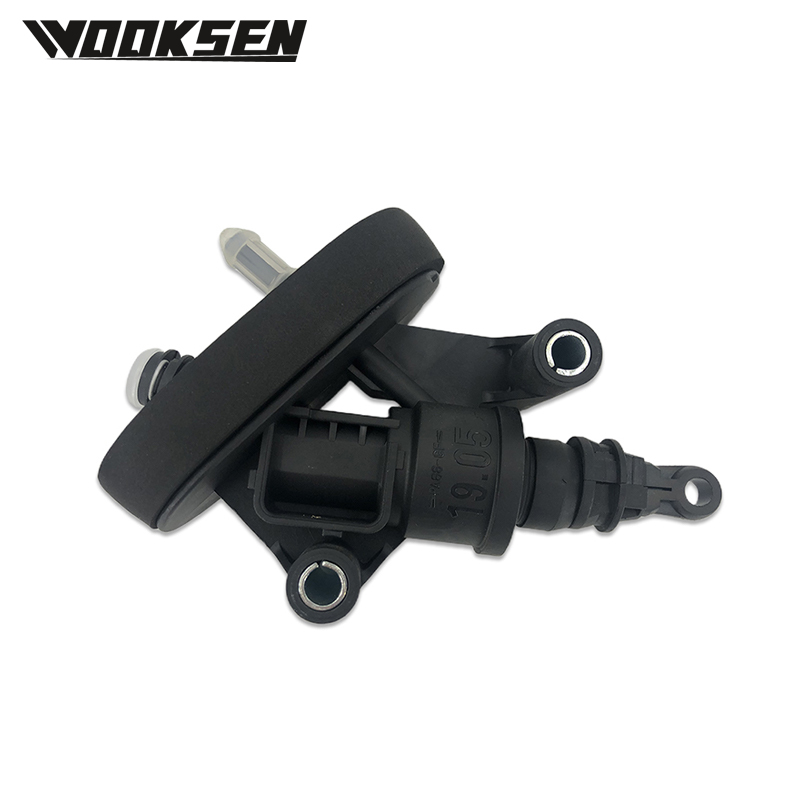
The 97KB7A543AB clutch master cylinder is a specific component used in automotive clutch systems, identified by this unique OEM code that helps ensure compatibility with certain vehicle models. This part number is often associated with vehicles from manufacturers such as Ford and Isuzu, and it refers to the hydraulic unit responsible for translating the force applied by the driver’s foot into hydraulic pressure that engages the clutch mechanism. The clutch master cylinder is located near the firewall in the engine bay and connects to the clutch pedal and the hydraulic line that leads to the clutch slave cylinder. When the pedal is pressed, the master cylinder pushes fluid toward the slave unit, which releases the clutch disc and allows the driver to shift gears smoothly.
Hydraulic pressure is key to how this component operates. A piston inside the clutch master cylinder moves in response to the pedal motion, compressing the hydraulic fluid in a sealed chamber. This pressure travels through lines to the clutch slave cylinder, which then actuates the mechanism that disengages the clutch. This hydraulic action takes the place of mechanical linkages, providing more precise control and reducing the physical effort required by the driver to operate the clutch. Because fluid does not compress like air, the system delivers reliable force transmission that helps support consistent and predictable clutch engagement.
Design and Construction Details
The physical design of the 97KB7A543AB clutch master cylinder typically includes a body that houses the piston and reservoir, seals that prevent fluid leaks, and ports that connect to the clutch hydraulic line. Many master cylinders are constructed from metal or durable composites that resist wear and temperature changes. Inside, seals and rubber components ensure that fluid stays contained under pressure. Any failure in these seals can lead to a loss of hydraulic pressure, which may cause a spongy or unresponsive clutch pedal feel. Proper seal integrity and fluid dynamics are essential for maintaining reliable performance over time.
The reservoir attached to the clutch master cylinder stores hydraulic fluid, often DOT 3, DOT 4, or DOT 5.1 brake fluid, which flows into the cylinder when the pedal is released and the piston returns to its resting position. Return springs inside the unit help push the piston back and replenish fluid within the chamber, ensuring the system remains ready for the next clutch engagement. Compensation and inlet ports help balance fluid levels as external conditions like temperature and usage change.
Everyday Vehicle Integration
In vehicles equipped with manual transmissions, the 97KB7A543AB clutch master cylinder plays an indispensable role in everyday driving. Every time the driver depresses the clutch pedal to change gears, this component responds by generating the hydraulic pressure needed to activate the clutch system. This allows the gears to disengage and reengage without grinding or abrupt movement. The smoothness of gear transitions is dependent on consistent pressure delivery, which is why the clutch master cylinder’s design and condition are critical to overall drivetrain performance.
Drivers may notice changes in clutch pedal feel if issues arise with the master cylinder. A lack of resistance, unexpected softness, or difficulty in engaging gears can be indicators of internal wear or fluid leakage. While diagnostics and handling of such issues are up to professional repair services, understanding that the master cylinder is the component that translates driver input into hydraulic action helps clarify why it plays a central role in the vehicle’s operation.

 English
 русский
 Español
 عربى
عربى