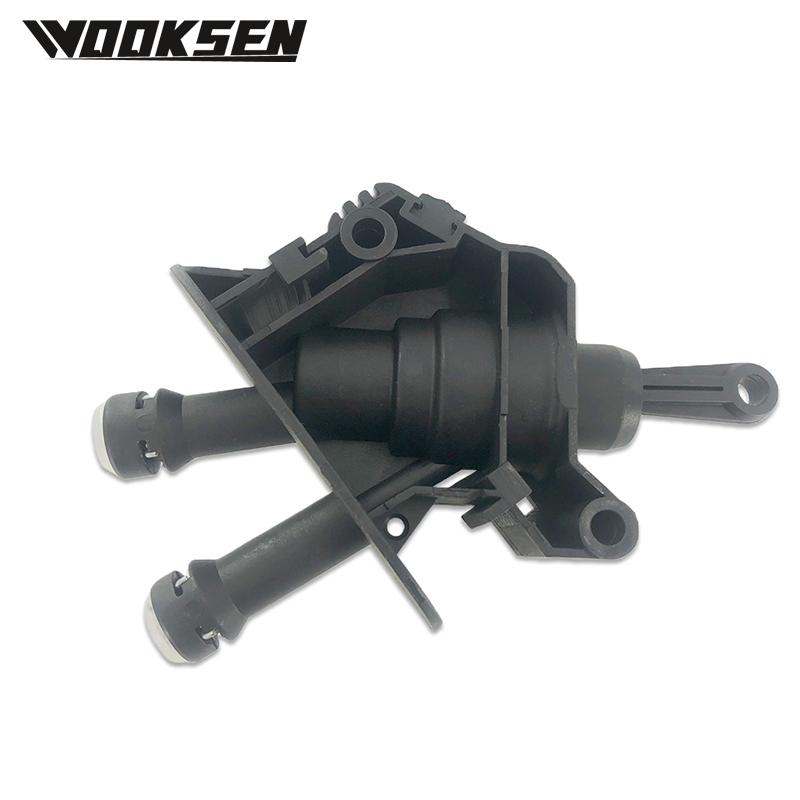
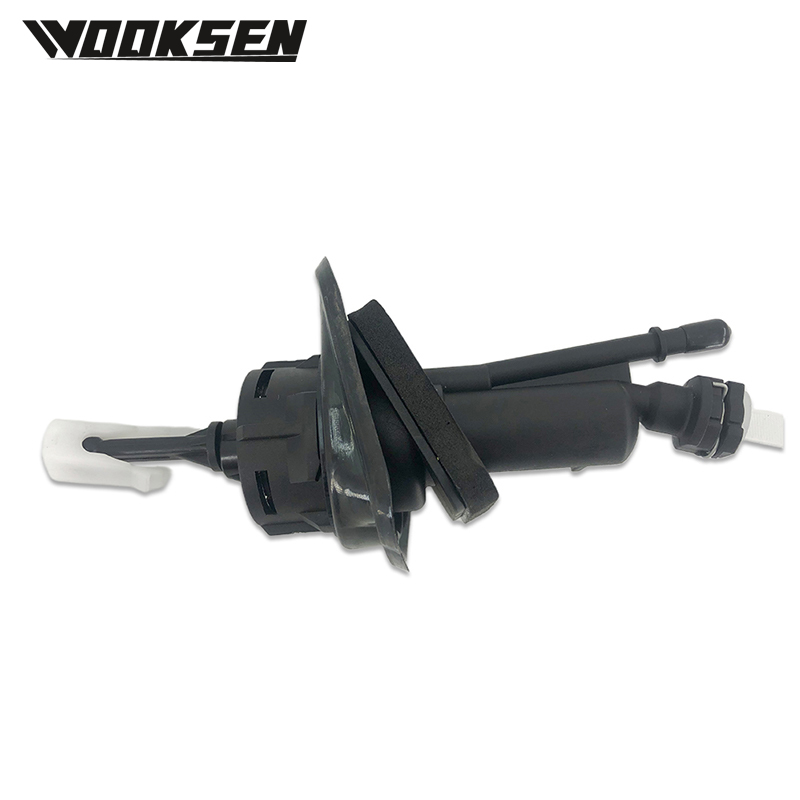
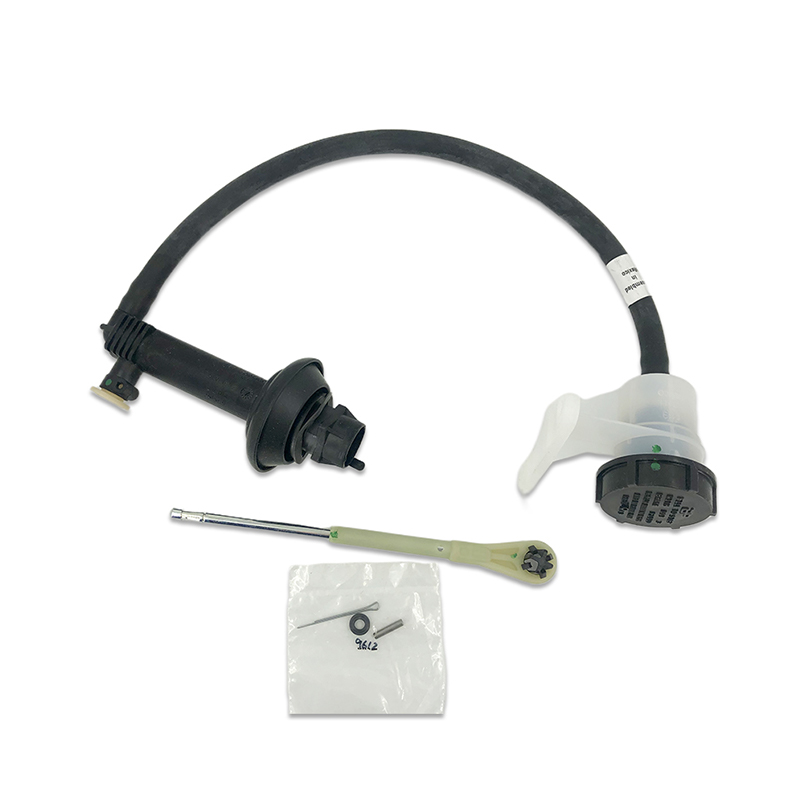
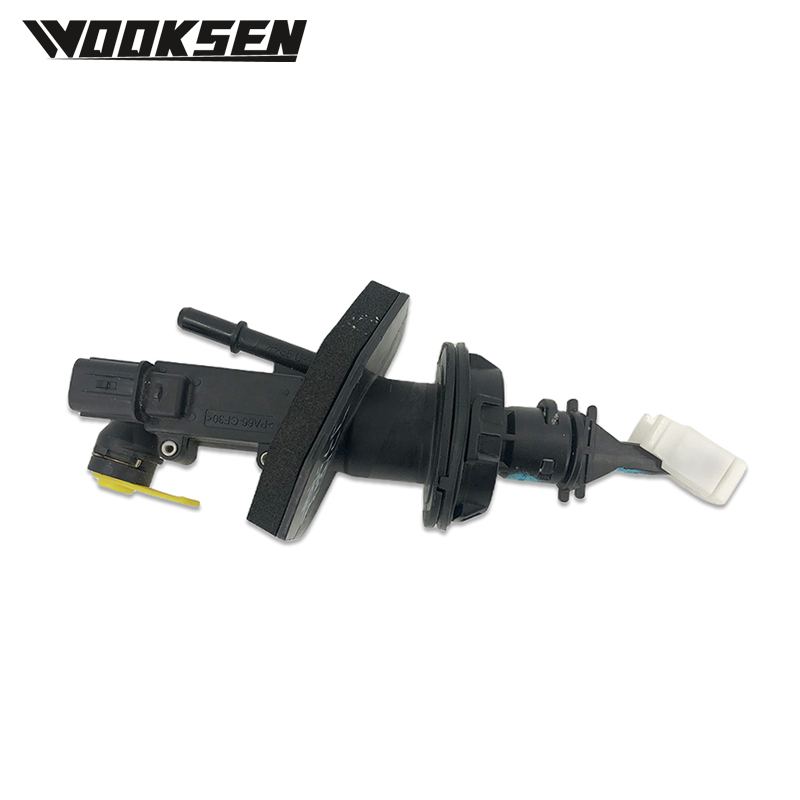
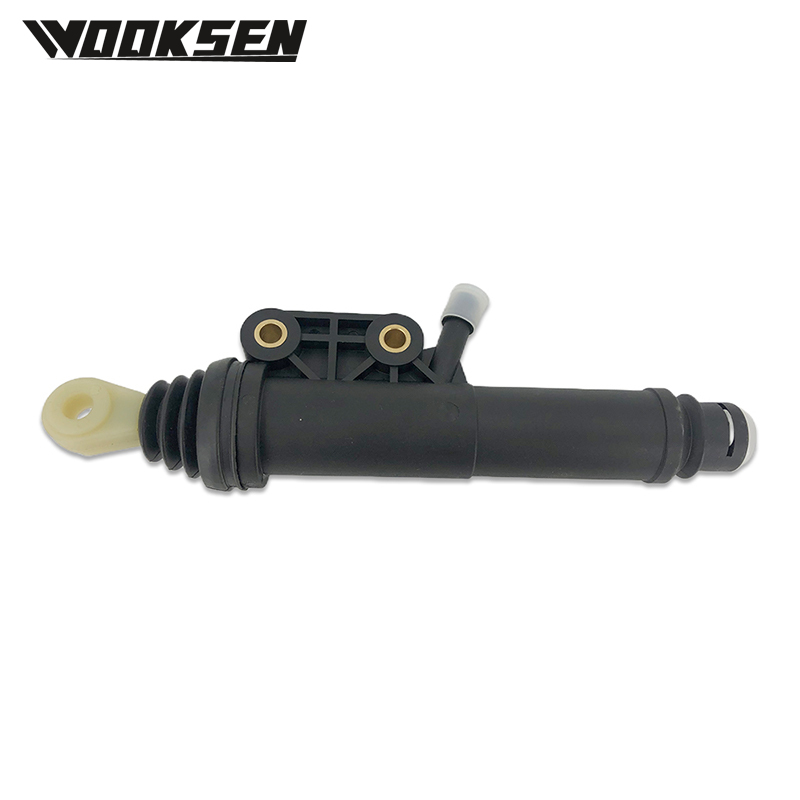
What the A0044302801 Brake Assembly Represents
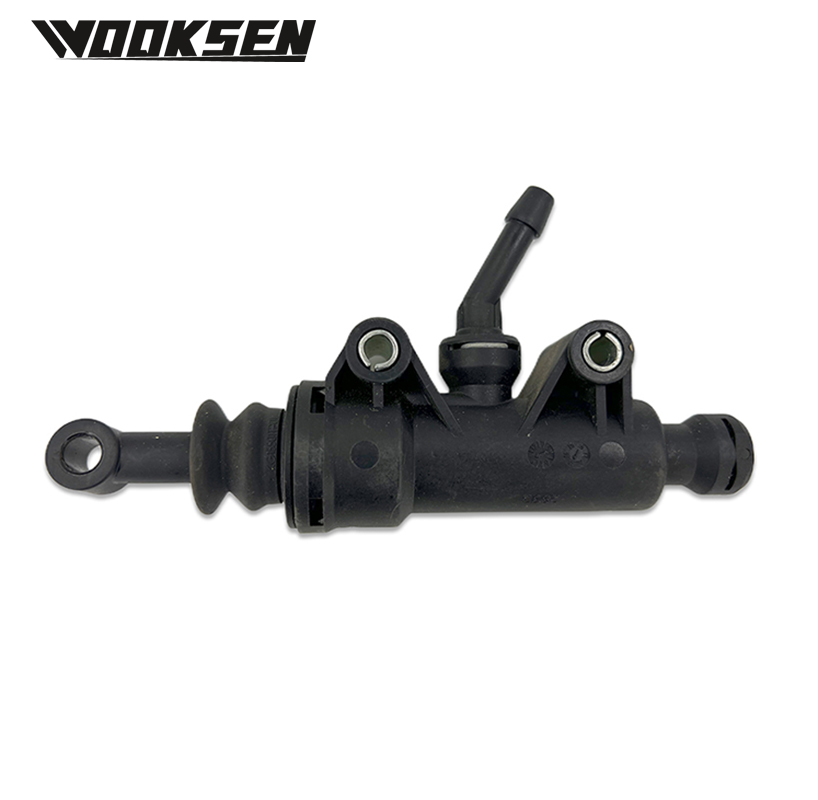
The A0044302801 brake assembly refers to a specific brake master cylinder unit commonly associated with vehicles from Mercedes-Benz, including G-Class and T1 series models. This part number serves as an original equipment manufacturer (OEM) identifier, indicating a complete component that is fitted to the vehicle as part of its braking system. A brake assembly is a broad term that encompasses the various elements that work together to slow and stop a vehicle, with the master cylinder being one central element within that system.
In everyday operation, the brake assembly’s job is to convert the mechanical force applied by the driver’s foot on the brake pedal into hydraulic pressure that is then sent to other components such as calipers or wheel cylinders. This hydraulic pressure enables the vehicle’s wheels to slow down and eventually stop. The terminology “brake assembly” can refer to the entire set of mechanisms and components involved in braking, but in the context of part number A0044302801 it specifically denotes the brake master cylinder unit that forms the core of this process.
Functions Within the Brake System
At its core, the brake master cylinder in the A0044302801 assembly acts as a hydraulic pump. When the driver presses the brake pedal, it pushes a piston inside the master cylinder, compressing the brake fluid in a sealed chamber. This hydraulic pressure travels through brake lines to other parts of the brake system. The pressure is transferred to brake calipers on disc systems or wheel cylinders on drum systems, which then apply force to brake pads or shoes, creating friction that slows wheel rotation and brings the vehicle to a stop.
The design of this brake assembly often includes cast iron or similar robust material, allowing it to withstand the pressures and heat generated through repeated use. Threaded connections and a defined bore size help integrate the component into the hydraulic circuit. Some variations of this OEM number may be supplied without an attached brake fluid reservoir, depending on vehicle requirements and design preferences.
Everyday Integration and Vehicle Context
Vehicles fitted with an A0044302801 brake assembly use the hydraulic pressure generated by this component every time the driver slows down or stops. Brake assemblies are designed to operate reliably under frequent use, supporting safe and controlled braking in urban traffic, highway driving, and varied road conditions. The brake master cylinder plays a key part by creating the initial hydraulic pressure that drives the rest of the braking system, making it central to reliable stopping performance.
While the term “brake assembly” can include multiple parts of the braking system, the master cylinder’s connection to the pedal and the fluid lines underscores its role as the first point of contact in converting driver input into actual braking force. Consistent and predictable brake response depends on the efficient function of this assembly, including fluid transfer and piston movement within the cylinder.
Practical Use and Vehicle Scenarios
In everyday driving, the A0044302801 brake assembly supports actions as simple as slowing for a turn or stopping at a traffic signal. Hydraulic brakes allow for progressive control, giving drivers the ability to modulate braking force smoothly. Because the master cylinder must deliver pressure evenly across connected brake circuits, it is engineered to hold tight tolerances and avoid leaks that could compromise performance.
Understanding how this assembly functions can help drivers appreciate the mechanics behind reliable brake response. The brake master cylinder does not work alone but in concert with brake lines, calipers, pads, rotors, and associated hardware that collectively make up the wider brake assembly. Each time the pedal is pressed, the A0044302801 unit plays a key role in transmitting that force into the broader system, ensuring that vehicles slow with controlled hydraulic action.

 English
 русский
 Español
 عربى
عربى