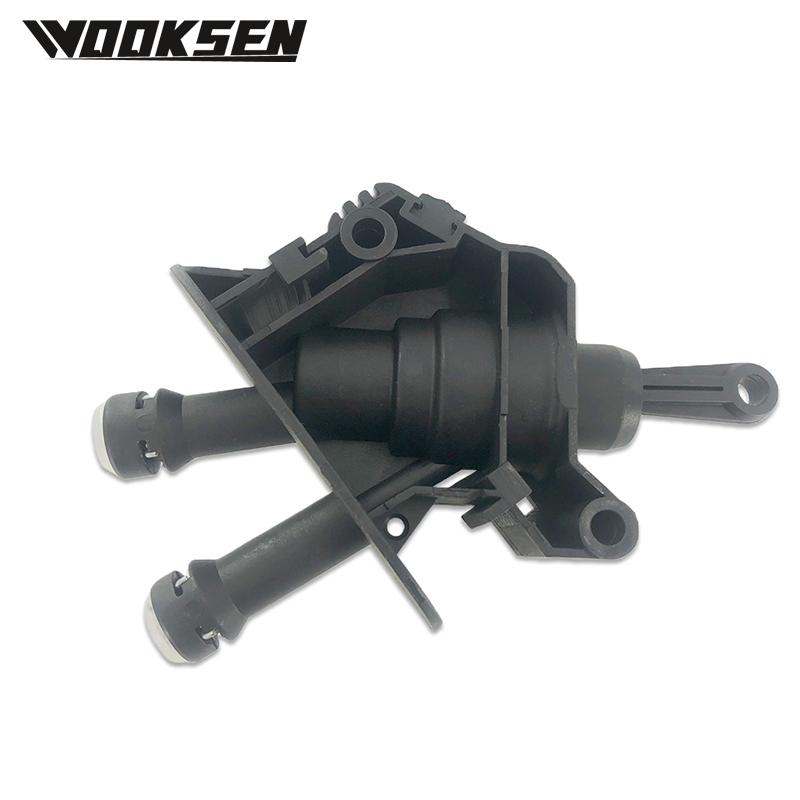
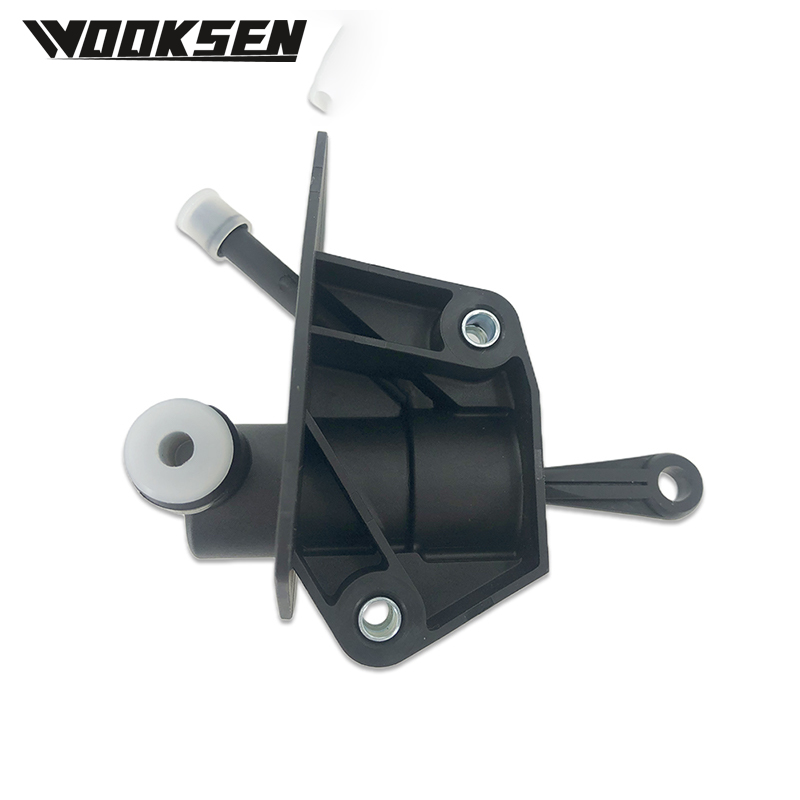
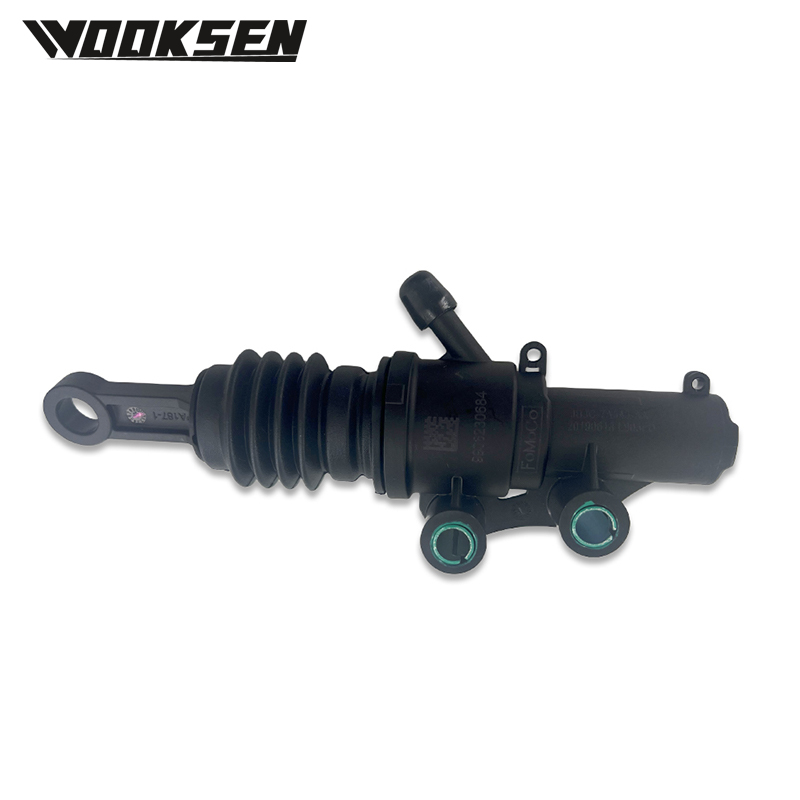
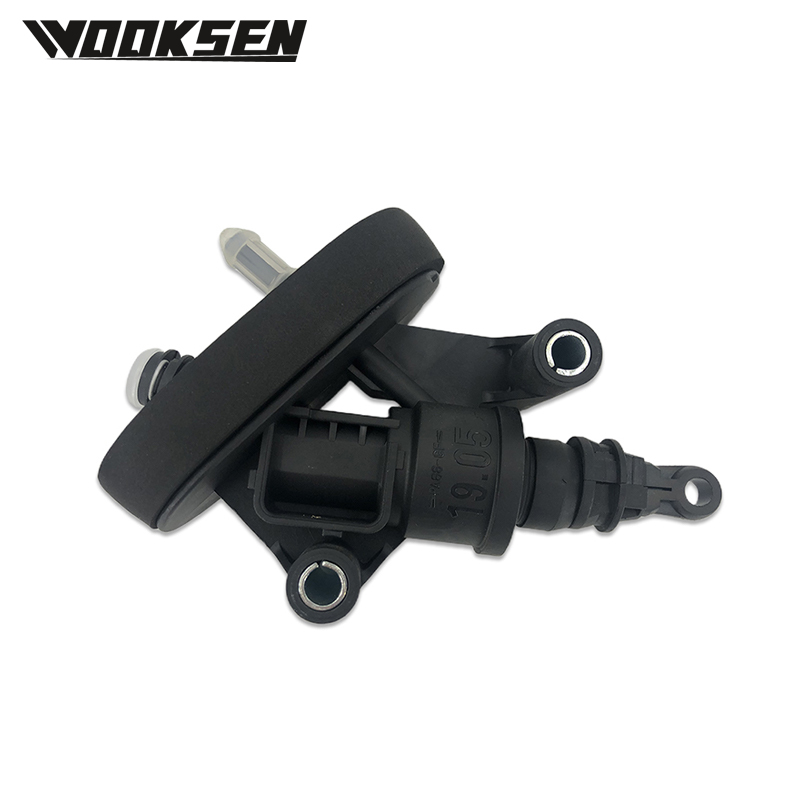
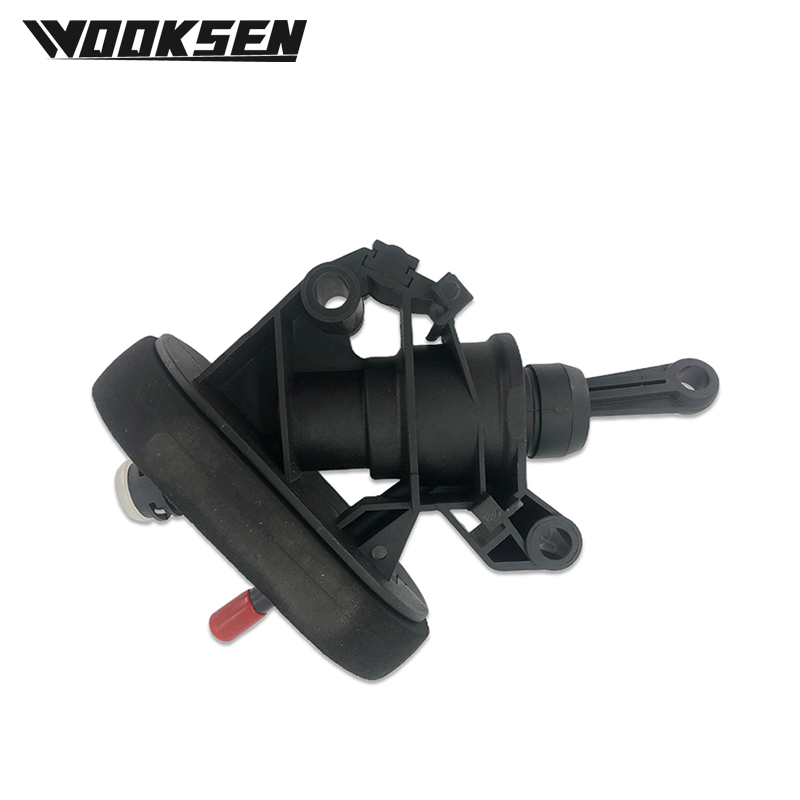
The 0C6141465 clutch slave cylinder adaptor is an automotive component that plays an important role in vehicles equipped with hydraulic clutch systems. This adaptor connects the clutch slave cylinder to the hydraulic line or mounting bracket, serving as a transition piece that ensures fluid moves smoothly from the master cylinder through to the clutch mechanism. The design allows the hydraulic system to operate efficiently, transforming the driver’s foot pressure on the clutch pedal into mechanical action that disengages the clutch. This part number, often specified for certain vehicle models, helps technicians and car owners identify the correct adaptor for their system, reducing the risk of incorrect fits or mismatches between components.
In a hydraulic clutch system, several components work together to ensure that gear changes are smooth and responsive. The master cylinder generates hydraulic pressure when the clutch pedal is pressed, sending fluid through hoses and lines to the slave cylinder. The slave cylinder then moves a rod or lever that disengages the clutch assembly. Between these elements, an adaptor like the 0C6141465 component allows the slave cylinder to connect securely to the rest of the system. Its cage or bracket shape holds the cylinder in the right location and ensures tight alignment with the hydraulic line so that fluid does not leak or lose pressure.
Precision in design and dimensions is important for an adaptor like this because slight misalignment can introduce friction or reduce the effectiveness of the hydraulic action. Clutch systems require consistent pressure delivery to ensure that gears can be disengaged and reengaged without drag or hesitation. An adaptor that fits its intended connection points helps maintain that pressure route, supporting the coordinated movement of internal parts. In turn, this supports a driving experience where gear shifts feel controlled and predictable rather than abrupt or jerky.
The materials used for a clutch slave cylinder adaptor must handle repeated cycles of pressure and movement. Many adaptors are manufactured from metal alloys or other sturdy materials that resist bending or distortion under load. Their surfaces are designed to tolerate contact with brake fluid or similar hydraulic fluid, which means they avoid reactions that could create deposits or weakness in the structure. Although this is a relatively small piece compared to a master or slave cylinder, its role in securing the connection between parts gives it significance in the overall clutch assembly.
Automotive technicians who work with clutch systems recognize the importance of correct part selection. When a hydraulic system is disassembled for service or inspection, replacing a worn or mismatched adaptor with the correct 0C6141465 version helps maintain the overall design integrity. Compatibility also ensures that when the slave cylinder moves in response to fluid pressure, the adaptor holds it in place without introducing unnecessary play or movement that could affect performance. This alignment is especially relevant for vehicles that see frequent city driving, where clutch action is engaged often in stop-and-go traffic.
Drivers may not see the clutch slave cylinder adaptor or think about it directly, but they feel its impact when shifting gears. A hydraulic system that responds to pedal pressure consistently and predictably often benefits from all its parts fitting as intended. The adaptor serves as the bridge between parts, enabling fluid travel and mechanical motion that support everyday driving needs. In this way, the 0C6141465 component remains an integral element in the smooth functioning of a vehicle’s clutch system, connecting components and helping translate pedal movement into the action needed to change gears with confidence.
Overall, the 0C6141465 clutch slave cylinder adaptor is one of those parts that quietly performs its role behind the scenes. It sits between the visible elements of the clutch system and ensures they work together. By holding components in alignment and facilitating the flow of hydraulic pressure, it supports the core operation of manual transmission vehicles.

 English
 русский
 Español
 عربى
عربى