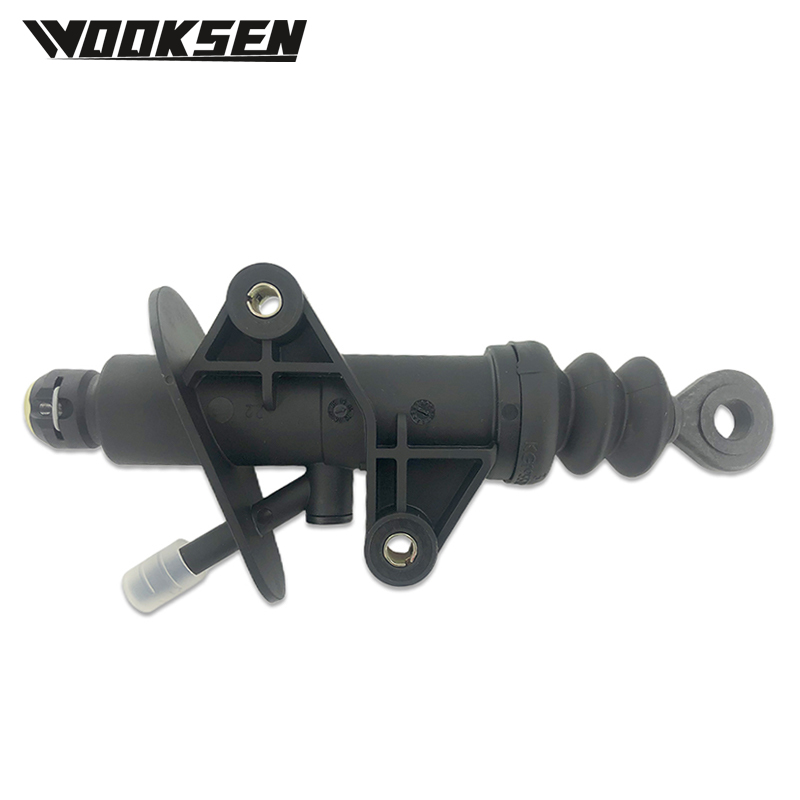
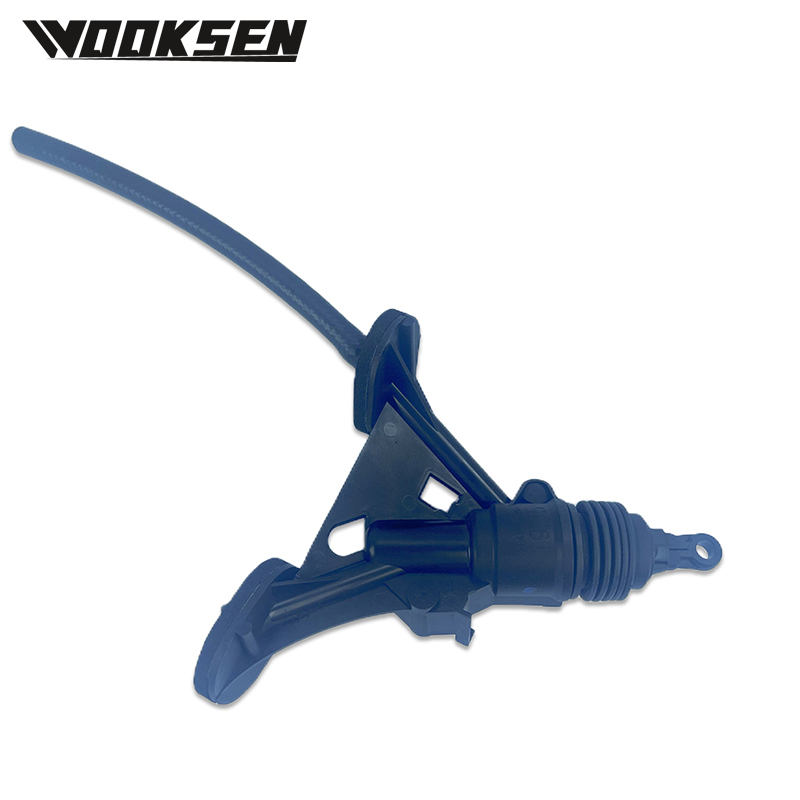
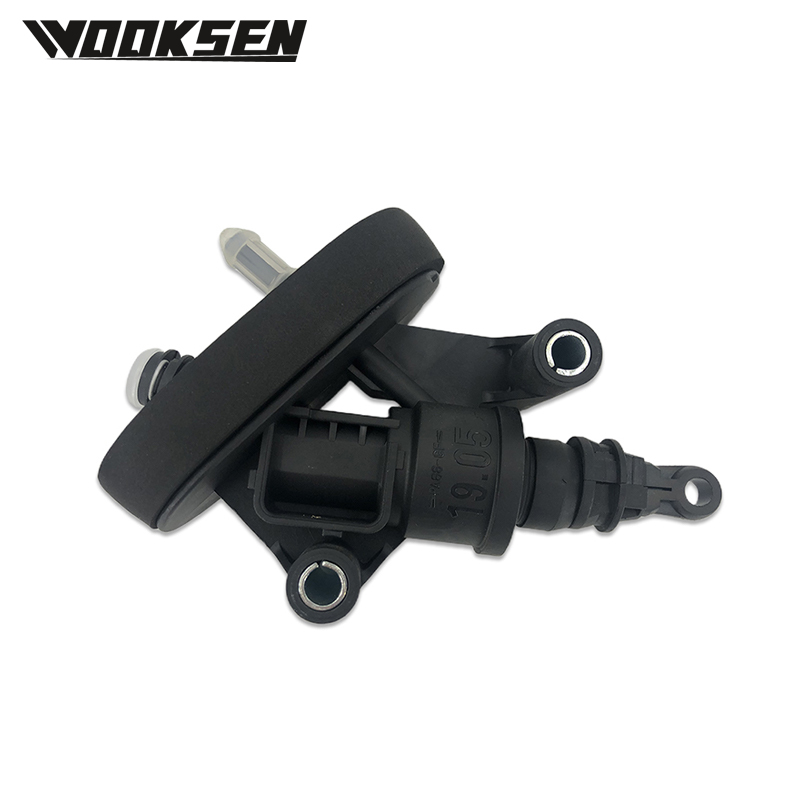
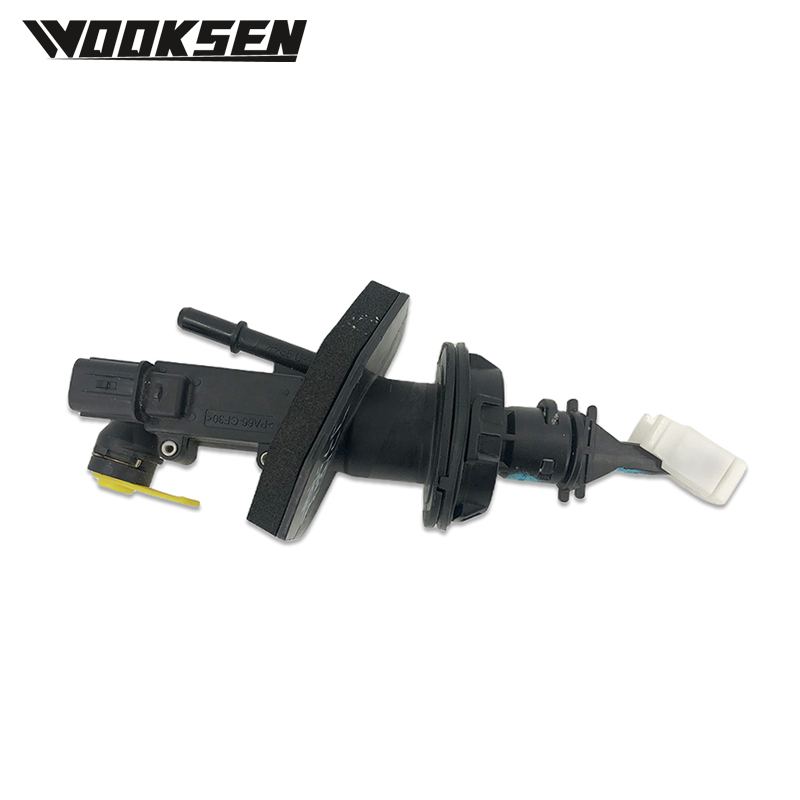
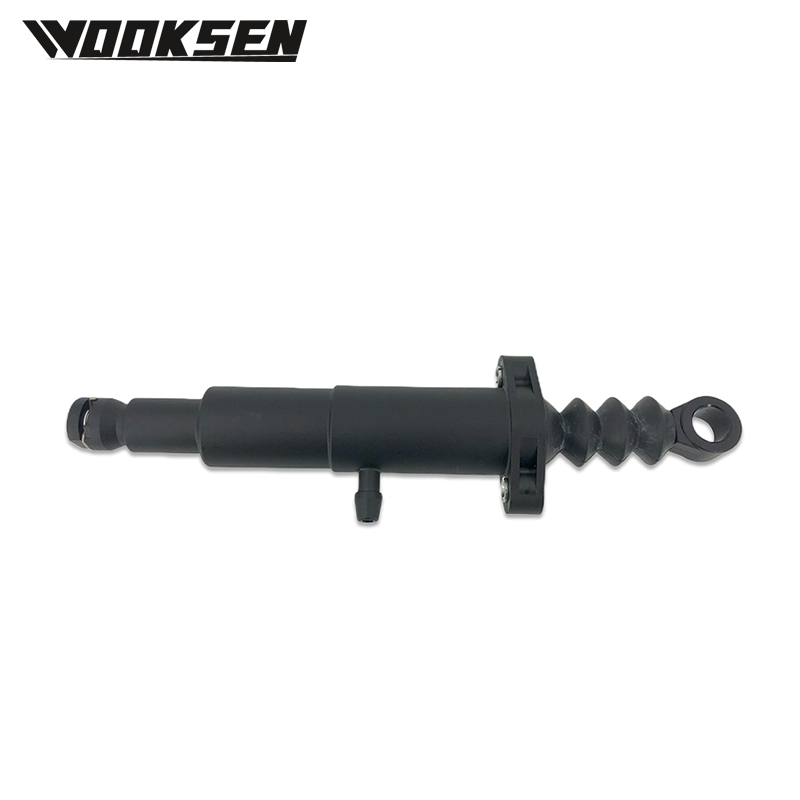
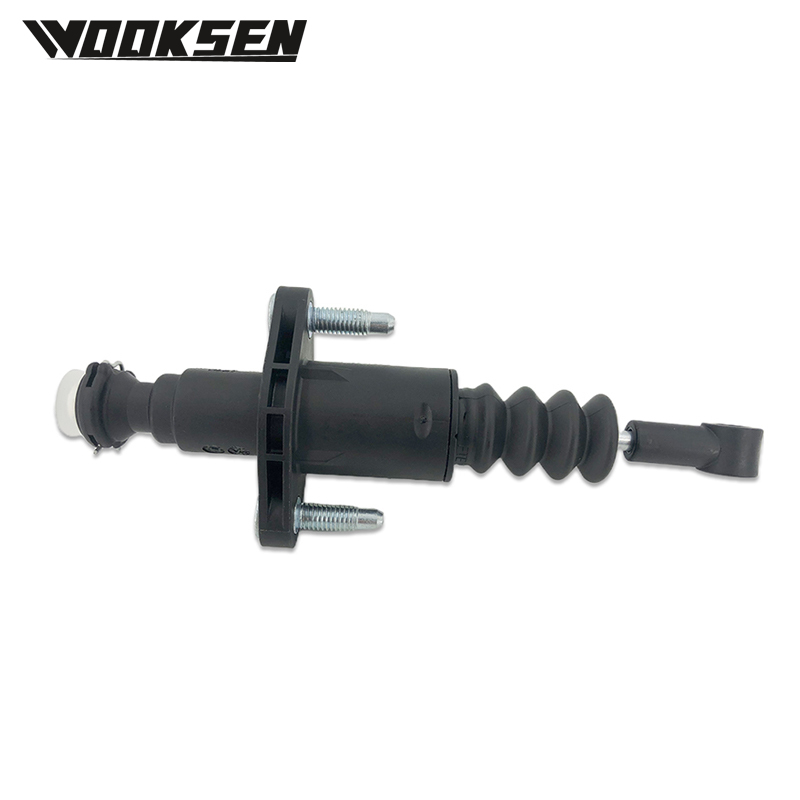
The A0004314701 brake pump is an important component within a vehicle’s brake system that helps convert the mechanical force applied by the driver’s foot on the brake pedal into hydraulic pressure. This pressure then travels through brake fluid lines to activate brake calipers or wheel cylinders, creating friction that slows wheel movement. The A0004314701 designation refers to a specific part number often found in vehicles from well-known manufacturers, helping technicians identify the correct brake pump unit when servicing or replacing components in the braking system.
At the core of hydraulic braking systems lies the principle that liquid cannot be compressed in the same way as air. When a driver pushes down on the brake pedal, that motion moves a piston inside the brake pump or master cylinder. This compresses the brake fluid and sends pressure through lines to the individual wheel brakes. The pressure causes brake pads or shoes to press against rotors or drums, creating friction that slows the vehicle. The brake pump sits near the top of this system, where pedal motion enters and is translated into hydraulic action.
Designers of brake system components pay attention to how the brake pump integrates with other parts. The housing and connections must align precisely with fluid reservoirs and lines, ensuring that pressure travels without interruption or loss. Bore size, seal design, and connection points all influence how effectively pressure is delivered. The A0004314701 brake pump includes ports for brake fluid inlet and outlet, and internal seals that keep fluid contained and force flowing where it should. These details play a role in how consistent braking pressure feels when the pedal is applied.
For drivers, the feel of the brake pedal and the response of the vehicle when slowing down are linked to how well the brake pump translates that pedal motion into pressure. A brake system that responds with predictable pressure helps a driver judge braking distances and adjust foot pressure as needed. Although the brake pump is not the only part involved — brake lines, calipers, drums, pads, and rotors all contribute — it is where the initial conversion of driver input into hydraulic energy takes place.
Material construction of the A0004314701 brake pump emphasizes durability and resistance to the conditions found in an engine compartment. The metal body and internal components are designed to resist wear and handle repeated cycles of pressure without deforming. Seals and piston surfaces are engineered to maintain fluid containment and avoid leaks that could reduce braking force. While the brake pump is not visible during normal vehicle use, its consistent performance is felt each time brakes are applied.
Brake systems also include reservoirs that hold brake fluid, which feeds into the brake pump when needed. When the brake pedal is released, internal springs and passages route fluid back in preparation for the next application. This circulation ensures that air does not enter the system, which could compromise pressure transmission. Correct integration with brake lines helps maintain stable brake response throughout different driving conditions.
Understanding the role of the A0004314701 brake pump helps clarify how everyday braking works. Drivers rely on this component, along with the rest of the brake system, to slow and stop vehicles safely. Its function of converting pedal pressure into hydraulic force is fundamental to the way brakes operate, and the part number helps ensure that the correct unit is fitted during repairs or replacements. With the brake pump in place, the hydraulic circuit functions as a cohesive unit, turning driver intent at the pedal into controlled braking action that supports safe vehicle operation across daily driving scenarios.

 English
 русский
 Español
 عربى
عربى