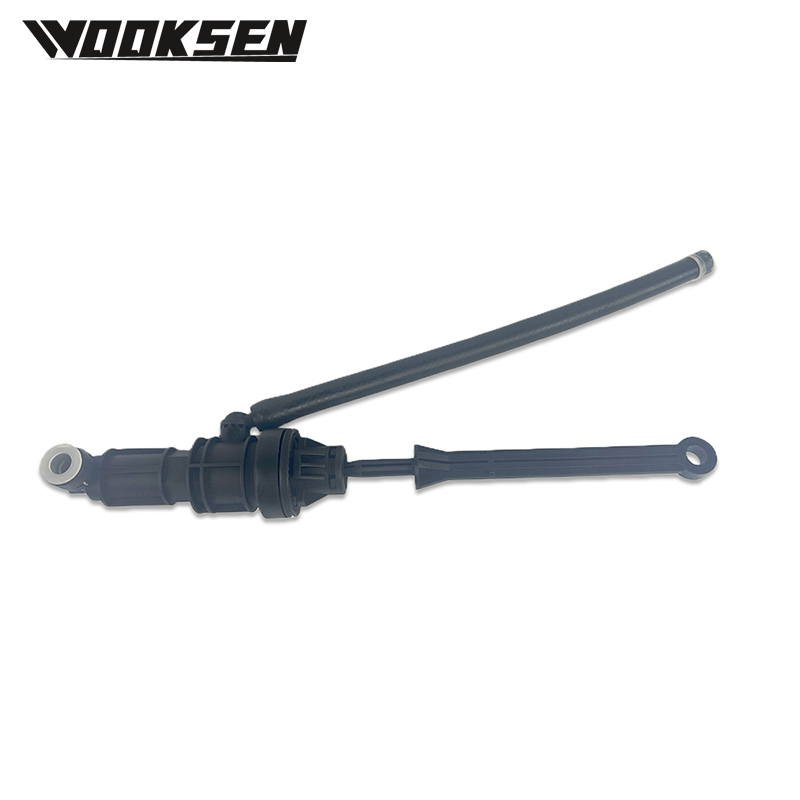
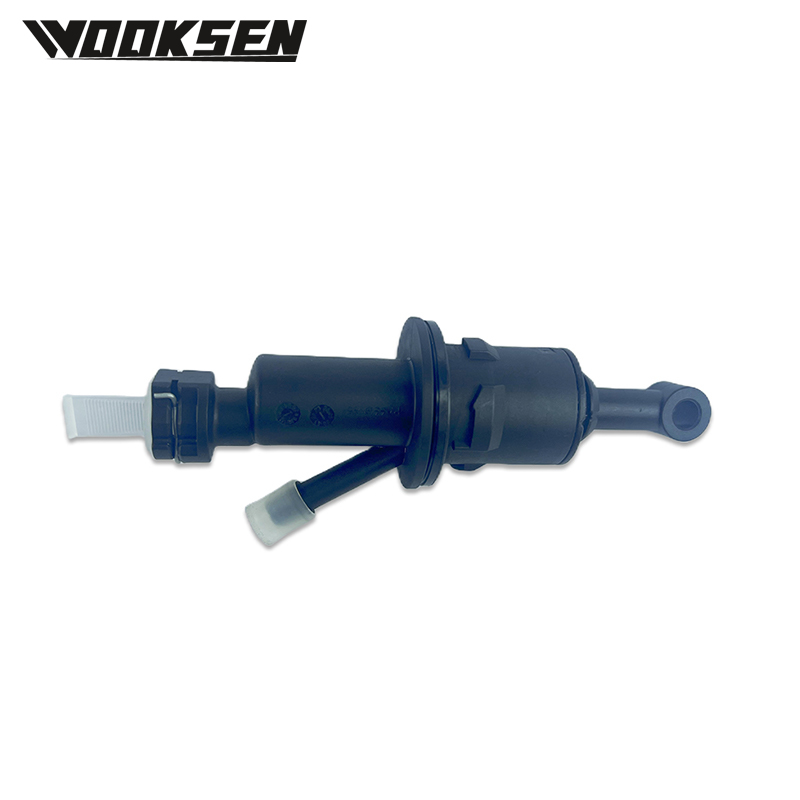
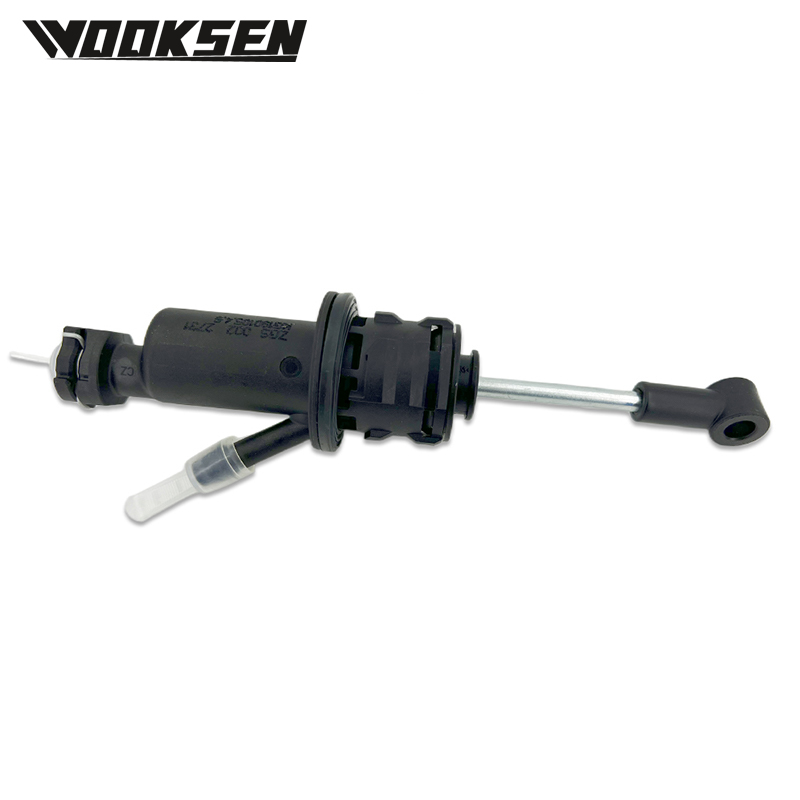
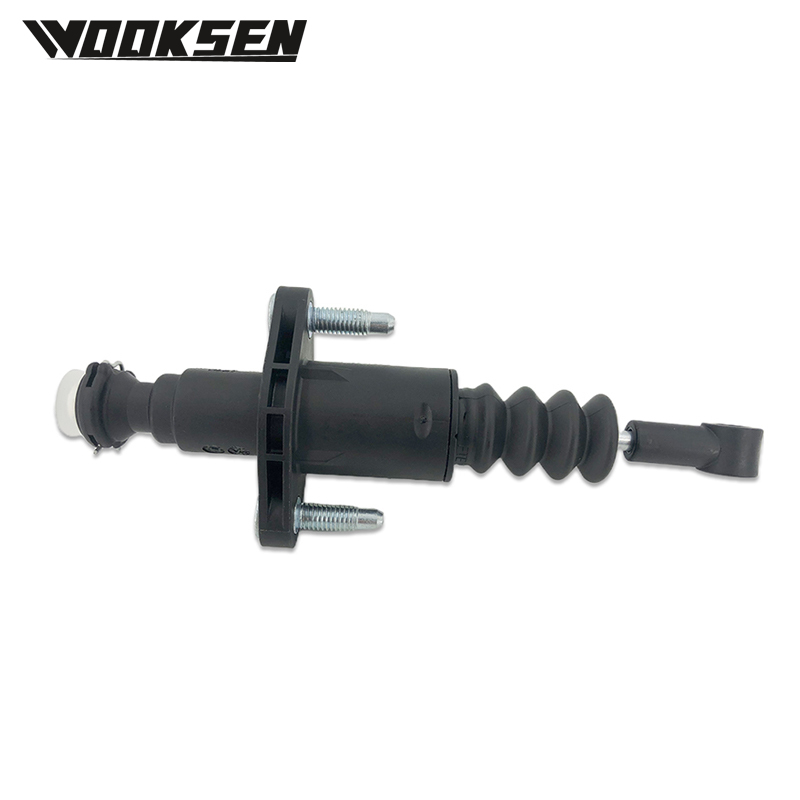
The 46100‑S84‑A52 Brake master cylinder has been drawing attention across automotive assembly plants, engineering discussions, and vehicle integration projects. This essential brake component translates driver input into hydraulic pressure, making it a critical link between pedal and wheel. Modern vehicles rely on precise braking performance, and components like the 46100‑S84‑A52 are central to achieving that. Its design focuses on internal tolerances, seal integration, and material choices suitable for passenger vehicles and light commercial models.
Manufacturing this master cylinder involves multiple stages of precision machining, careful assembly, and rigorous quality checks. Metal cylinders and bores are formed to tight specifications, with exact dimensions and surface finishes that ensure consistent hydraulic performance. Pistons, springs, valves, and seals are then assembled using a combination of automated systems and skilled technicians. Every movement of the piston is measured, and automated rigs simulate real-world brake pedal actions to confirm proper performance before shipping.
Engineers pay special attention to tolerance stacks, the accumulation of small manufacturing variations that can affect hydraulic function. Even tiny deviations in bore diameter or seal placement can change pedal feel and braking response. Manufacturers monitor thousands of measurements to detect trends and make corrections, ensuring that every unit leaving the factory operates within strict design limits. This level of detail supports uniform performance across vehicles, whether on city streets or long-distance drives.
Once delivered to assembly plants, the 46100‑S84‑A52 Brake master cylinder is installed as part of the full brake system. Technicians mount the cylinder to the vehicle frame and connect brake lines with precise torque to avoid leaks and maintain consistent force transfer. Integration with anti-lock braking systems and stability control modules ensures that hydraulic input aligns with electronic safety features. Although the master cylinder itself remains mechanical and hydraulic, its performance is integral to the coordination of sensors, actuators, and electronic control units managing wheel slip and traction.
The production and supply chain journey of the 46100‑S84‑A52 Brake master cylinder illustrates the modern approach to automotive logistics. Coordination between suppliers and vehicle manufacturers is crucial to maintain production schedules and prevent delays. Once in the field, the master cylinder quietly performs its role each time the driver presses the brake pedal. Smooth, predictable braking relies not only on rotors, pads, or calipers, but also on the internal precision of this hydraulic unit. Brake pedal feel, modulation, and resistance all trace back to design and manufacturing choices made before the cylinder ever reached a vehicle.
Engineering trends increasingly focus on system-level performance rather than individual components in isolation. Developers of the 46100‑S84‑A52 Brake master cylinder use simulations, prototypes, and iterative testing to refine its function and ensure it complements the vehicle’s full braking system. Data from real-world testing informs future design adjustments, which may explore material alternatives, adaptive hydraulic behavior, or closer integration with emerging brake technologies. Despite these innovations, the master cylinder’s role remains the same: to reliably convert driver input into hydraulic force, maintaining vehicle control and safety.
The story of the 46100‑S84‑A52 Brake master cylinder highlights how even a single part can have a broad impact on vehicle performance and assembly efficiency. Its production requires careful machining, meticulous assembly, and thorough testing. Its use affects braking feel, system reliability, and integration with modern vehicle electronics. The 46100‑S84‑A52 Brake master cylinder demonstrates that attention to detail in every stage—from production to installation—ensures consistent, dependable operation for drivers every day.

 English
 русский
 Español
 عربى
عربى