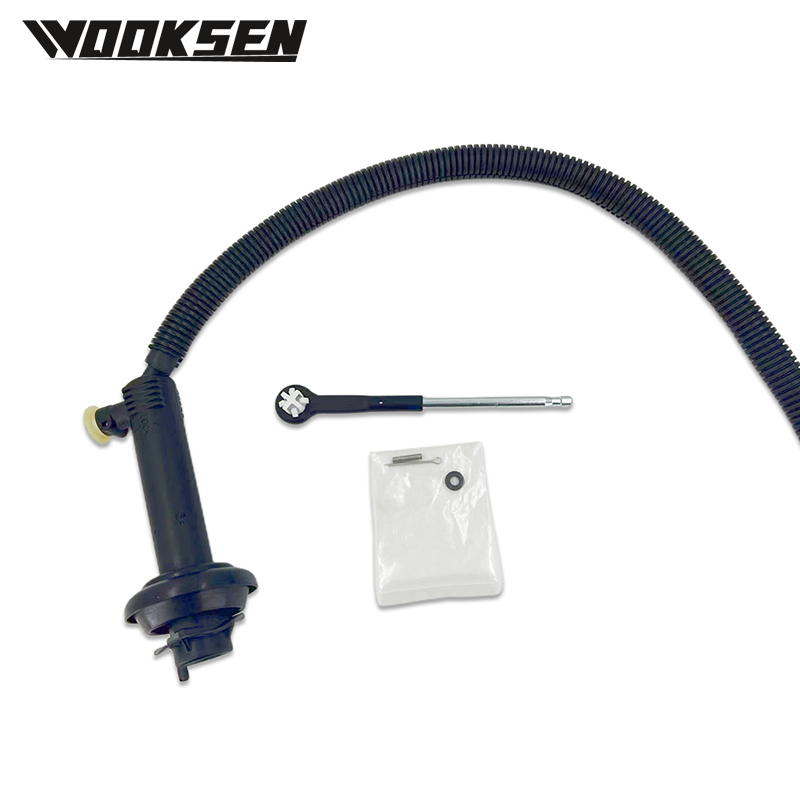
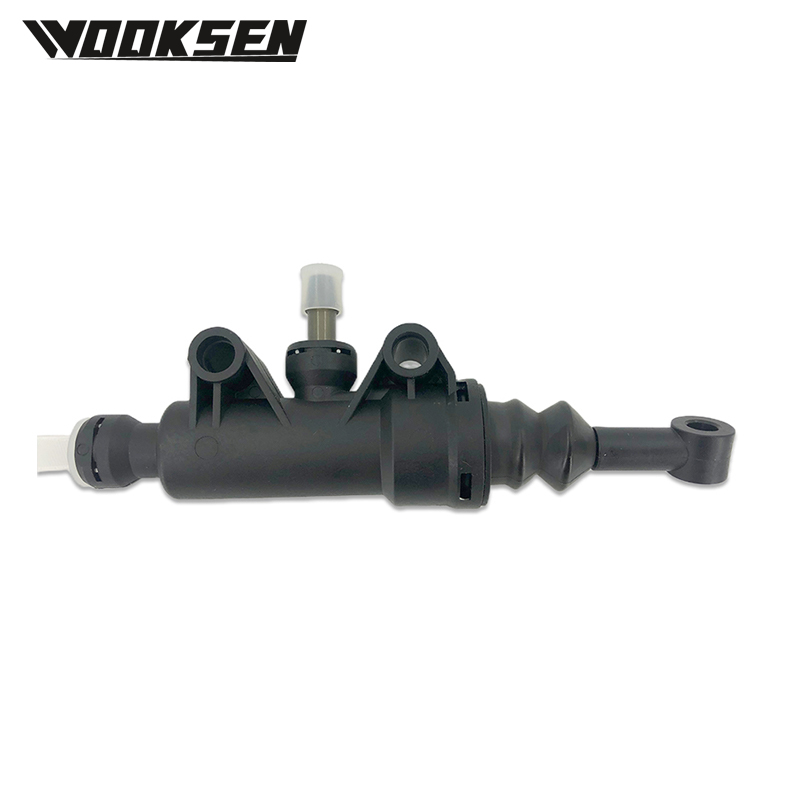
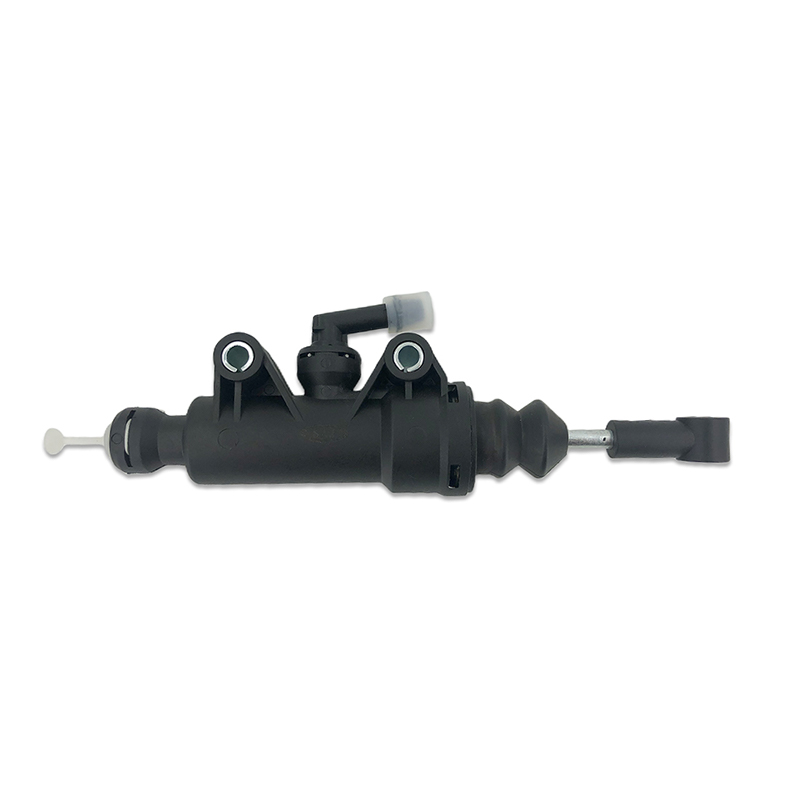
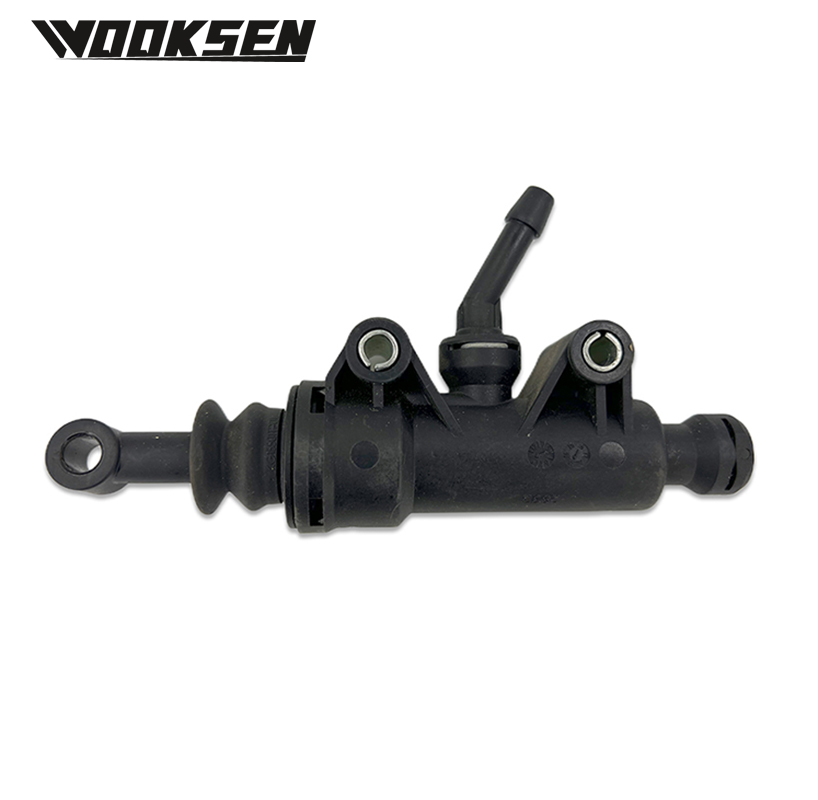
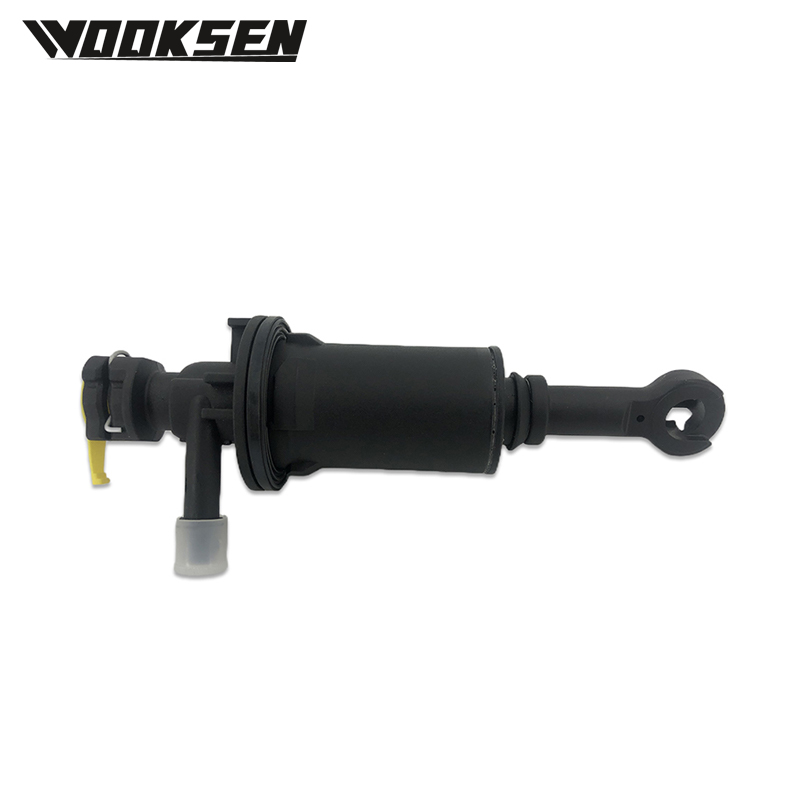
What Is the BFD1-41-920B Clutch Slave Cylinder
The BFD1-41-920B Clutch slave cylinder is a component that plays a defined mechanical role in vehicles with hydraulic clutch systems. In a hydraulic clutch setup, the slave cylinder works alongside other parts to convert hydraulic fluid pressure into physical movement that helps disengage the clutch. This interaction makes shifting between gears feel more controlled and predictable from behind the wheel.
Hydraulic clutch systems are chosen in many vehicles because they send fluid under pressure from the clutch master cylinder to the slave cylinder. When the driver steps on the clutch pedal, fluid flows through lines and hoses, arriving at the slave cylinder ready to act. The BFD1-41-920B Clutch slave cylinder contains a piston that moves in response to this fluid pressure. That movement pushes against the clutch release mechanism, temporarily separating the clutch disc from the engine’s flywheel. It is this separation that allows the driver to shift gears without grinding or hesitation.
How the BFD1-41-920B Clutch Slave Cylinder Works
When the driver presses down on the clutch pedal, the master cylinder — a small reservoir and piston assembly near the firewall — sends hydraulic fluid along a line toward the slave cylinder. That fluid arrives at the slave cylinder ready to act, pushing its own piston outward. This outward movement is what applies force to the clutch release mechanism.
The design of the slave cylinder enables it to respond to fluid pressure with a measured amount of force. Unlike mechanical systems that use cables and levers to move parts, hydraulic systems rely on fluid dynamics to transmit force smoothly through bends and turns in the lines. The piston inside the BFD1-41-920B Clutch slave cylinder is usually sealed with rings or boots that prevent fluid from escaping. Seals are carefully selected so that fluid pressure builds and releases in controlled steps rather than sudden bursts, smoothing the transition for drivers who push and release the clutch pedal repeatedly during driving.
As the fluid pushes the piston, the movement travels through a connection to the clutch fork or release bearing. That link is what transfers the force toward separating the clutch disc. When the pedal is released, the fluid pressure drops, and springs in the clutch assembly help return the piston and connected parts to their resting positions. In this way, the BFD1-41-920B Clutch slave cylinder actively moves in sync with driver input, acting as a bridge between foot movement and mechanical response.
Everyday Impacts of the BFD1-41-920B Clutch Slave Cylinder
In daily driving situations, the BFD1-41-920B Clutch slave cylinder plays out its function in moments that drivers may not consciously notice until something feels unusual. For instance, when navigating stop‑and‑go traffic or changing gears on winding roads, pedal feel and gear engagement contribute to how comfortable and confident a driver feels behind the wheel. Because the slave cylinder reacts consistently to fluid pressure, drivers experience shifts that feel predictable rather than abrupt or insensitive.
When a vehicle is moving at lower speeds and gear changes happen more frequently, the slave cylinder sees repeated cycles of press and release. Its ability to respond faithfully to fluid pressure has a direct influence on how smoothly gear transitions occur. This interplay creates an impression of continuity and connection between the driver and the vehicle’s drivetrain.
Drivers who travel through crowded urban streets, rural roads, or rolling hills may notice that their vehicle seems to “respond” with a certain rhythm when they shift gears. Part of that rhythm comes from the number of elements that work together, including the BFD1-41-920B Clutch slave cylinder.

 English
 русский
 Español
 عربى
عربى