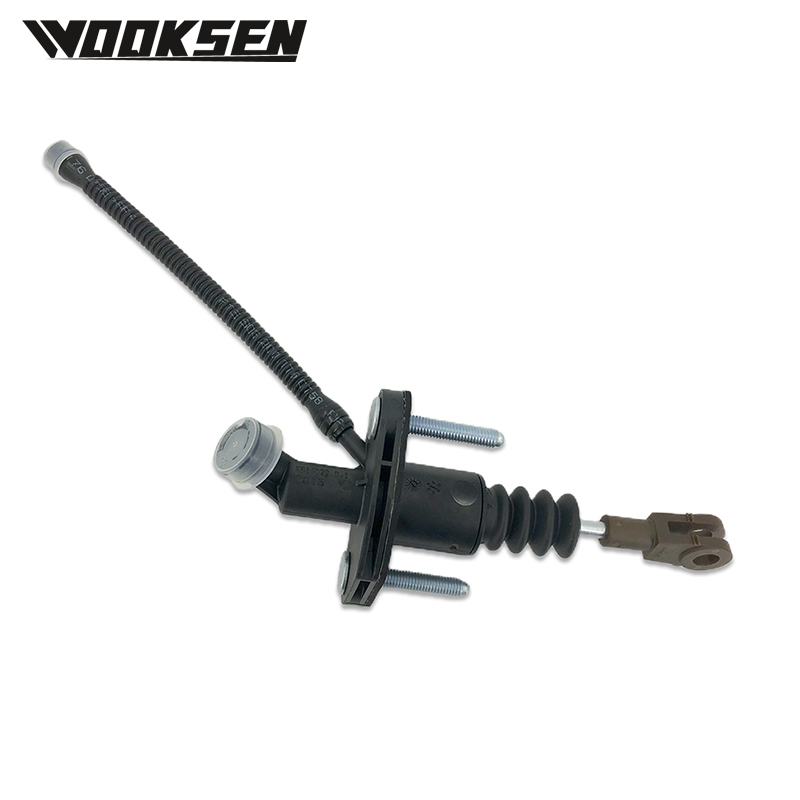
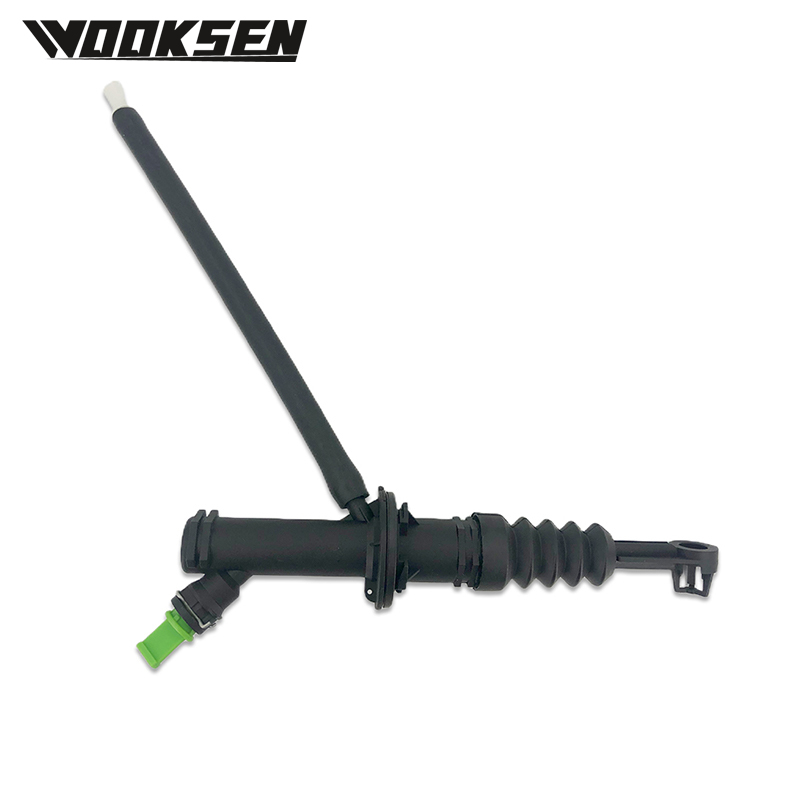
Role of the Part in Braking Systems
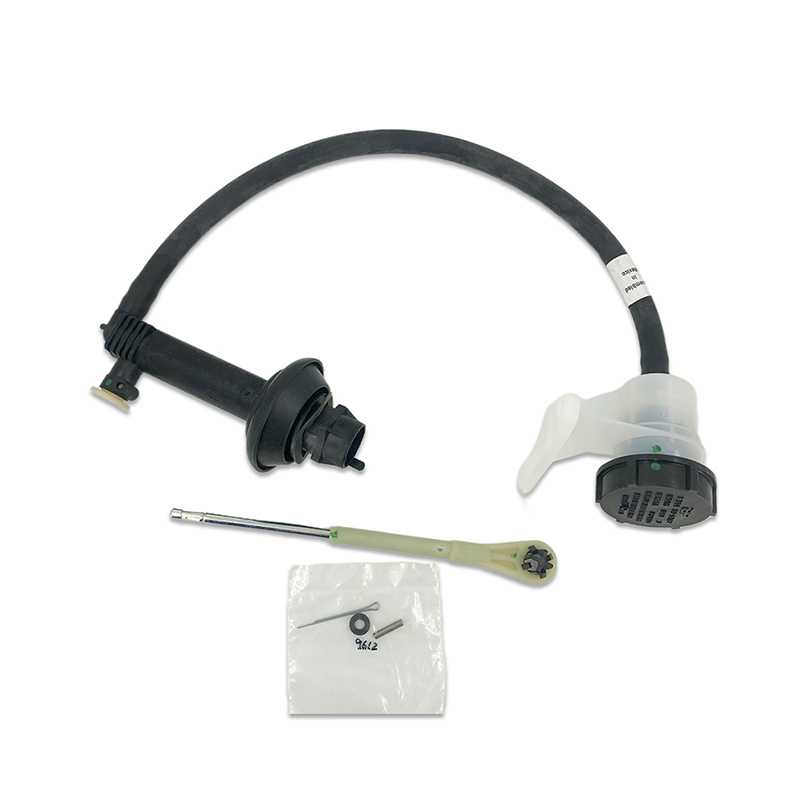
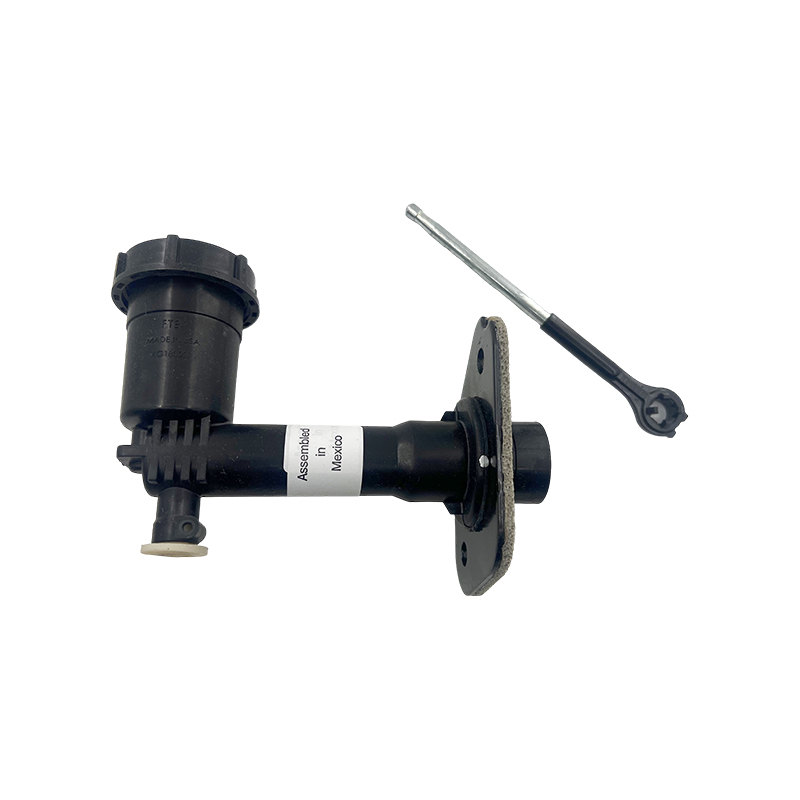
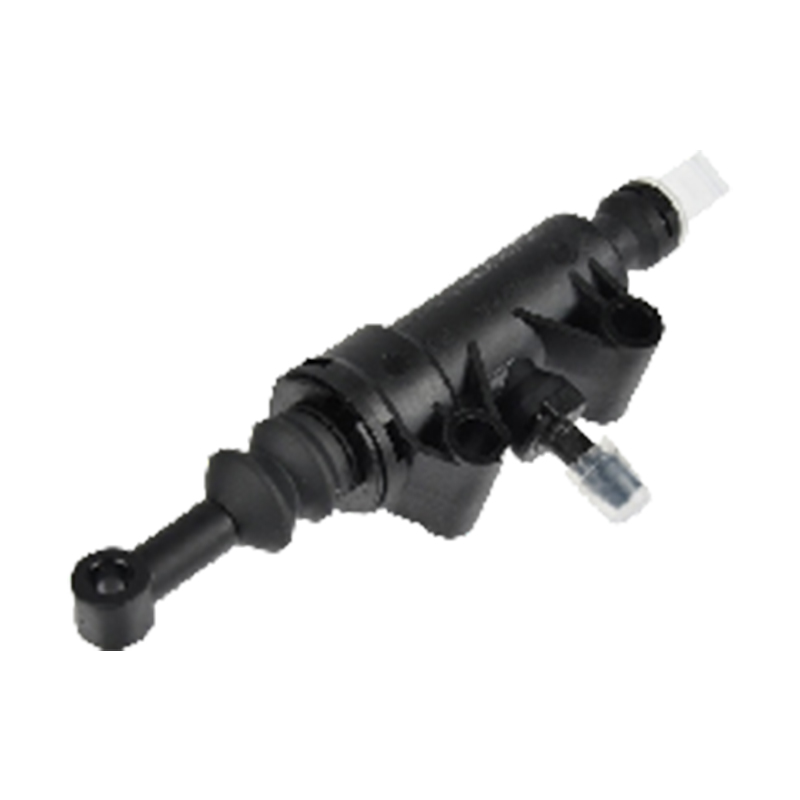
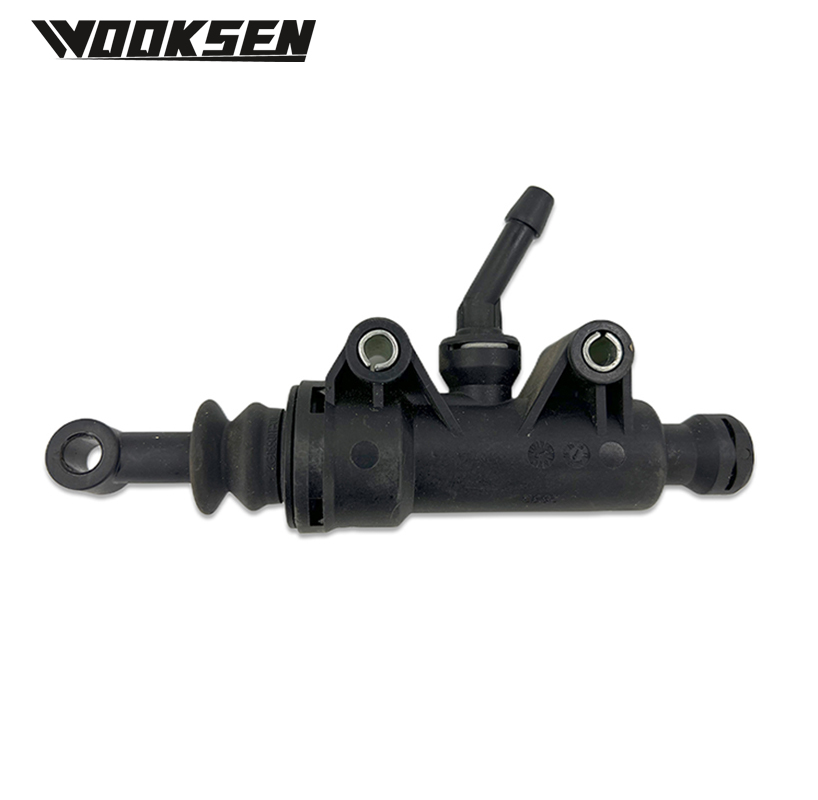
The 46100-S5D-A51 Brake master cylinder converts pedal force into hydraulic pressure. When a driver presses the brake pedal, the cylinder pushes fluid through the lines so the calipers or drums can slow the wheels. Its internal pistons, seals, and reservoir work together to deliver consistent pressure. Buyers who manage fleets or assembly operations often look for this exact part number because it matches specific vehicle platforms that remain in production or active service.
Procurement managers note that matching the original design reduces fitment issues on the production floor. The 46100-S5D-A51 Brake master cylinder follows established dimensional and performance standards that allow straightforward integration into existing lines. Factories producing or refurbishing vehicles benefit from parts that arrive ready for installation without extra machining or adaptation steps.
Demand Patterns Among International Buyers
B2B purchasers from different regions place orders for the 46100-S5D-A51 Brake master cylinder when they restock service inventories or support ongoing vehicle builds. The part number appears regularly in RFQs because it links directly to known vehicle applications. Buyers value clear packaging, consistent labeling, and reliable lead times so their own operations stay on schedule.
Some purchasing teams combine this cylinder with related hydraulic components in single shipments. Doing so simplifies logistics and reduces the number of suppliers they manage. Factories that can coordinate such combined orders tend to receive repeat inquiries. The focus stays on practical supply rather than promotional claims, which matches the straightforward needs of industrial buyers.
Quality Checks During Manufacturing
Inside the plant, quality teams examine the 46100-S5D-A51 Brake master cylinder at several points. Bore diameter, surface finish, and seal seating receive special attention. Pressure testing confirms that the unit holds fluid without leakage under simulated operating loads. These steps help ensure that each unit leaving the facility performs as expected once installed.
Traceability remains important for buyers who must track components through their own systems. Factories assign batch codes and keep process records so any question about a shipment can be answered quickly. This level of control supports the long-term relationships that B2B trade depends on.
Practical Considerations for Procurement Teams
When overseas buyers evaluate the 46100-S5D-A51 Brake master cylinder, they typically review dimensional drawings, material specifications, and packaging methods. Clear communication about minimum order quantities and shipping options helps both sides plan effectively. Factories that respond with accurate technical data and realistic timelines build trust over successive orders.
The part continues to appear in supply-chain discussions because it serves a basic and ongoing function in vehicle braking. As long as the related vehicle platforms remain active, demand for the matching master cylinder stays present. Manufacturing sites that keep production capacity aligned with this demand position themselves as steady partners for international purchasing departments.
Integration into Existing Supply Networks
Many buyers already work with established networks of component suppliers. Adding the 46100-S5D-A51 Brake master cylinder to an existing relationship often proves simpler than starting with a new vendor. Factories that maintain open technical dialogue and flexible order handling make this integration smoother. The result is fewer disruptions on the buyer’s side and more predictable volume for the producer.
In daily practice, the conversation centers on fit, availability, and consistency. Buyers want parts that install correctly the first time and arrive when promised. Factories that deliver on those points keep the 46100-S5D-A51 Brake master cylinder in active circulation among their overseas accounts.

 English
 русский
 Español
 عربى