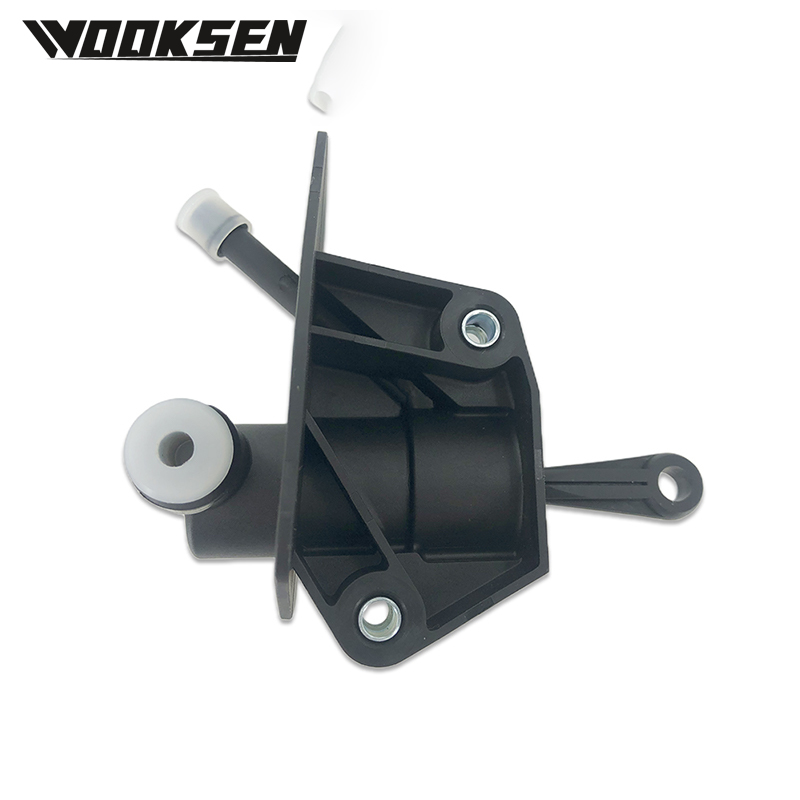
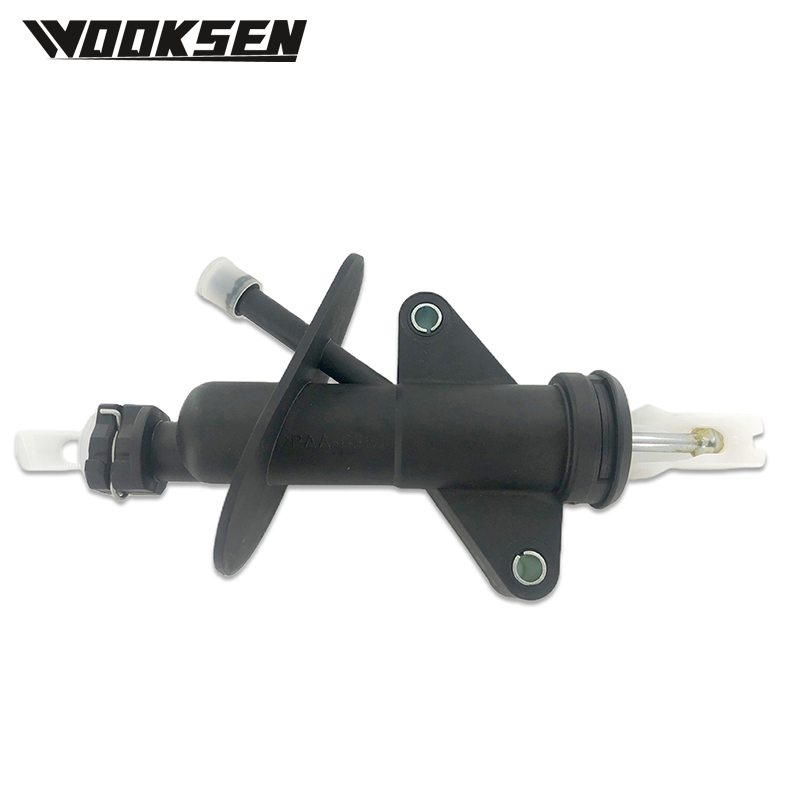
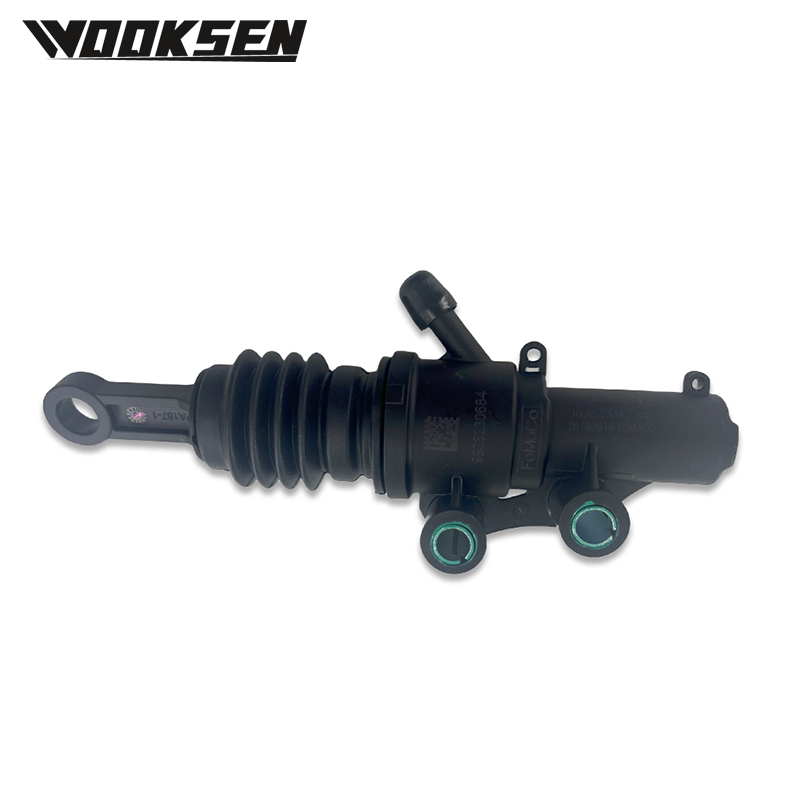
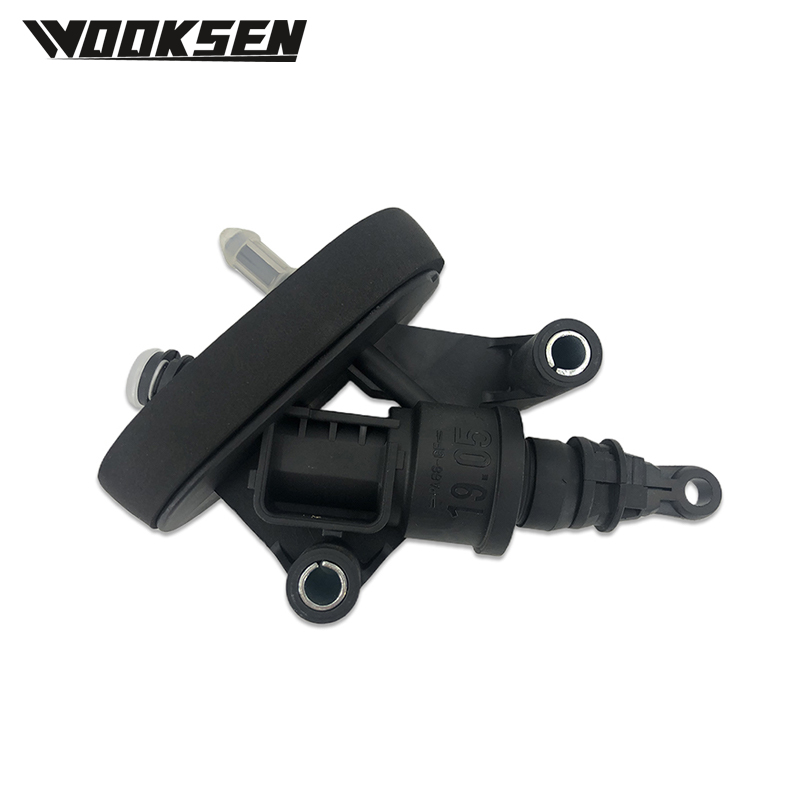
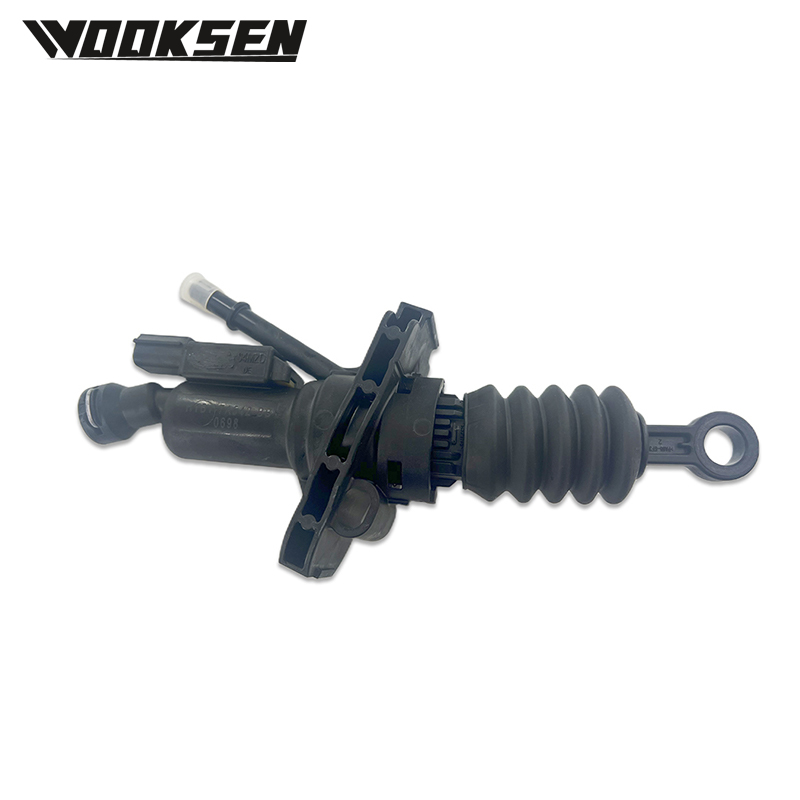
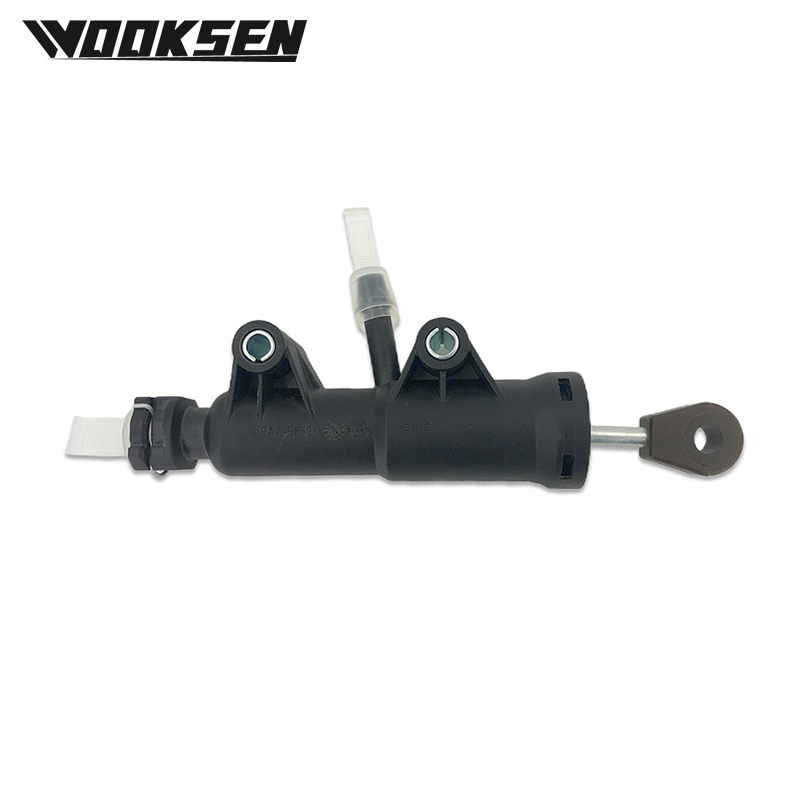
Hydraulic clutch systems rely on a sealed circuit that moves fluid from the master cylinder to the slave cylinder or release bearing. Over time, the original plastic fittings and connectors can become brittle, crack, or lose their sealing integrity. The AB397A501AB Clutch Slave Cylinder Adaptor serves as a direct-interface piece that restores the connection between the hydraulic line and the cylinder assembly.
It is commonly referenced under related numbers such as AB39-7L501-AB and 1735850. These identifiers appear across parts catalogs used by workshops that service Mazda BT-50 and Ford Ranger platforms equipped with 2.2-liter and 3.2-liter engines from roughly the 2013 model year onward. The adaptor is designed for left-hand-drive configurations and fits within the limited space typical of front-engine layouts.
Key Design Characteristics
The component is molded from durable engineering plastic and incorporates a quick-insertion style connector for the hydraulic pipe. This modular approach allows technicians to complete the line attachment in a short time once the old fitting has been removed. A compact body profile helps the part clear surrounding engine bay components, while the overall lightweight construction reduces stress on mounting points.
Some versions include features that dampen engagement shock, which can translate into quieter and smoother clutch operation under everyday commercial loads. The split-piston concept found in related cylinder designs further supports serviceability by allowing seal replacement without discarding the entire assembly. These practical details make the AB397A501AB Clutch Slave Cylinder Adaptor a straightforward option for repair shops handling routine clutch hydraulic work.
Practical Considerations for Parts Departments
When ordering the AB397A501AB Clutch Slave Cylinder Adaptor, parts counters typically verify the vehicle’s engine size, production year, and drive configuration. Cross-references to AB397L501AB and related markings help confirm interchangeability. Neutral packaging options available from various suppliers allow distributors to brand the part according to their own catalog systems while retaining the core functional design.
Installation follows standard hydraulic clutch practices: the system is depressurized, the old connector is carefully removed, the new adaptor is seated with its retaining features, and the line is reattached. Proper bleeding afterward restores firm pedal response. The compact size and standardized interface mean that specialized tools beyond everyday workshop equipment are rarely required.
Supporting Efficient Workshop Throughput
For busy service bays, a reliable adaptor of this type contributes to predictable repair times. Technicians can address clutch hydraulic complaints without extended diagnostic sessions when the issue is isolated to the connection point. Stocking the AB397A501AB Clutch Slave Cylinder Adaptor alongside common master and slave cylinder assemblies gives shops a ready response for vehicles that share the same platform architecture.
The part’s material and construction are chosen to withstand the vibration and thermal cycles common in commercial truck operation. This durability supports longer intervals between hydraulic system interventions, which is useful for operators who schedule preventive work around high-utilization periods.
Integration with Broader Clutch System Service
While the adaptor itself is a small component, it sits within a larger hydraulic network that includes the master cylinder, fluid reservoir, lines, and release mechanism. Addressing a worn or damaged connector early can prevent secondary issues such as contaminated fluid or incomplete clutch disengagement. Workshops that treat the hydraulic circuit as a complete system often include inspection of the adaptor during routine clutch service visits.
In summary, the AB397A501AB Clutch Slave Cylinder Adaptor remains a practical, application-specific solution for maintaining hydraulic clutch performance on certain Mazda BT-50 and Ford Ranger models. Its straightforward design, clear fitment coverage, and workshop-friendly features make it a useful reference for parts professionals and technicians who keep these trucks operating smoothly day after day.

 English
 русский
 Español
 عربى