Understanding the Basic Function of the Component
When the clutch pedal is pressed, the XS61-7A543-AD clutch master cylinder generates pressure in the hydraulic fluid line. This pressure travels to the slave cylinder, which then disengages the clutch plate from the flywheel. The process allows drivers to shift gears smoothly without grinding. Releasing the pedal reverses the action, re-engaging the clutch for power transfer to the wheels.
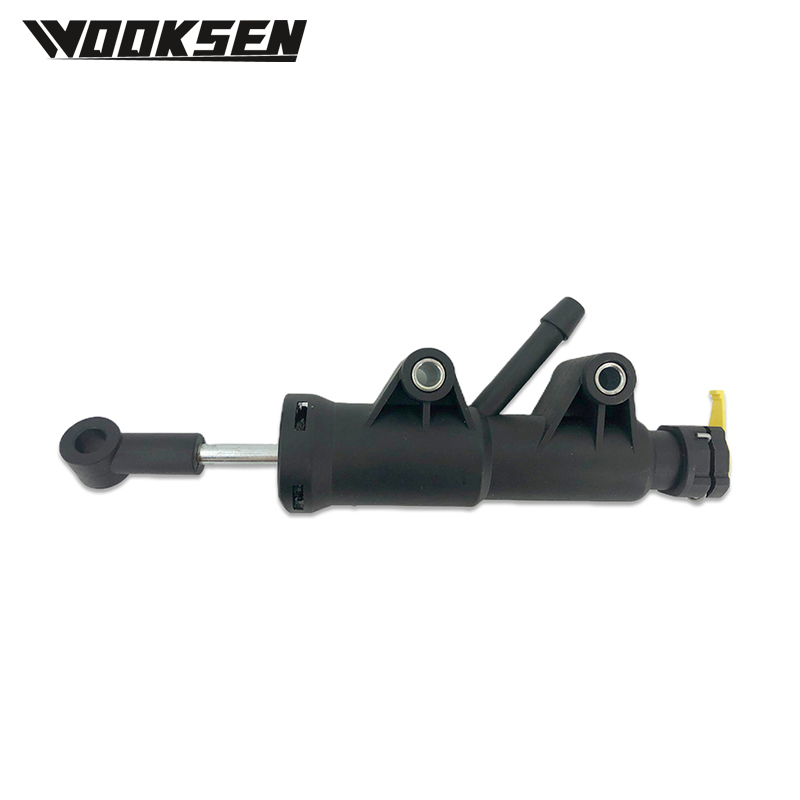
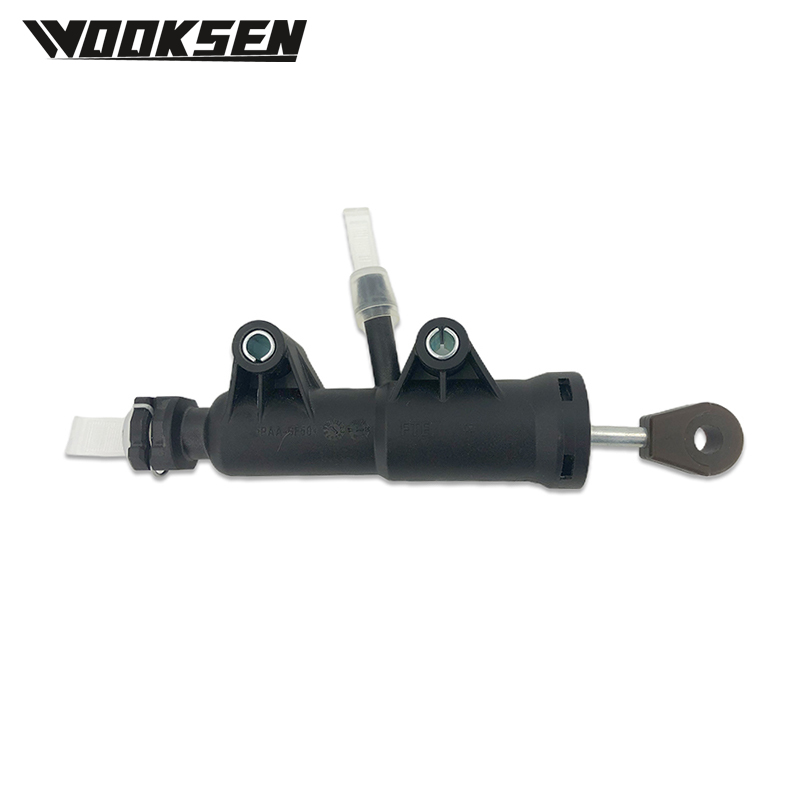
This hydraulic setup provides consistent feel and reduced effort compared to older cable-operated systems. The XS61-7A543-AD clutch master cylinder model features a compact body with precise internal seals and a piston that moves reliably with each pedal stroke.
Design Features of the XS61-7A543-AD Clutch Master Cylinder
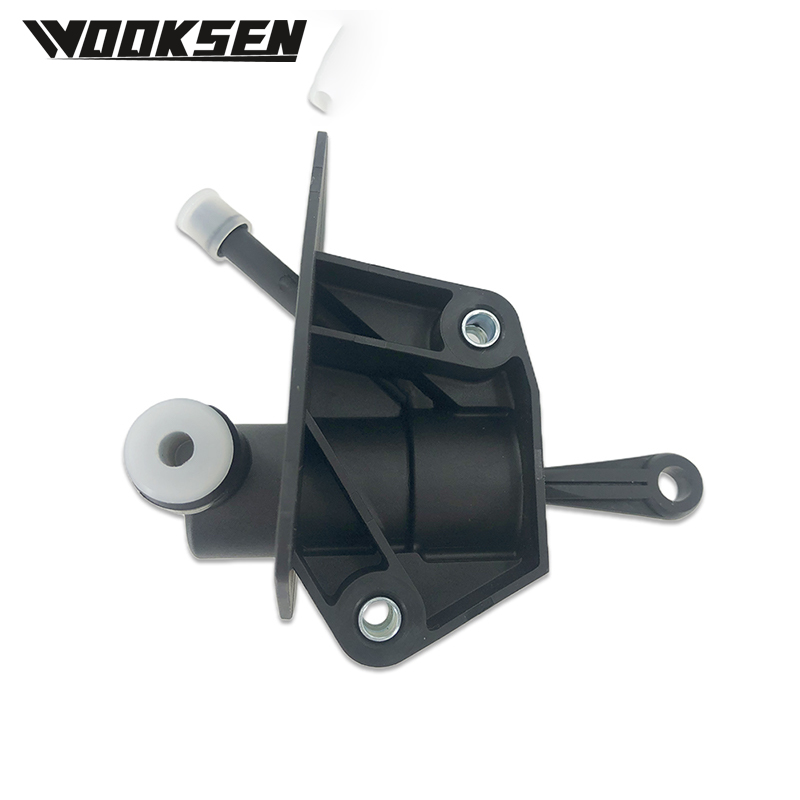
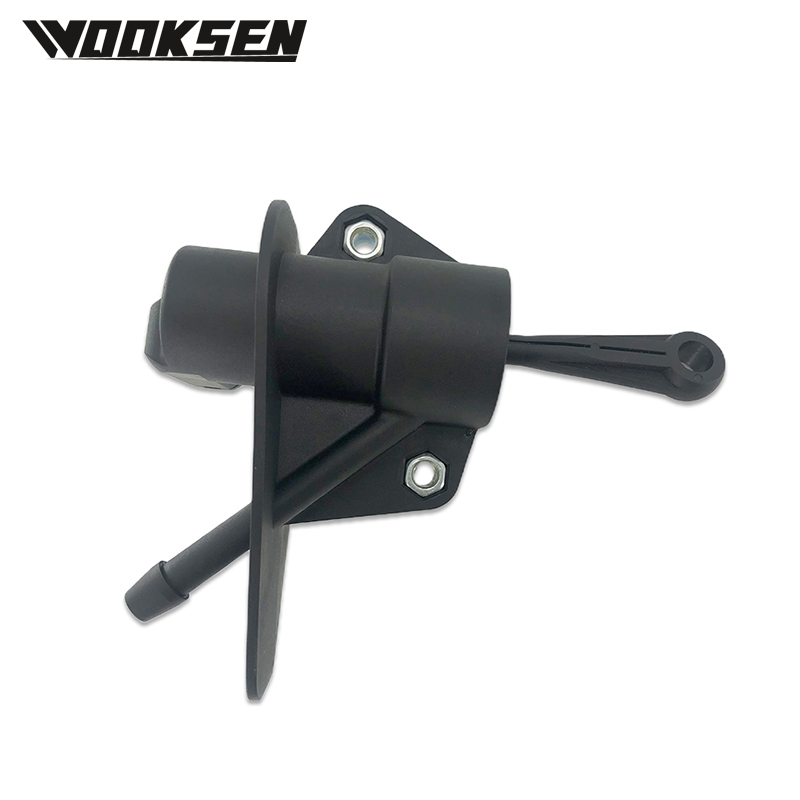
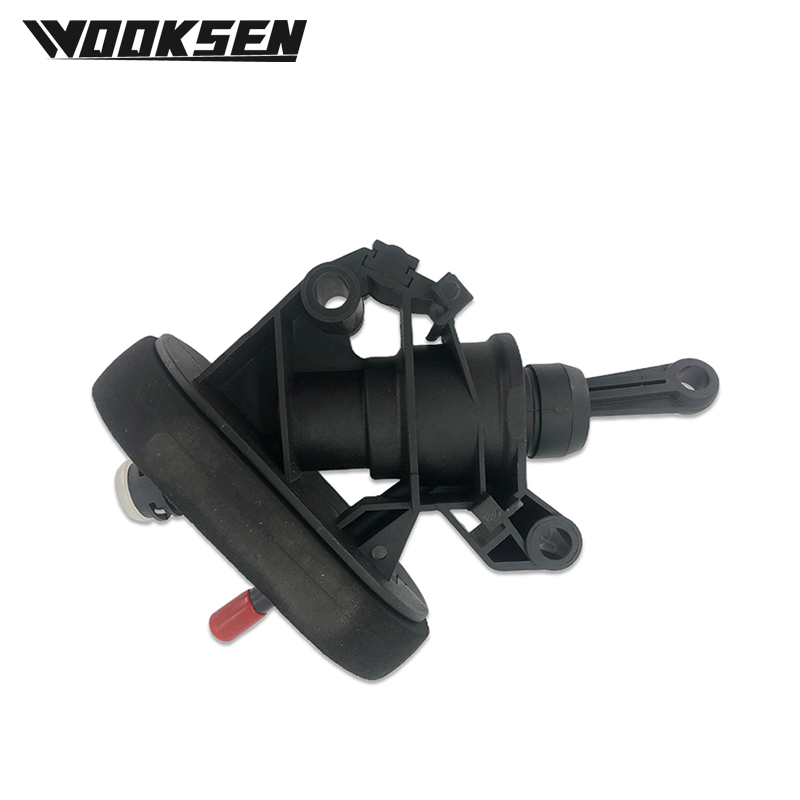
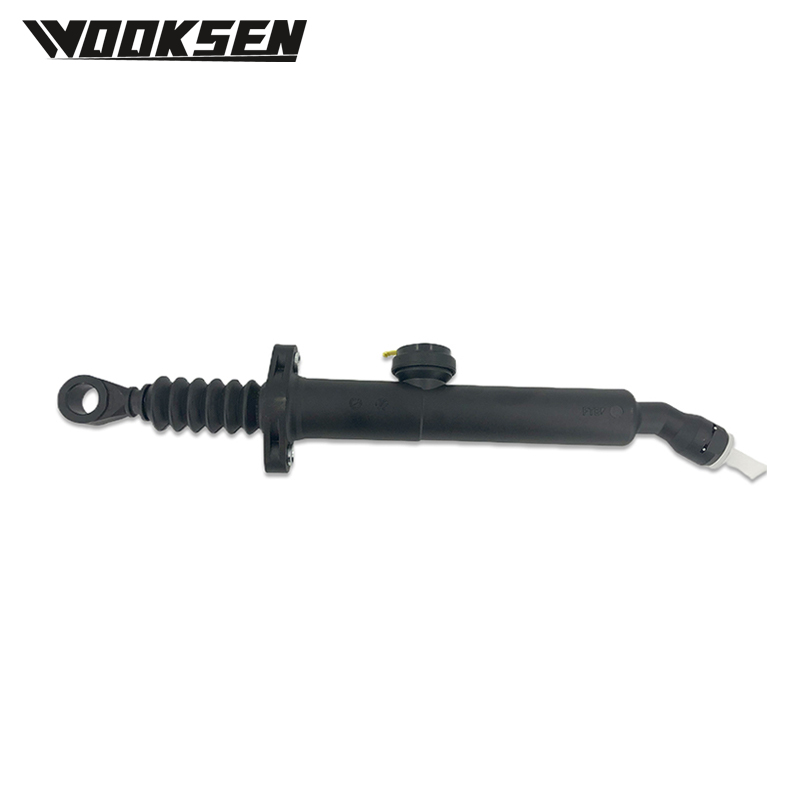
The unit includes a reservoir for clutch fluid, a cylinder bore, and connection points for hydraulic lines. Materials are chosen for compatibility with brake and clutch fluids, ensuring steady performance across temperature ranges common in engine bays. Pushrod connections link directly to the pedal assembly for direct response.
Mounting points allow secure attachment to the firewall or pedal bracket. The design supports straightforward integration during vehicle assembly or component replacement in service workshops. Internal components manage fluid displacement accurately to match pedal travel with clutch travel.
Applications in Different Vehicle Types
This clutch master cylinder appears in a range of cars and light trucks equipped with manual transmissions. It supports daily commuting vehicles as well as models used for longer journeys. The part number XS61-7A543-AD clutch master cylinder corresponds to specifications used by certain manufacturers for particular engine and transmission combinations.
In front-wheel-drive layouts, the cylinder works alongside other drivetrain elements to deliver responsive clutch action. Rear-wheel-drive vehicles benefit from similar hydraulic advantages in pedal feel and modulation.
- Compact size aids installation in tight engine compartments.
- Hydraulic line connections support flexible routing.
- Reservoir design helps maintain fluid levels during operation.
How It Interacts with Other Clutch System Parts
The XS61-7A543-AD clutch master cylinder forms part of a closed hydraulic circuit. Fluid lines carry pressure to the slave cylinder or release bearing, which applies force to the pressure plate. Proper matching of components ensures balanced engagement and disengagement.
Pedal assemblies transmit motion to the master cylinder pushrod. Adjustments in linkage or pedal height can influence the overall system feel. In many vehicles, this setup contributes to predictable control during stop-and-go traffic or highway driving.
Role in Manual Transmission Driving Experience
Drivers rely on the clutch master cylinder for smooth launches from a stop and seamless gear transitions. The component helps modulate power delivery, which is useful when navigating city streets or carrying loads. Consistent hydraulic response supports confidence in gear selection across different speeds.
In performance-oriented manual cars, the cylinder contributes to quick shifts when paired with appropriate clutch discs and flywheels. Everyday vehicles use it for comfortable operation during routine commutes. The engineering focuses on durability through repeated pedal cycles typical in daily use.
Comparison with Similar Clutch Master Cylinders
Various models exist with differences in bore size, stroke length, and mounting configurations. The XS61-7A543-AD clutch master cylinder is calibrated for specific vehicle requirements regarding pedal effort and travel distance. This tailoring helps match the component to engine torque characteristics and transmission gearing.
Other units may feature different reservoir capacities or sensor provisions, but the core hydraulic function remains comparable. Manufacturers select parts like this one to align with overall vehicle design goals for control and reliability.

 English
 русский
 Español
 عربى
عربى