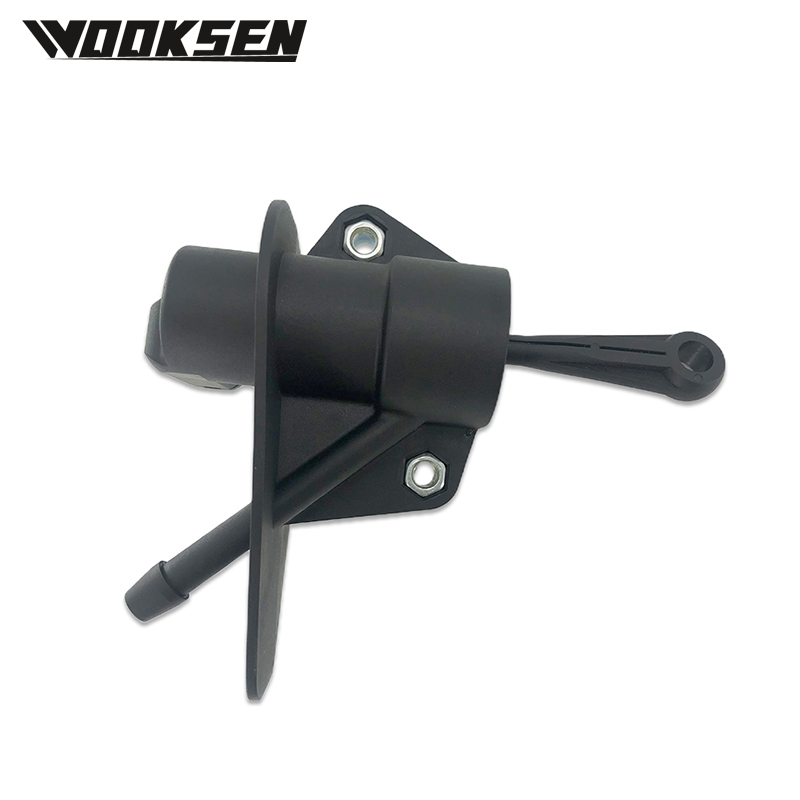
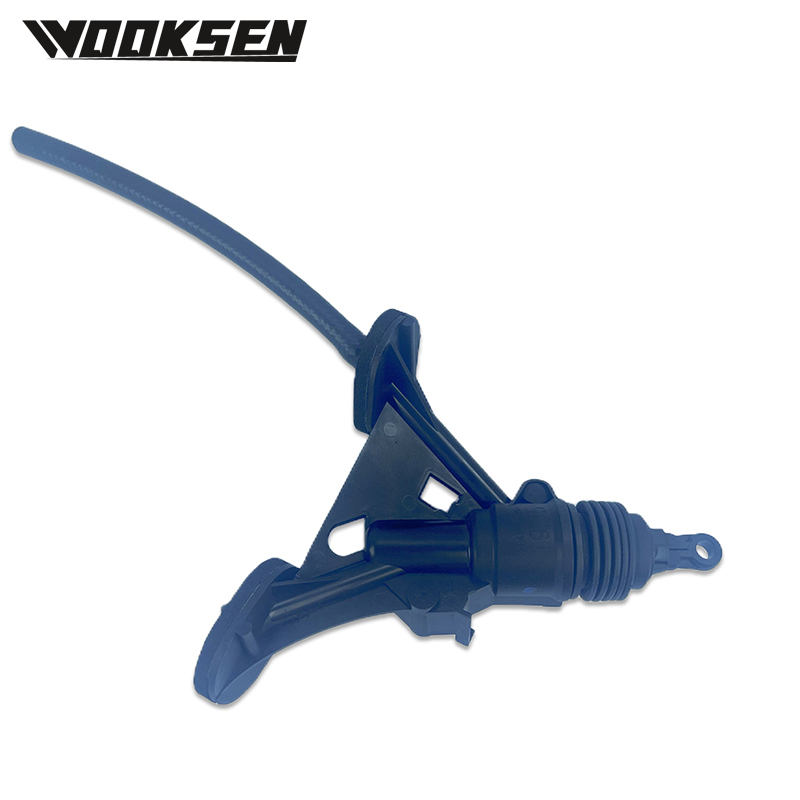
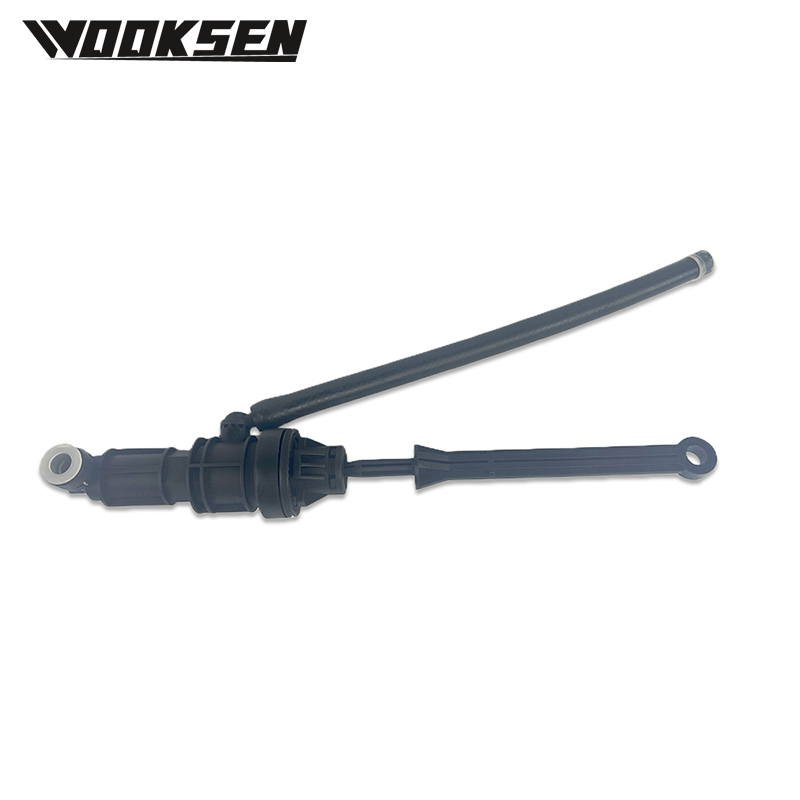
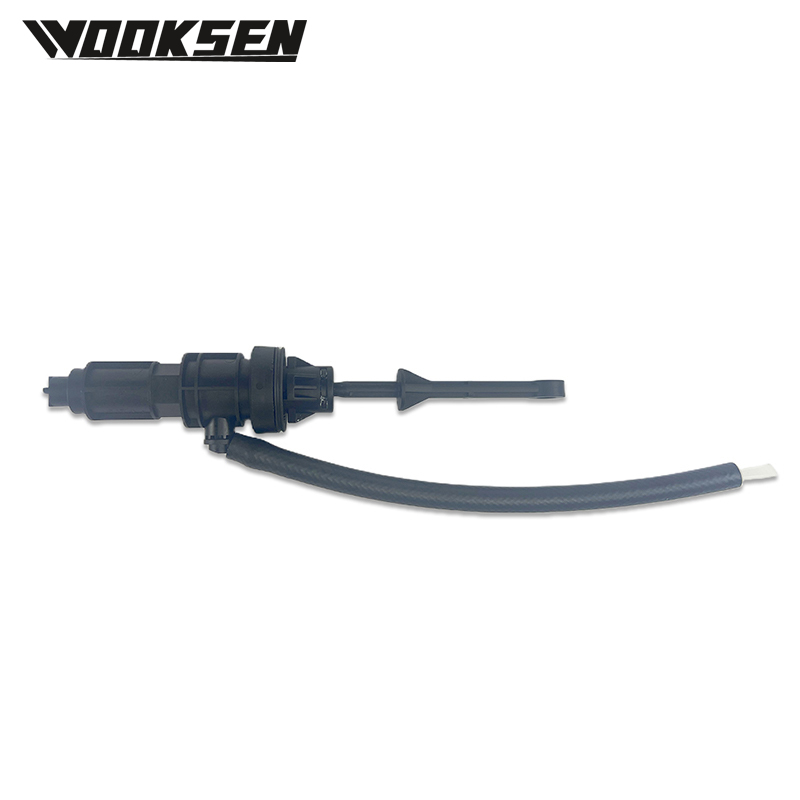
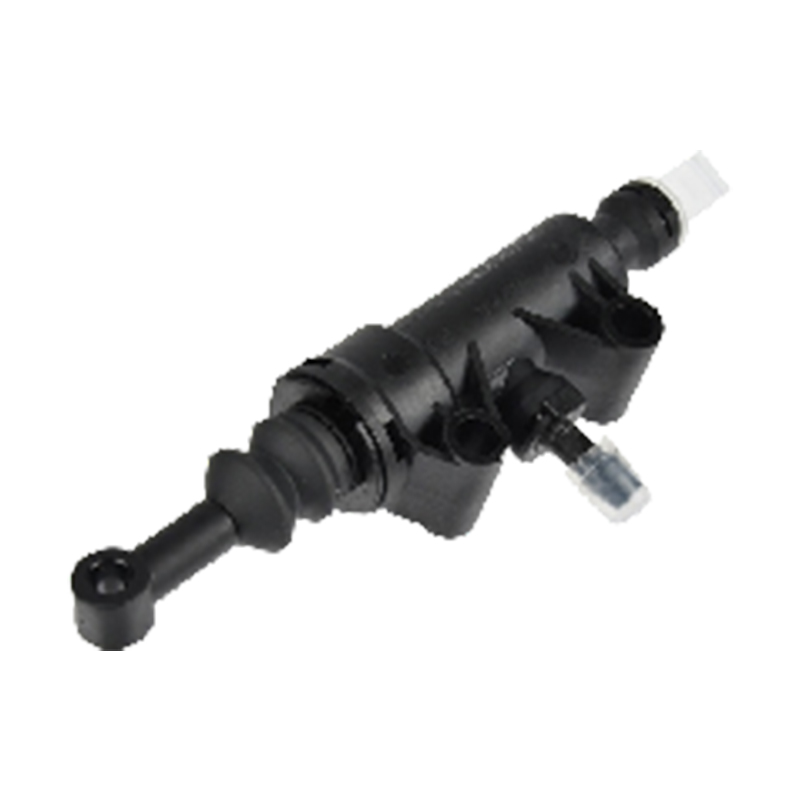
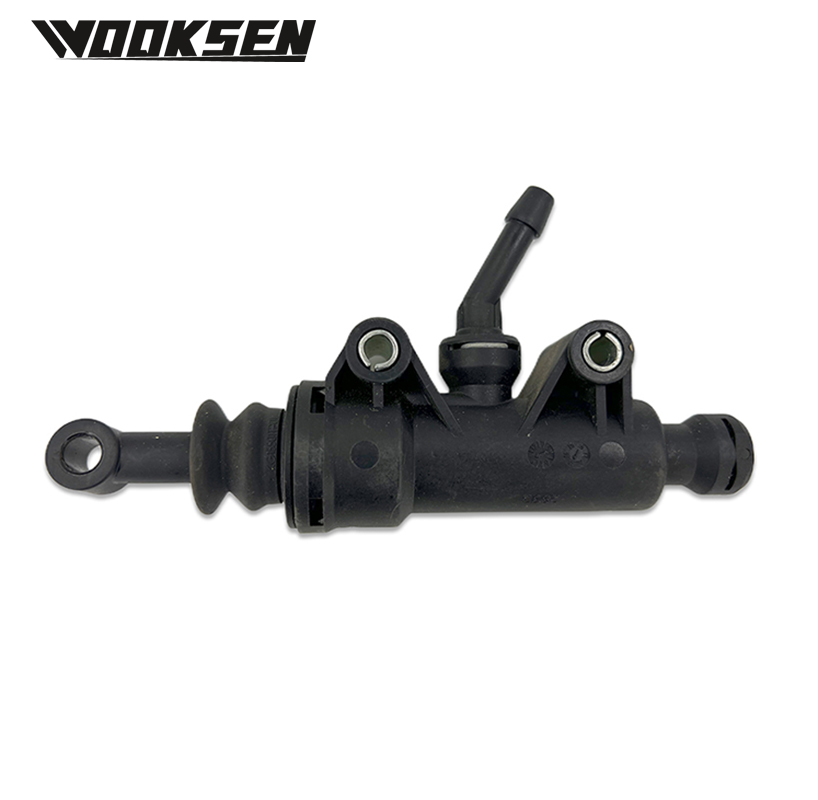
Vehicle transmission systems rely on many precision-engineered components working together to deliver smooth gear engagement. Among these components, the 12992383 Hydraulic Clutch Release Bearing plays an important role in transferring hydraulic force into clutch movement during gear changes. Designed as an integrated assembly, it combines hydraulic operation with bearing functionality, helping simplify clutch system layouts while supporting efficient vehicle assembly.
As commercial vehicles and passenger vehicles continue to use compact transmission designs, integrated hydraulic release bearings have become a common solution for manufacturers seeking organized component arrangements and dependable clutch operation.
Integrated Design Simplifies Clutch Assembly
Traditional clutch systems often relied on separate release forks, mechanical linkages, and external release bearings. The 12992383 Hydraulic Clutch Release Bearing combines several functions into one compact component positioned around the transmission input shaft.
When hydraulic pressure is applied, the internal piston moves the bearing toward the clutch diaphragm spring. This movement disengages the clutch, allowing the driver to shift gears smoothly before the bearing returns to its original position.
The integrated structure reduces the number of individual components involved in clutch actuation, contributing to a cleaner transmission layout and simplified assembly procedures.
Precision Components Support Stable Operation
Every part inside the 12992383 Hydraulic Clutch Release Bearing is manufactured with attention to dimensional consistency. The assembly generally includes a bearing unit, hydraulic cylinder, piston, sealing elements, housing, and hydraulic connection ports.
The bearing enables smooth rotational contact with the clutch diaphragm spring while hydraulic pressure supplies the force required for movement. Sealing components help maintain stable hydraulic performance inside the cylinder during repeated clutch engagement cycles.
Accurate machining and careful assembly ensure that each component works together with consistent movement throughout normal vehicle operation.
Material Selection Matches Mechanical Requirements
Different materials contribute to the overall performance of the 12992383 Hydraulic Clutch Release Bearing.
The bearing races are commonly manufactured from hardened bearing steel capable of supporting rotational loads. Housing components may use aluminum alloy or high-strength engineering materials depending on product design requirements.
Internal seals are typically produced from durable elastomer materials compatible with hydraulic fluid. Precision-machined pistons and guide surfaces help create controlled linear movement during clutch operation.
Combining these materials allows the assembly to achieve structural stability while maintaining compact dimensions suitable for modern transmission systems.
Manufacturing Focuses on Accuracy
Producing the 12992383 Hydraulic Clutch Release Bearing requires several precision manufacturing processes.
Bearing components undergo machining, heat treatment, grinding, and dimensional inspection before assembly. Hydraulic cylinder parts are processed using CNC machining equipment to maintain accurate internal surfaces and sealing areas.
During assembly, technicians or automated production systems install seals, pistons, bearings, retaining components, and hydraulic fittings according to detailed manufacturing specifications.
Quality inspections commonly include dimensional measurement, bearing rotation checks, hydraulic sealing verification, movement testing, and appearance inspection before packaging.
This controlled production process helps maintain product consistency across manufacturing batches.
Applications Across Vehicle Transmission Systems
The 12992383 Hydraulic Clutch Release Bearing is used in manual transmission systems where hydraulic clutch actuation is required. Its compact construction allows engineers to integrate clutch release functions within limited transmission space.
Typical application areas include:
| Vehicle Type |
Typical Use |
| Passenger cars |
Manual transmission clutch systems |
| Light commercial vehicles |
Daily transportation |
| Delivery vans |
Urban logistics |
| Utility vehicles |
Multi-purpose operation |
| Industrial transport vehicles |
Specialized drivetrain assemblies |
Its integrated configuration supports vehicle manufacturers seeking organized drivetrain layouts while reducing the number of external clutch actuation components.

 English
 русский
 Español
 عربى
عربى