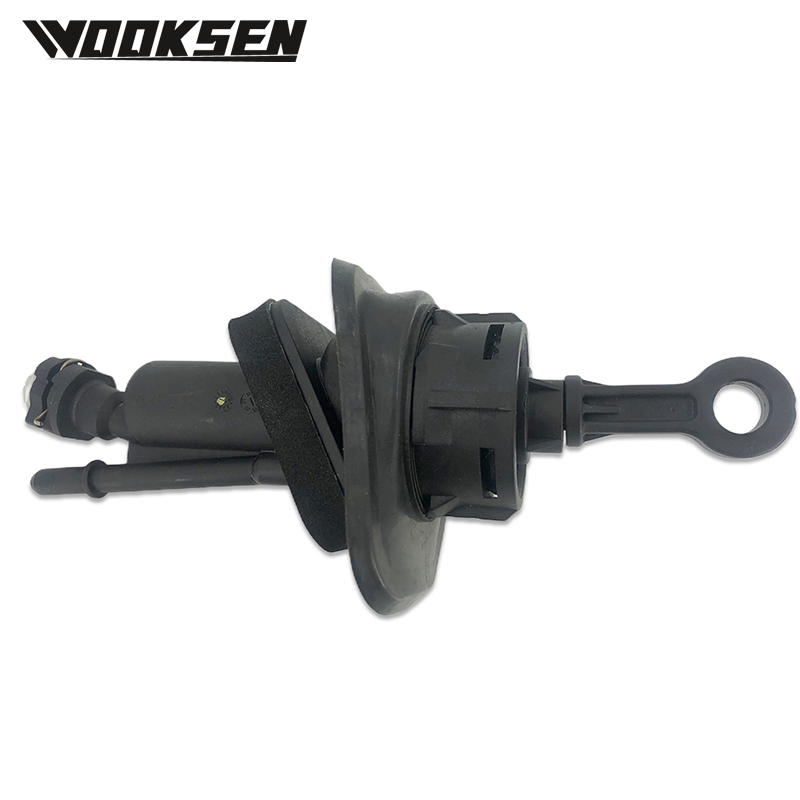
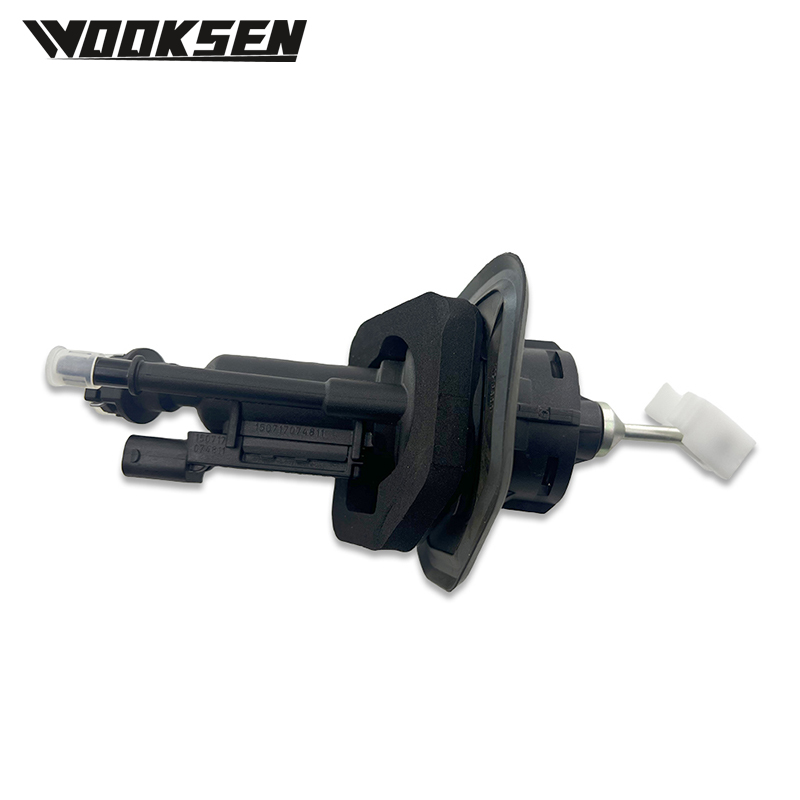
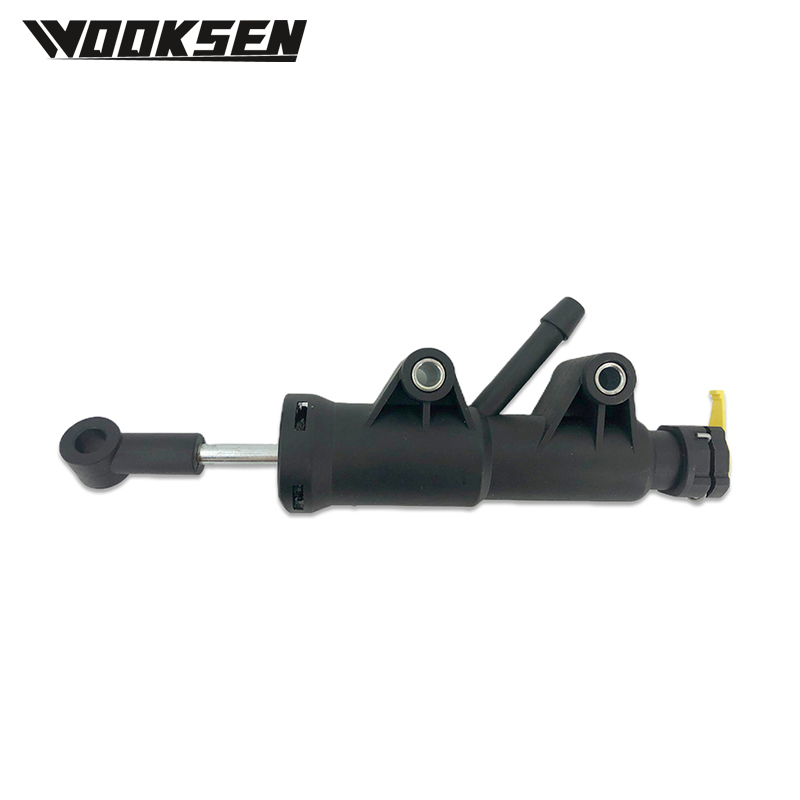
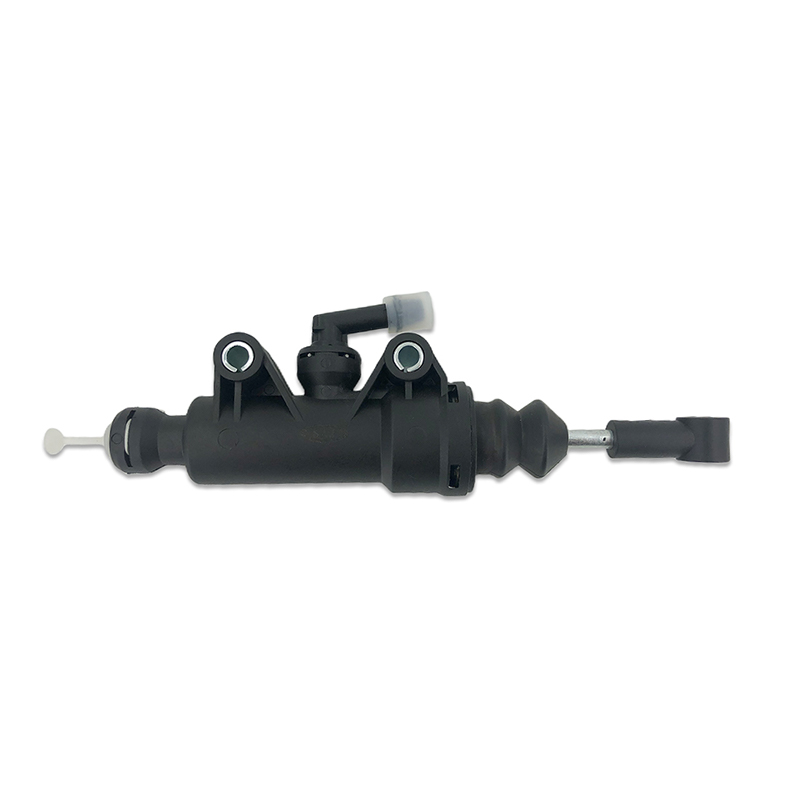
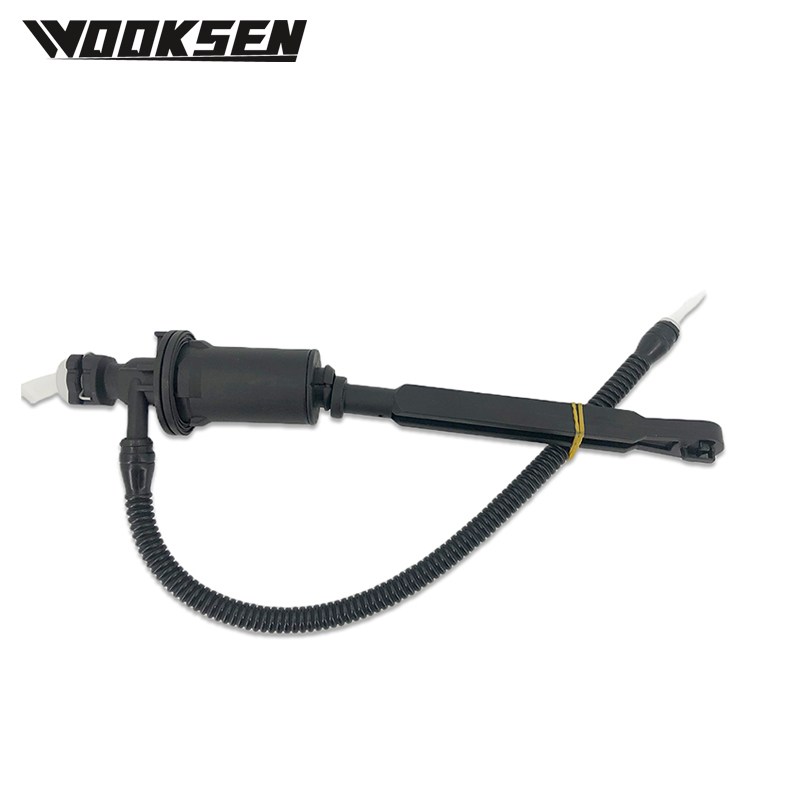
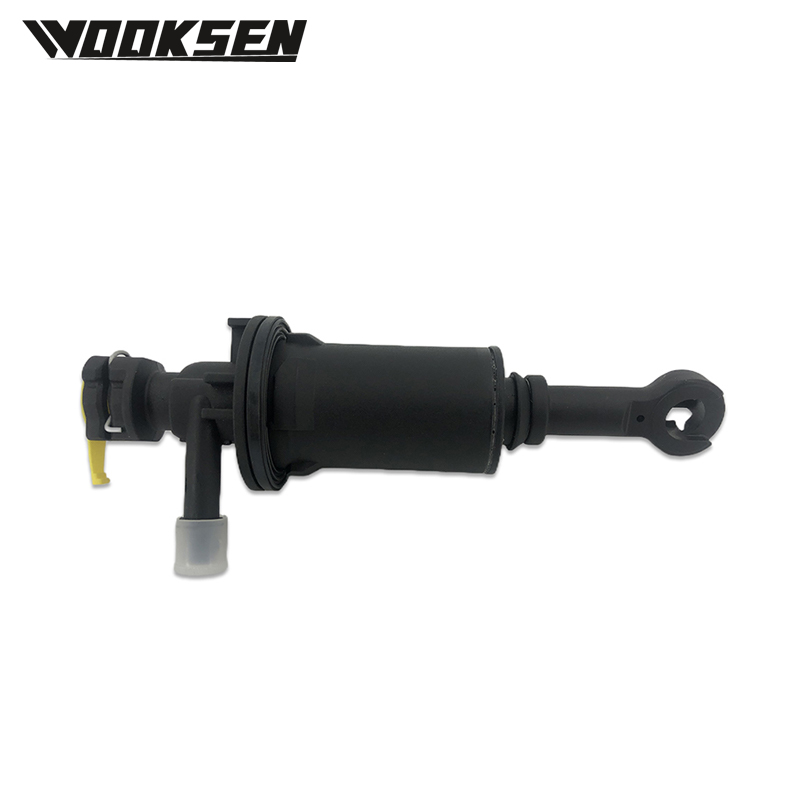
Hydraulic clutch systems rely on precise component tolerances to function consistently across varying load and temperature conditions. The XS61-7A543-AD clutch pump sits at the pressure-generating end of that system, and understanding its technical construction gives a clearer picture of why part-specific sourcing matters more than it might initially appear.
The Pressure Generation Mechanism
At its core, the XS61-7A543-AD operates as a displacement pump. Pedal force drives a piston through a calibrated bore, displacing a fixed volume of hydraulic fluid per stroke. That displaced volume travels through the clutch line and acts on the slave cylinder piston at the other end.
The relationship between bore diameter and pedal effort is direct. A narrower bore requires less pedal force to generate pressure but displaces less fluid per stroke — which can affect how quickly the slave cylinder responds. Engineers select bore dimensions based on the pedal ratio, line length, and slave cylinder bore of the specific vehicle platform. The XS61-7A543-AD reflects those calculations for its intended application rather than a generalized compromise.
Sealing System and Fluid Dynamics
The internal sealing arrangement typically includes a primary cup seal on the pressure side of the piston and a secondary seal on the return side. The primary seal handles the full system pressure during actuation. The secondary seal prevents fluid from migrating past the piston into the pushrod area and contaminating the pedal mechanism.
Seal material selection affects compatibility with fluid type and operating temperature range. NBR (nitrile butadiene rubber) is the standard compound for DOT 3 and DOT 4 fluid compatibility, offering adequate performance across the temperature range seen in typical clutch applications. EPDM compounds appear in some designs where fluid formulation or thermal exposure pushes beyond NBR limits.
Fluid dynamics inside the pump also depend on the compensating port — a small orifice that allows fluid to return to the reservoir when the pedal is released. If this port becomes restricted through contamination or manufacturing defect, pressure can build up in the circuit without pedal input, causing the clutch to drag.
Housing Construction and Mounting Interface
The XS61-7A543-AD housing is manufactured to interface with a specific mounting geometry on the firewall or pedal bracket. Bolt pattern, pushrod alignment, and reservoir mounting angle are all fixed dimensions that determine whether the unit installs cleanly without modification.
Cast aluminum is the common housing material at this class of component. It offers a workable balance between weight, machinability, and thermal conductivity — the last of which matters because hydraulic fluid temperature affects viscosity and, by extension, system response time. Iron castings appear in some heavier-duty variants where mechanical strength requirements outweigh the weight penalty.
Port thread specifications on the hydraulic line fitting are another dimension that varies across platforms. Metric and UNF thread forms both appear depending on the vehicle's origin market. An incorrect thread engagement at the line connection introduces leak risk regardless of how well the rest of the installation is executed.
Aftermarket Manufacturing Variables
When the XS61-7A543-AD clutch pump is sourced from aftermarket suppliers rather than the original manufacturer, production variables come into play. Bore diameter and surface finish are the two dimensions where budget-tier manufacturing tends to show the widest deviation from specification. Even a difference of a few micrometers in bore diameter shifts the pedal feel noticeably and can alter the clutch engagement point.
Seal compound quality is harder to assess visually but tends to surface over time. Undersized or incorrectly formulated seals may pass initial inspection but degrade faster under thermal cycling, leading to pressure loss well before the expected service interval.

 English
 русский
 Español
 عربى
عربى