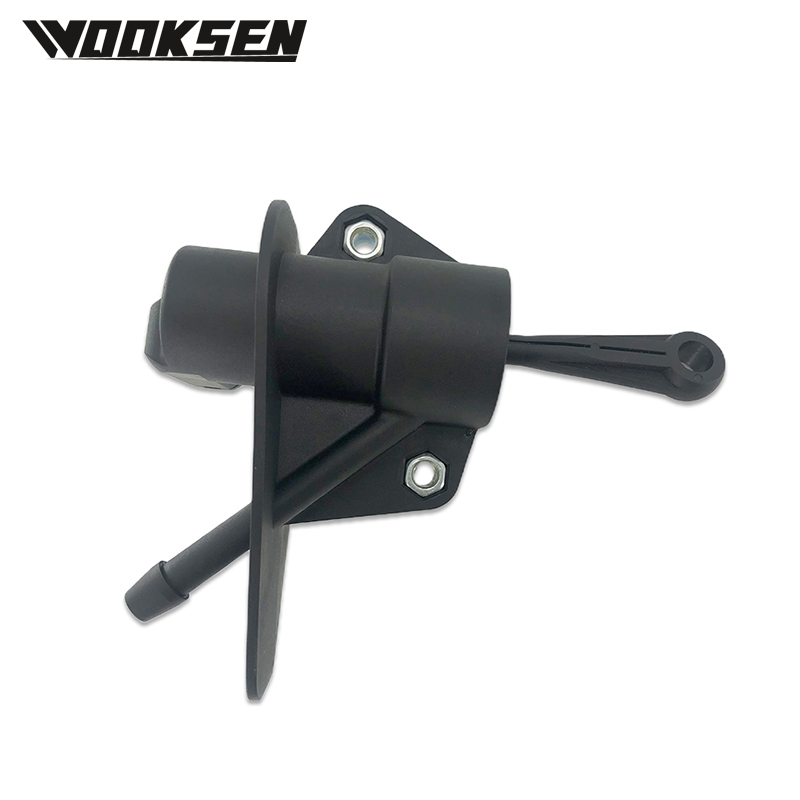
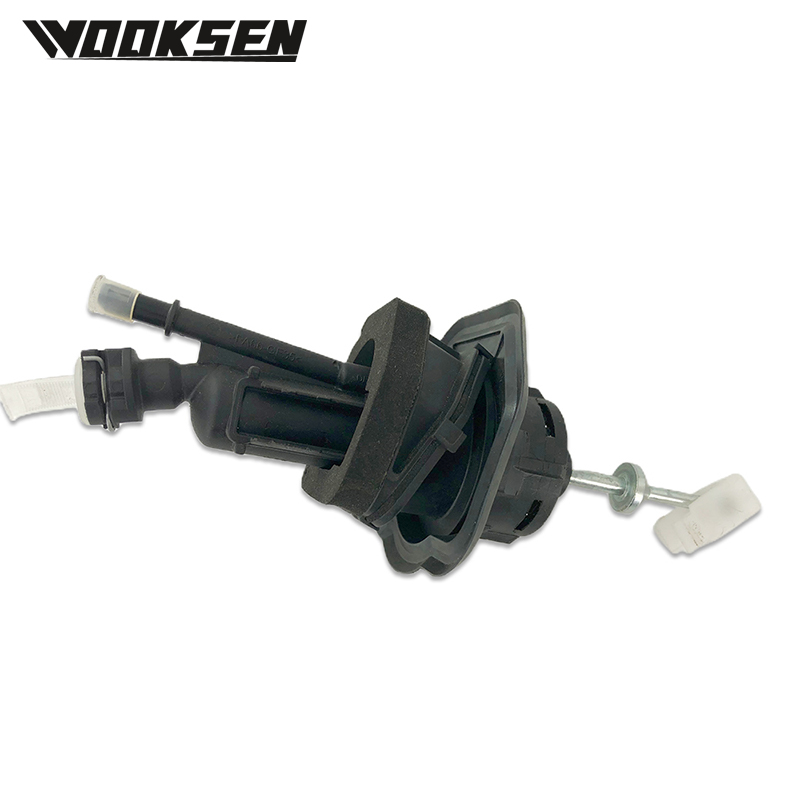
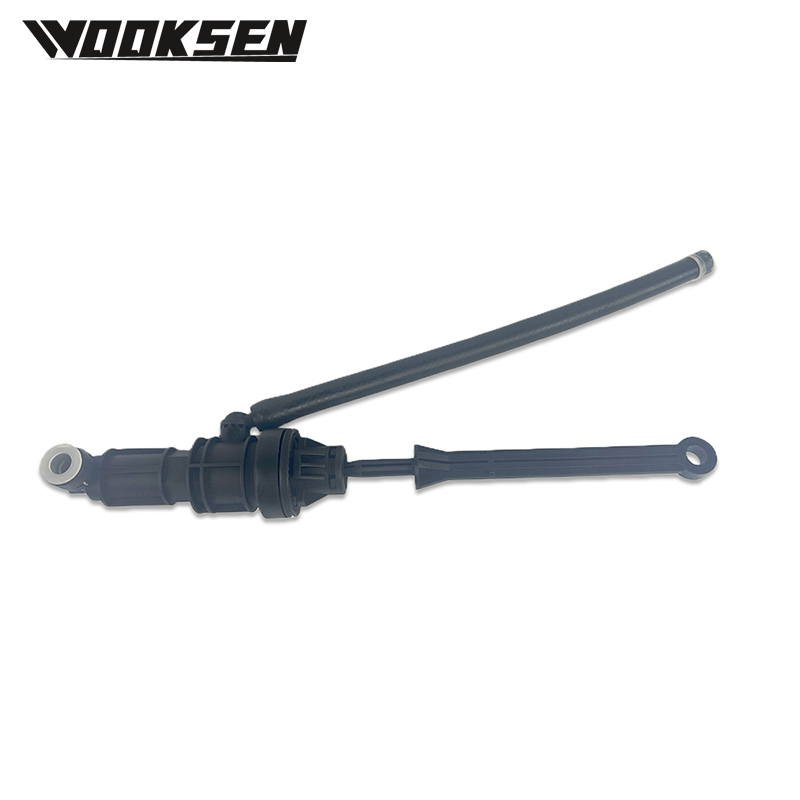
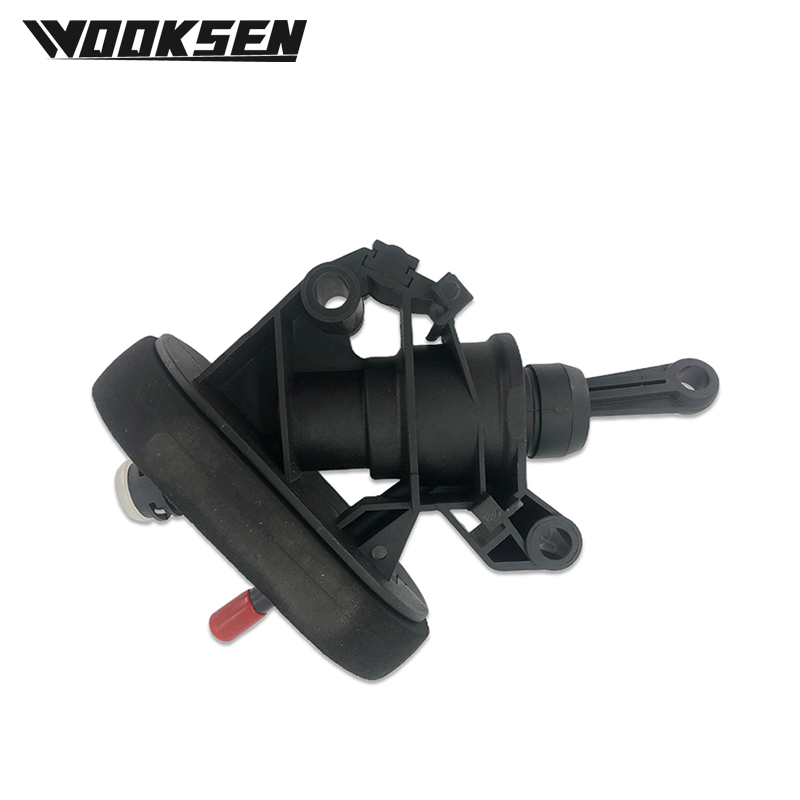
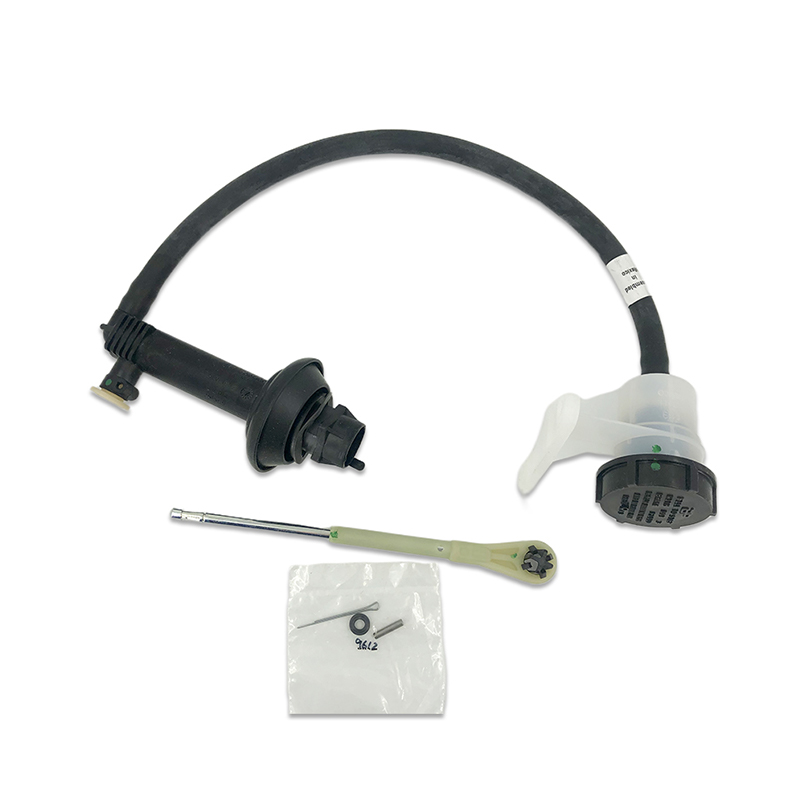
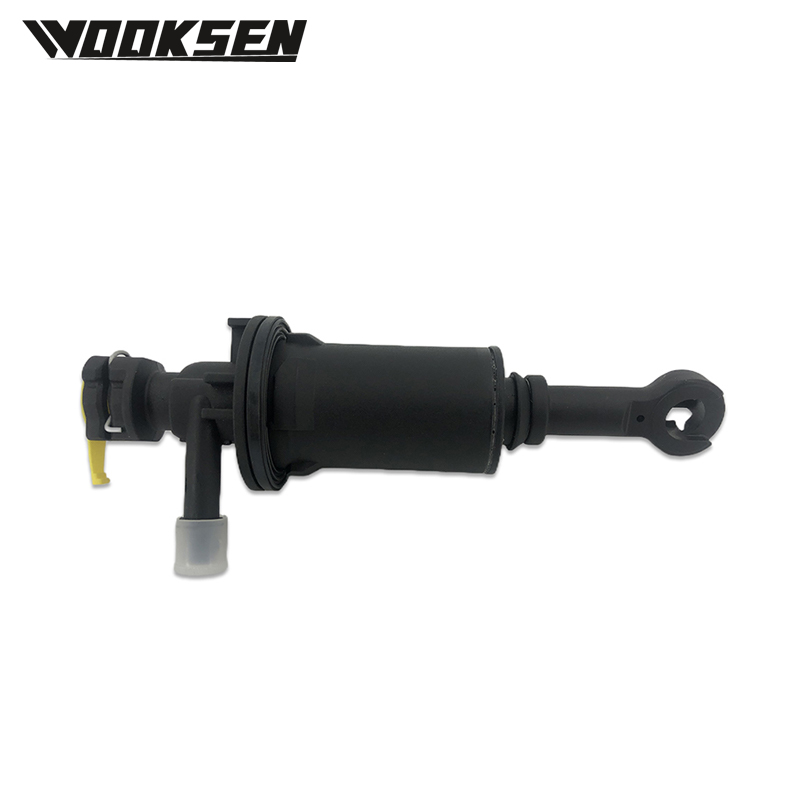
The 1913885 clutch assembly serves as a vital link between the engine and transmission in manual vehicles. It allows drivers to disconnect power flow for gear changes and then reconnect it smoothly. This article examines its structure, operation, and place in automotive systems through practical details.
Core Function of the Clutch Assembly
When the driver presses the clutch pedal, the 1913885 clutch assembly disengages, separating the engine’s rotating flywheel from the transmission input shaft. This break in connection stops power transfer temporarily. Upon pedal release, the assembly re-engages, allowing torque to reach the wheels for movement. The process supports starting from a stop, changing gears, and coming to a halt without stalling the engine.
This on-off capability gives manual transmission drivers direct control over vehicle momentum. The assembly manages these transitions repeatedly during normal driving.
Main Components Within the 1913885 Clutch Assembly
The unit typically includes a clutch disc with friction material on both sides, a pressure plate that applies clamping force, and a release bearing that activates disengagement. These parts work together as a coordinated group mounted between the engine and gearbox.
The clutch disc absorbs and transmits torque while damping vibrations. The pressure plate, often diaphragm-style, provides even force distribution. The release bearing pushes against the pressure plate fingers to lift it away from the disc when needed.
- Clutch disc handles friction and torque transfer.
- Pressure plate maintains clamping force during engagement.
- Release bearing enables smooth separation of components.
Operation During Different Driving Situations
In city traffic, the 1913885 clutch assembly facilitates frequent engagement and disengagement at traffic lights and during low-speed maneuvers. On highways, it maintains solid connection for steady power delivery at cruising speeds. When accelerating, the assembly locks the system to send full engine torque through the drivetrain.
Downshifting involves brief disengagement to match engine and transmission speeds before re-engaging. The design helps drivers perform these actions with predictable response.
Integration with Vehicle Powertrains
The 1913885 clutch assembly mounts directly to the flywheel on the engine side and connects to the transmission input shaft. Alignment is important for balanced rotation and reduced vibration. It suits a variety of front-wheel-drive and rear-wheel-drive layouts in passenger cars and light commercial vehicles.
Engineers size the assembly according to engine output characteristics so it can handle the torque range without excessive slip during normal use. This matching supports reliable performance across different vehicle weights and uses.
Engineering Aspects of Clutch Assemblies
Friction materials on the disc are formulated for good grip and heat tolerance generated during engagement. The pressure plate includes springs or diaphragm fingers that provide progressive force application. The overall assembly balances strength with weight to avoid adding unnecessary mass to the rotating parts.
Damping springs within the clutch disc help absorb torsional shocks from the engine, contributing to quieter operation and reduced stress on transmission gears. These features reflect attention to both performance and comfort in manual driving.
Contribution to Overall Drivetrain Performance
By enabling efficient power transfer when engaged, the clutch assembly supports acceleration and maintaining speed. When disengaged, it allows the engine to run independently of the wheels, such as during coasting or idling. This flexibility is central to the appeal of manual transmissions.
The assembly operates quietly in the background, with drivers noticing mainly the smooth results of well-coordinated shifts. Its design contributes to the direct connection feel that many associate with manual driving.
The 1913885 clutch assembly demonstrates how coordinated mechanical parts deliver reliable service in connecting power sources to drivelines. It remains an important element in vehicles that offer hands-on gear selection.

 English
 русский
 Español
 عربى
عربى