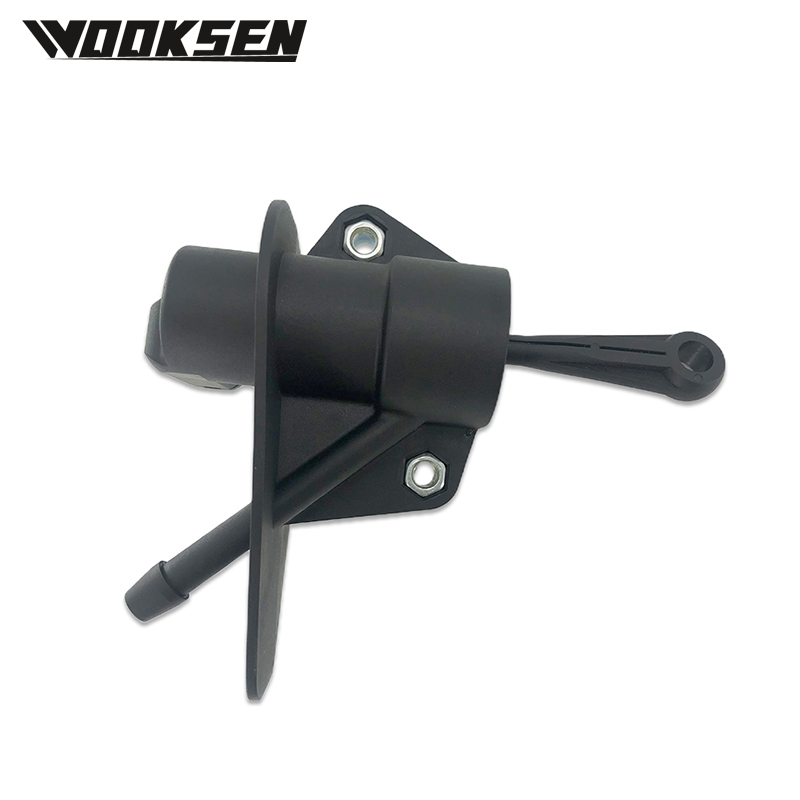
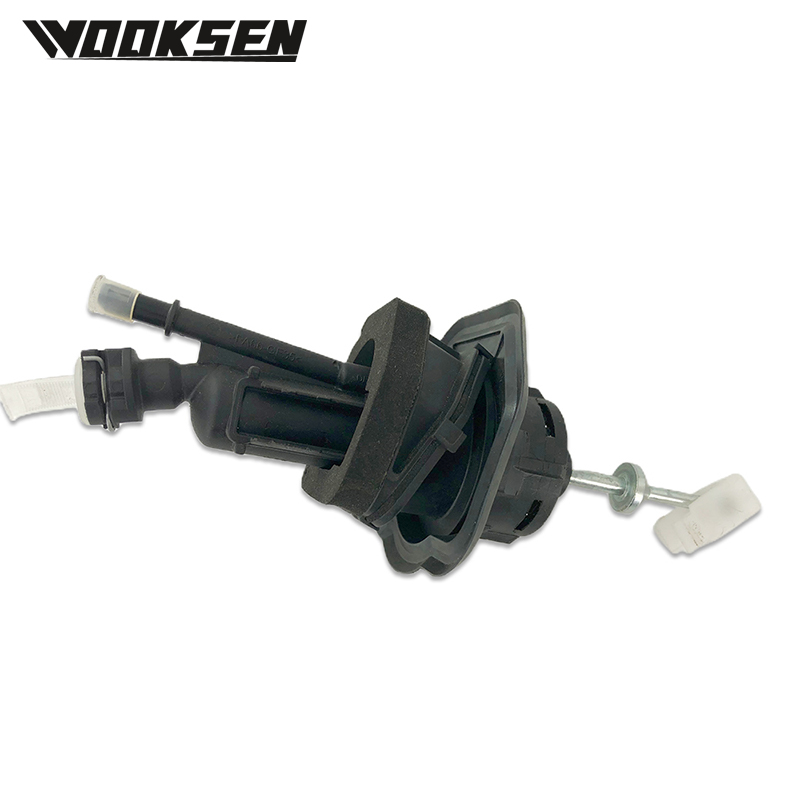
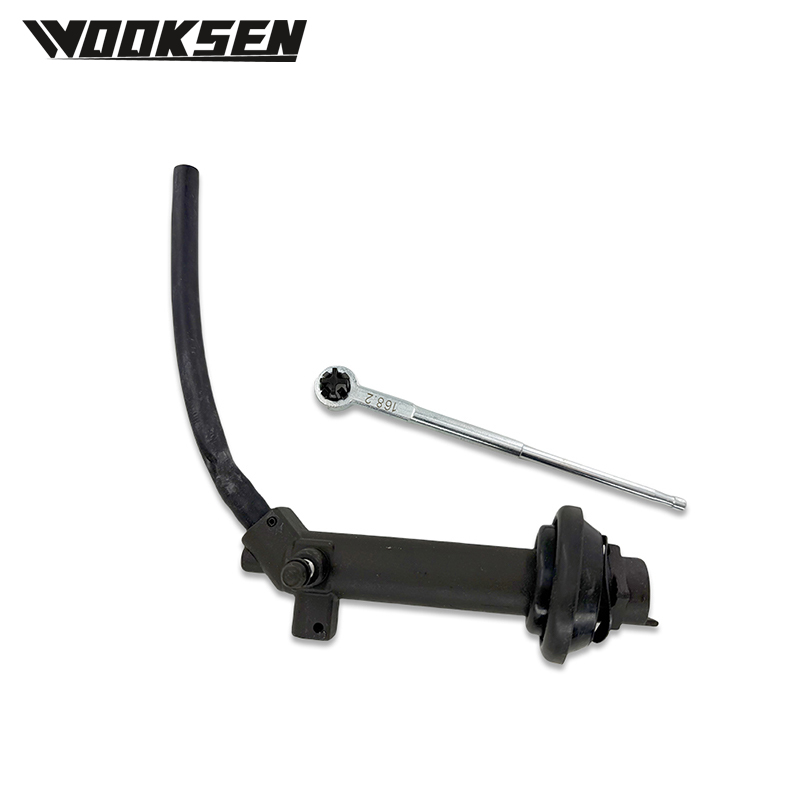
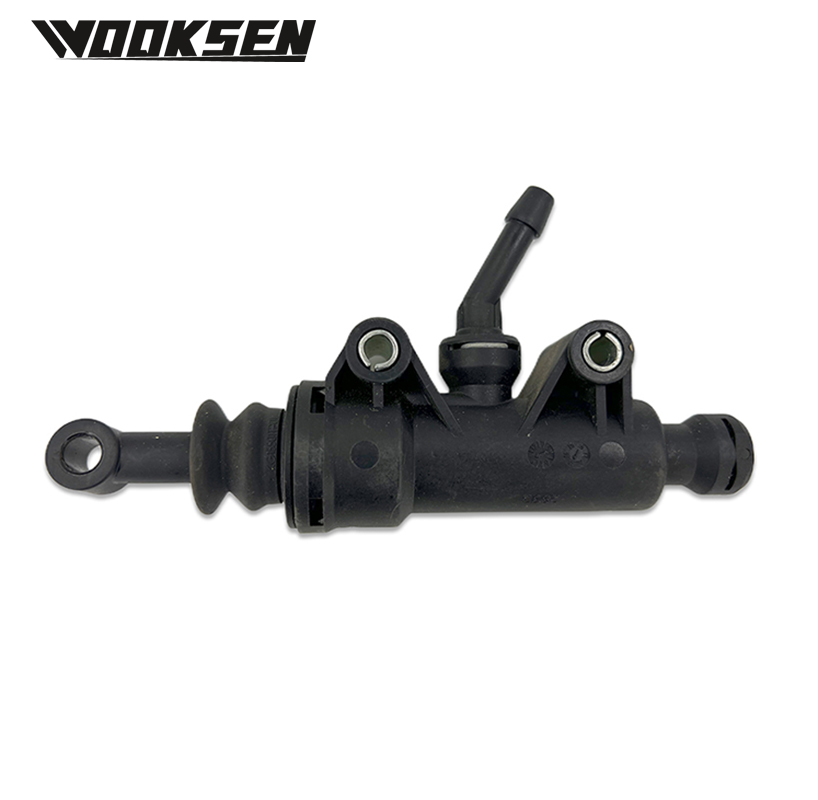
Anyone who spends time sourcing manual transmission components has probably typed 55226158 clutch slave cylinder into a search bar at some point. It's a GM part number tied to a clutch slave cylinder, and it turns up across a range of trucks and SUVs that share a common hydraulic clutch layout. For buyers unfamiliar with the part, the number alone doesn't say much — but the component behind it plays a fairly specific role.
What a Clutch Slave Cylinder Does
In a manual transmission vehicle with a hydraulic clutch, pressing the clutch pedal doesn't move the clutch mechanically through a cable. Instead, it pushes fluid through a line to the slave cylinder, which converts that fluid pressure into mechanical motion at the clutch fork or release bearing. Without this component working correctly, the pedal can feel disconnected from the transmission entirely, even if every other part of the drivetrain is fine.
Two general layouts exist in the industry, and this distinction matters when cross-referencing a number like 55226158 clutch slave cylinder:
- External slave cylinders, mounted outside the transmission housing, connected to the clutch fork
- Internal (concentric) slave cylinders, built around the transmission input shaft, integrated with the release bearing assembly
Knowing which design applies to a given vehicle platform is usually the first thing a buyer needs to confirm before treating any two listings as interchangeable.
Reading Into the Number Itself
GM part numbers don't follow a single consistent formula the way some other manufacturers' numbering systems do, so 55226158 functions primarily as an identifier rather than a code that reveals specifications on its own. That said, buyers working across multiple catalogs often find that a single physical part can appear under several different reference numbers depending on packaging changes, supersession history, or regional distribution differences.
This is a common source of confusion in bulk sourcing. A part described as "equivalent" to 55226158 clutch slave cylinder might be functionally identical, or it might differ in a small but relevant way — bore size, port fitting, or bracket design, for example. Confirming these details before committing to a large order tends to save more time than it costs.
Why This Part Stays in Demand
Vehicles using this hydraulic clutch setup remain common in commercial fleets, work trucks, and export markets where manual transmissions still see steady use. That keeps demand for a number like 55226158 clutch slave cylinder fairly consistent, even as broader passenger vehicle trends shift toward automatics. Distributors serving these segments often report that older, well-documented part numbers generate reliable inquiry volume simply because the underlying vehicles are still on the road in meaningful numbers.
Trading companies working across borders also run into a practical wrinkle here: not every regional supplier catalogs parts the same way. Some list strictly by GM's original number, while others default to aftermarket manufacturer codes that cross-reference back to it. Buyers new to a market sometimes assume these are different parts when they're not, or vice versa.
Final Thought
A part number like 55226158 clutch slave cylinder is easy to overlook — it's just a sequence of digits until someone needs the actual component. But for buyers moving hydraulic clutch parts through wholesale channels, that sequence does real work. It narrows down exactly what's being discussed, which turns out to matter quite a bit once orders start moving at volume.

 English
 русский
 Español
 عربى
عربى