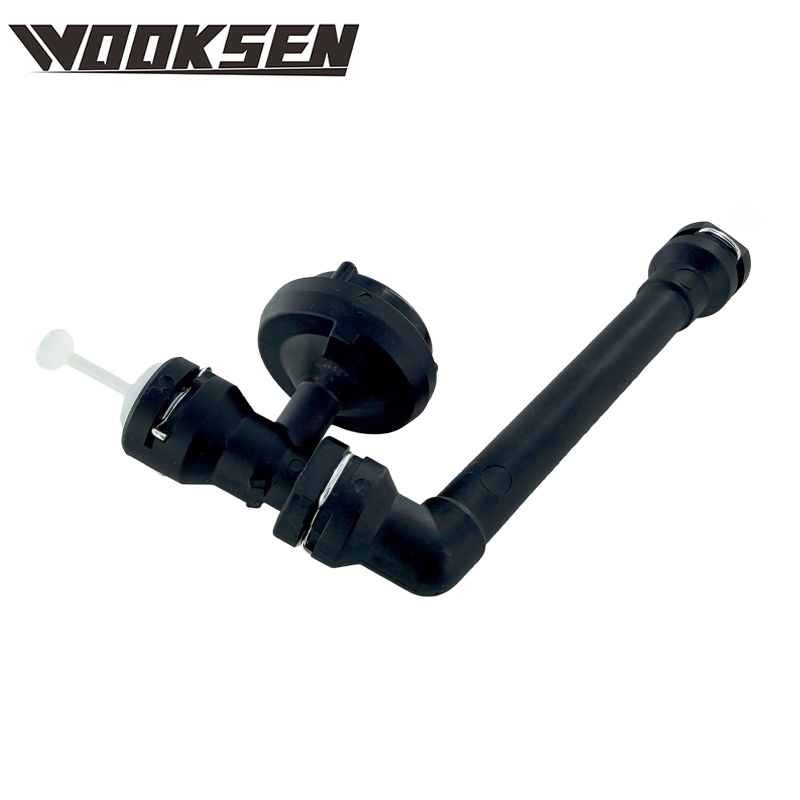
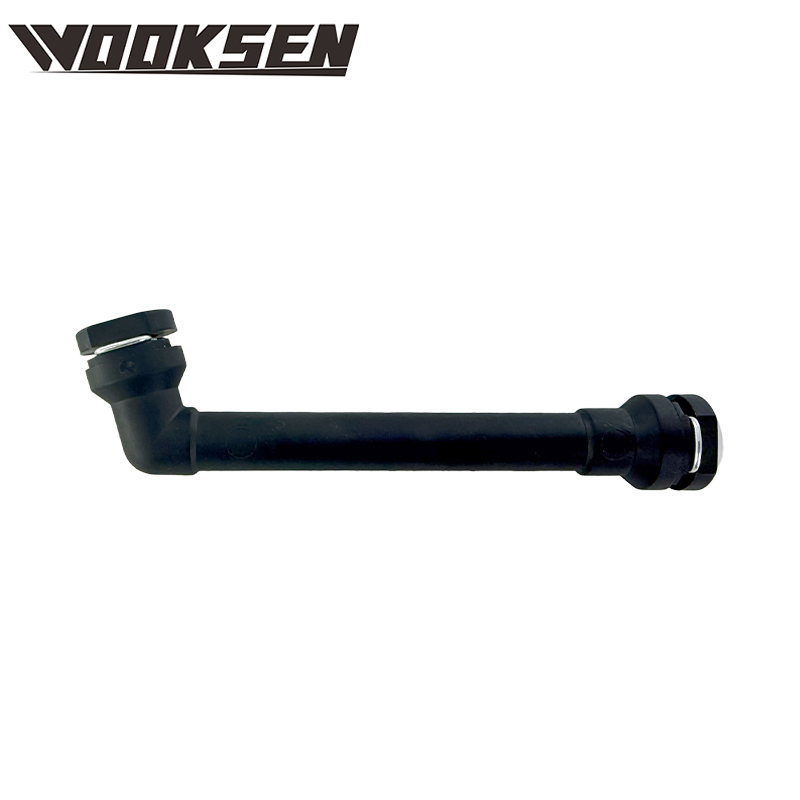
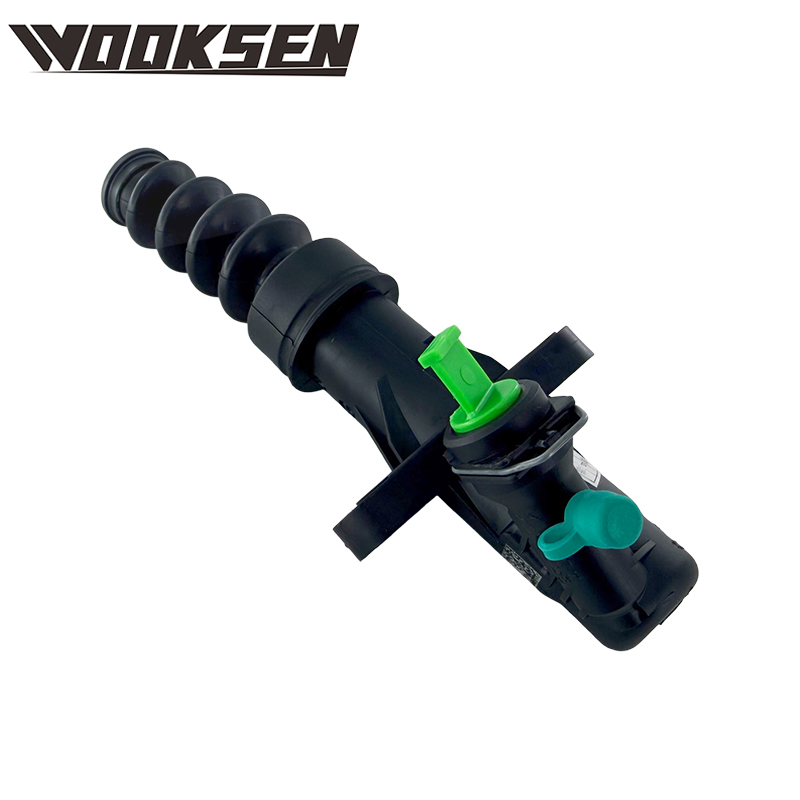
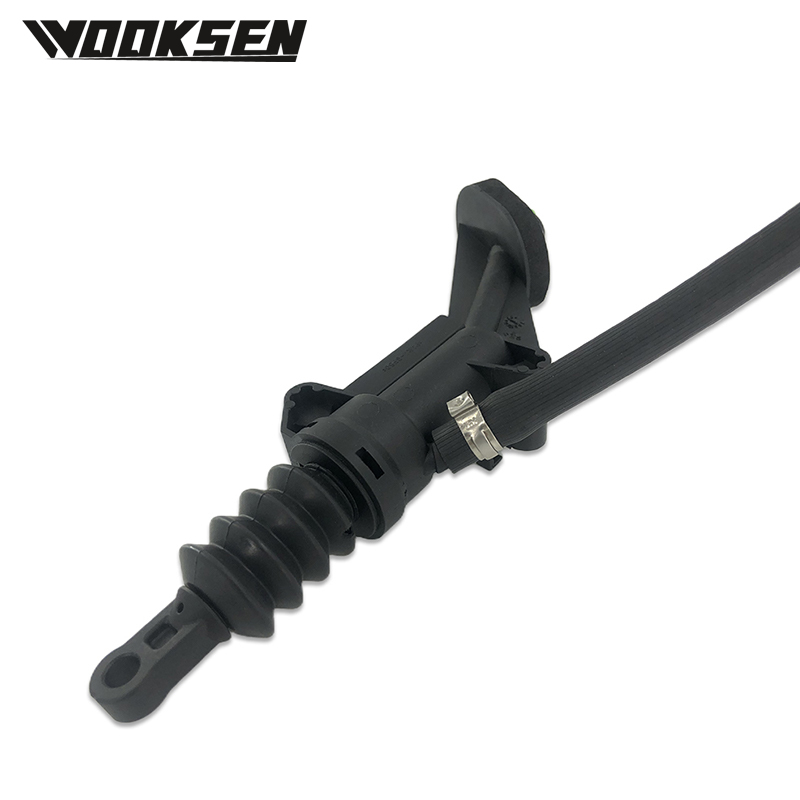
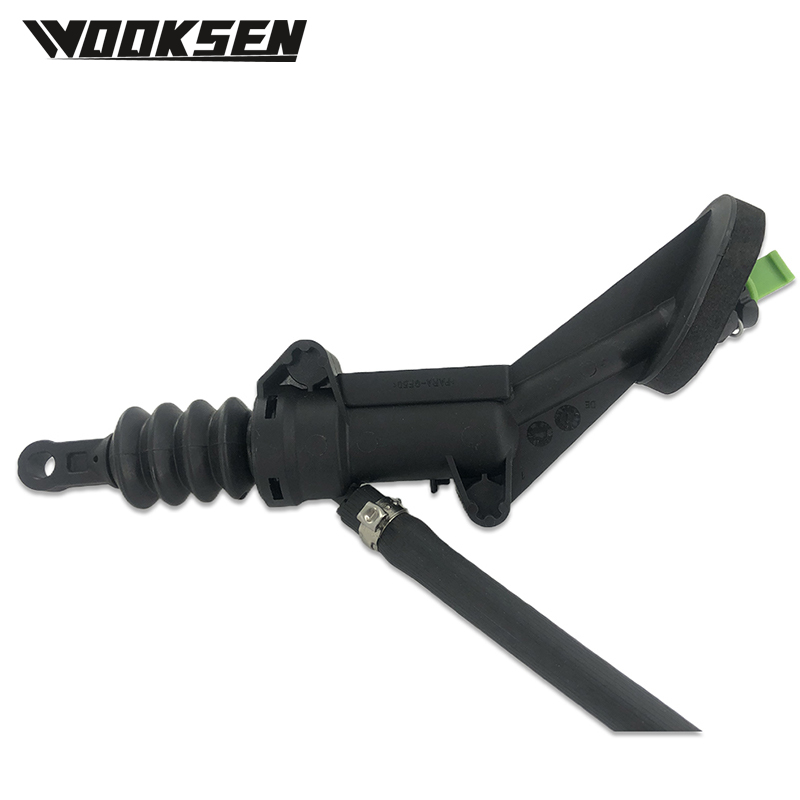
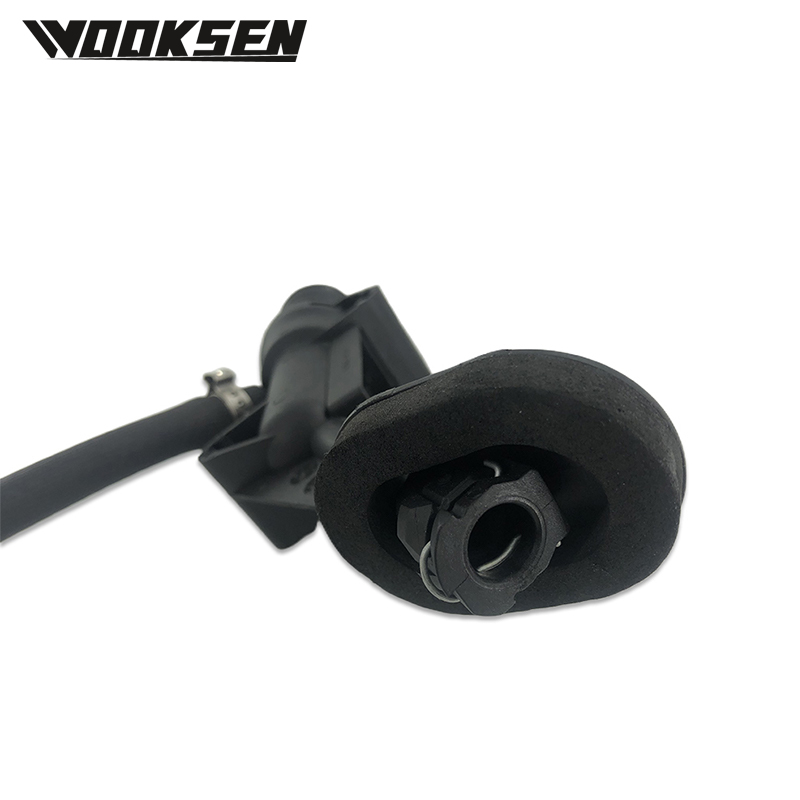
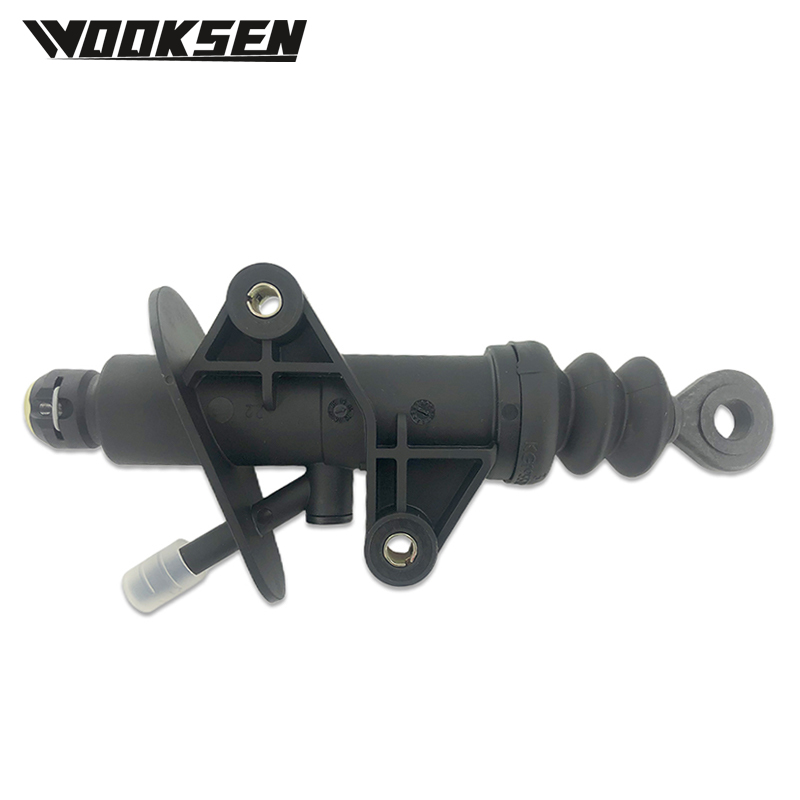
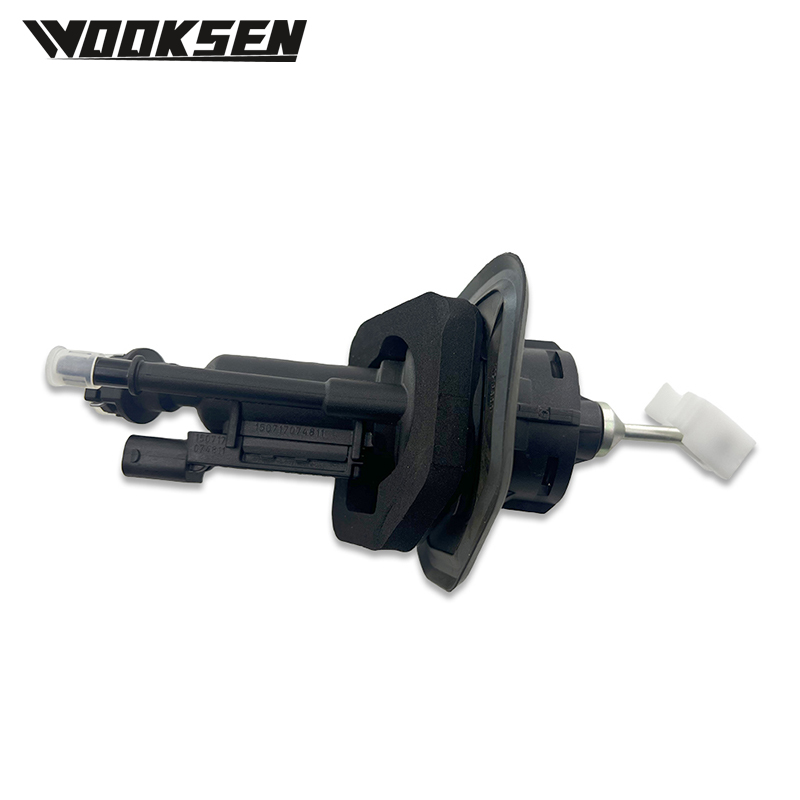
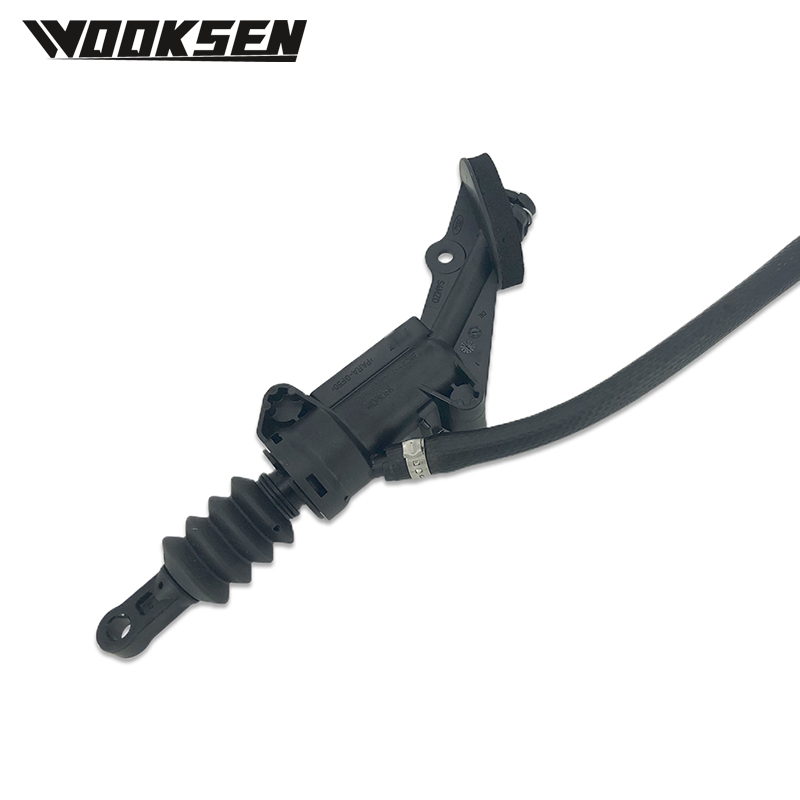
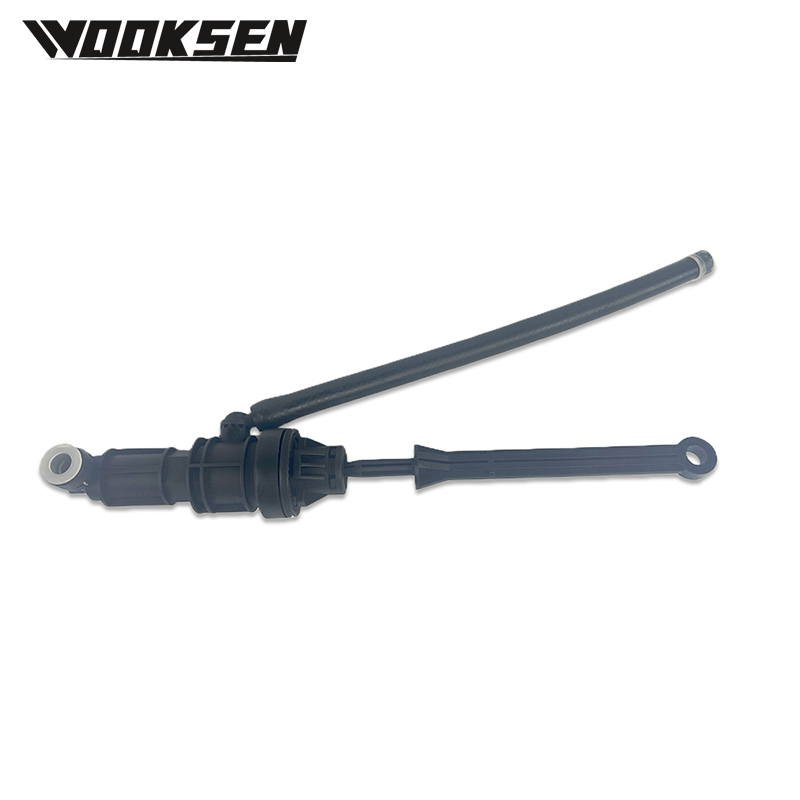
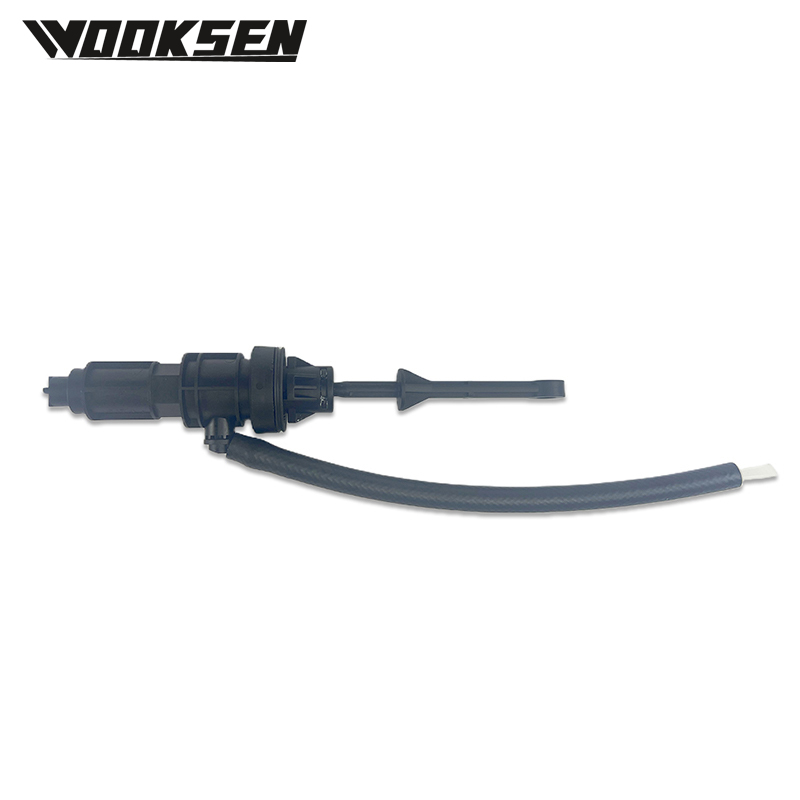
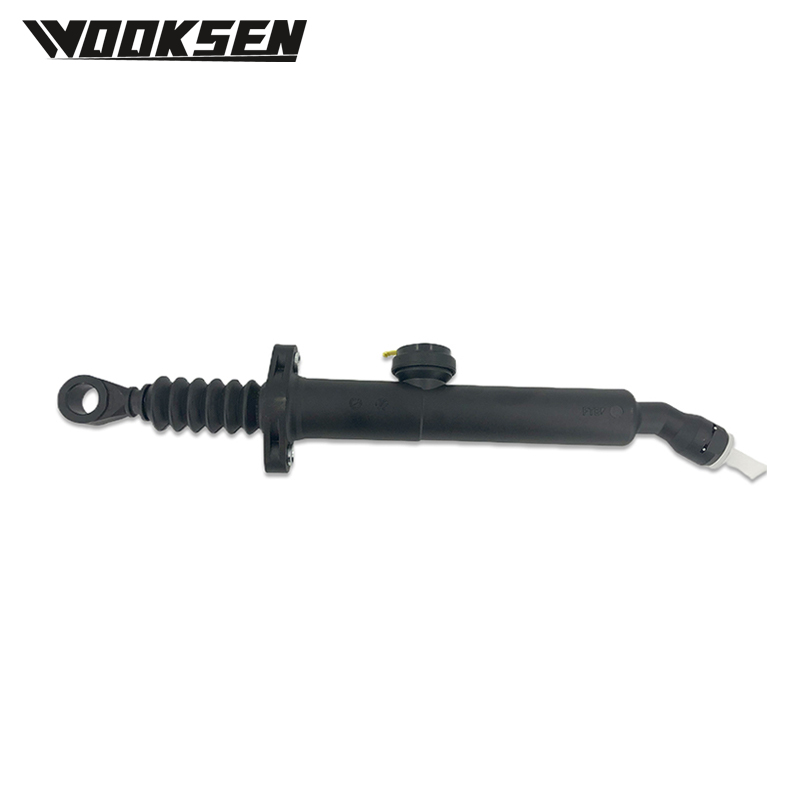
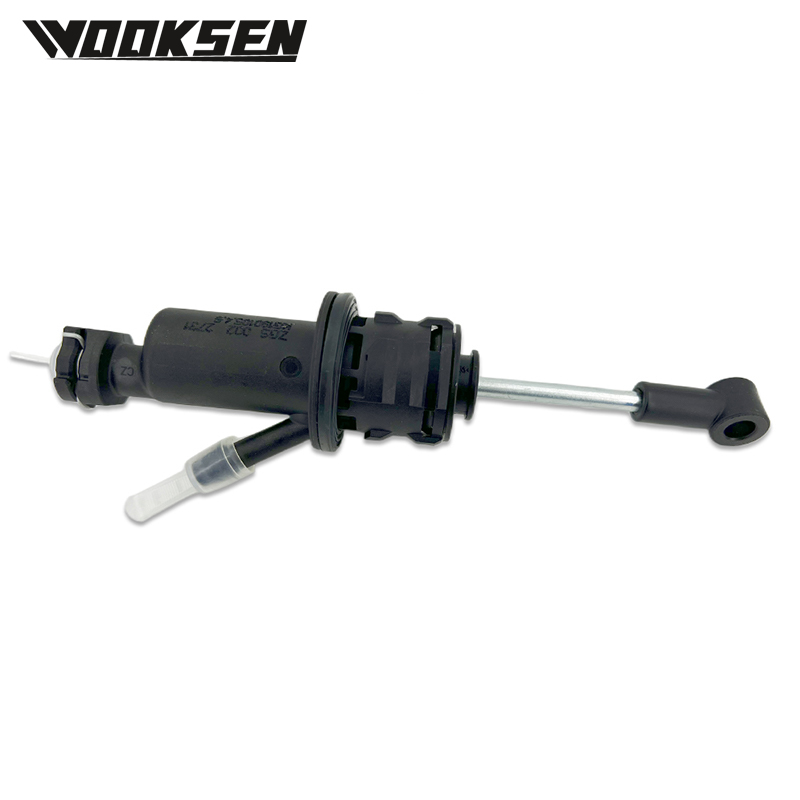
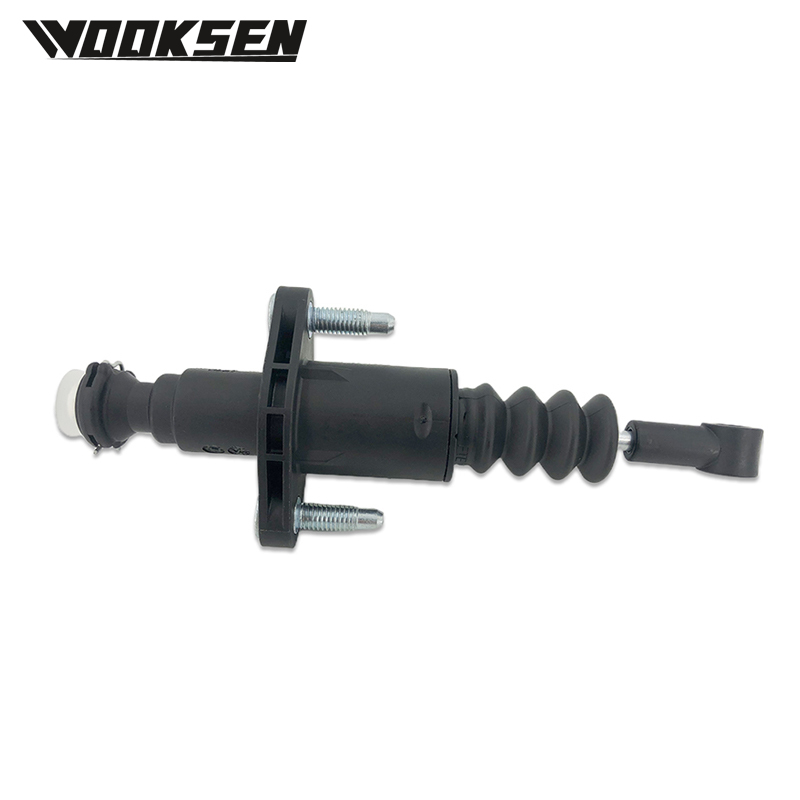
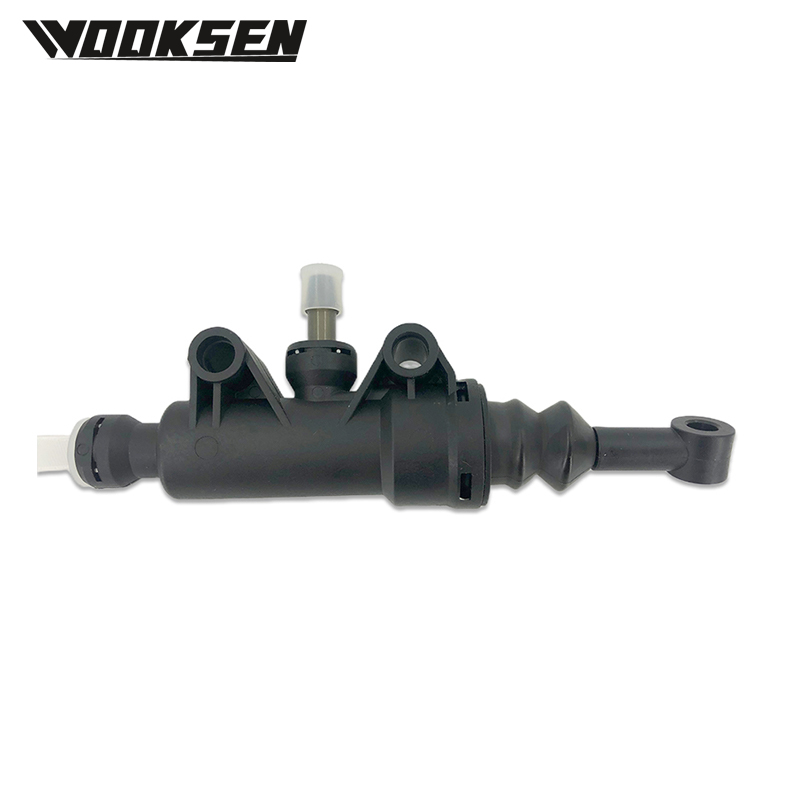
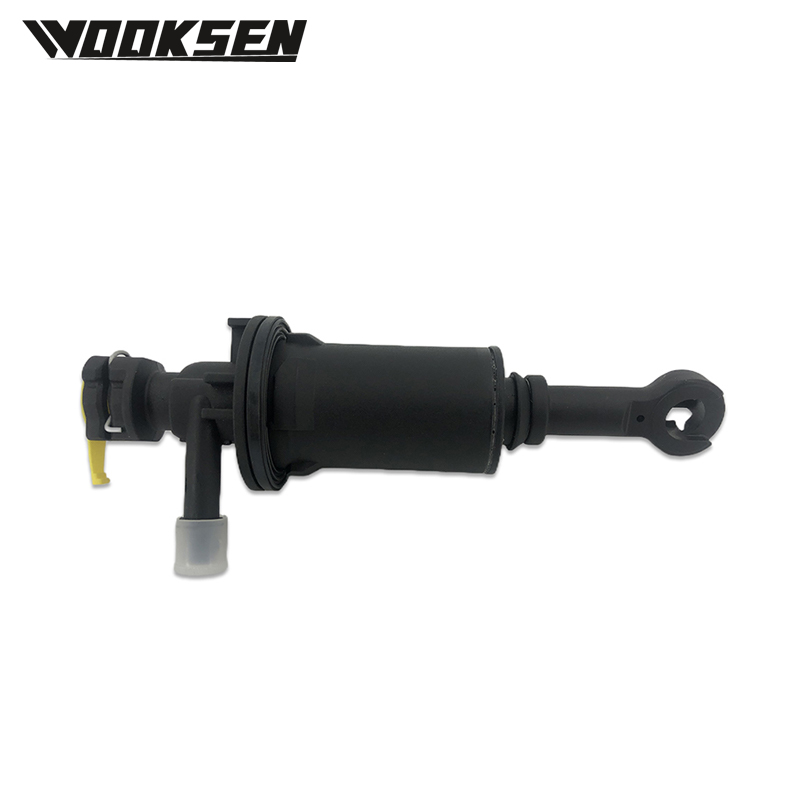
CM112
| No. |
OE / Cross Reference Number |
| 1 |
1762805 |
| 2 |
CC11-7A543-AC |
| 3 |
CC11-7A543-AA |
| 4 |
CC11-7A543-AB |
| 5 |
1727157 |
What Is This Part?
On certain Transit Mk6 configurations — particularly those with a higher cab floor height, specific pedal bracket geometry, or production variants where the pedal-to-cylinder distance is greater — a standard-length pushrod does not achieve full piston travel. The result is a clutch that feels like it is working but is never fully disengaging, making gear selection difficult and accelerating wear on the clutch plate and release bearing from the incomplete release.
The long-pushrod specification on this unit closes that gap. It ensures full piston stroke is achieved regardless of the pedal geometry variation across the Transit Mk6 production run. For workshops, this means the clutch engages and disengages cleanly after installation without any pedal adjustment or bracket modification. For fleet operators, it means the clutch system is working as it should from day one rather than operating in a partially engaged state that shortens component life.
This is a Transit-specific detail that buyers sourcing generic replacements without checking the pushrod spec frequently get wrong — and the vehicle comes back with incomplete clutch release as a symptom. Getting the pushrod length right at the sourcing stage prevents that outcome entirely.
Application
The Transit Mk6 Van on the V347 and V348 platform is the primary volume application — panel vans in short, medium, and long wheelbase configurations, used across courier, delivery, and trade service roles. These are the highest-volume Transit Mk6 variants in the aftermarket and the most frequently seen in independent commercial vehicle workshops.
The Transit Mk6 Minibus, also on V347 and V348, covers passenger-configured variants used in private hire, school transport, community transport, and airport transfer operations. Minibus vehicles tend to accumulate mileage more slowly than commercial vans but are operated with higher passenger loads, which affects the force transmitted through the drivetrain and increases the load on clutch components.
The Transit Mk6 Platform and Chassis variant — again V347 and V348 — covers the bare cab and chassis units that form the base for tipper conversions, flatbed bodies, refrigerated units, welfare vehicles, and other specialist builds. These vehicles frequently operate in demanding environments: construction sites, agricultural settings, waste collection routes. The clutch system in these applications works harder than in standard van use.
The Transit Mk6 Tourneo rounds out the fitment — the passenger-focused variant of the Transit platform, used in hotel transfers, tour operations, and corporate transport. Tourneo vehicles typically have lower annual mileage than the van variants but share the same clutch hydraulic architecture across the Mk6 platform.
Customer Pain Points This Solves
The core problem this part solves is misspecification, and it is more common than buyers expect. Transit Mk6 clutch master cylinders are ordered by workshops that search by vehicle and get a standard-spec unit, fit it, and find the clutch does not release cleanly. The workshop rightly assumes the part is faulty and returns it. Neither the workshop nor the distributor initially connects the symptom to pushrod length — they are looking for a defective seal or a manufacturing fault that does not exist.
For distributors supplying into export markets — particularly the Middle East, North Africa, and Sub-Saharan Africa, where Transit Mk6 vehicles remain in active commercial service well beyond the mileages at which European operators retire them — this misspecification problem shows up repeatedly. Workshops in those markets are dealing with high-mileage Transits in demanding operating conditions, and they need the correct part the first time. A distributor who can supply the correctly specified long-pushrod unit, documented clearly in their catalog, eliminates the return cycle and earns the repeat order.

 English
 русский
 Español
 عربى
عربى