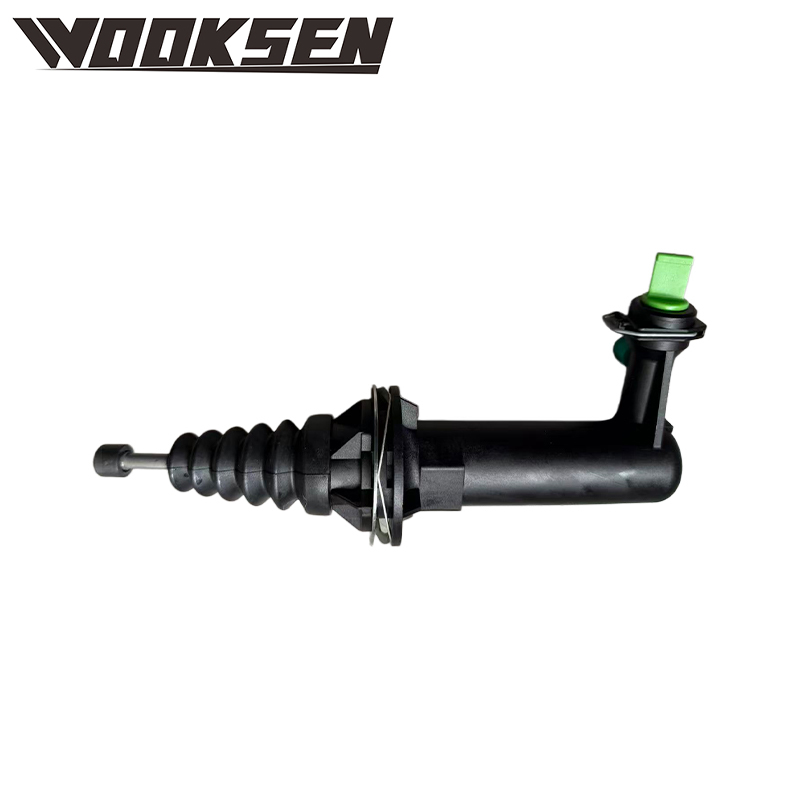
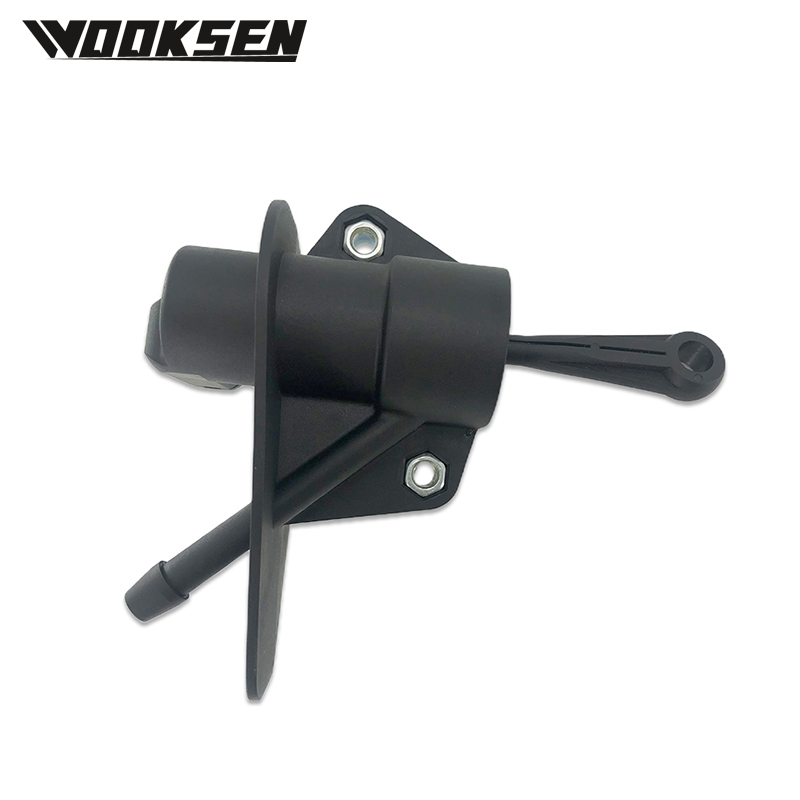
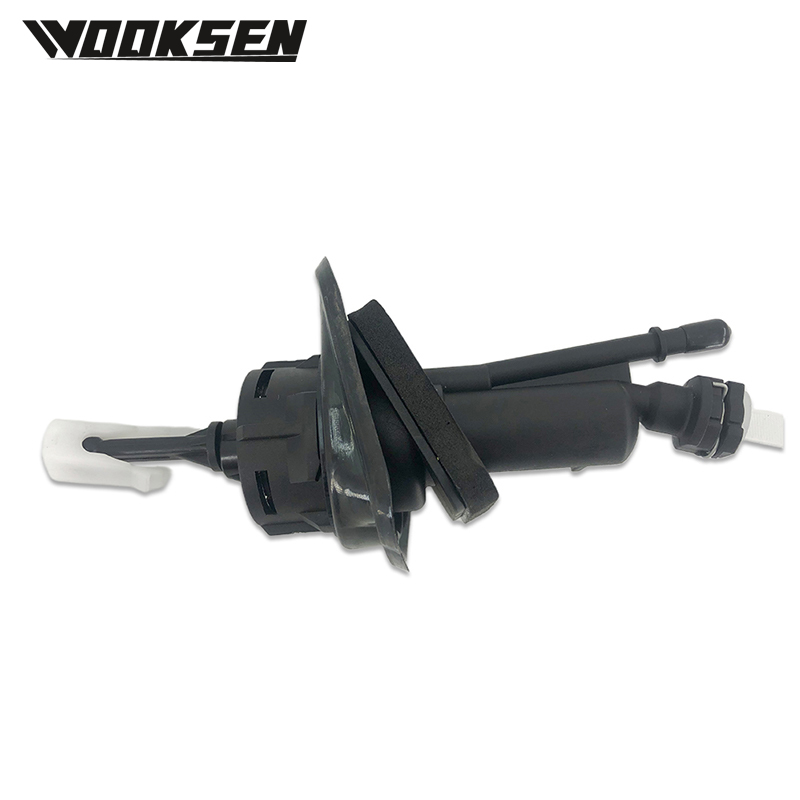
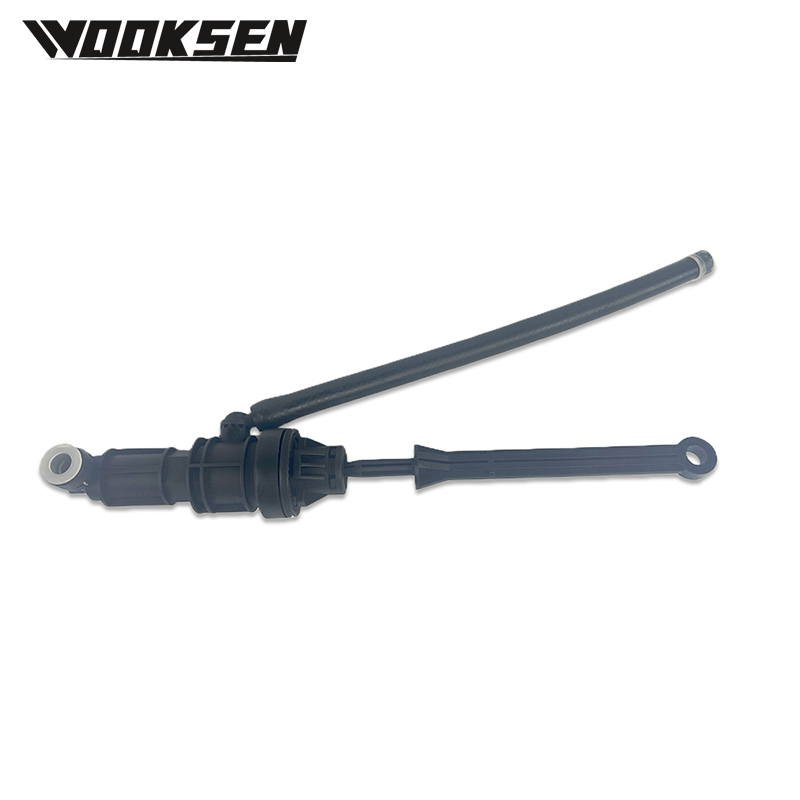
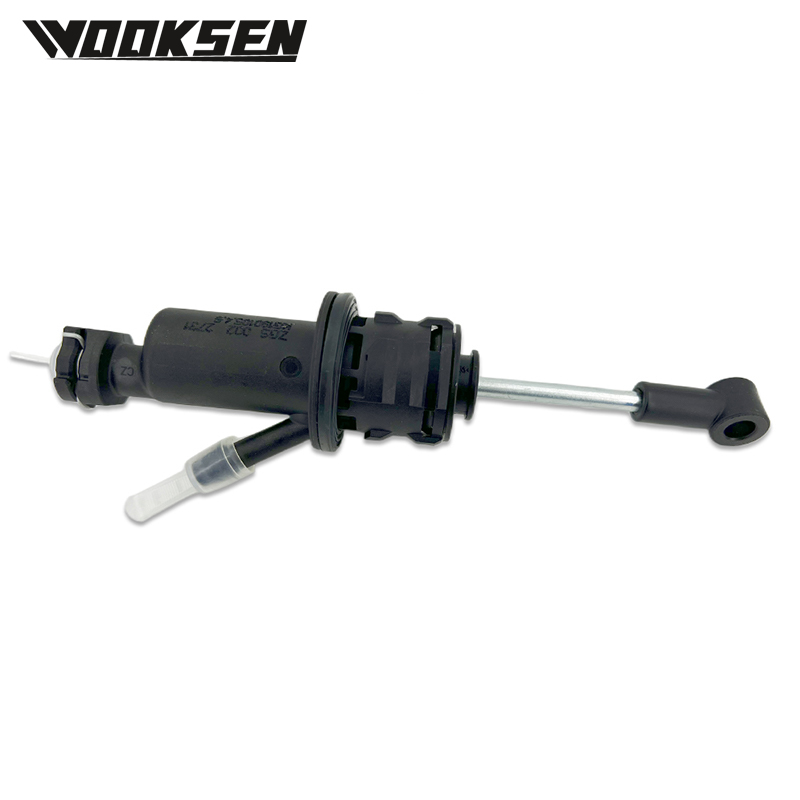
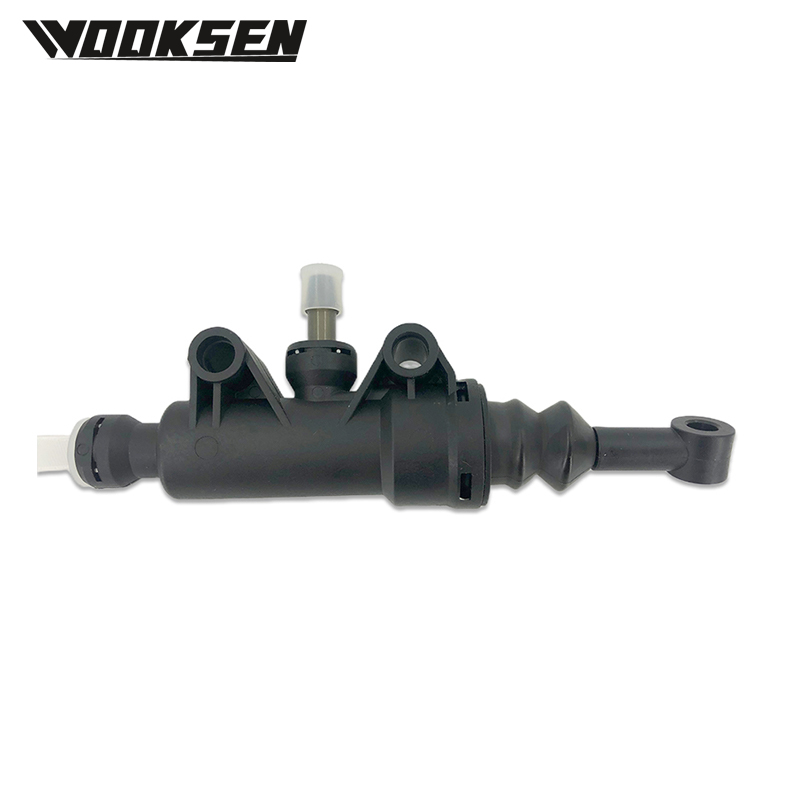
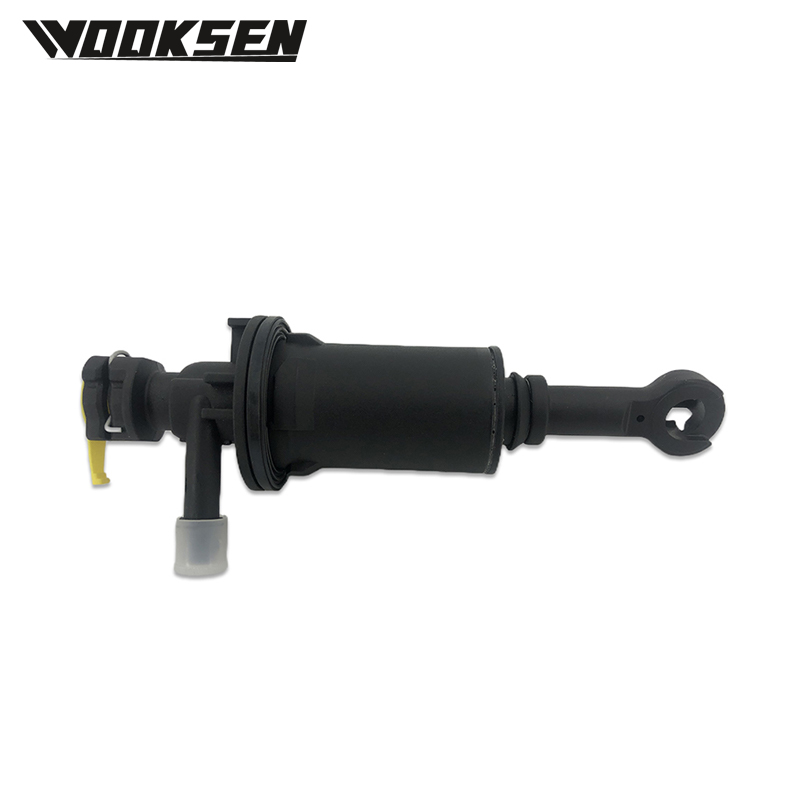
CS053
| Technical Specifications Parameter |
Details |
| Reference |
CM246 |
| OE Reference No. 1 |
306202804R |
| OE Reference No. 2 |
306203814R |
| Compatible Brands |
Renault / Nissan / Opel / Vauxhall |
| Platform |
X62 / X62B |
| Compatible Models |
Master III · NV400 · Movano B · Movano Mk2 (B) |
| Body Styles |
Van · Platform/Chassis |
| Engine |
2.3 dCi Diesel (manual transmission) |
| Drive Type |
Rear-Wheel Drive (RWD) |
| Component Type |
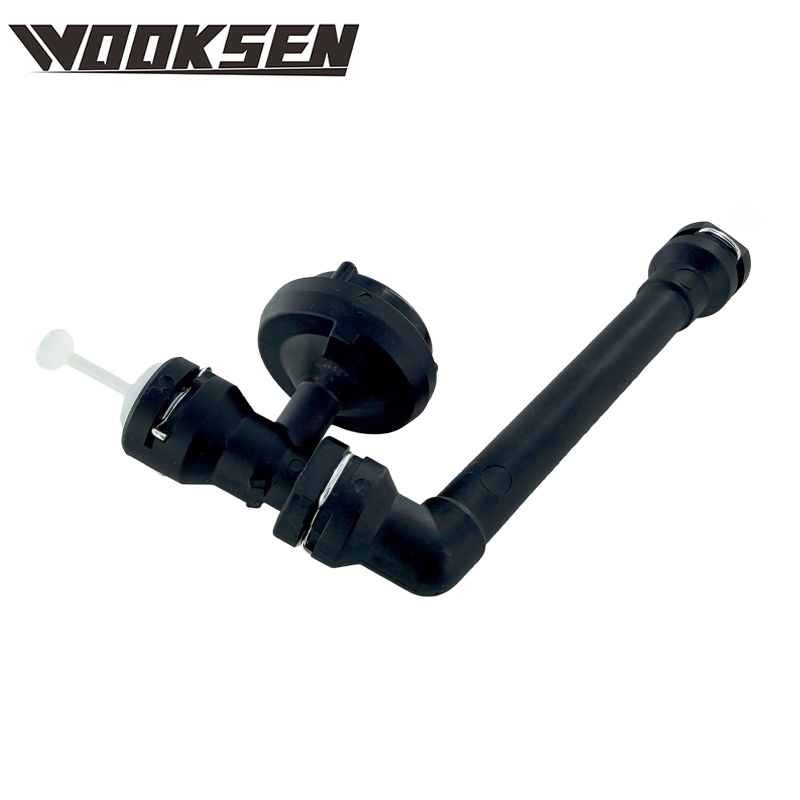
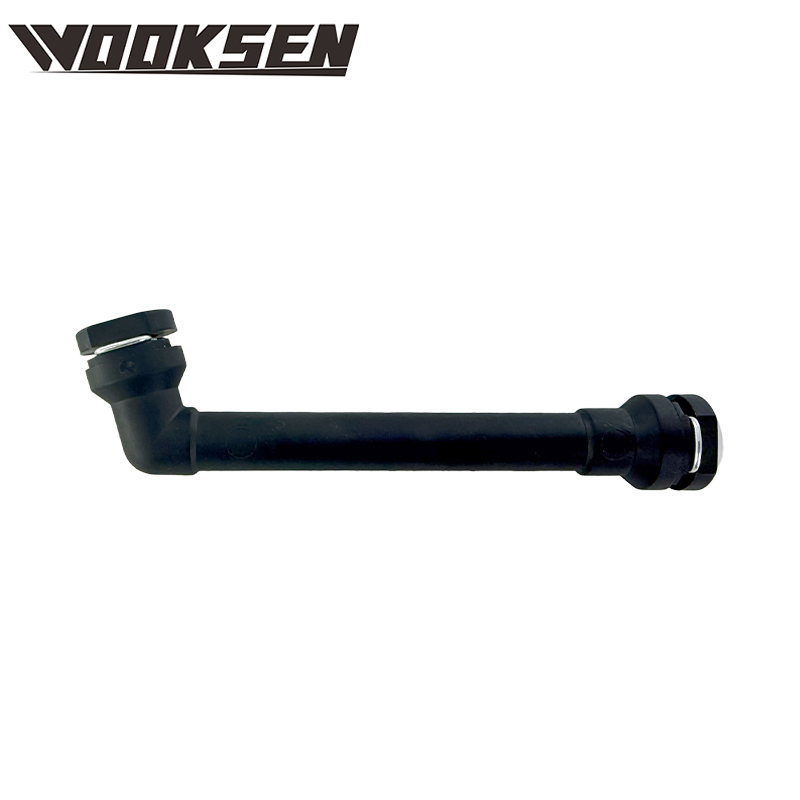
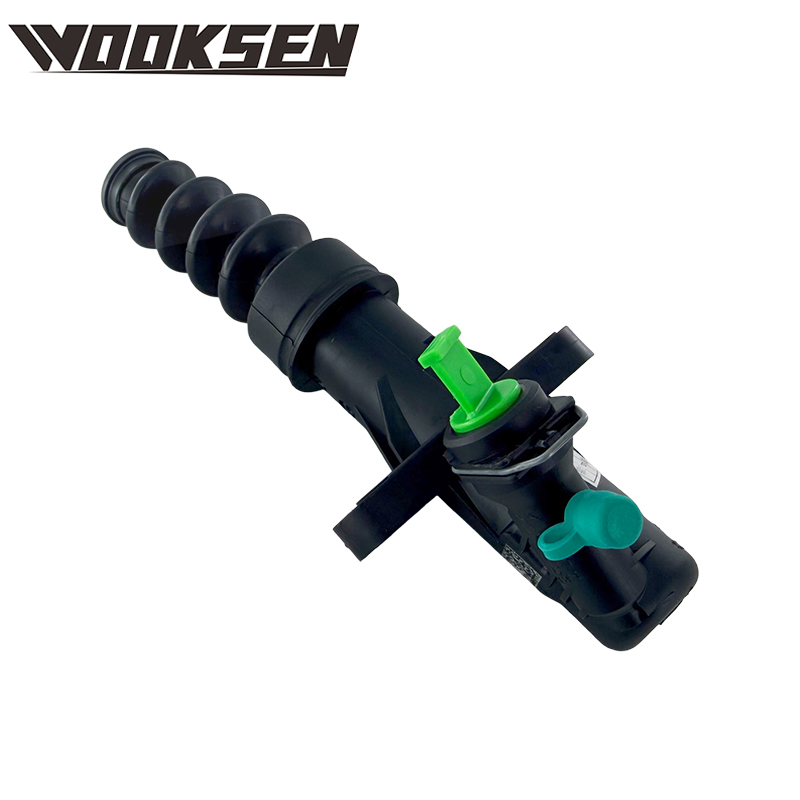
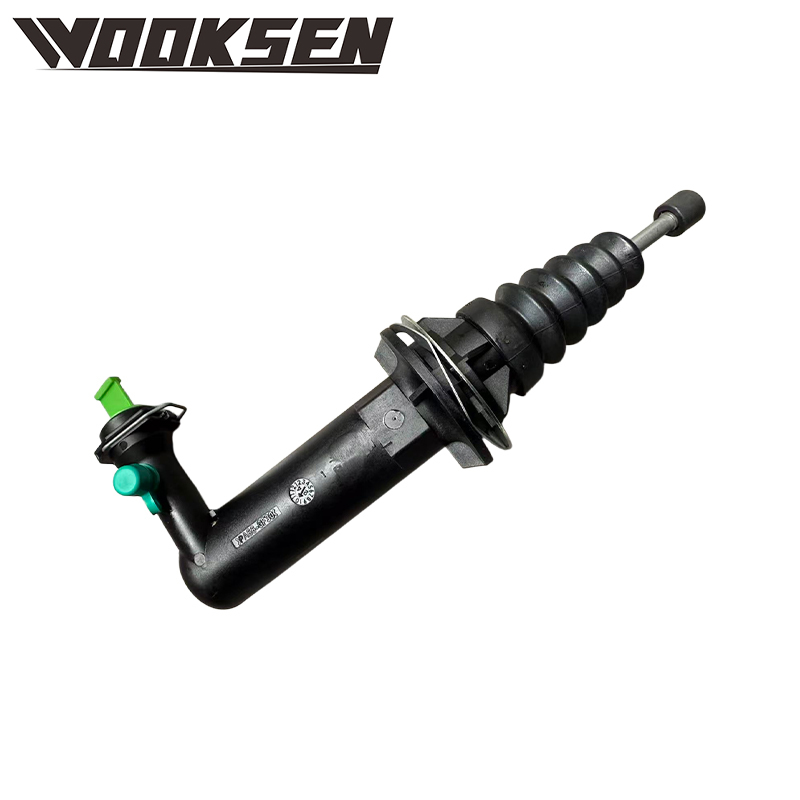
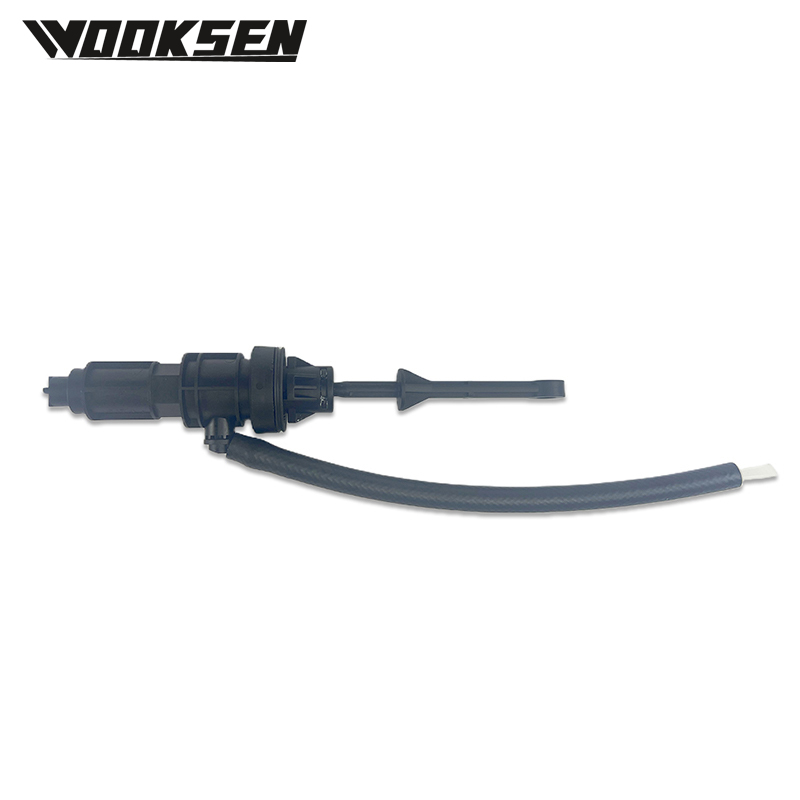
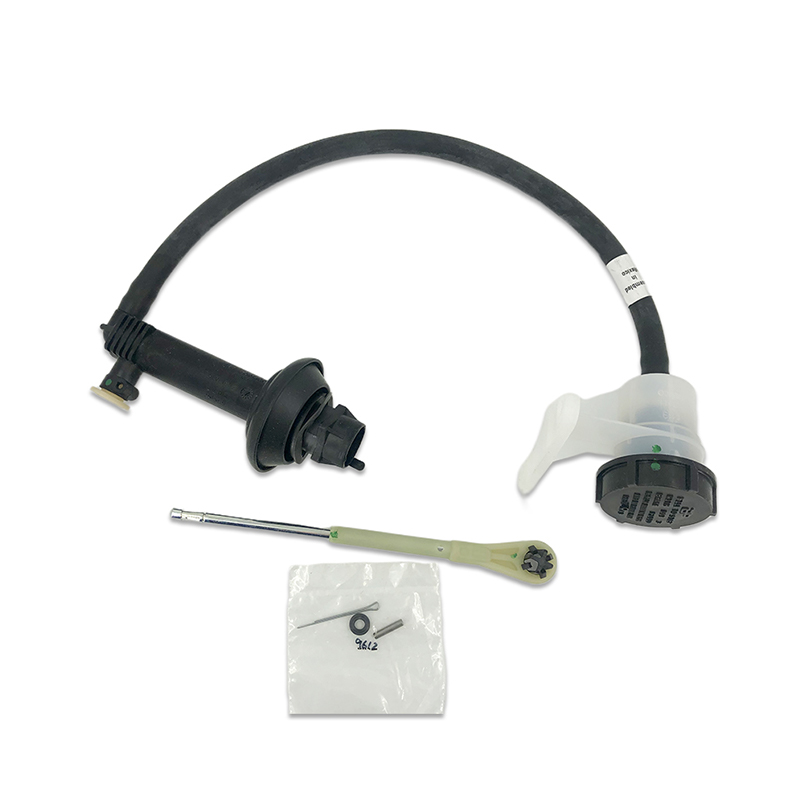
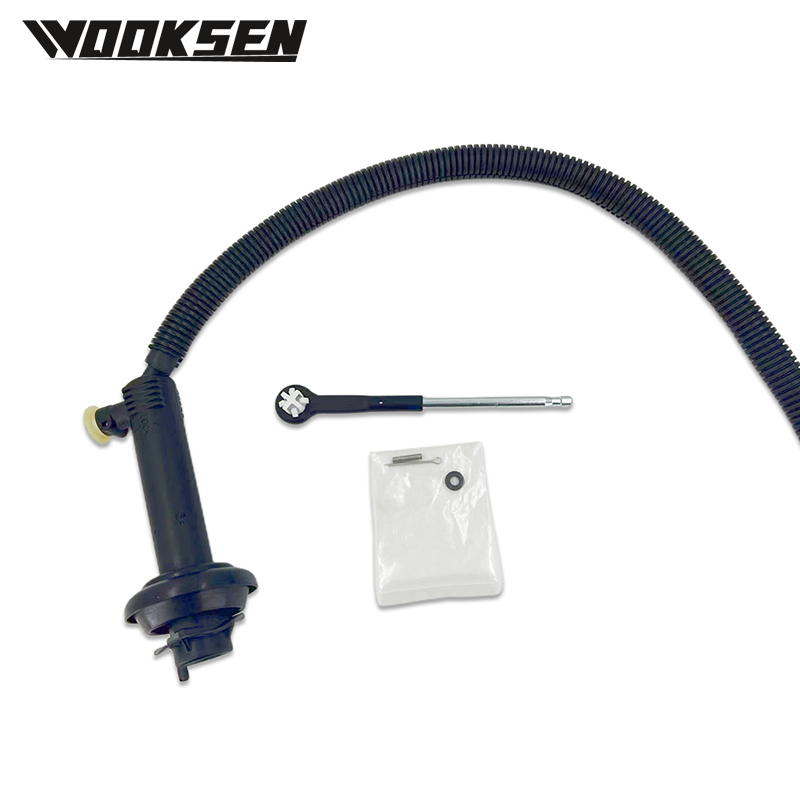
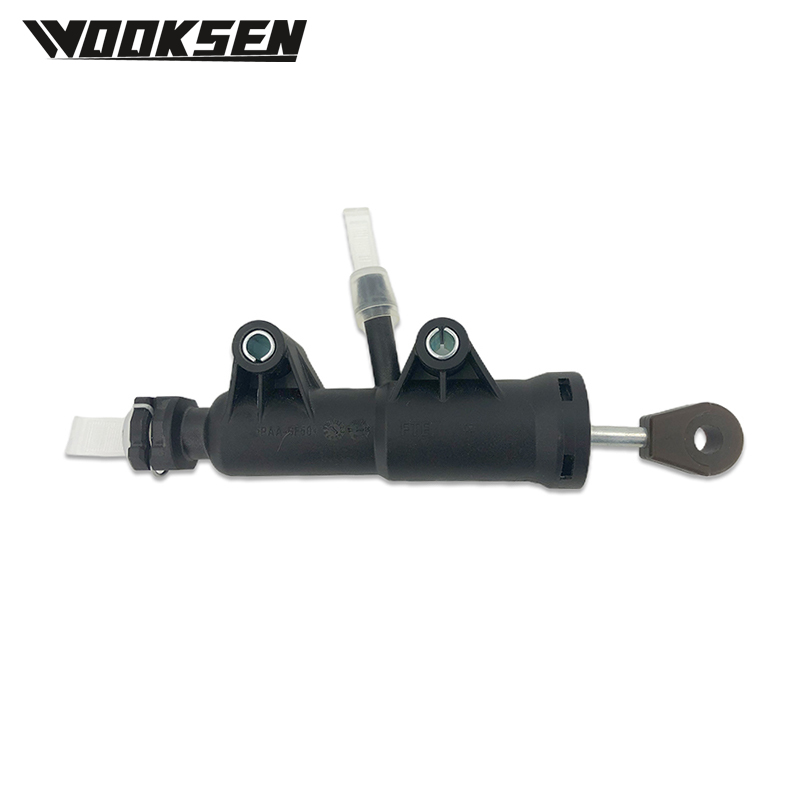
External Clutch Slave Cylinder |
| Body Material |
Reinforced Plastic |
| Seal Material |
EPDM (DOT 3 / DOT 4 compatible) |
| Certifications |
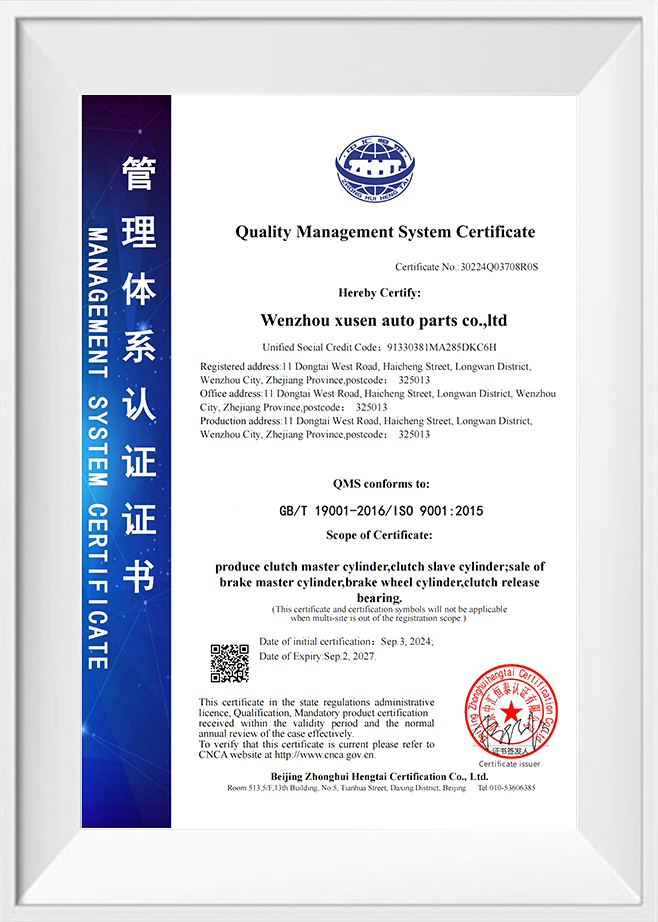
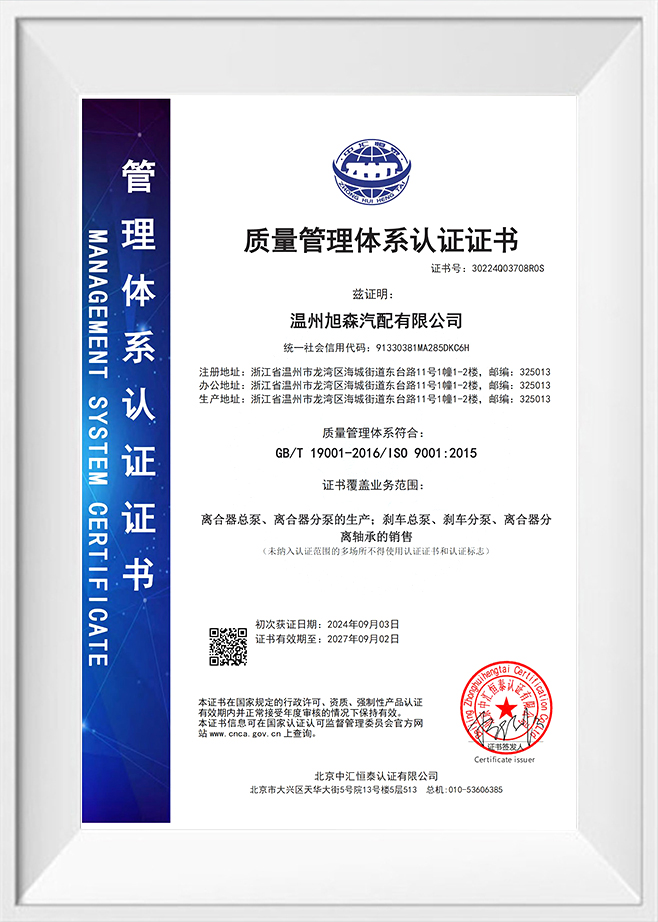
ISO 9001 / TS16949 · CE Certified |
| Warranty |
12 months |
| Lead Time |
15–30 days after order confirmation |
| Packaging |
Standard export / custom available |
The X62 Platform — Europe's Most Common Large Van Architecture
The Renault Master III, Nissan NV400, Opel Movano B, and Vauxhall Movano Mk2 are not four separate vehicles. They are four commercial nameplates built on the same X62 platform, jointly developed by the Renault-Nissan Alliance and produced from 2010 onwards. The platform is used interchangeably across all four brands, meaning the clutch hydraulic system — including the slave cylinder — is identical across the entire lineup.
The platform covers van and platform/chassis body styles, powered primarily by the 2.3L diesel engine, with production running from 2010 through to the present day. This is one of the highest-volume large van platforms in Europe, used extensively by logistics operators, construction firms, utilities, and rental fleets. For aftermarket distributors, a single SKU covering all four brands under one part number represents the kind of catalogue efficiency that justifies dedicated stocking. Alibaba
What a Clutch Slave Cylinder Does in a Commercial Van — and Why It Matters More Here
The slave cylinder is the final mechanical link in the clutch hydraulic chain. It receives pressurised fluid from the master cylinder and converts it into the physical push that separates the clutch from the flywheel, allowing a gear change. In a passenger car, this happens perhaps 200–300 times during an average commute. In a fully loaded delivery van making urban stops all day, it can happen thousands of times per shift.
The Renault Master III and its platform siblings are working vehicles. Fleet operators run them hard — fully loaded, frequent stops, hill starts with cargo, multi-driver use across shifts. The slave cylinder in these conditions is subject to sustained hydraulic cycling, heat buildup near the gearbox, and vibration loads that are fundamentally different from passenger car use. Seal fatigue, bore wear, and pushrod alignment drift are the typical failure modes. A slave cylinder that loses sealing integrity shows up immediately: the clutch pedal goes soft, or the clutch fails to disengage fully, making gear selection dangerous under load.
Why This Is a Priority SKU for LCV Aftermarket Distributors
Four brands, one part — Renault, Nissan, Opel, and Vauxhall all use the same slave cylinder specification on the X62 platform. One stocking decision covers enquiries from customers sourcing under any of these four nameplates, across all major European markets.
Still in production, growing replacement cycle — the Master III / NV400 / Movano B has been in continuous production since 2010. The oldest units in fleet service are now well past the typical clutch system service interval, meaning replacement demand is active and concentrated.
Fleet procurement context — large van fleets are managed by procurement teams, not individual drivers. Buyers are sourcing in volume, on contract, with lead time and documentation requirements. CE certification, consistent quality records, and reliable lead times matter more in this context than in the retail aftermarket.
RWD diesel — the configuration that wears fastest — the rear-wheel-drive 2.3 dCi variant is the primary workhorse specification. RWD vans under commercial load place higher torque demands through the drivetrain at every gear change, which translates directly into faster hydraulic clutch component wear compared to lighter FWD passenger vehicle applications.
CE certified for European market compliance — essential for distributors supplying EU, UK, and EEA markets where regulatory documentation for commercial vehicle parts carries weight in fleet procurement decisions.

 English
 русский
 Español
 عربى
عربى