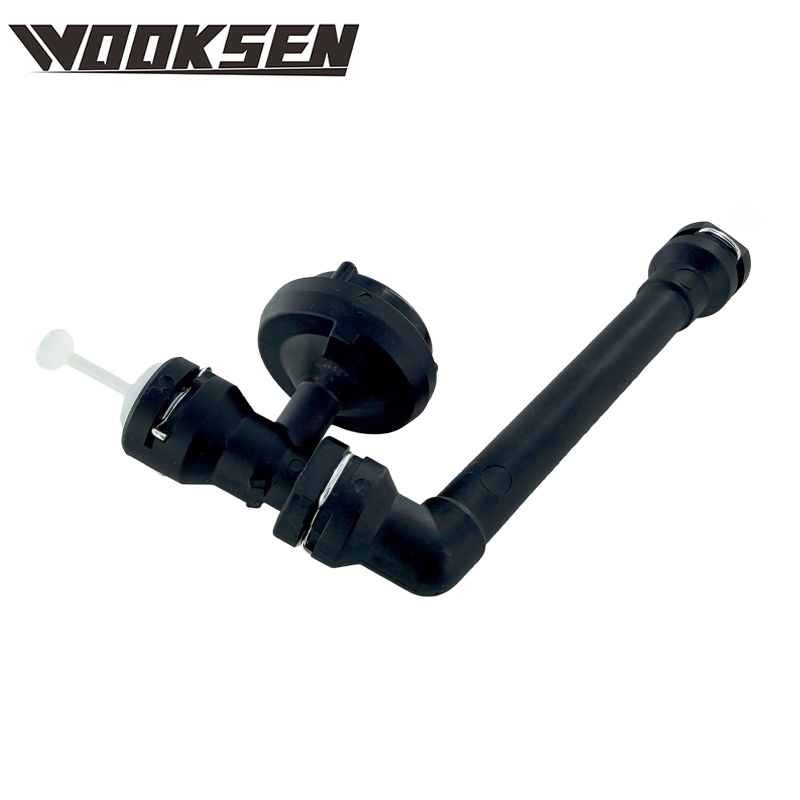
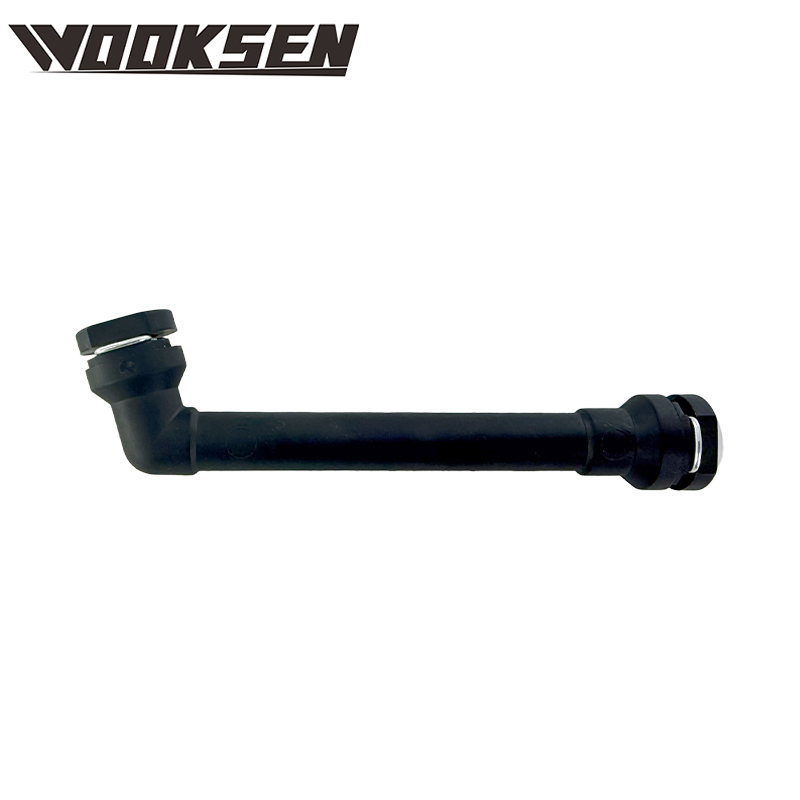
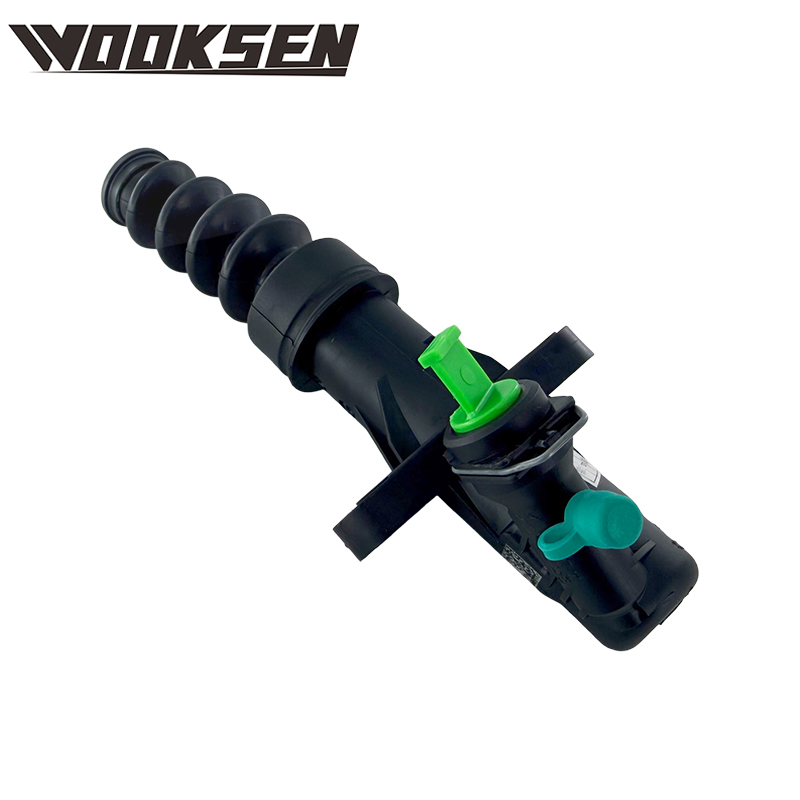
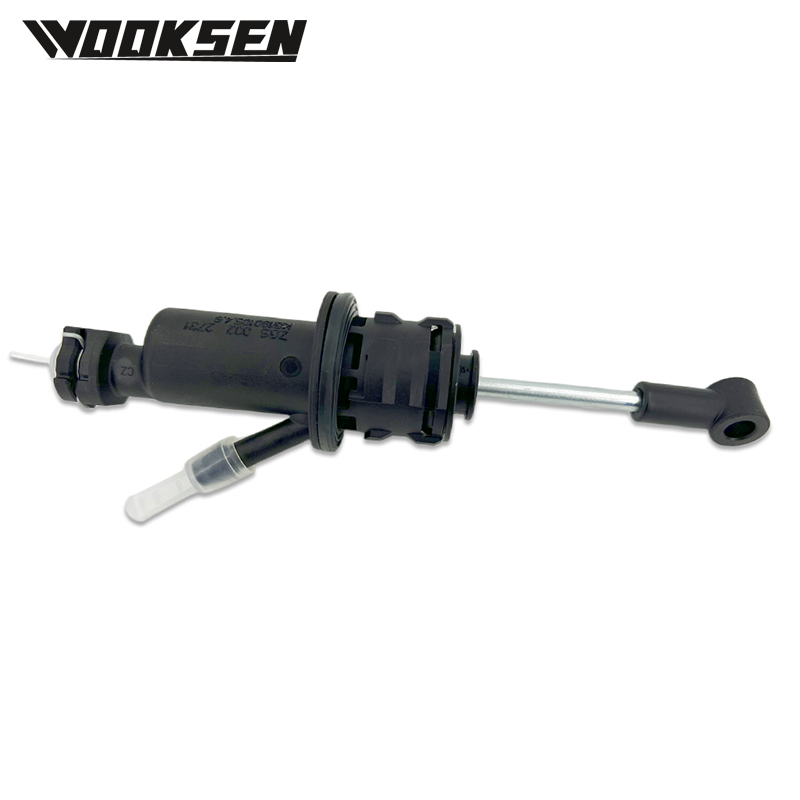
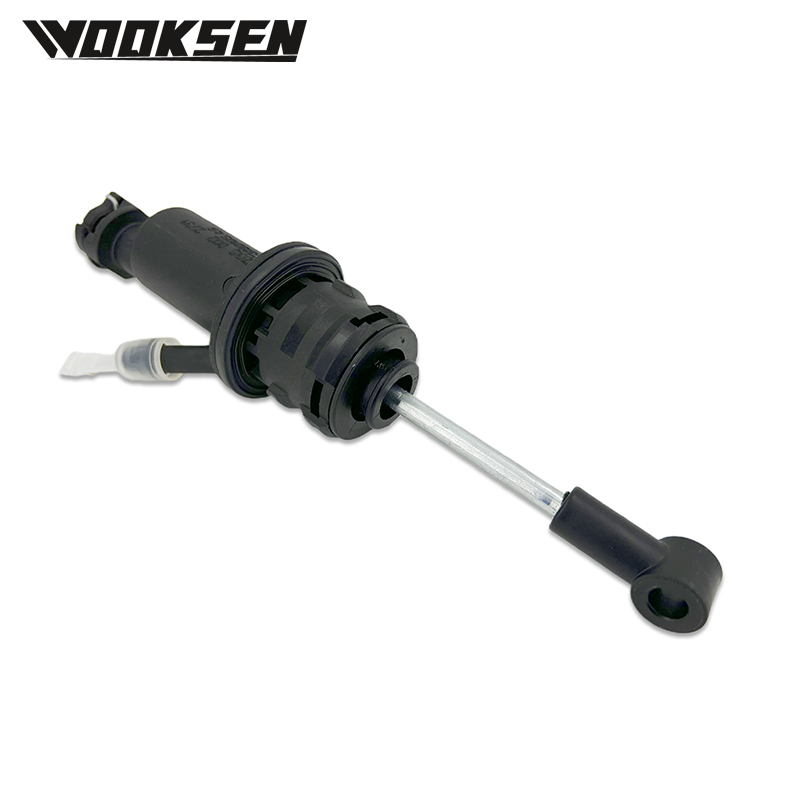
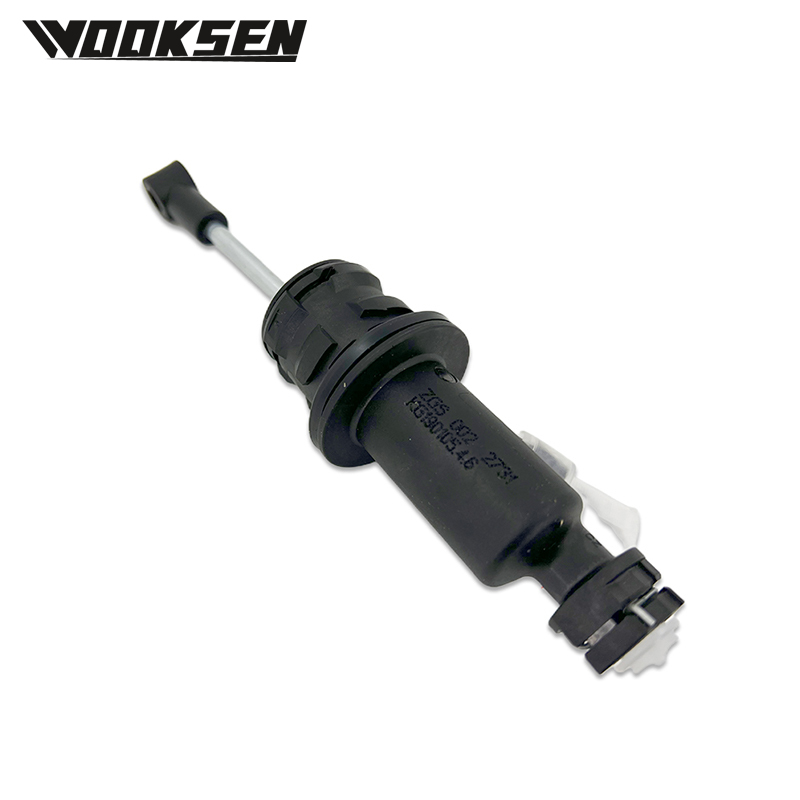
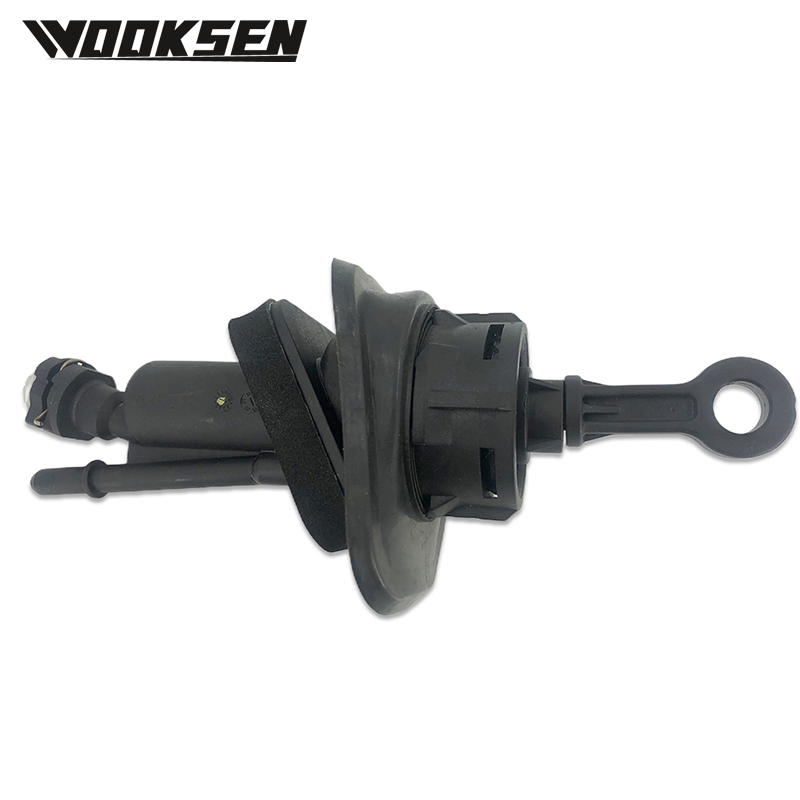
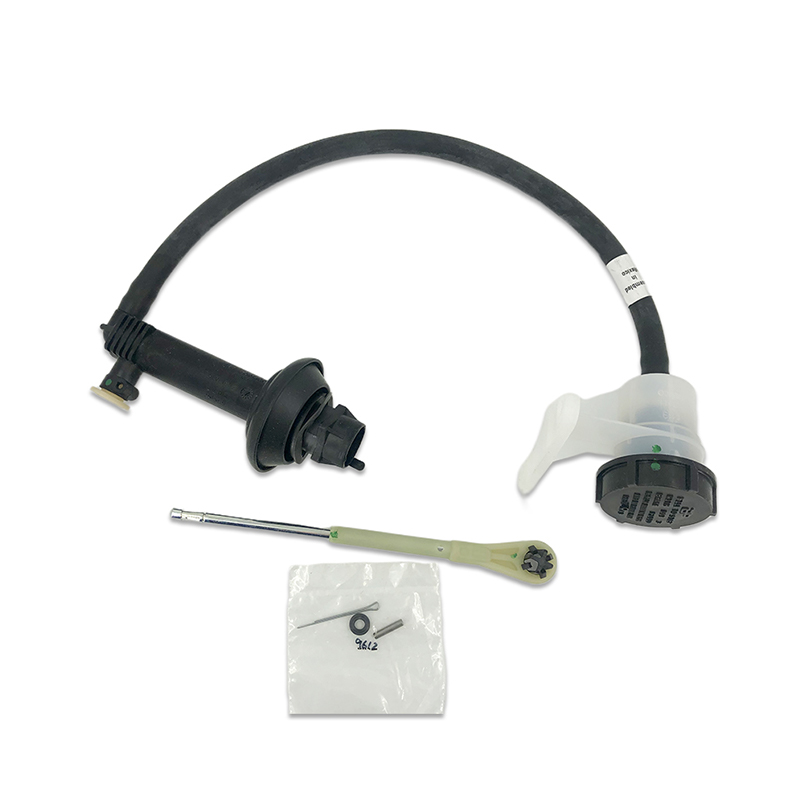
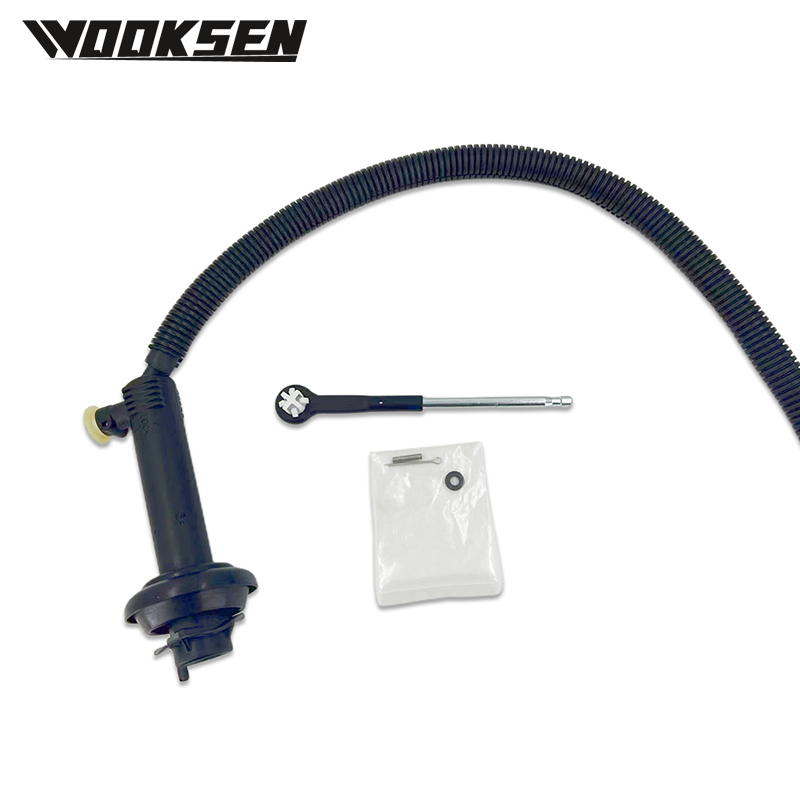
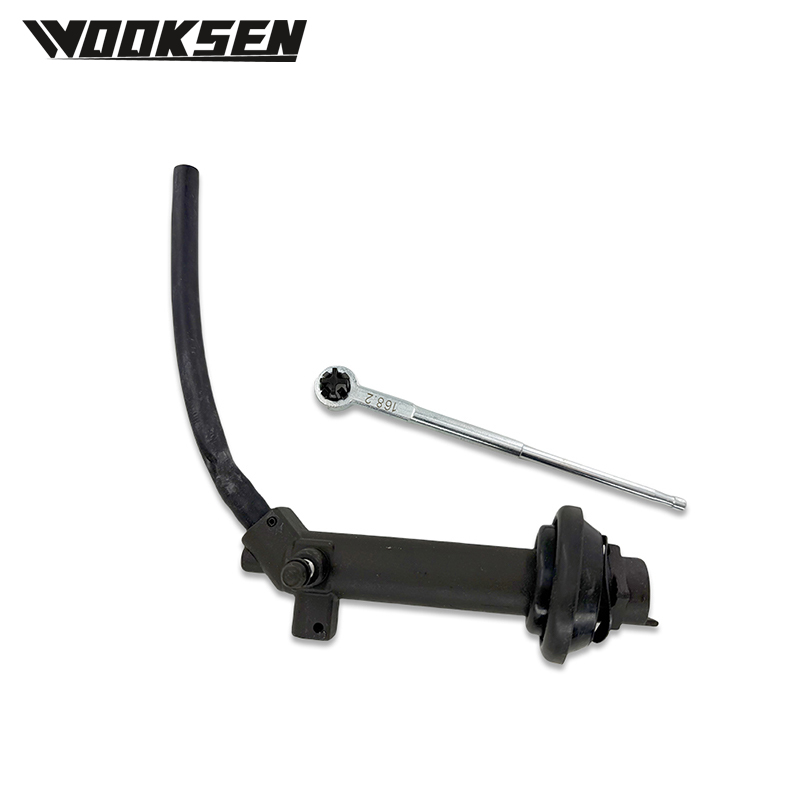
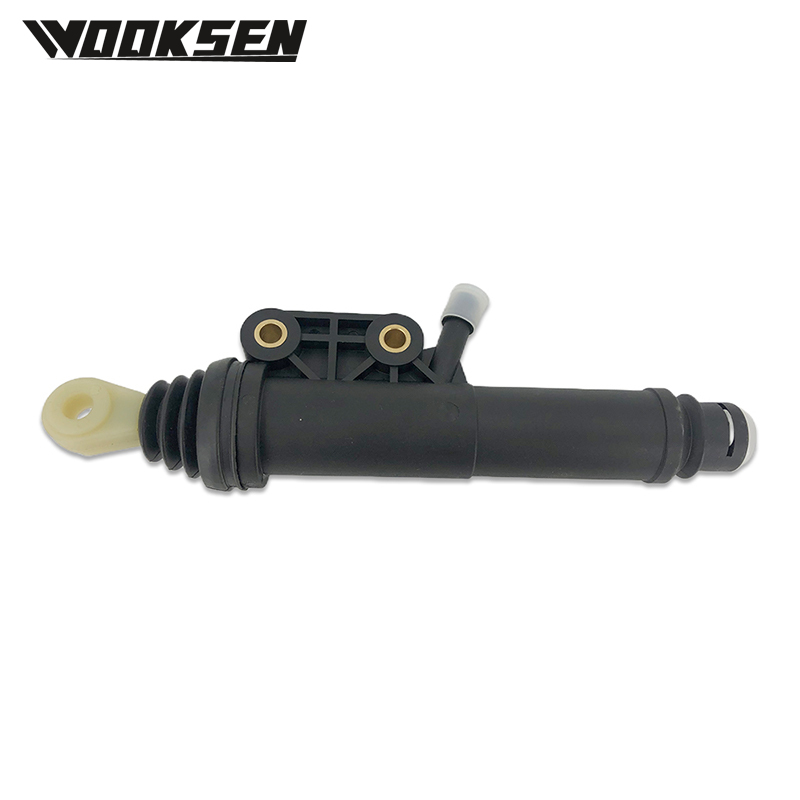
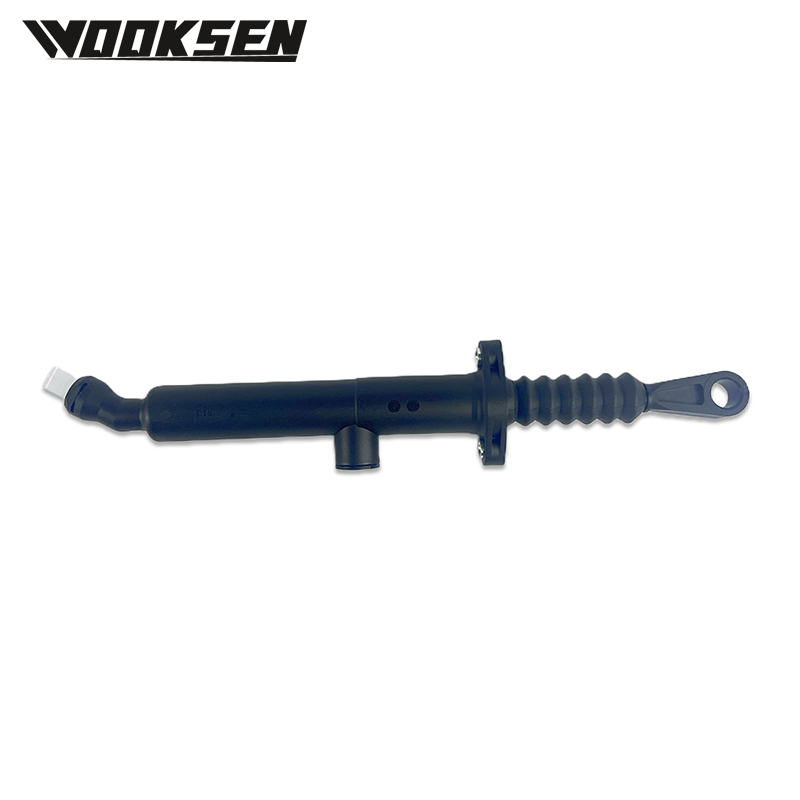
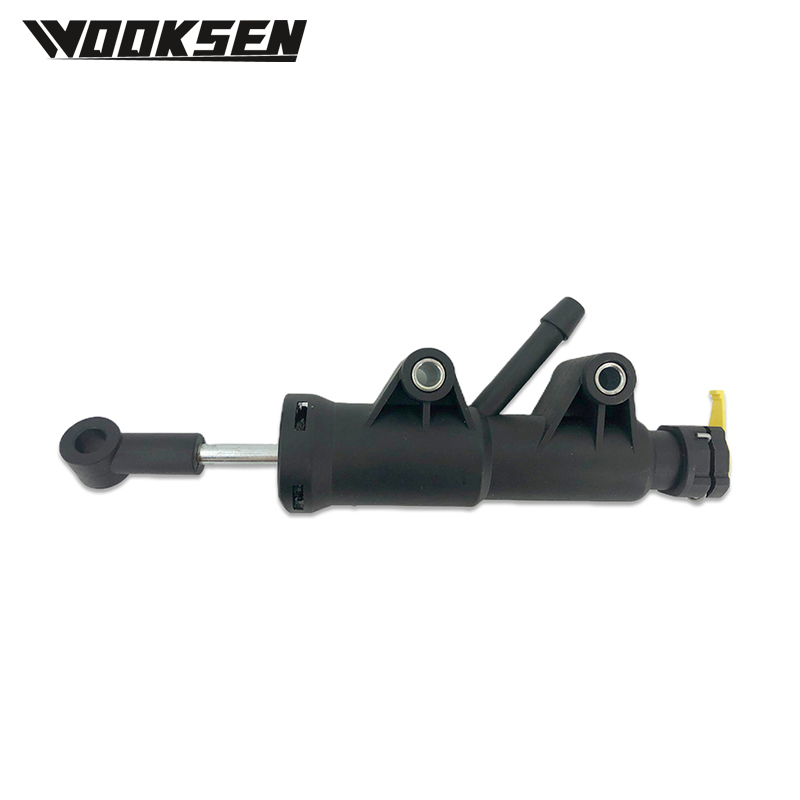
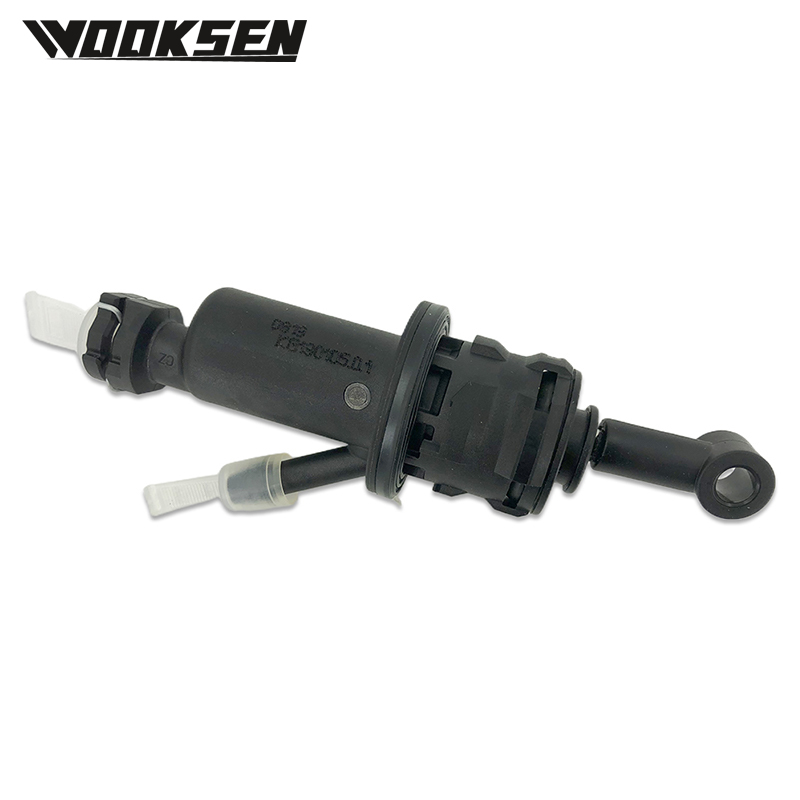
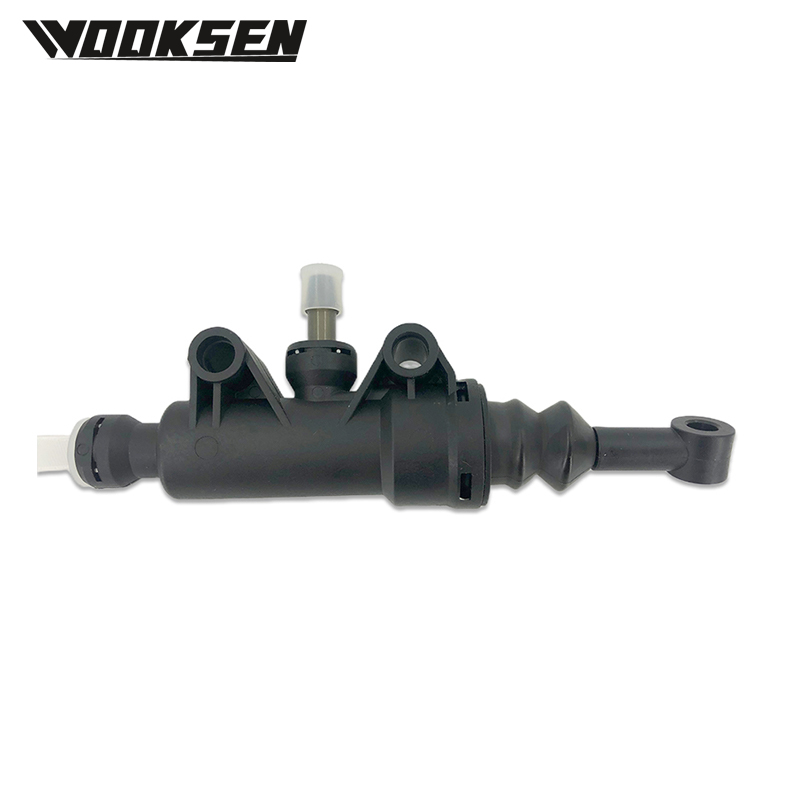
CM167
APPLICATION
The following vehicle models are based on the Mercedes-Benz MFA platform and were produced between 2011 and 2019, serving as prime examples of the platform's component sharing.
Vehicle SeriesModel CodeProduction YearsMain Engine TypesCompatible Transmission
A-ClassW1762012–2018M270 (1.6L Turbo / 2.0L Turbo), OM607, OM6516-Speed Manual / 7-Speed Dual-Clutch Transmission
B-ClassW246 / W2422011–2018M270 (1.6L Turbo / 2.0L Turbo), OM607, OM6516-Speed Manual / 7-Speed Dual-Clutch Transmission
CLA CoupéC1172013–2019M270 (1.6L Turbo / 2.0L Turbo), OM6516-Speed Manual / 7-Speed Dual-Clutch Transmission
CLA Shooting BrakeX1172015–2019M270 (1.6L Turbo / 2.0L Turbo), OM6516-Speed Manual / 7-Speed Dual-Clutch Transmission
GLAX1562013–2019M270 (1.6L Turbo / 2.0L Turbo), OM6516-Speed Manual / 7-Speed Dual-Clutch Transmission
These models must be equipped with a manual transmission or a dual-clutch transmission capable of manual mode; vehicles with conventional automatic transmissions do not use a clutch master cylinder. Please verify compatibility using the VIN and original part number before purchasing.
OE NO:
A2462900112
2462900112
Key Functions
The functional contributions of the composite housing are primarily evident in three areas:
First, weight management. Lightweight design was a priority for MFA platform vehicles from the outset; the composite master cylinder housing aligns with the vehicle's overall weight-reduction strategy, ensuring no additional weight is added to the engine bay components.
Second, corrosion resistance. The engine bay environment is characterized by high humidity and significant temperature fluctuations. Composite materials offer superior resistance to hydraulic fluid, moisture, and common chemicals compared to standard metal components, thereby reducing the risk of seal failure caused by housing corrosion.
Third, thermal stability. As the master cylinder is subjected to prolonged heat within the hydraulic system, material thermal stability directly impacts the long-term fit precision between the seals and the cylinder body. Composite materials typically exhibit less deformation under heat than untreated aluminum alloy components, helping to maintain system sealing integrity.

 English
 русский
 Español
 عربى
عربى