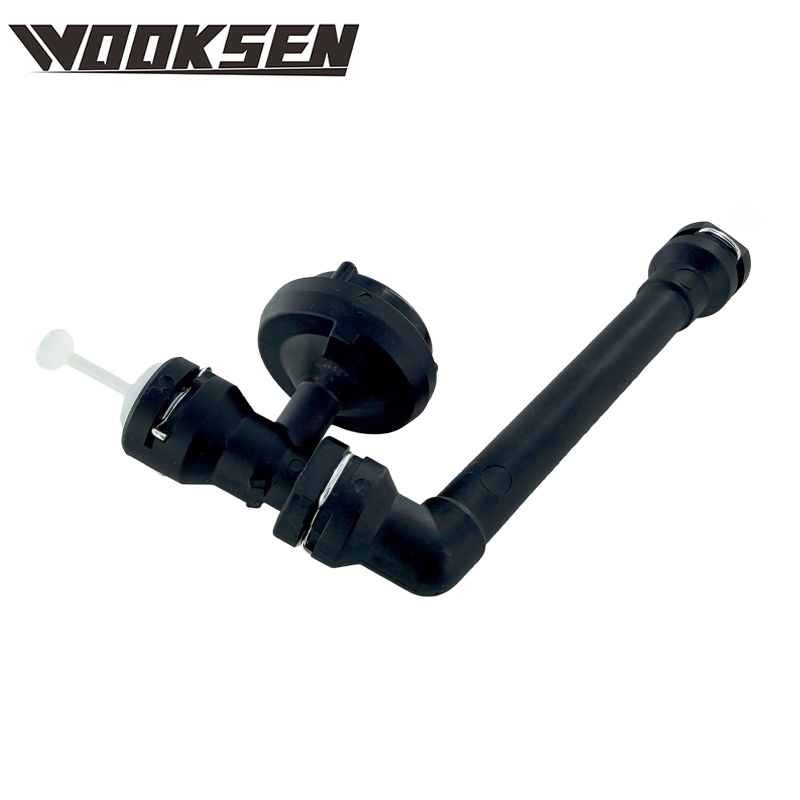
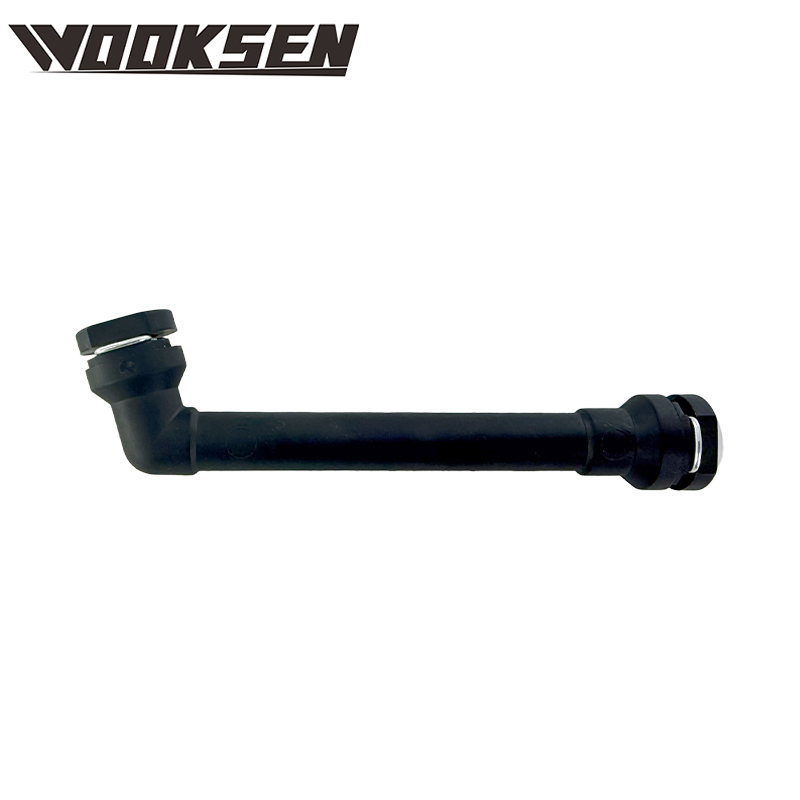
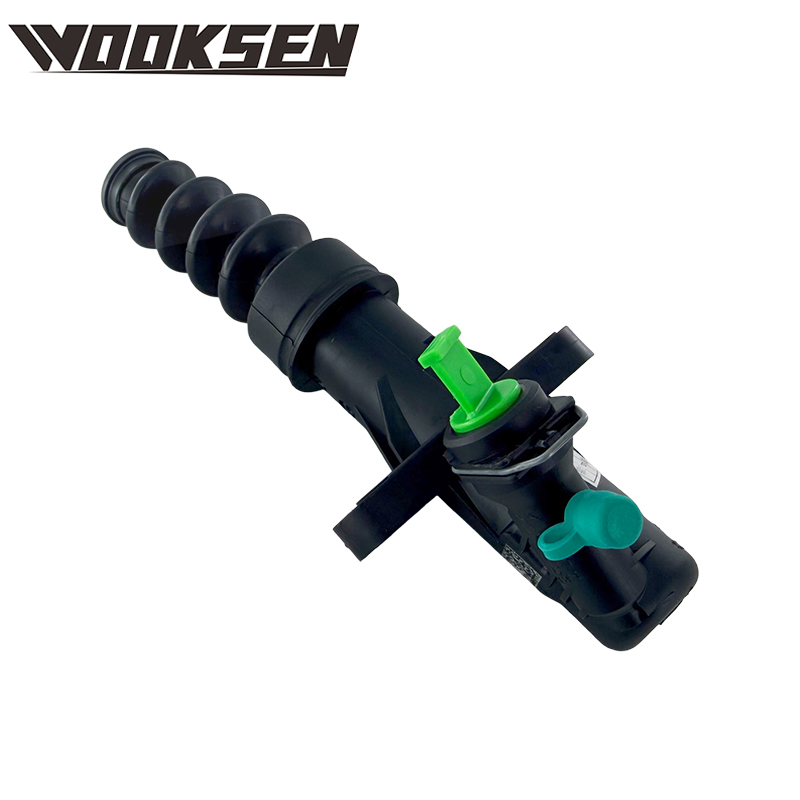
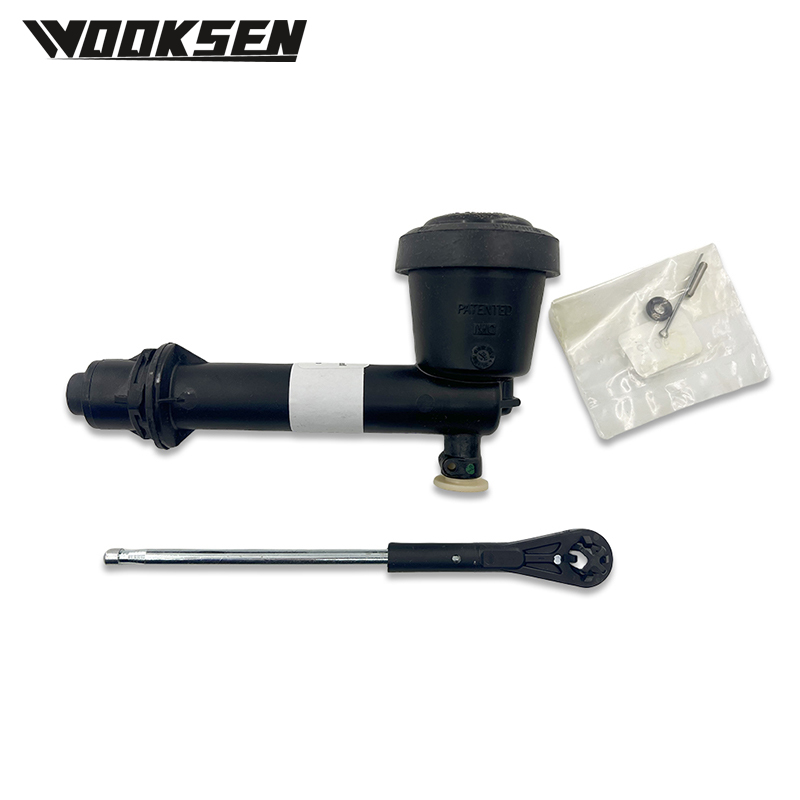
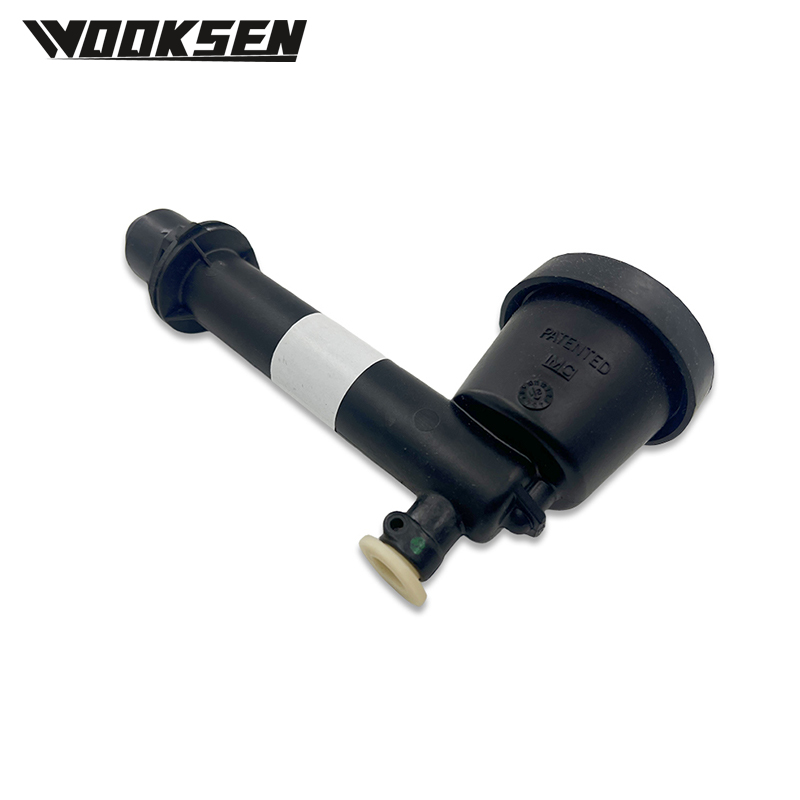
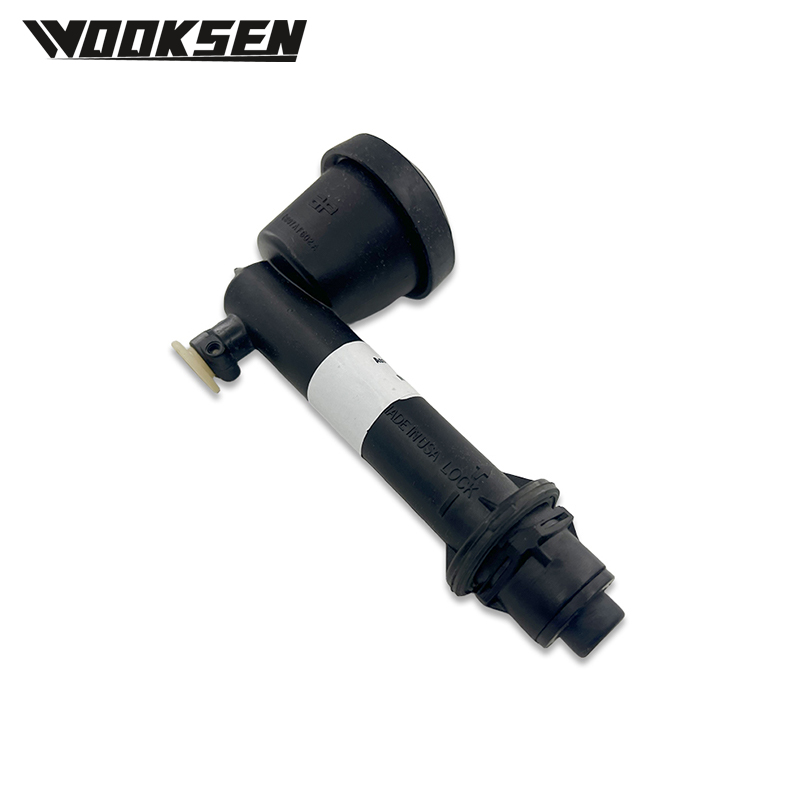
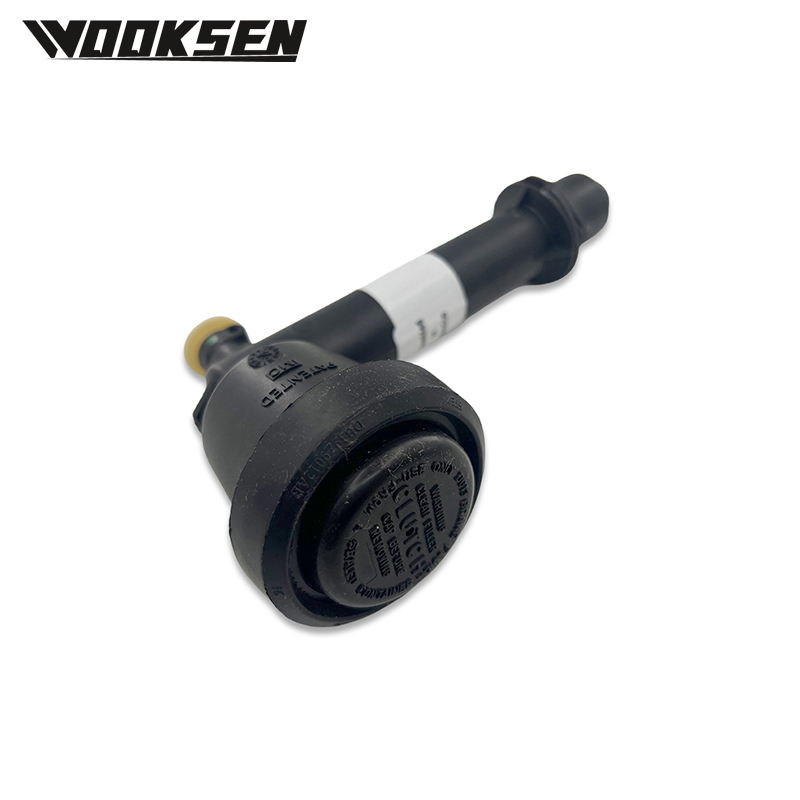
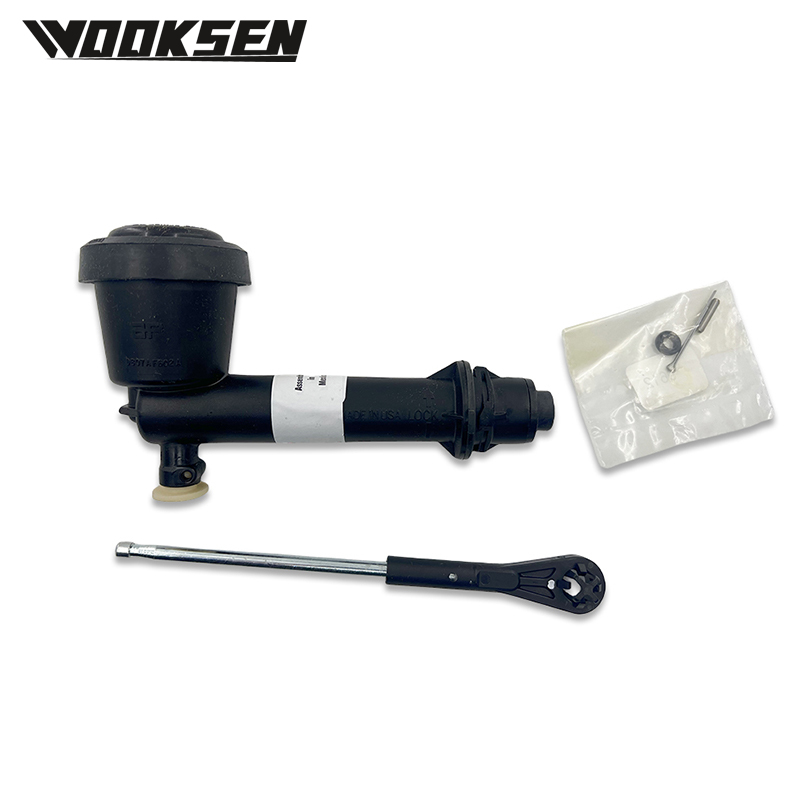
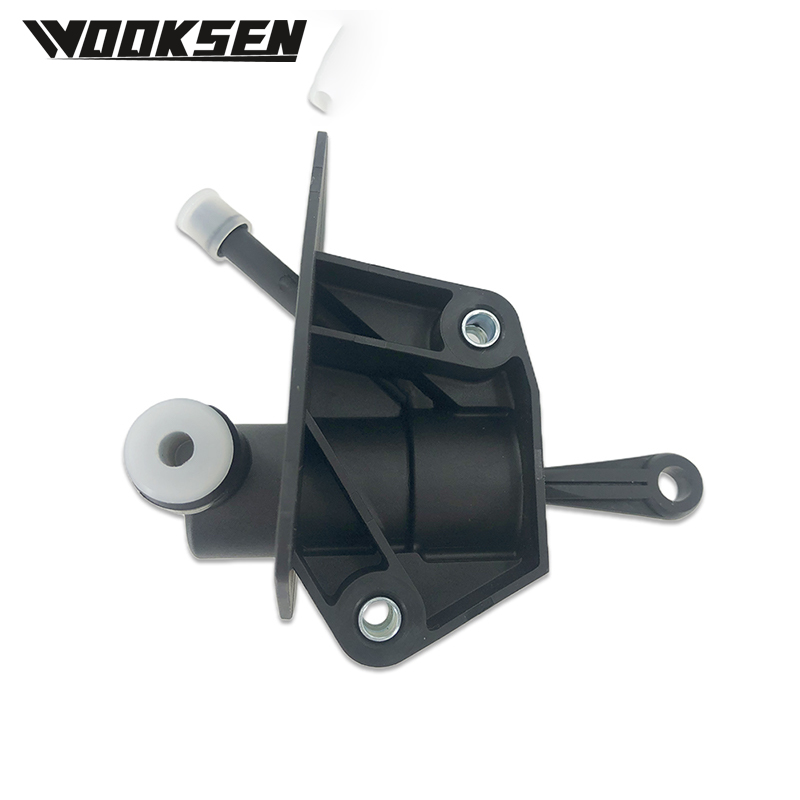
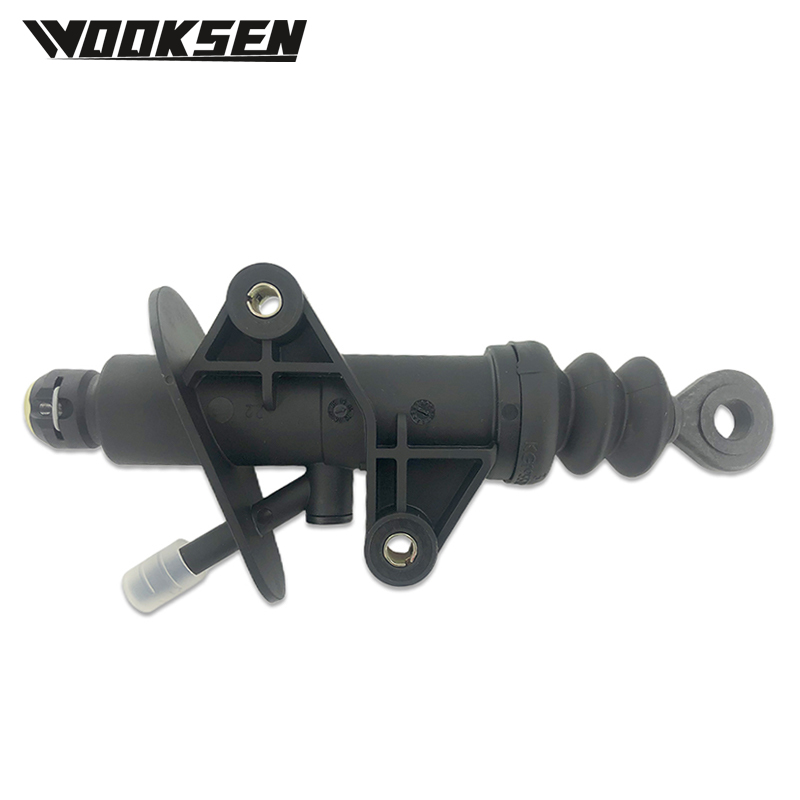
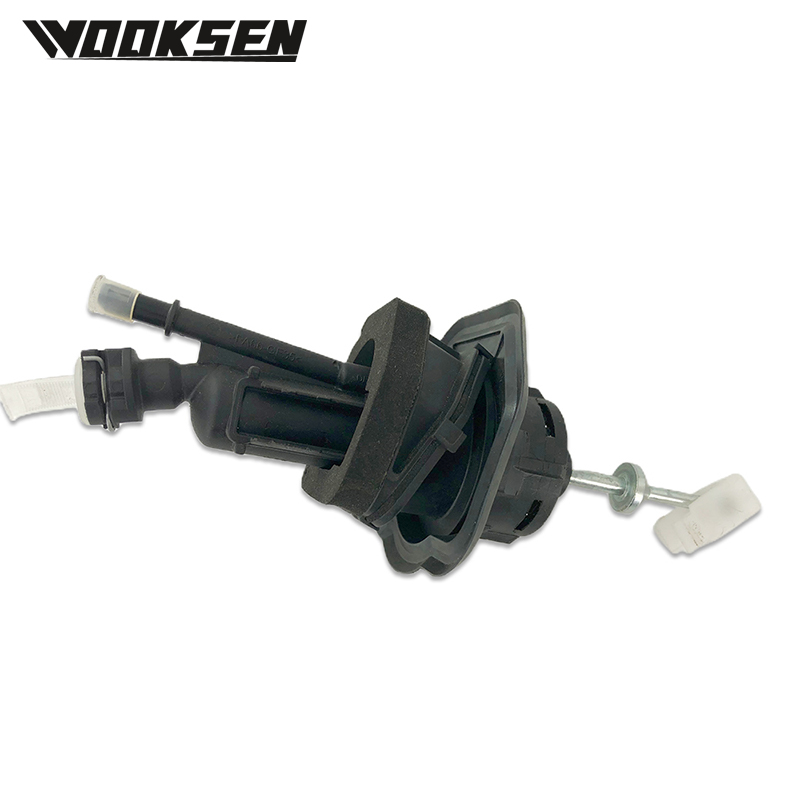
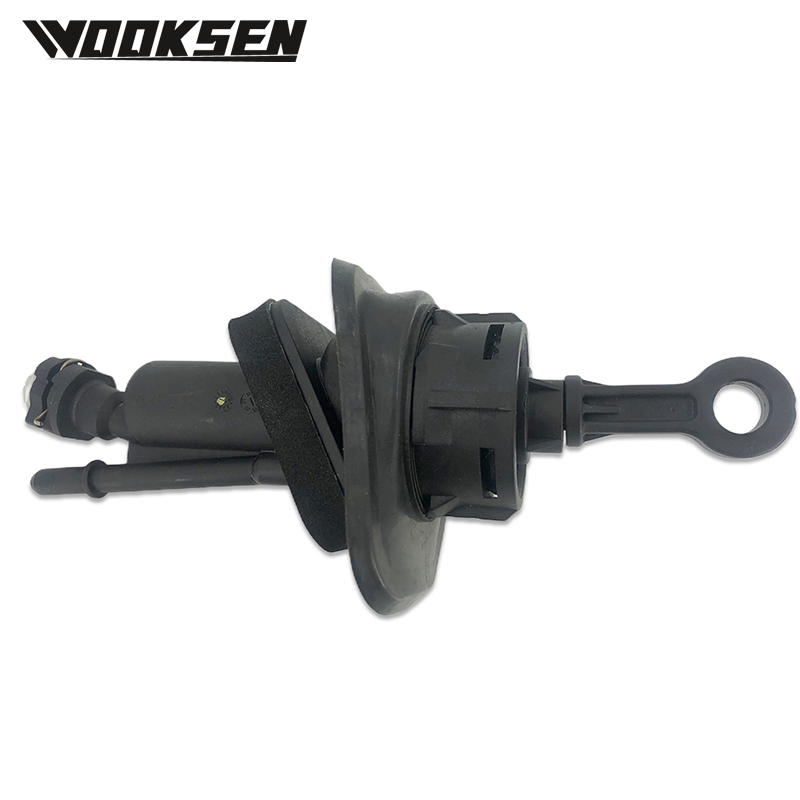
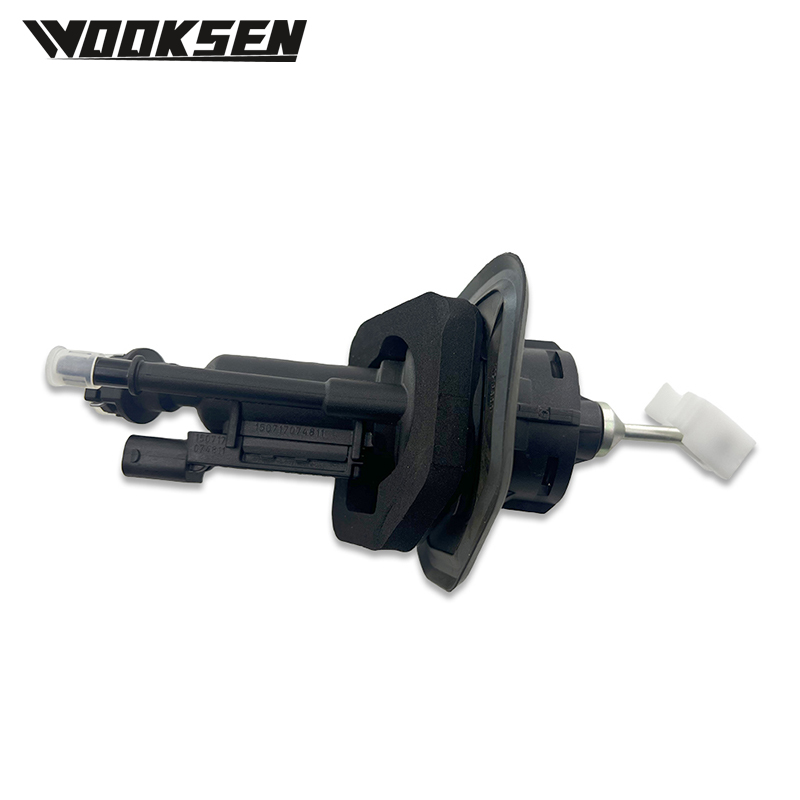
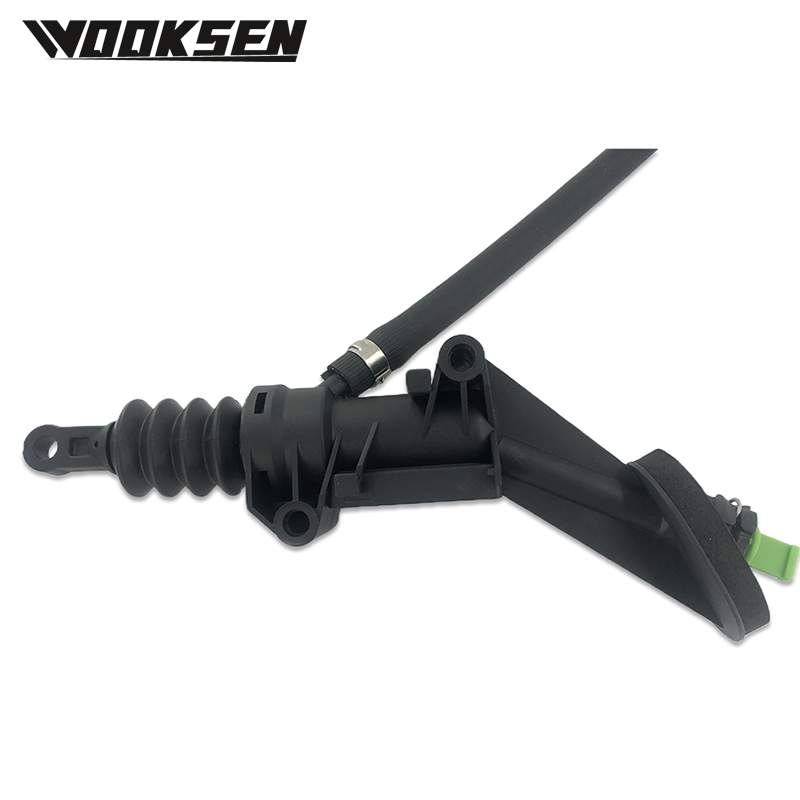
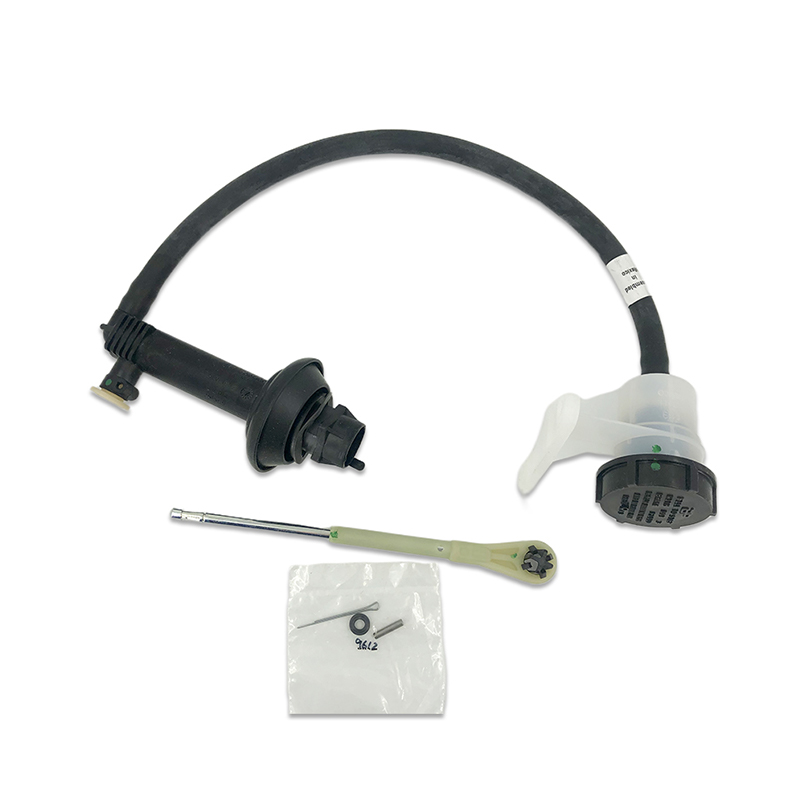
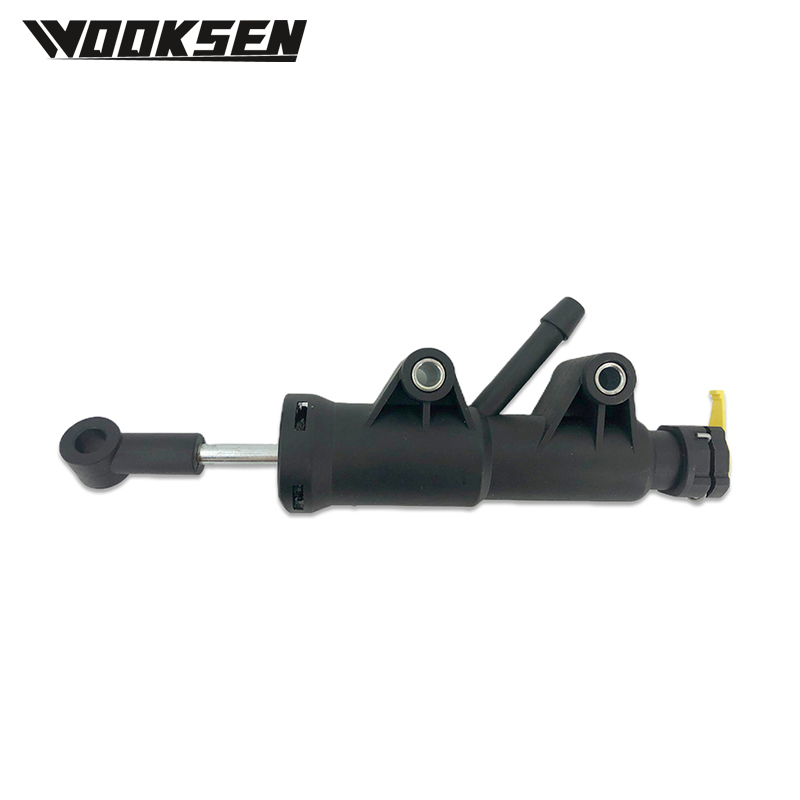
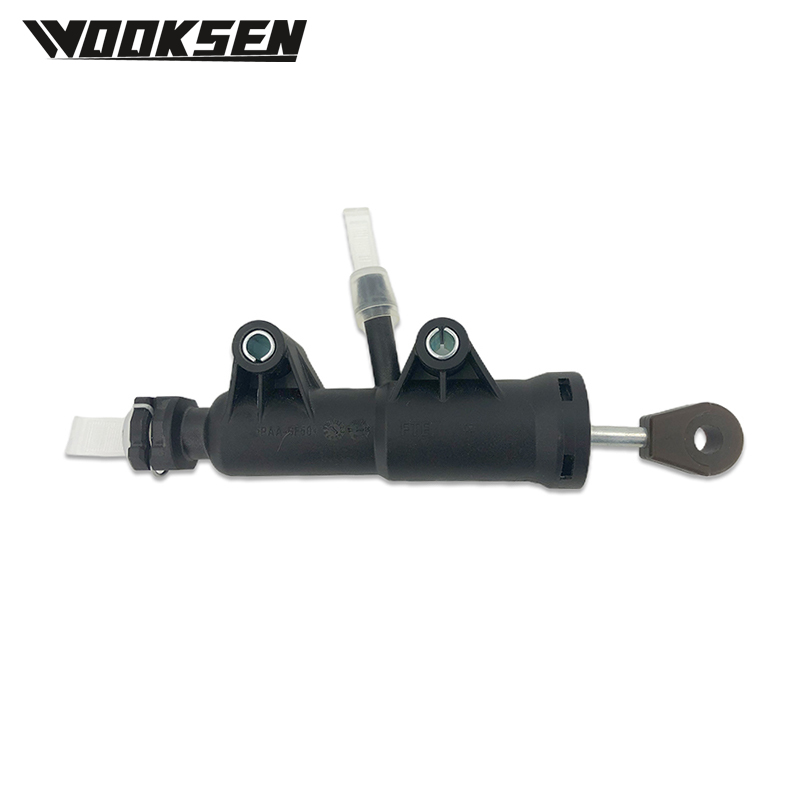
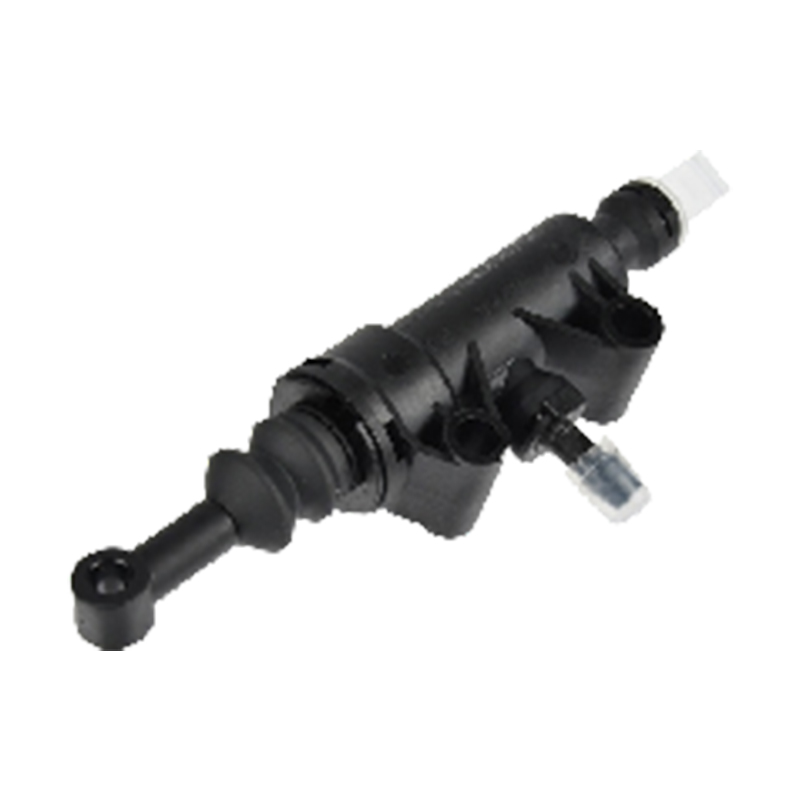
CM209
Vehicle Application
This clutch master cylinder is confirmed to fit the following platforms:
| Year Range |
Make |
Model |
Engine |
| 1994–1995 |
Chevrolet |
S10 |
L4 2.2L |
| 1994–1995 |
Chevrolet |
S10 |
V6 4.3L |
| 1994 |
Chevrolet |
S10 Blazer |
V6 4.3L |
| 1994–1995 |
GMC |
Jimmy |
V6 4.3L |
| 1994–1995 |
GMC |
Sonoma |
L4 2.2L |
| 1994–1995 |
GMC |
Sonoma |
V6 4.3L |
Always verify against the vehicle's VIN and transmission type before ordering. Manual transmission only.
OE & Cross-Reference Numbers
Buyers sourcing by OE number or competitive cross-reference can locate this part using any of the following:
| Reference Type |
Number |
| GM OE Number |
12385321 |
| GM OE Number (alt) |
12387941 |
| Fenco Cross Reference |
CM1291 |
| LuK Cross Reference |
5110062770 |
Multiple cross-references mean this SKU consolidates demand across different sourcing systems — useful for distributors managing catalog coverage across OE and aftermarket reference numbers.
Core Functions
1. Hydraulic pressure generation
When the clutch pedal is depressed, the master cylinder piston compresses fluid in the bore, building the pressure needed to actuate the slave cylinder and disengage the clutch disc from the flywheel.
2. Fluid supply management
The built-in reservoir maintains a constant fluid supply to the cylinder bore. If there is minor fluid loss due to normal system wear, the reservoir provides a buffer before performance is affected — giving operators earlier warning before a failure becomes critical.
3. Pressure release and return
When the pedal is released, internal return springs and compensating ports allow pressure to bleed back, re-engaging the clutch smoothly. Proper port sizing and piston seal quality determine how clean this return action is — a worn cylinder often causes incomplete clutch release or dragging.
4. System sealing
Internal rubber seals (primary and secondary cups) maintain pressure without bypassing fluid. Seal degradation is the primary failure mode on high-mileage cylinders and the most common reason for replacement.
Why Buyers Source This Part
1. Aging GM light truck fleet still in active service
Mid-1990s S10, Sonoma, and Jimmy trucks remain in active use in trades, agriculture, and light commercial work, particularly in North American and Latin American markets. Clutch hydraulics on vehicles of this age are past expected service life and represent consistent, predictable replacement demand — not a one-time purchase.
2. OE-matched fitment reduces return rates
For wholesale distributors and auto parts retailers, fitment accuracy directly affects return handling costs. This unit is designed to match factory specifications using confirmed OE numbers, reducing the risk of misfits that generate chargebacks and restocking labor.
3. Integrated reservoir reduces SKU complexity
Distributors stocking cylinder-and-reservoir assemblies carry a single SKU where others might need to stock the cylinder and reservoir separately. Simpler inventory, faster picking, and fewer assembly errors at the shop level.
4. Cross-reference coverage supports multi-brand sourcing
With both GM OE numbers, a Fenco reference, and a LuK reference, this part is discoverable across multiple buyer sourcing workflows — OE lookup tools, aftermarket catalogs, and brand-specific databases.

 English
 русский
 Español
 عربى
عربى