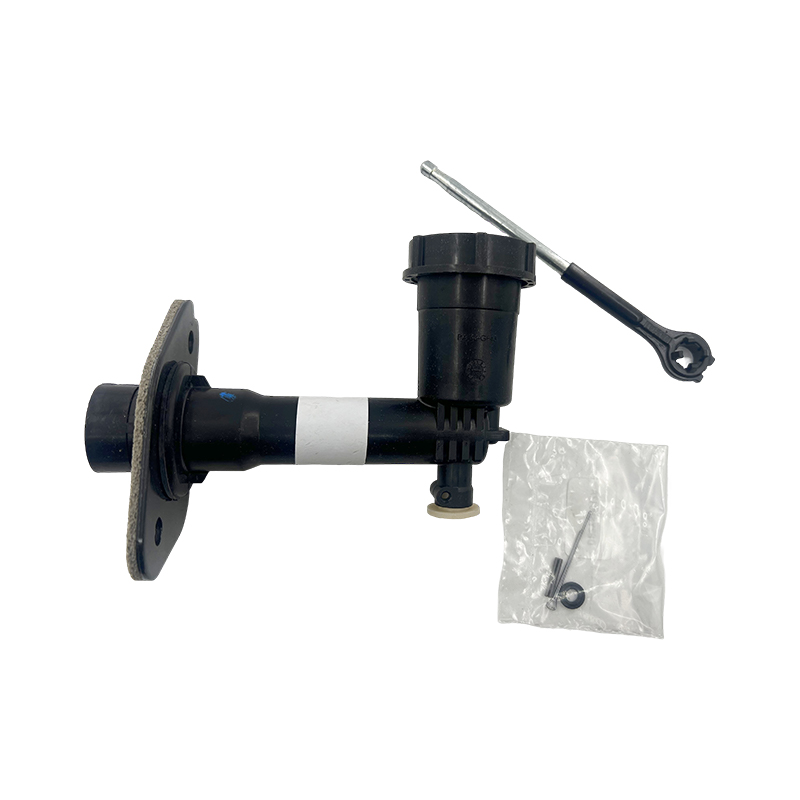
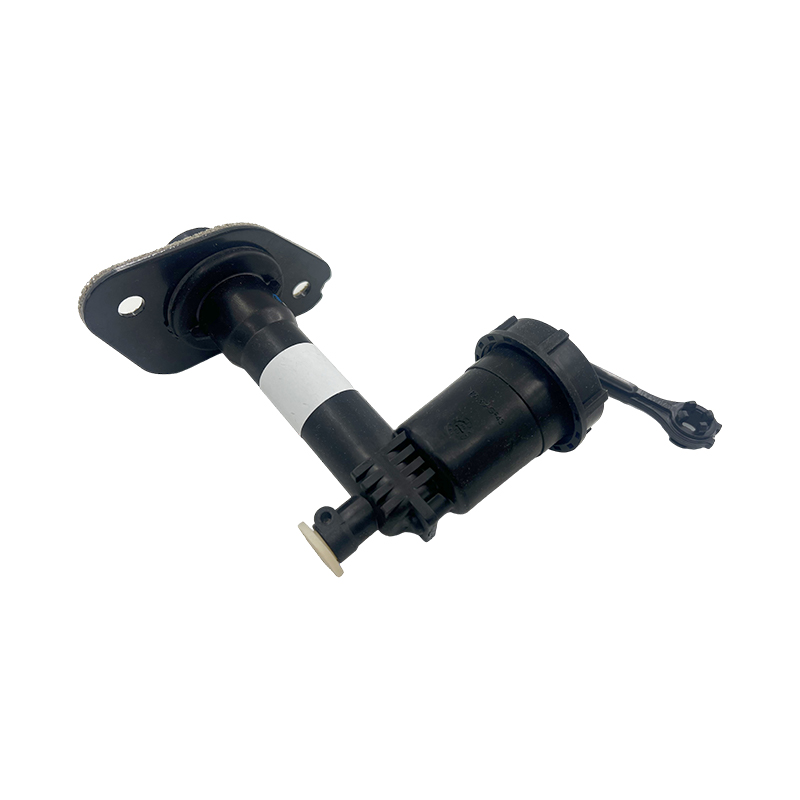
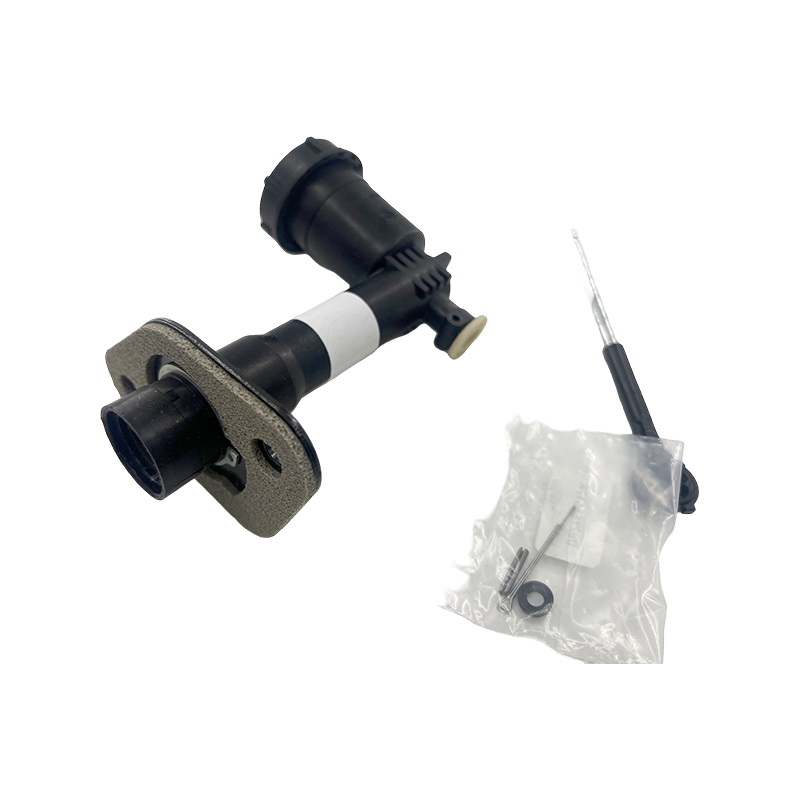
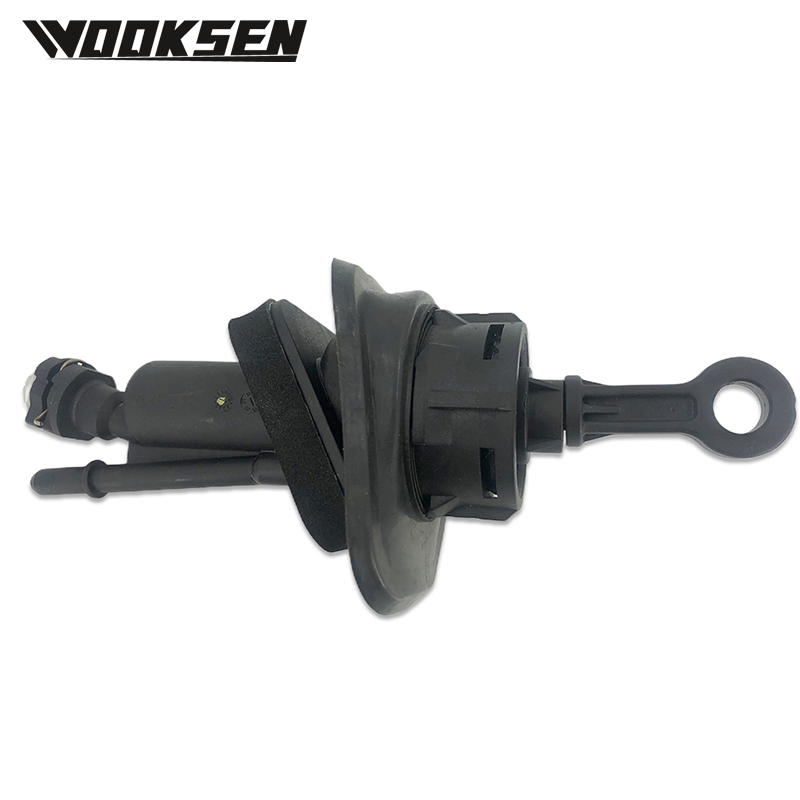
CM225
Rust is what kills most clutch master cylinders before the seals ever give out.
The cylinder body sits exposed in the engine bay, collecting road salt, moisture, and heat cycles for years at a time. On trucks that work outdoors — which is most of them — the external surface corrodes, the mounting area weakens, and fluid leaks follow not long after. Standard replacement units solve the immediate hydraulic problem but start the same corrosion clock over again.
This unit is different in one specific way: it carries an anti-corrosion coating on the cylinder body. That coating is the reason this SKU exists as a separate product line rather than a generic replacement. For markets with significant road salt use, high humidity, or coastal exposure, the coating extends the functional service life of the part beyond what an uncoated unit delivers.
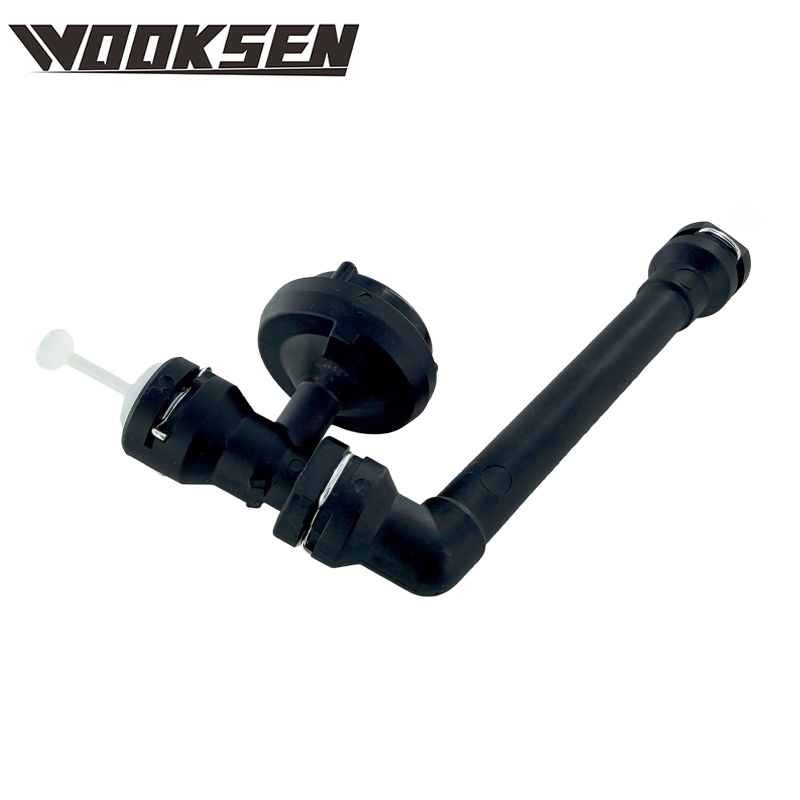
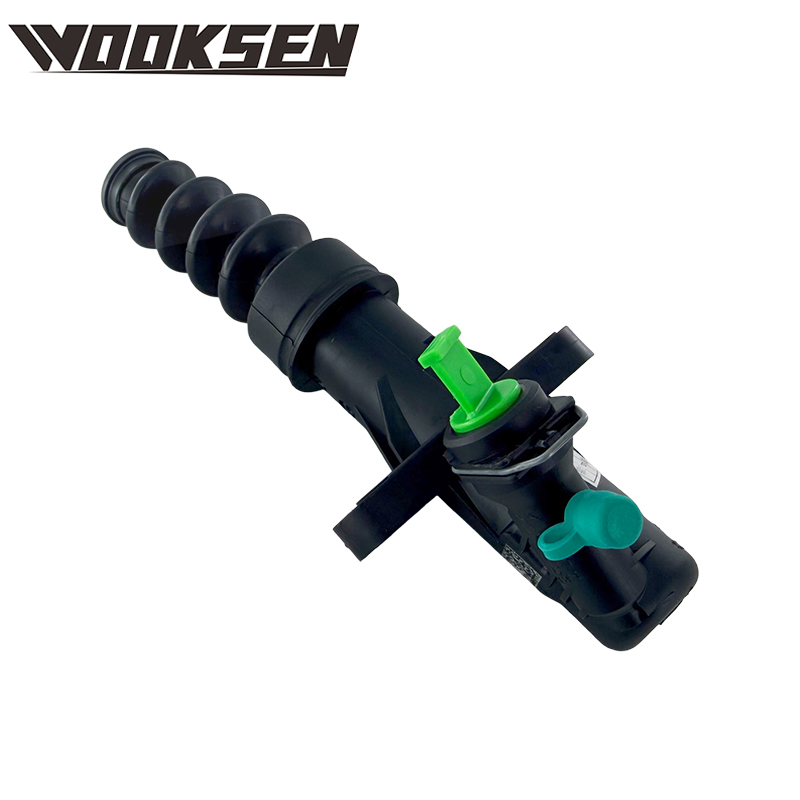
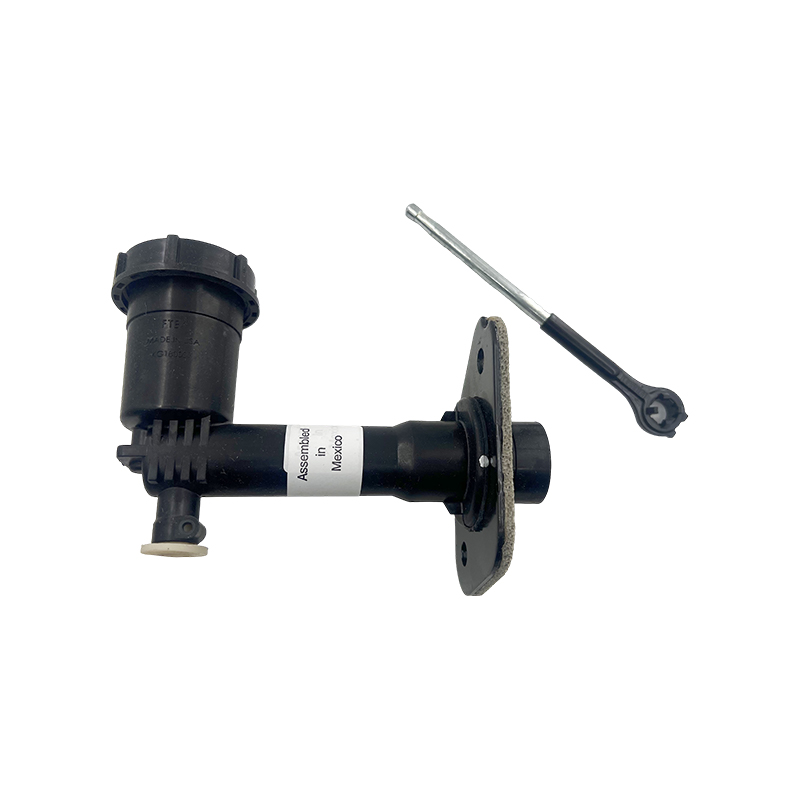
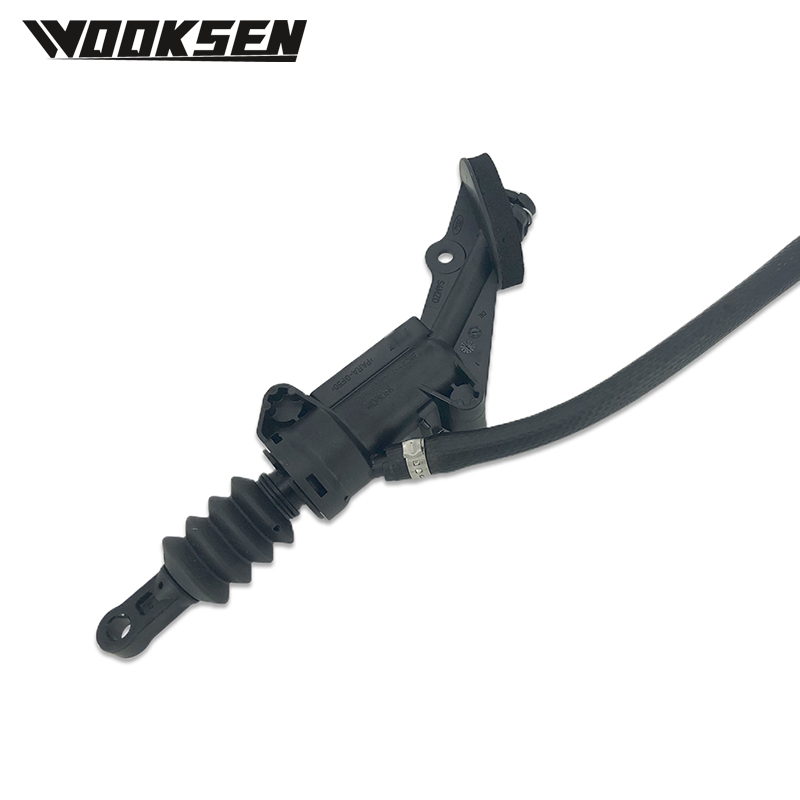
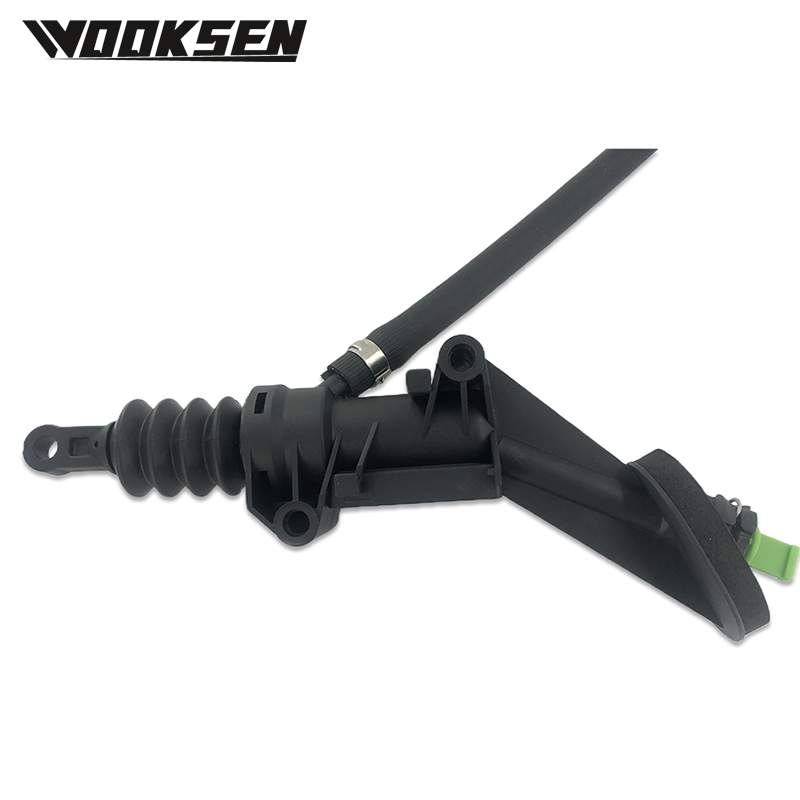
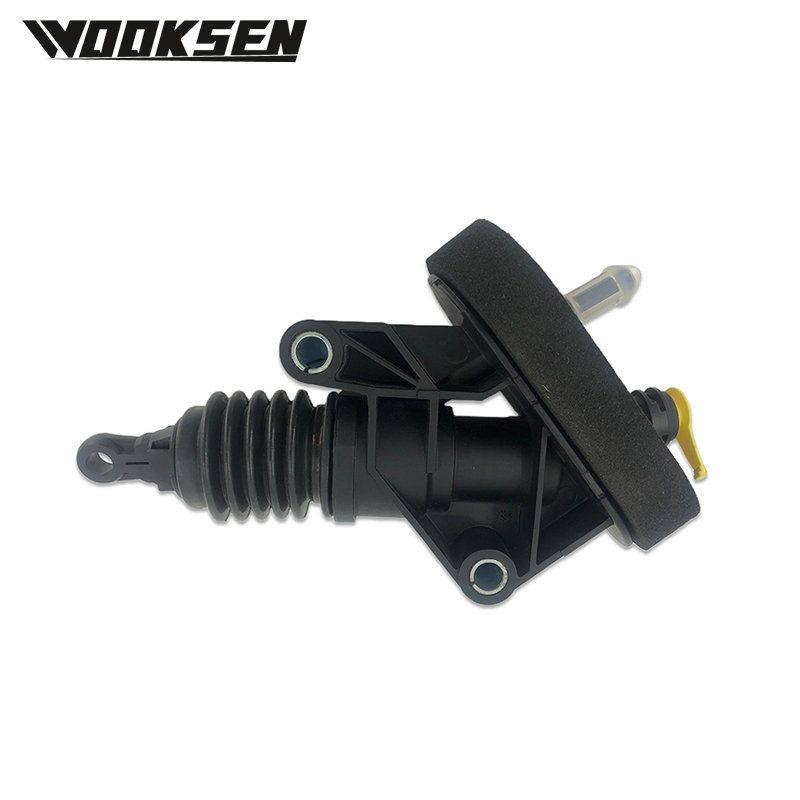
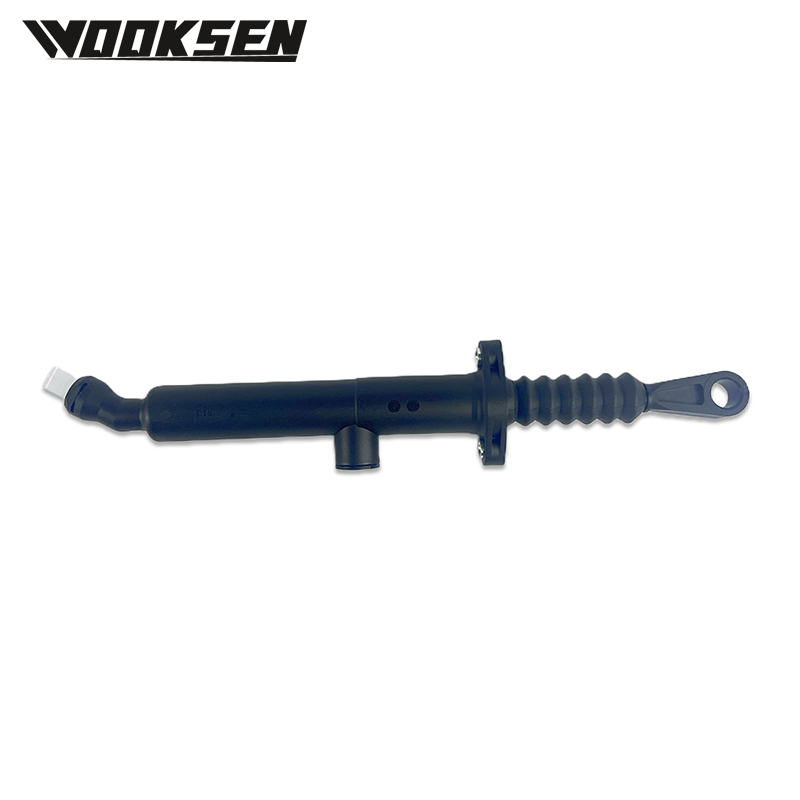
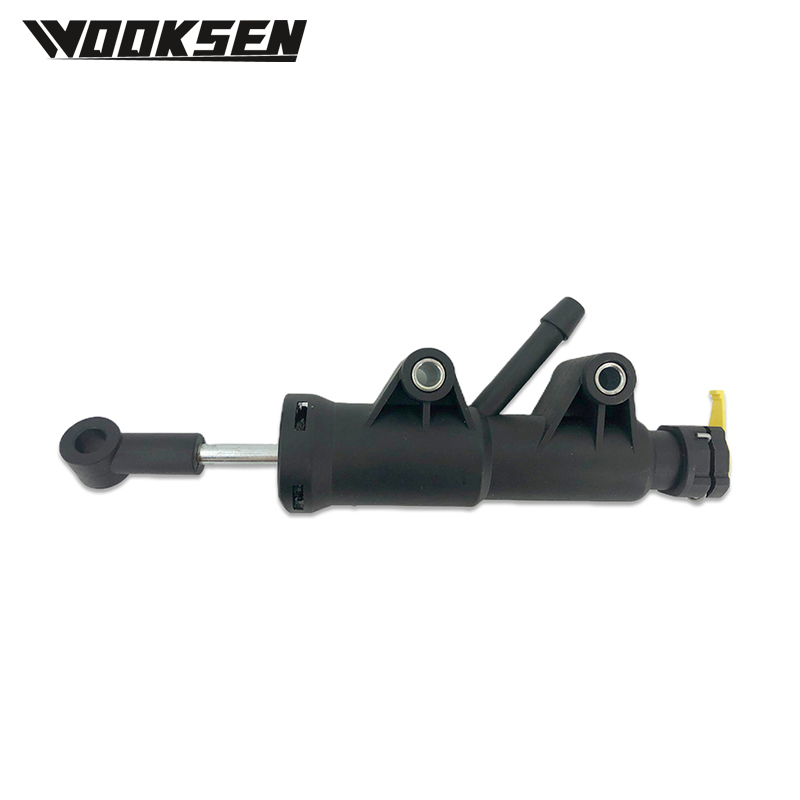
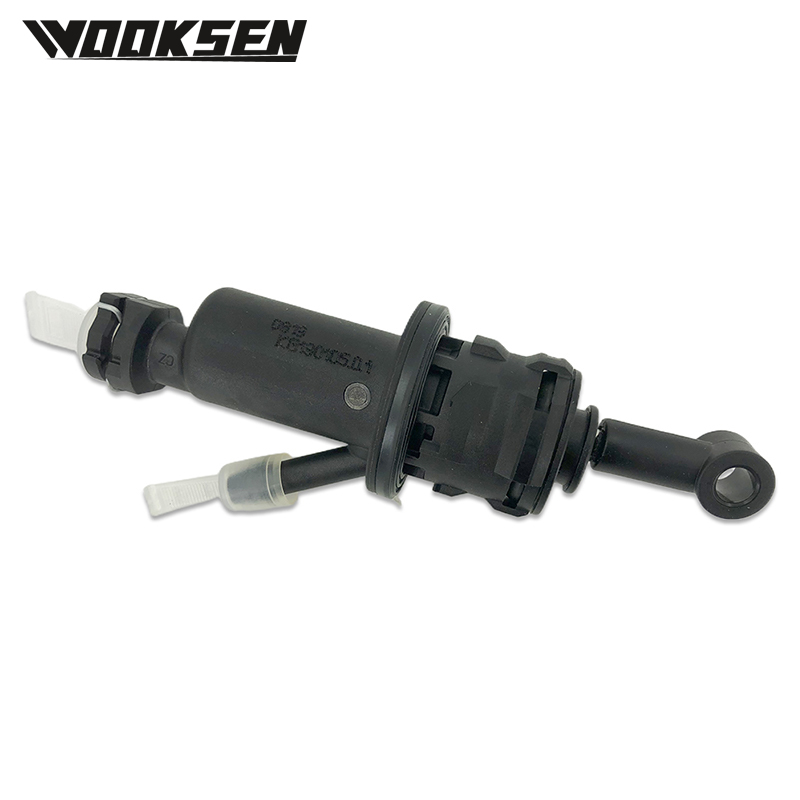
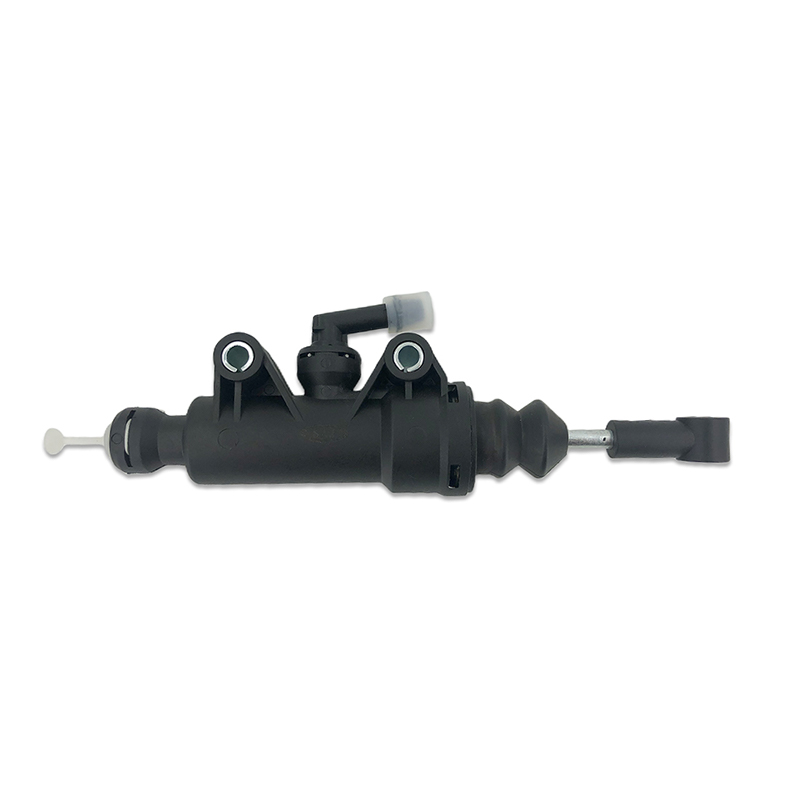
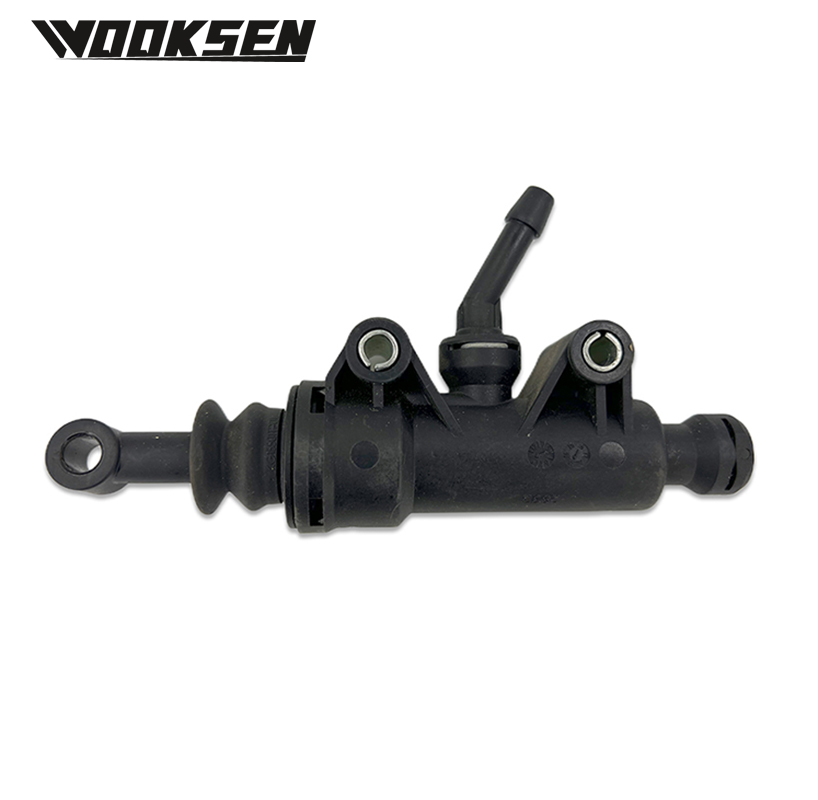
The clutch master cylinder itself does what all clutch master cylinders do: it sits at the pedal end of the clutch hydraulic circuit and pushes fluid toward the slave cylinder every time the driver presses the clutch. No fluid pressure, no clutch disengagement. No clutch disengagement, the truck doesn't move. It's a straightforward part with a straightforward job — and when it fails, the truck stops working. The coating just means it takes longer to get there.
This clutch master cylinder fits a specific and well-documented vehicle window: Ford F-150, F-250, F-350, and Bronco from 1993 through 1997 — a high-volume replacement market that shows no signs of drying up.
What This Part Actually Does — Five Functions Worth Knowing
Converts pedal force to hydraulic pressure. When the driver presses the clutch pedal, the pushrod compresses the piston inside the cylinder. That compression displaces fluid through the outlet port and down the hydraulic line to the clutch slave cylinder. The slave cylinder then disengages the clutch. The master cylinder is the starting point of that entire chain.
Maintains system pressure between pedal inputs. The cylinder holds the hydraulic circuit sealed when the pedal is at rest. If the internal seals degrade, fluid bypasses the piston and the pedal slowly sinks under sustained pressure — a common symptom on worn units. A properly functioning cylinder holds pressure cleanly.
Protects against external corrosion through the coating layer. The anti-corrosion coating on this unit acts as a barrier between the metal cylinder body and the environmental exposure it faces in the engine bay. This is particularly relevant in high-salt and high-humidity operating environments where uncoated steel begins pitting within a few seasonal cycles.
Provides direct-fit installation geometry. Bore diameter, pushrod length, reservoir port, and mounting flange all match the original Ford specifications for this application. No fabrication, no drilling, no adaptation required. The part goes in the same way the original came out.
Supports standard hydraulic fluid compatibility. The internal seals are formulated for compatibility with DOT 3 and DOT 4 brake fluid — the same specification used throughout this vehicle generation's hydraulic system. No fluid type changes required at installation.
OE Cross-Reference
This unit covers the following OE and aftermarket reference numbers: CM350032, F3TZ7A543A, 18M2193, 385-448, M0714, M0714E, 23-42014, M903219.
Eight cross-references across Ford OEM and major aftermarket catalog systems — Raybestos, Dorman, and equivalents. Catalog listings should index all eight to capture buyers searching across different sourcing databases.

 English
 русский
 Español
 عربى
عربى