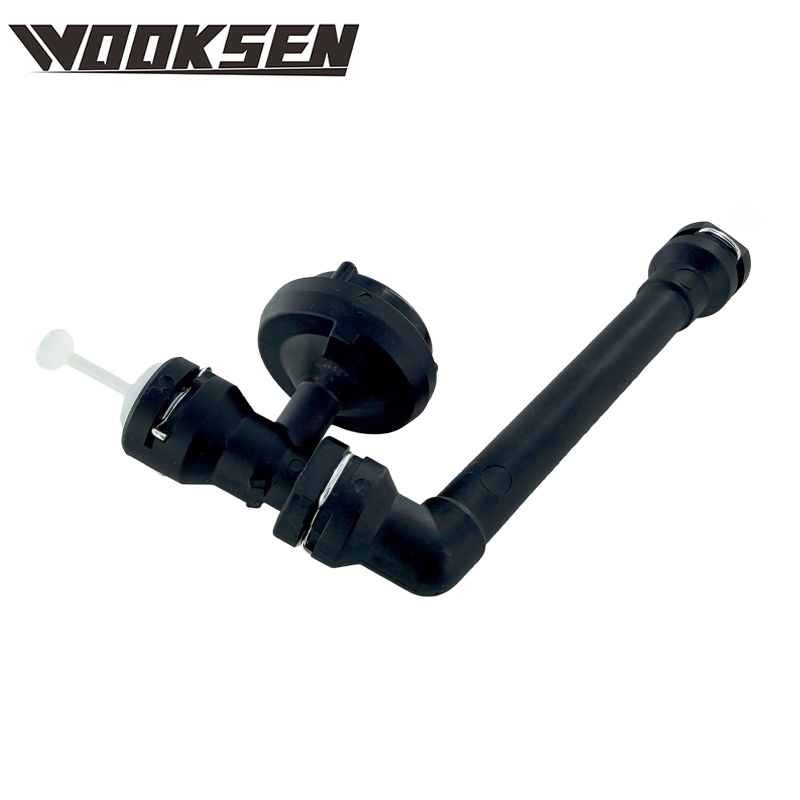
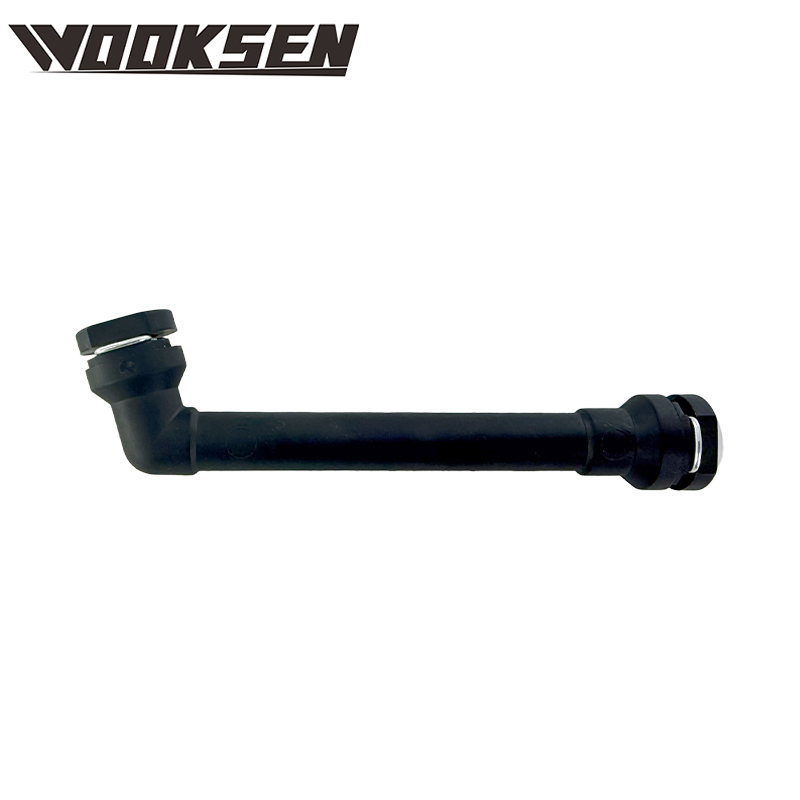
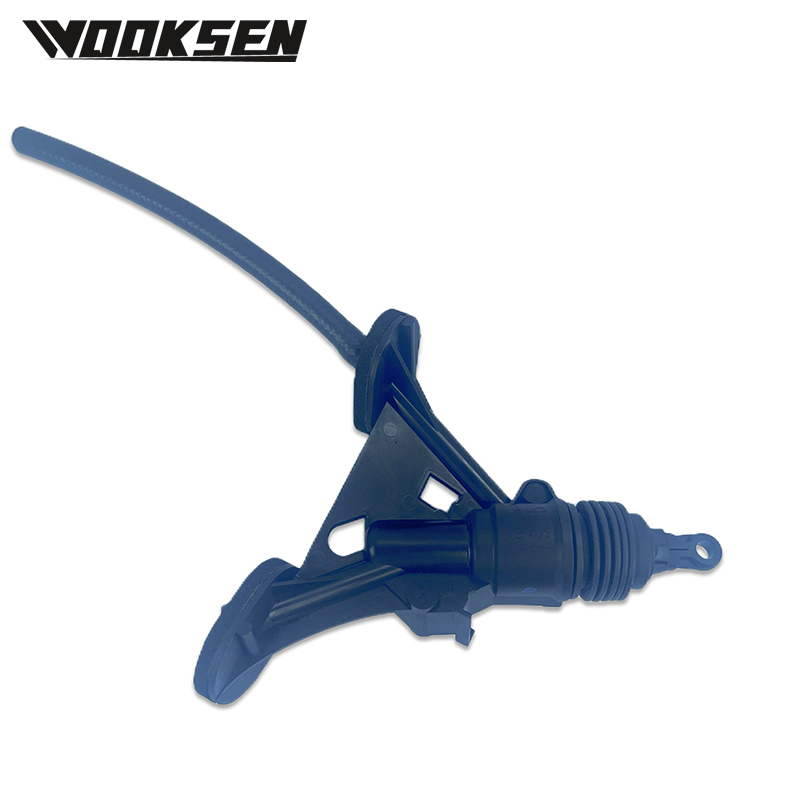
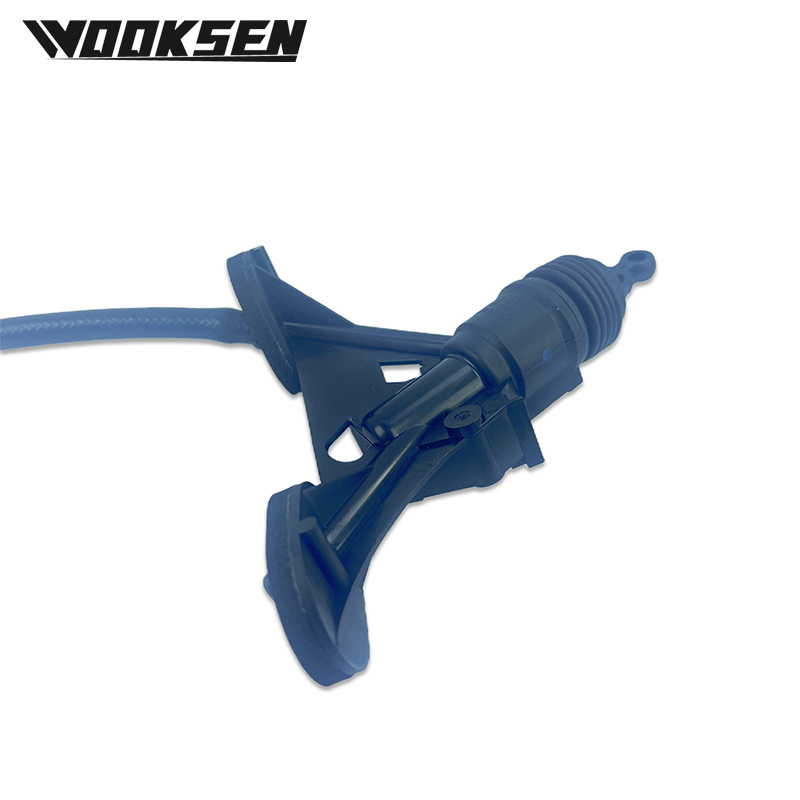
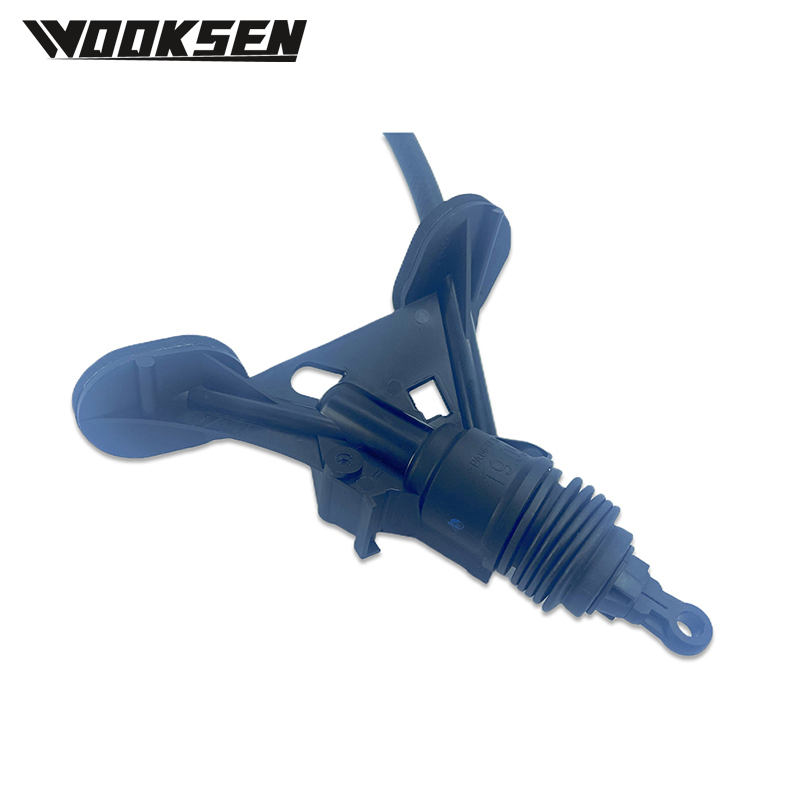
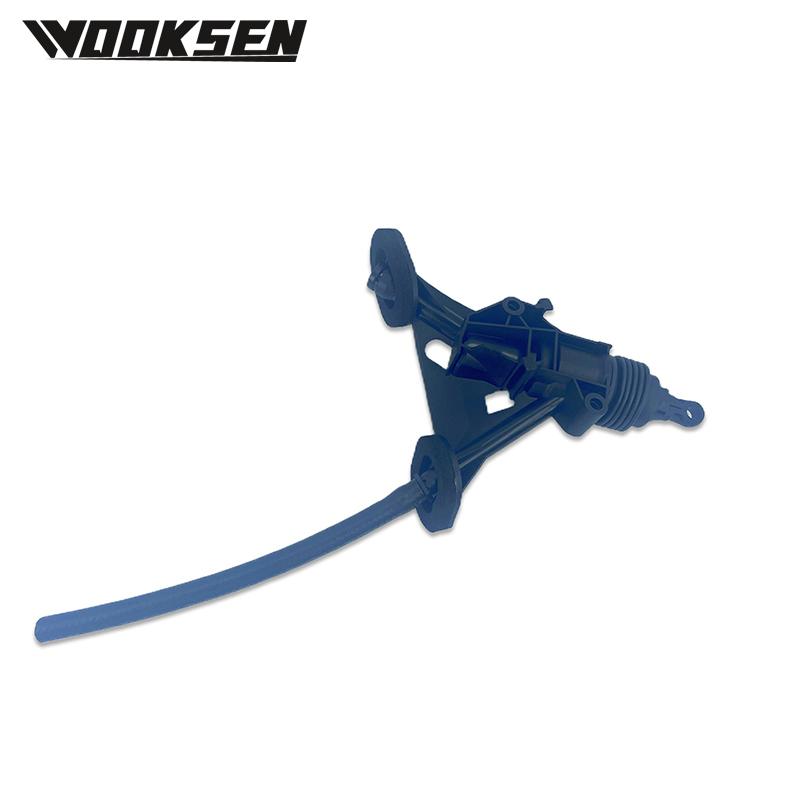
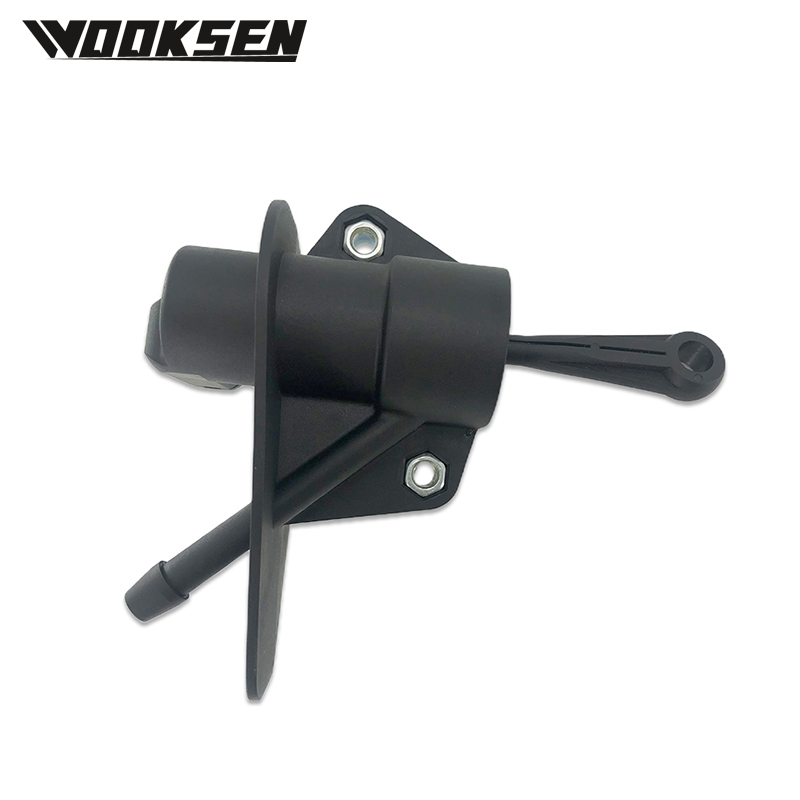
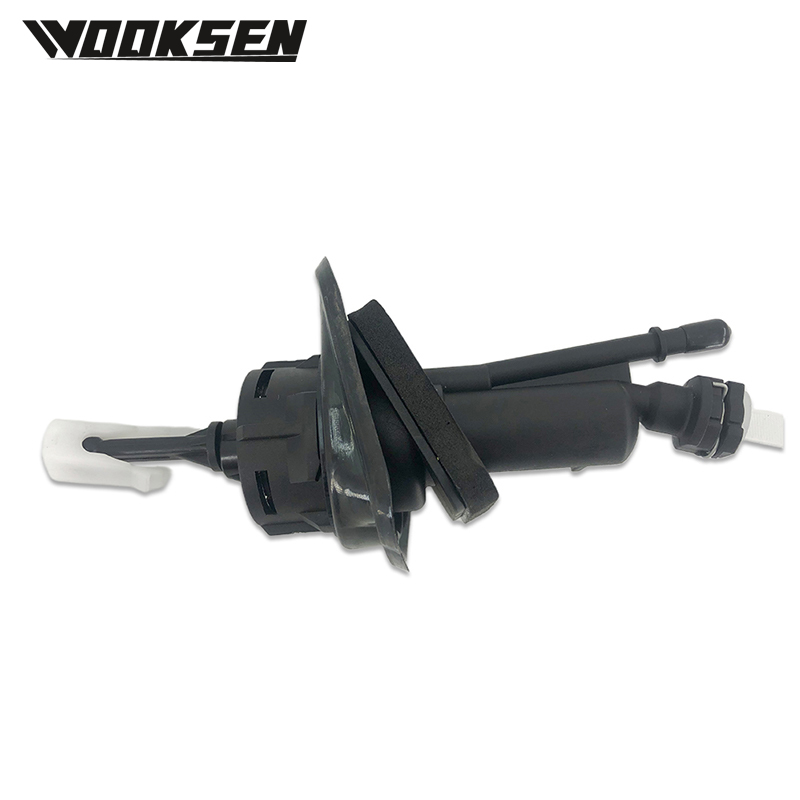
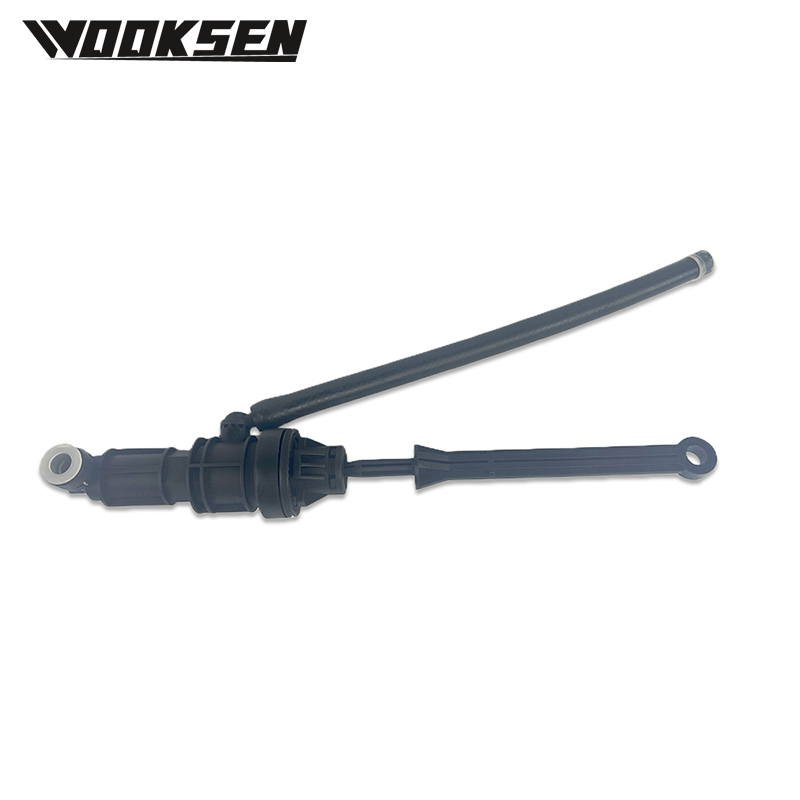
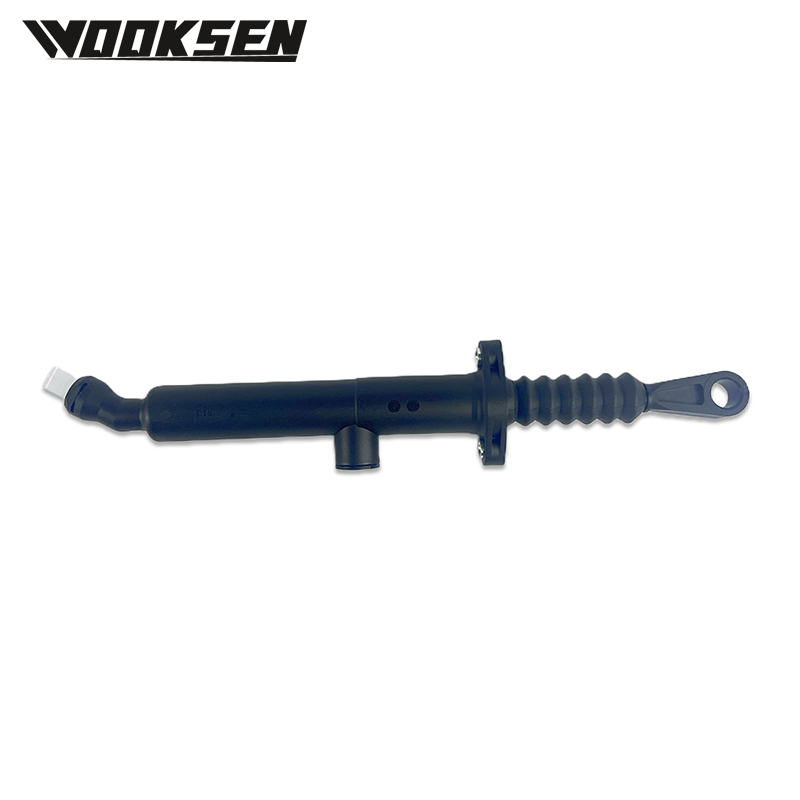
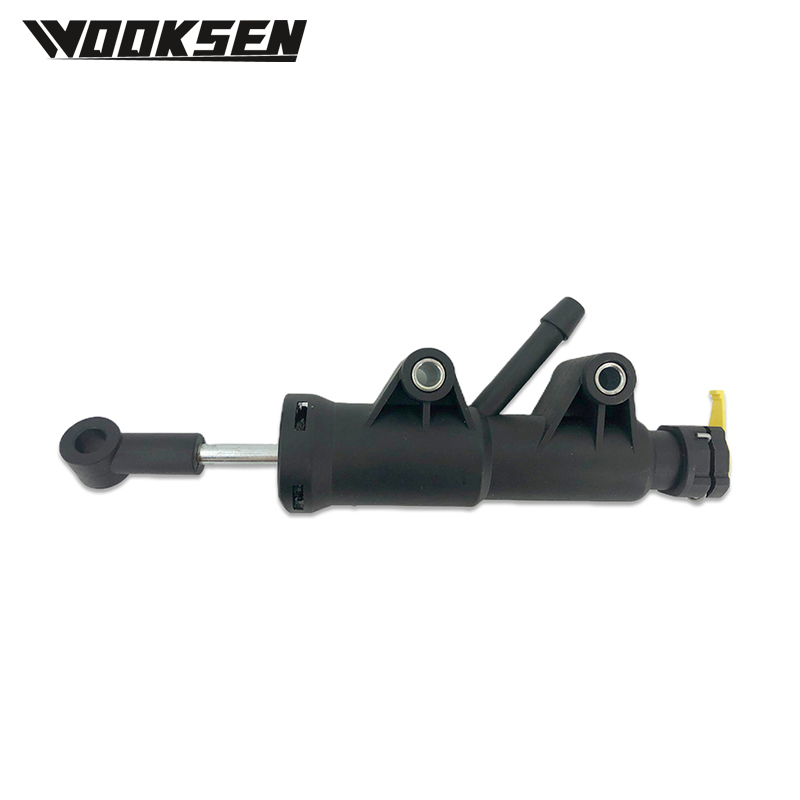
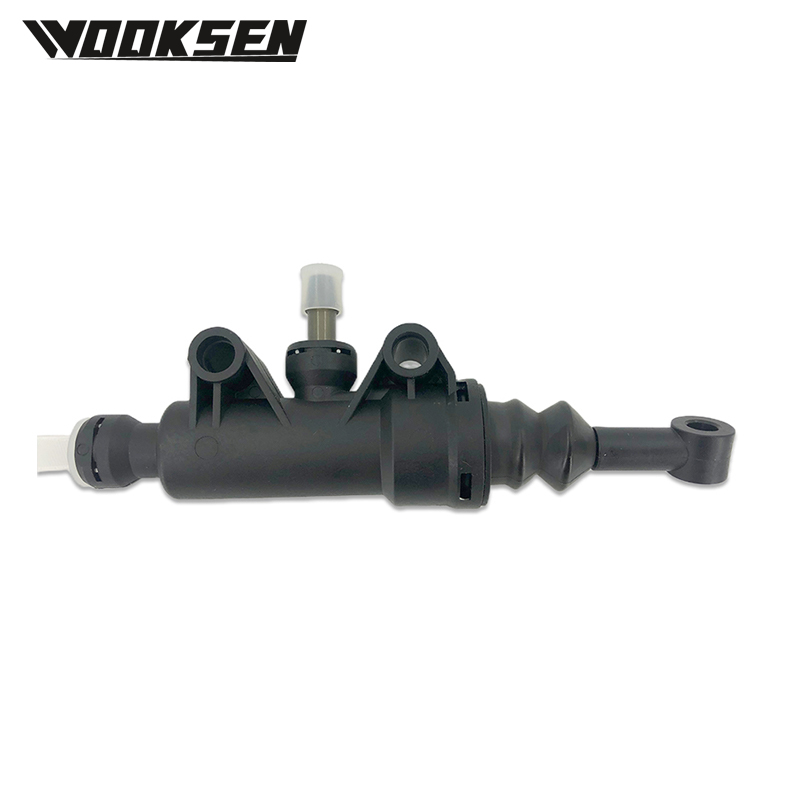
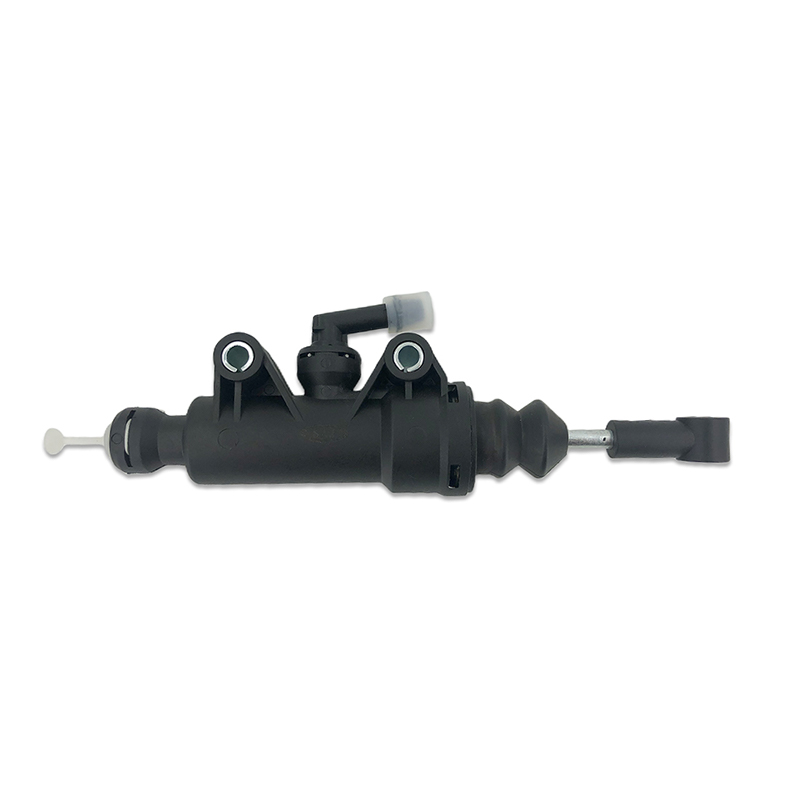
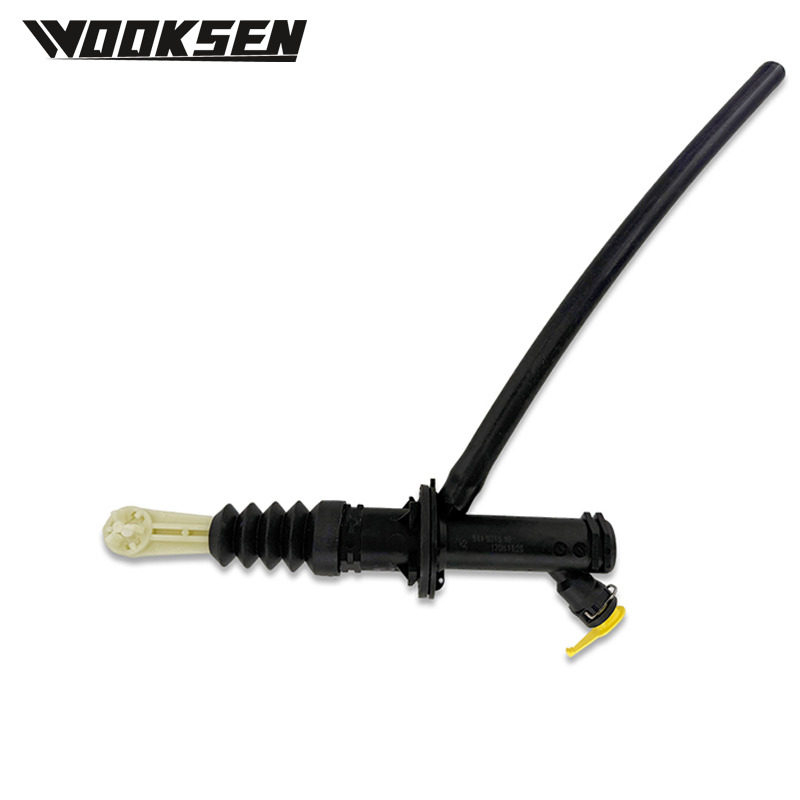
CM006
| No. |
OE Number |
| 1 |
1528691 |
| 2 |
6C11-7A543-AD |
| No. |
Vehicle Model |
| 1 |
Transit Mk6 Minibus (V347, V348) |
| 2 |
Transit Mk6 Van (V347, V348) |
| 3 |
Transit Mk6 Platform / Chassis (V347, V348) |
| 4 |
Transit Mk6 Tourneo |
Product Introduction
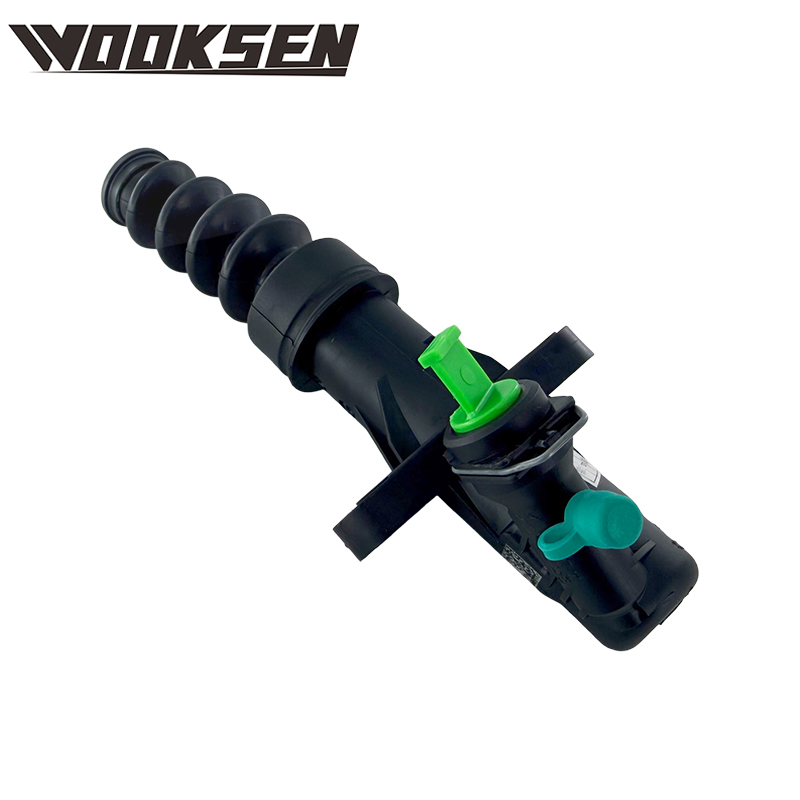
The dust protection on this unit refers to a protective boot or cover fitted around the push rod and the cylinder inlet area — the points where external contamination is most likely to enter. On a standard replacement cylinder, this area is open. Dust, grit, and moisture can work their way in around the push rod over time, contaminating the hydraulic fluid, accelerating internal seal wear, and eventually causing bypass that shows up as a sinking or unresponsive clutch pedal.
The dust protection component physically seals off this entry point. It is not a complex addition, but it is a meaningful one in the context of how Transit Mk6 vehicles are actually operated. A vehicle covering 150,000 to 300,000 kilometres in commercial service — which is entirely normal for a Transit — will operate its clutch tens of thousands of times in conditions that a passenger car rarely encounters. The difference in environment justifies the difference in specification.
For trade buyers and distributors, this detail matters for two reasons. First, it gives you a concrete technical point to communicate to workshop customers and fleet parts buyers — this is not a generic Transit clutch cylinder, it has a specific feature suited to commercial use. Second, it reduces the probability of early returns driven by contamination-related failure, which is the most common reason a workshop-fitted clutch cylinder comes back before its expected service life.
Customer Pain Points This Solves
Fleet operators and commercial vehicle workshops deal with a specific version of clutch master cylinder failure that passenger car workshops see less often: contamination-driven seal degradation. In environments where vehicles are operated on unpaved routes, in and out of depots with compacted dirt floors, or on construction and agricultural sites, the area around the clutch pedal accumulates grit continuously. On a standard replacement cylinder, that grit reaches the push rod entry point and works its way inward over time.
The result is internal seal scoring — fine particles abrade the piston cup and bore surface, creating microscopic channels that allow hydraulic fluid to bypass the piston. The symptom presents as a clutch that gradually becomes harder to operate or fails to disengage cleanly. The workshop fits a replacement, and if that replacement has the same unprotected specification, the same failure mode recurs on the same timeline.
For distributors supplying into commercial vehicle markets in the Middle East, North Africa, or Eastern Europe — where road conditions and operating environments are more demanding than Western European norms — a dust-protected unit is a direct answer to a recurring complaint. It reduces the return cycle, reduces the warranty conversation, and gives workshop customers a reason to stay with the supplying brand rather than shopping around after a repeat failure.

 English
 русский
 Español
 عربى
عربى