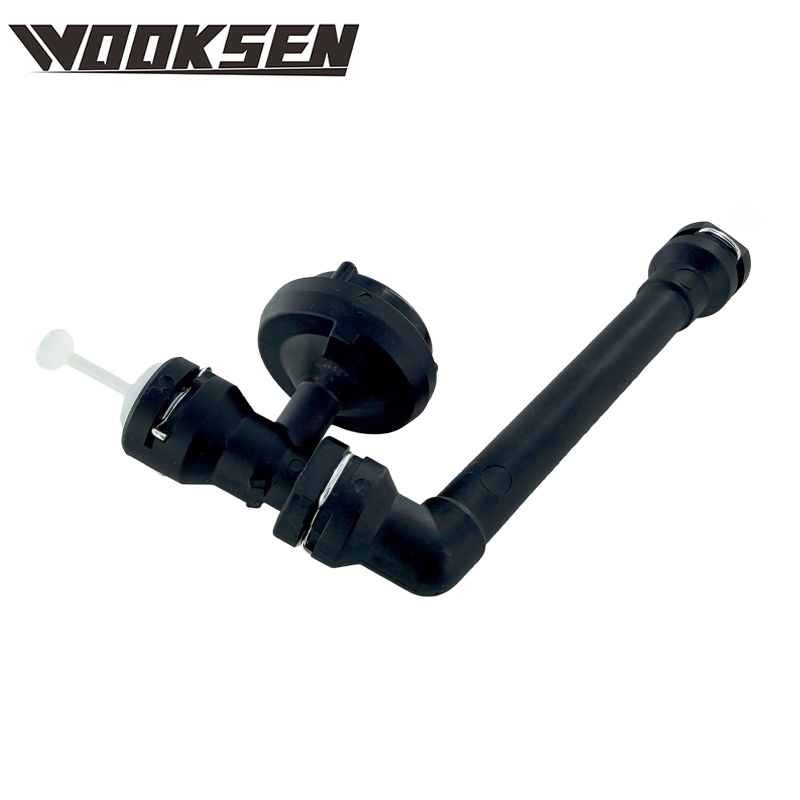
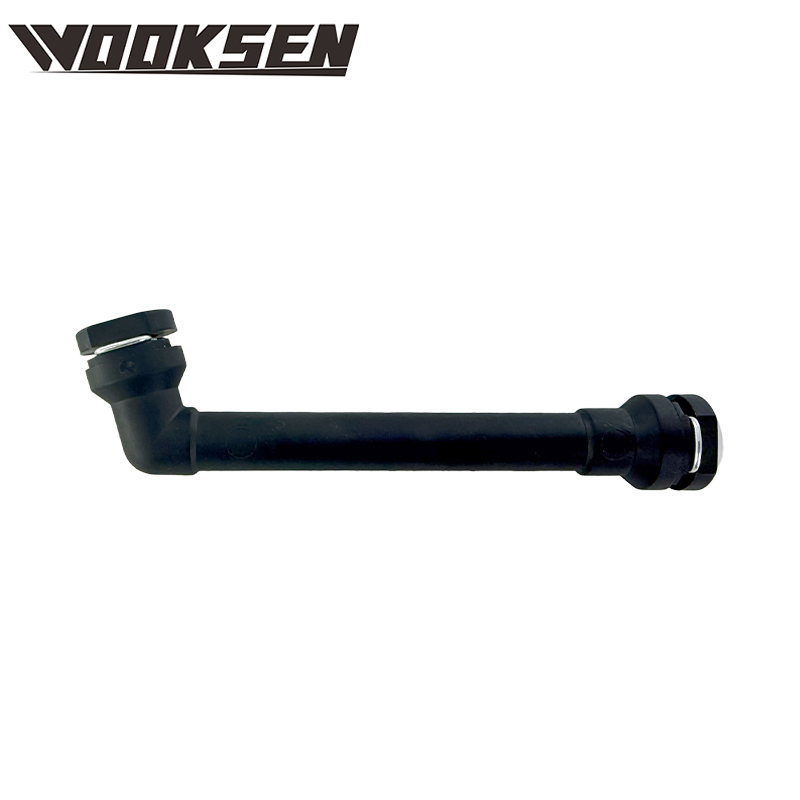
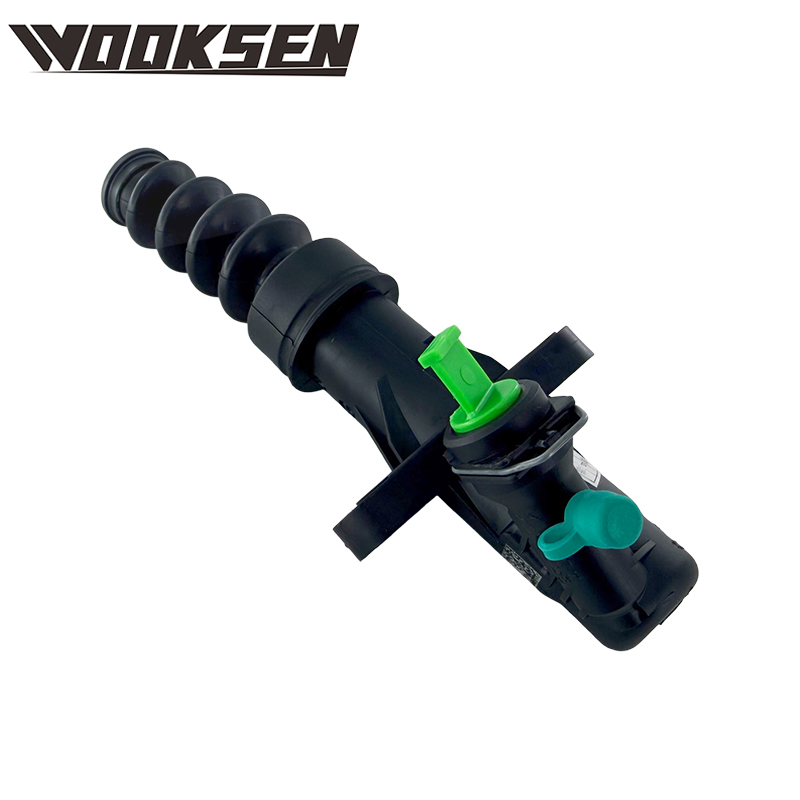
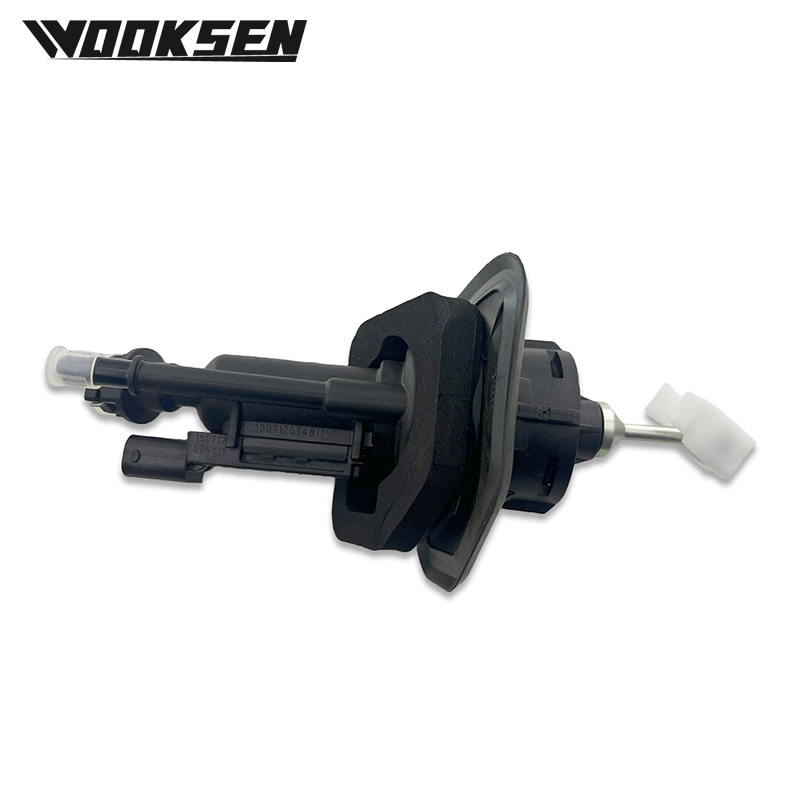
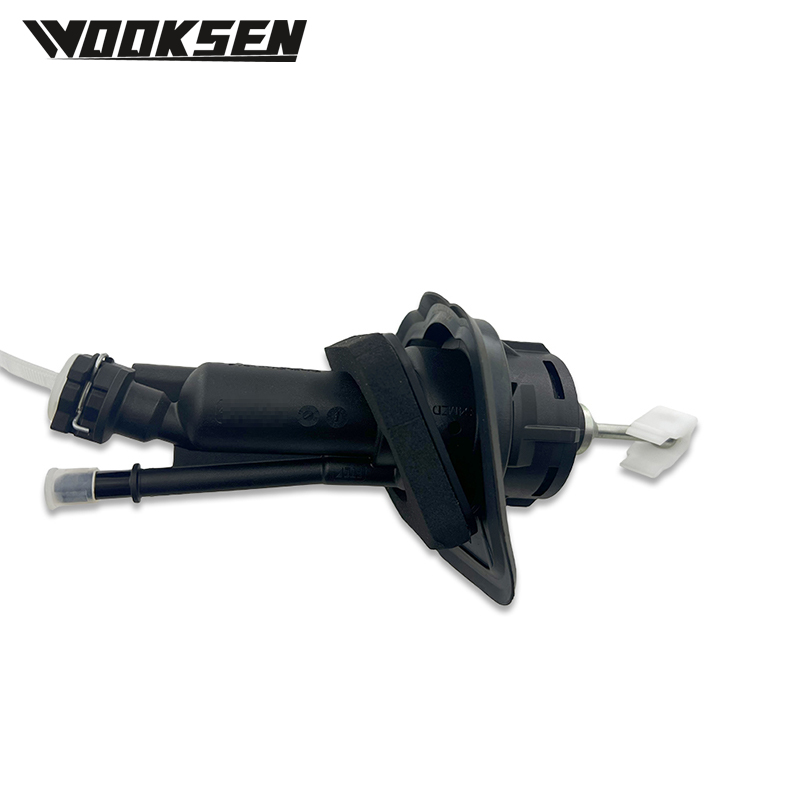
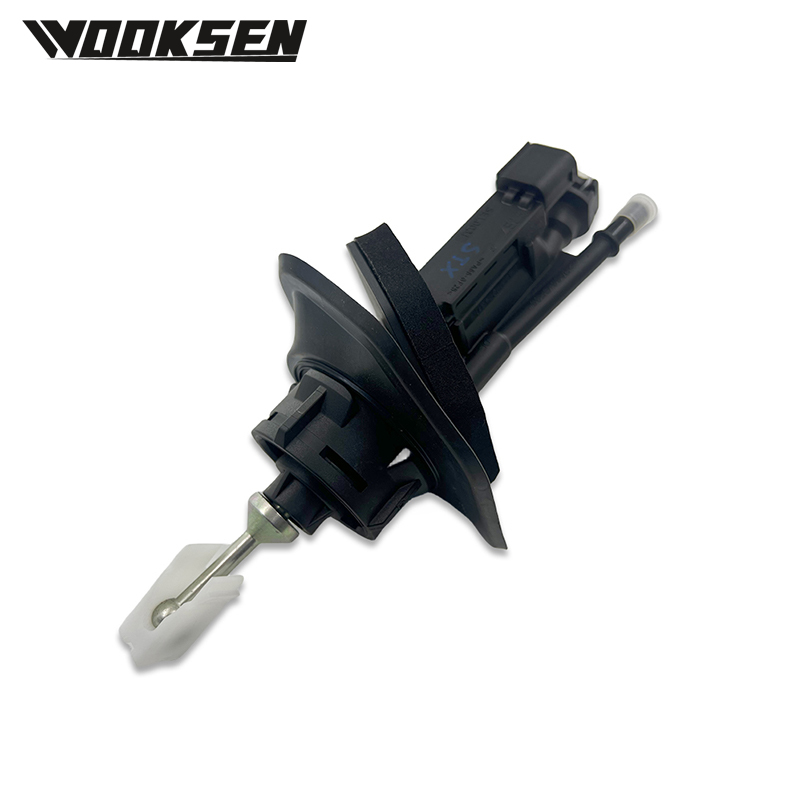
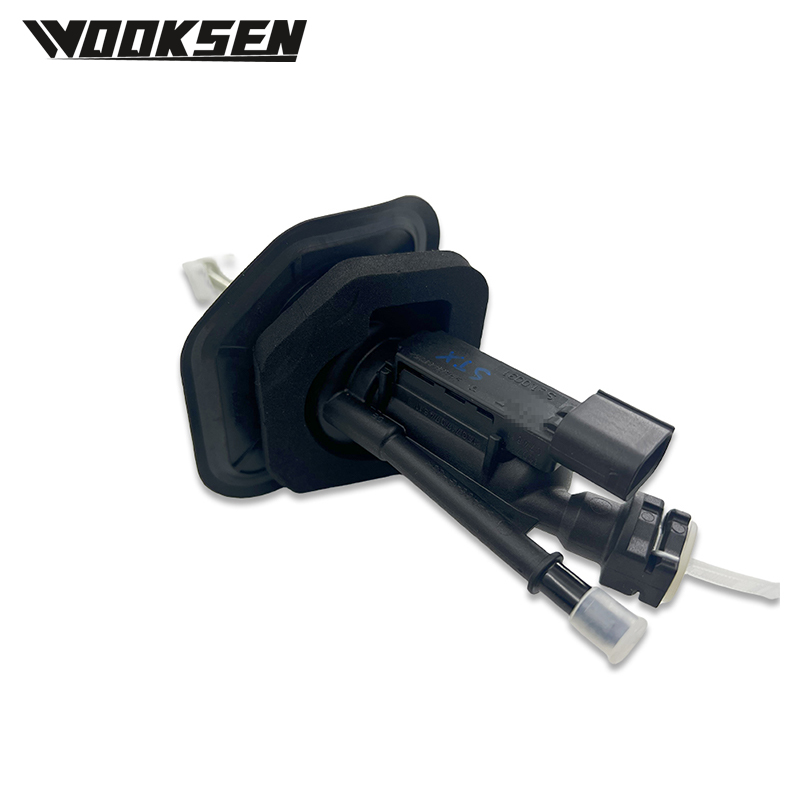
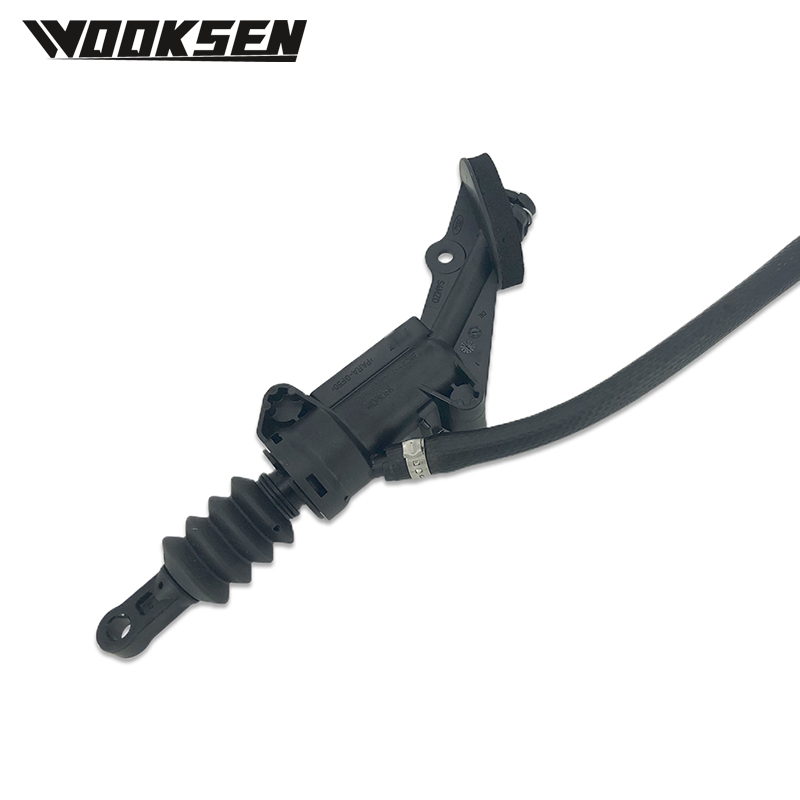
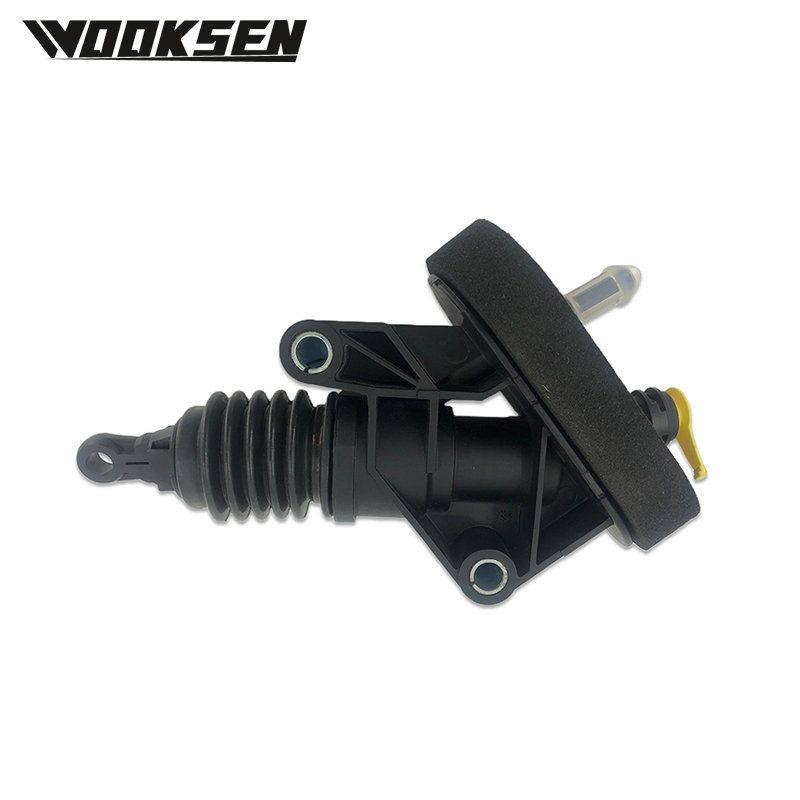
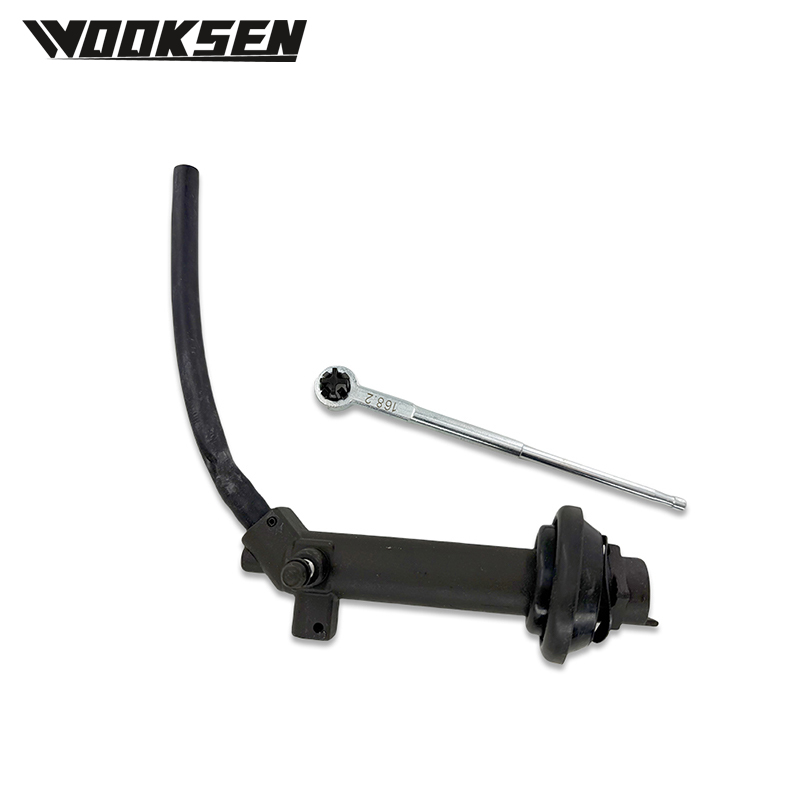
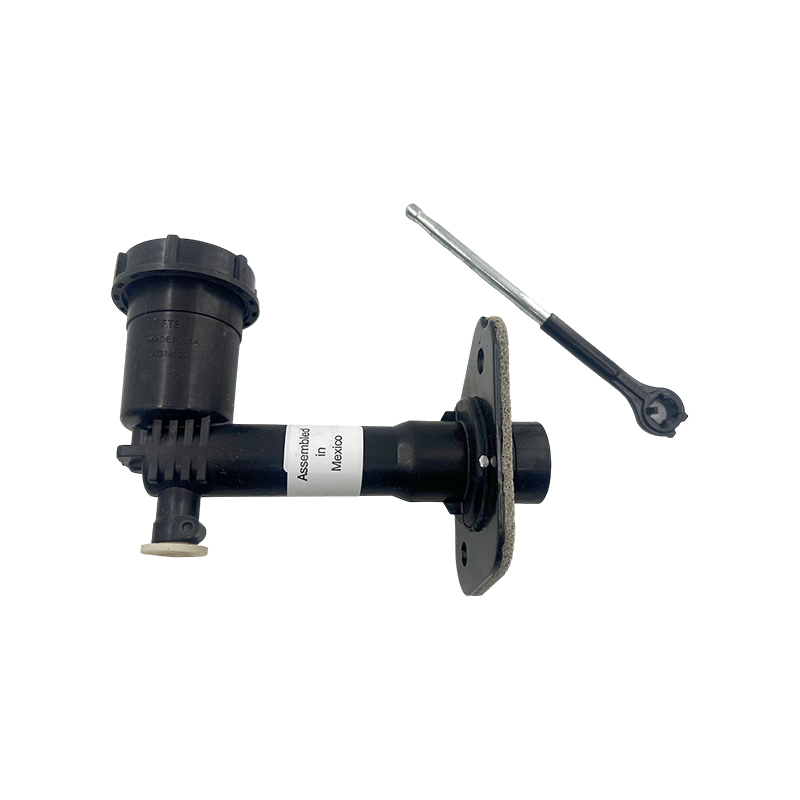
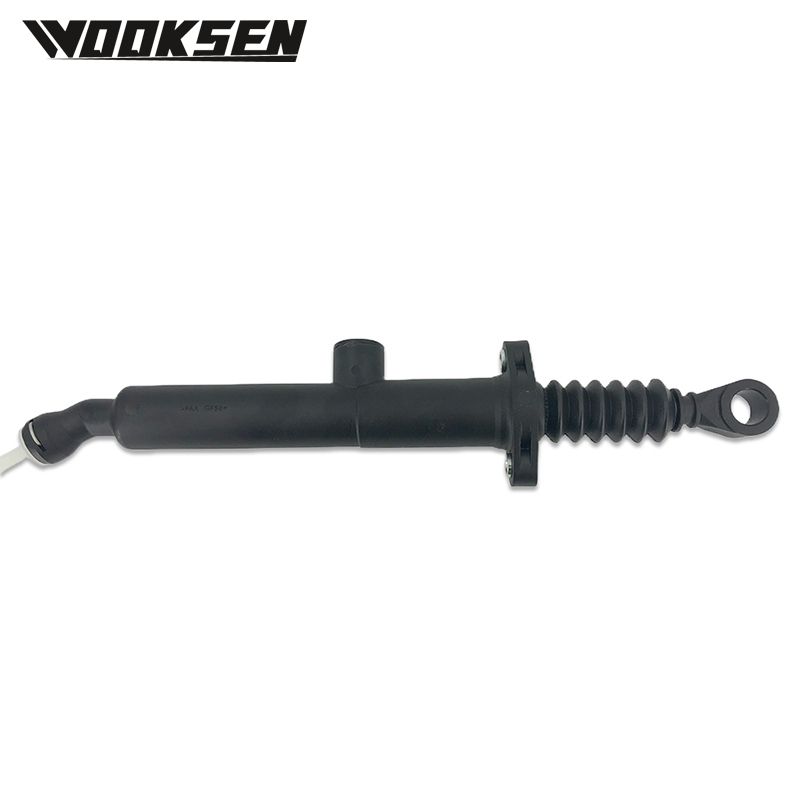
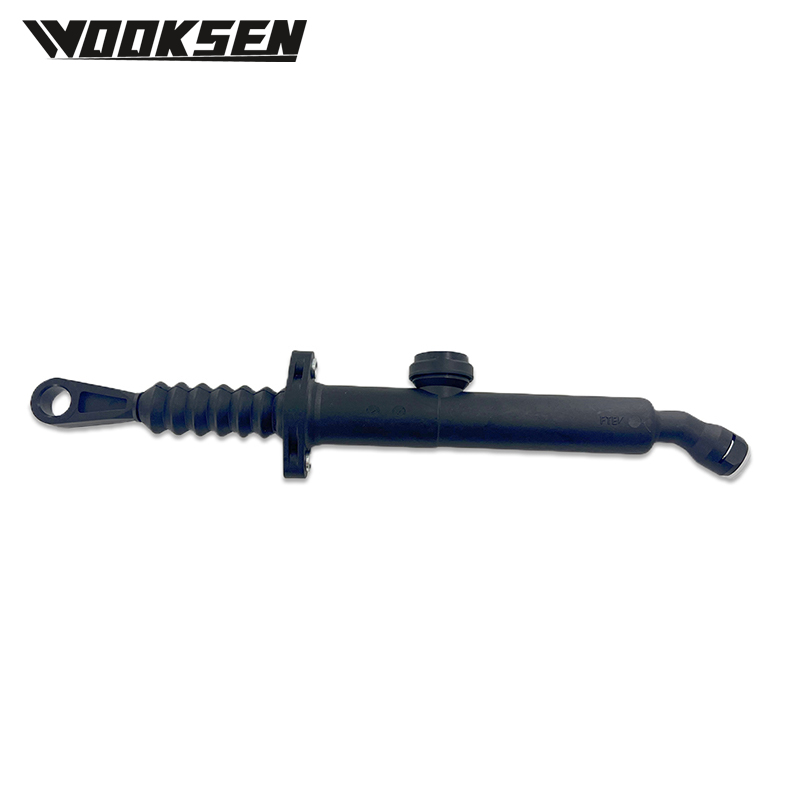
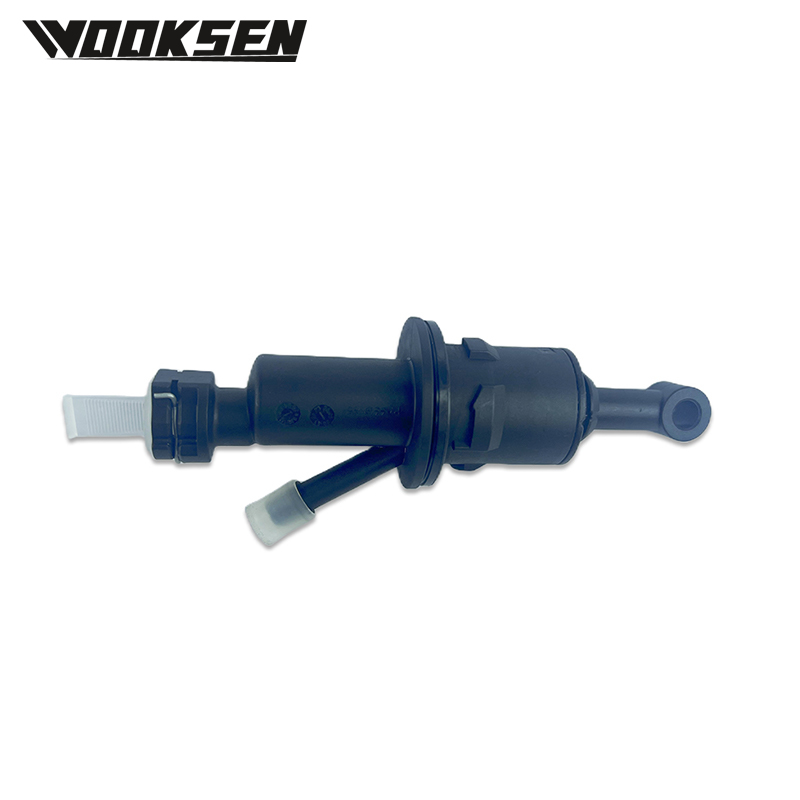
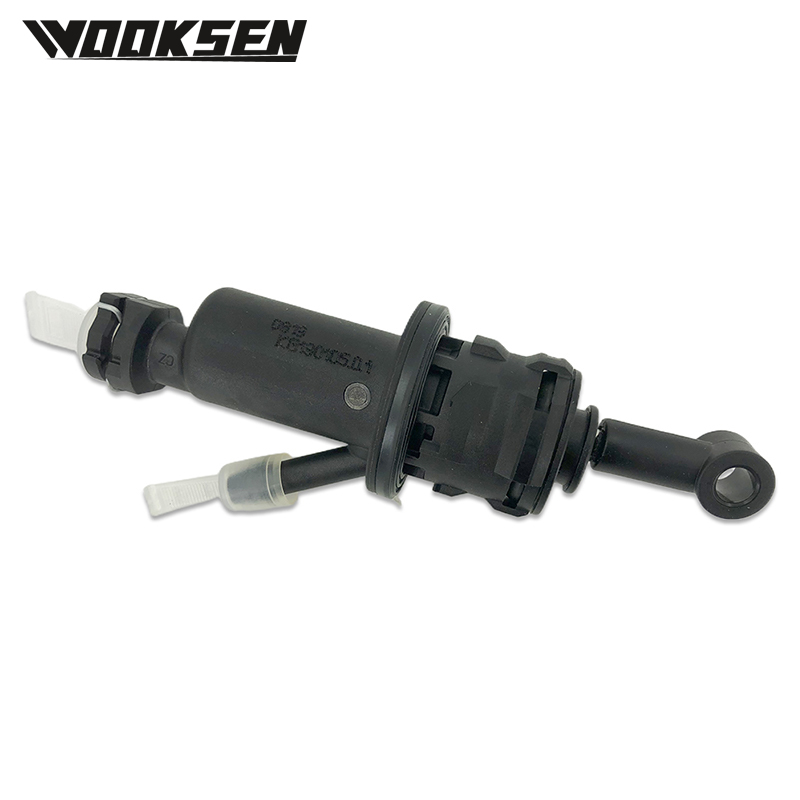
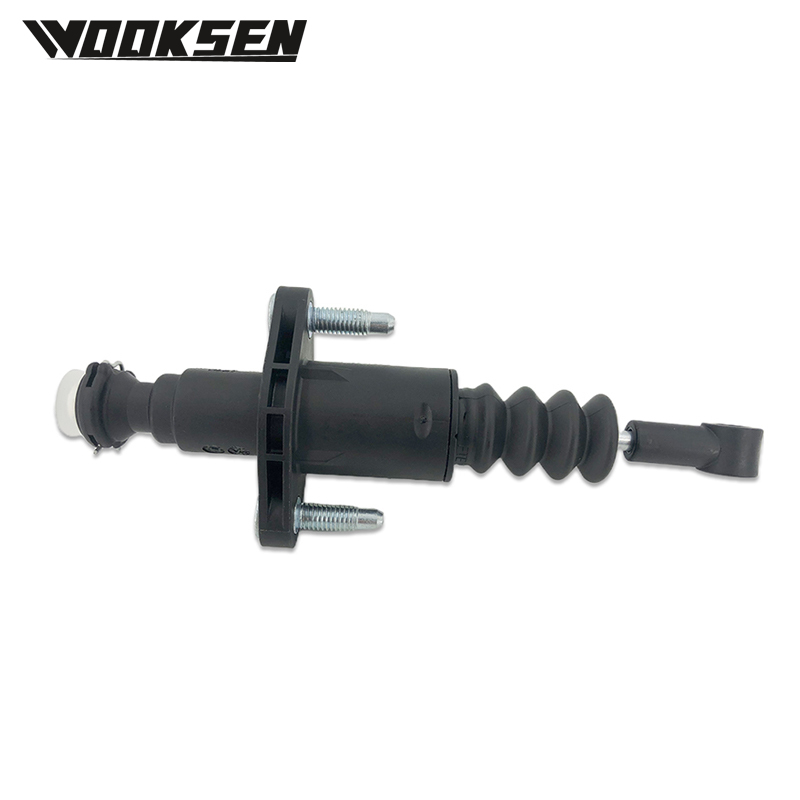
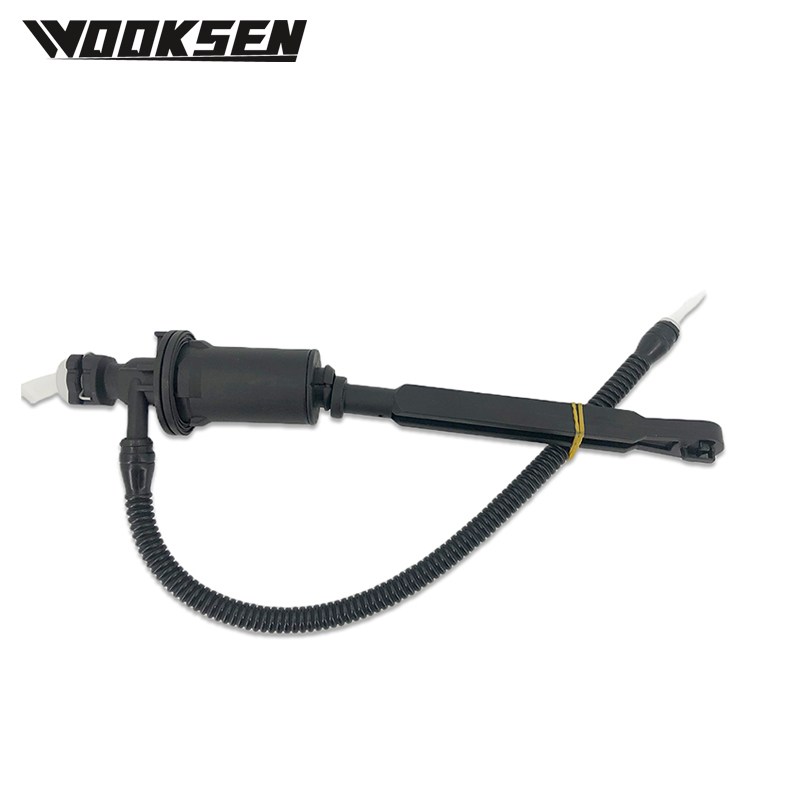
CM188
OE Reference Numbers
This unit cross-references against the following OE numbers:
| OE Number |
Cross Reference Number |
| 1838941 |
BV617A542AB |
| 3136740 |
43M517A542AG |
| 1719008 |
BCM41400A |
| 1366871 |
BCM441400A |
| 1547414 |
BCM441400 |
| 1478573 |
BV617A542AA |
| 1386631 |
BCM441400B |
| 9480486 |
3M517A542AD |
| 3125946 |
43M517A542AE |
| 3078789 |
23M517A542AF |
| 3073589 |
23M517A542AC |
| 3068142 |
43M517A542AH |
| 3132538 |
— |
Why does this matter to buyers and their customers?
Because every connection point in a hydraulic system is a potential leak point. The conventional separate-reservoir setup relies on a hose connection and clamp between the reservoir and cylinder inlet — a joint that can weep fluid after years of heat cycling and vibration, often slowly enough that the driver doesn't notice until the fluid level has dropped enough to affect pedal feel. The integrated design eliminates that joint entirely.
For workshops, this translates to a cleaner installation with fewer components to handle and no separate reservoir alignment to worry about. For end users, it means one fewer potential failure point in the hydraulic circuit.
From a sourcing perspective, the integrated design also means the replacement part needs to match the OE assembly specification exactly — you cannot substitute a standard cylinder body and attach a separate reservoir on a platform that was engineered for the integrated unit. Getting the spec right at the procurement stage matters, and it is the first thing buyers should verify when sourcing for this application.
This unit fits a broad cross-platform range covering multiple generations of compact car and MPV platforms that shared common hydraulic clutch architecture. With 14 OE reference numbers attached to this part, it indexes across most major catalog systems and covers a vehicle population that spans roughly a decade of production.
Application
This unit fits a wider range of vehicles than the part number alone suggests, and the cross-platform coverage reflects shared engineering between Ford and Mazda during their joint development period.
On the Ford side, the Focus Mk2 Hatchback (DA_, HCP, DP platform) is included — specifically the manual transmission variants produced during the mid-to-late 2000s. The Kuga Mk1 off-road variant also uses this specification, as does the Kuga Mk2 (DM2 platform), which extends fitment well into the 2010s.
The C-Max II and Grand C-Max, both on the DXA/CB7 and DXA/CEU platforms, are covered — these are the larger MPV variants that share the same hydraulic clutch architecture despite their different body size and use case. Coverage across both the standard and Grand wheelbase versions means this SKU handles the full C-Max II family.
Focus Mk3 coverage is comprehensive: hatchback, saloon, and estate all on the DYB platform, plus the Focus Mk3 box body hatchback variant. The Mk3 Focus ran from 2011 through to the late 2010s, meaning the youngest vehicles in this fitment range are now entering the age bracket where hydraulic clutch components begin to require replacement.
On the Mazda side, the Mazda 3 Hatchback and Saloon (BL generation) and the Mazda 5 (CW platform) are included — again reflecting the shared platform architecture from the Ford-Mazda cooperation period. Distributors supplying both Ford and Mazda workshop customers can stock a single SKU and cover both marques, which simplifies inventory management considerably.

 English
 русский
 Español
 عربى
عربى