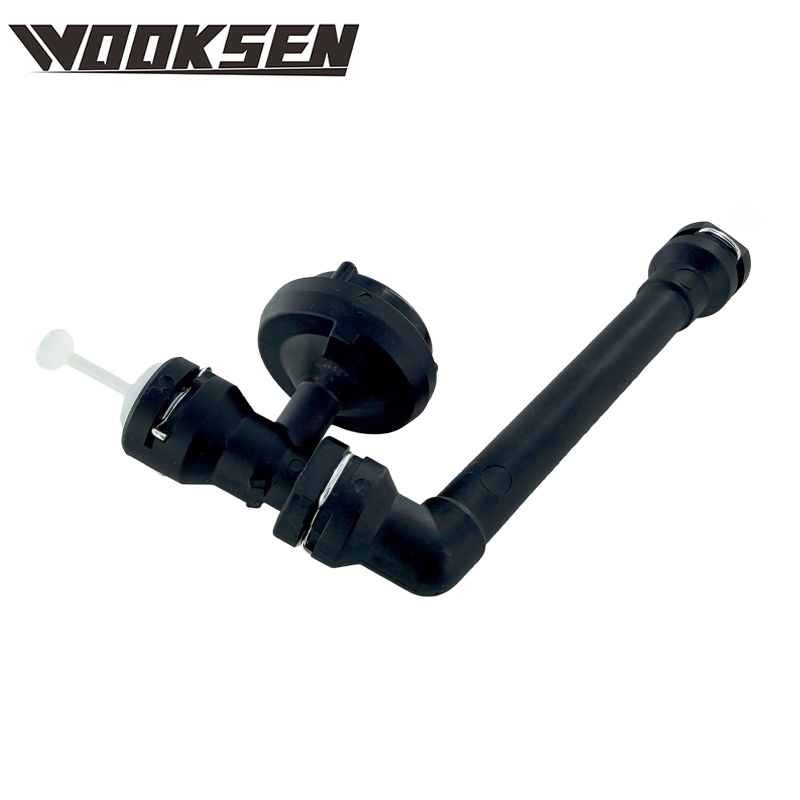
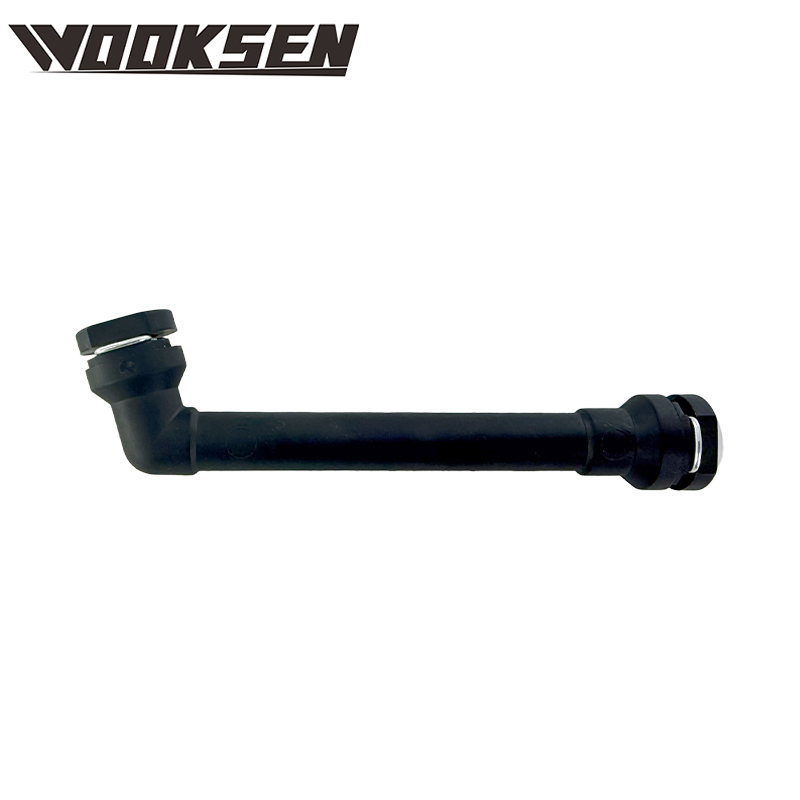
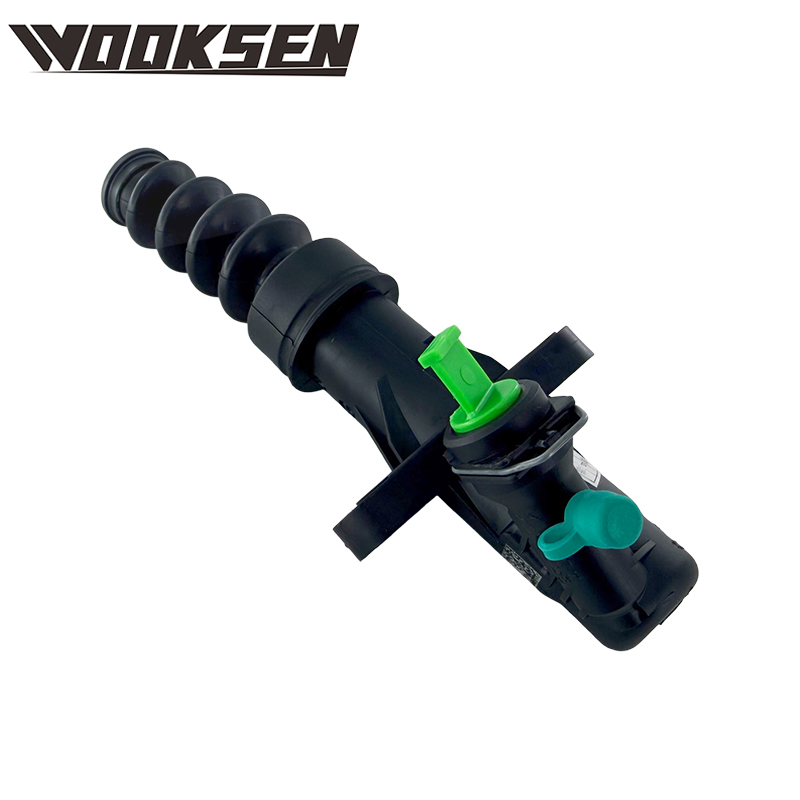
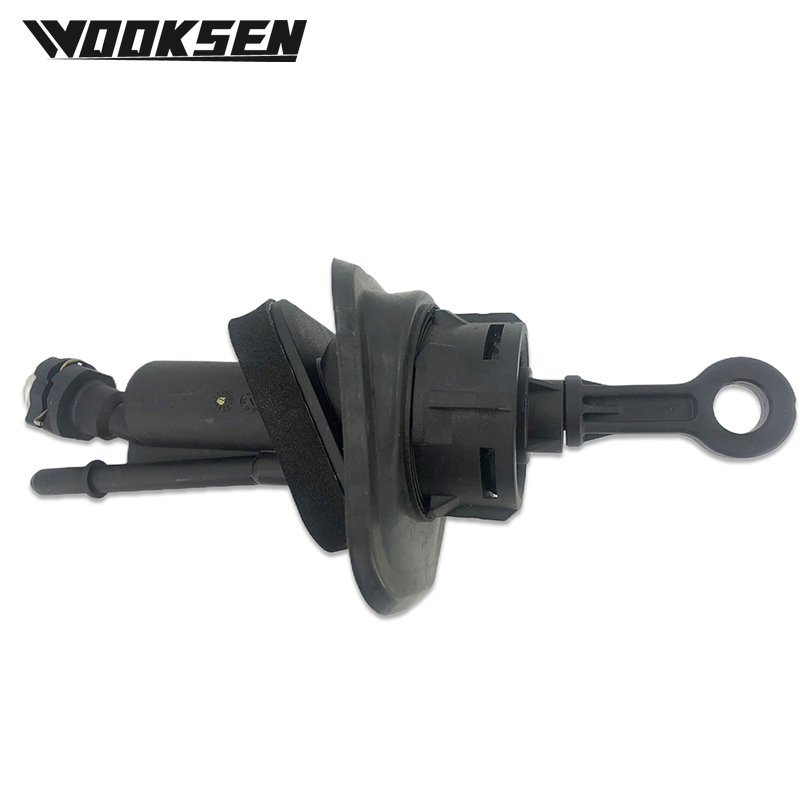
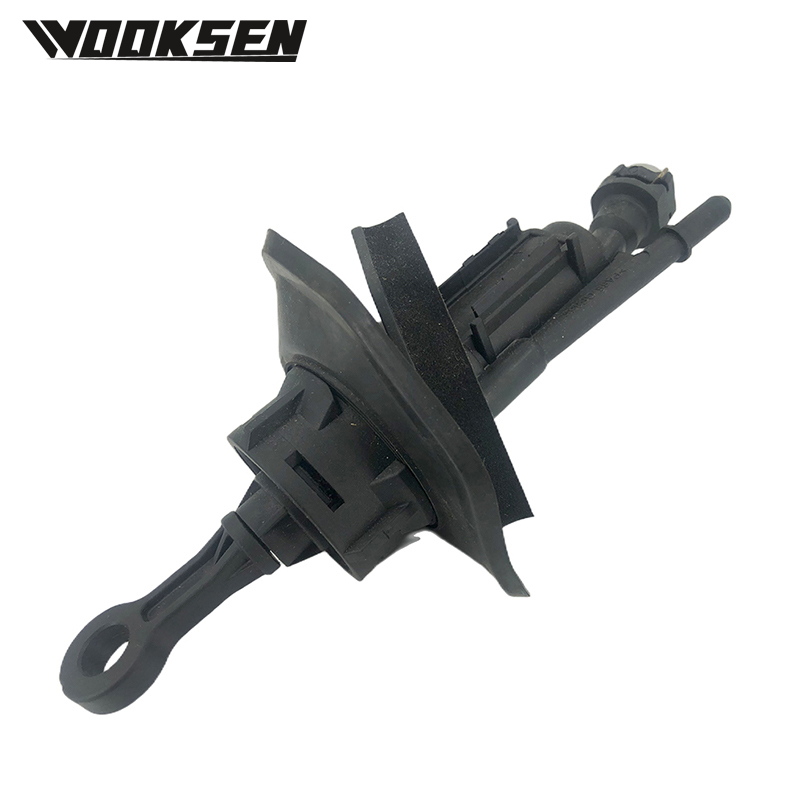
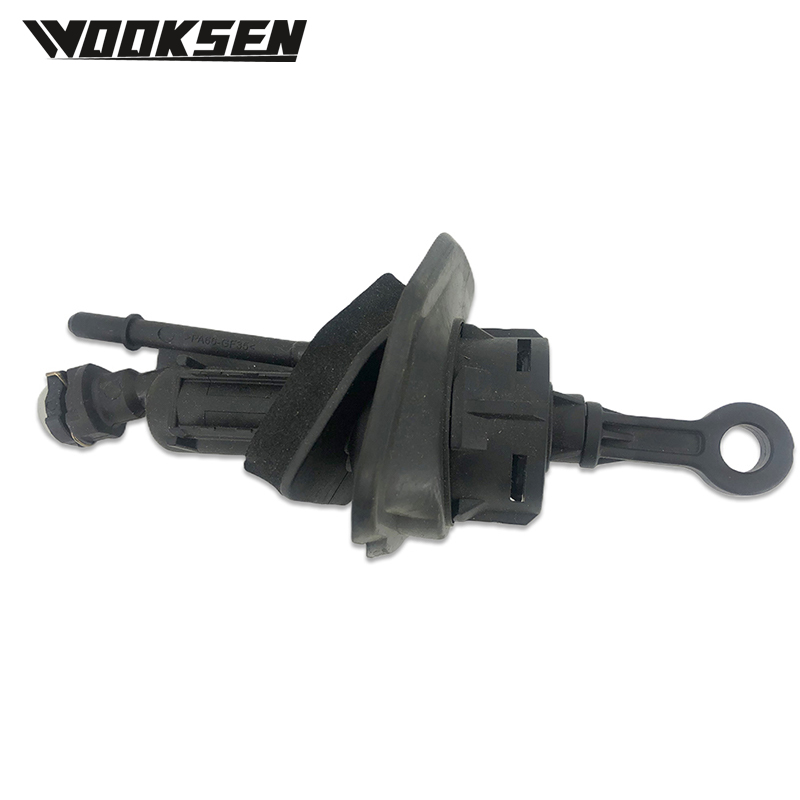
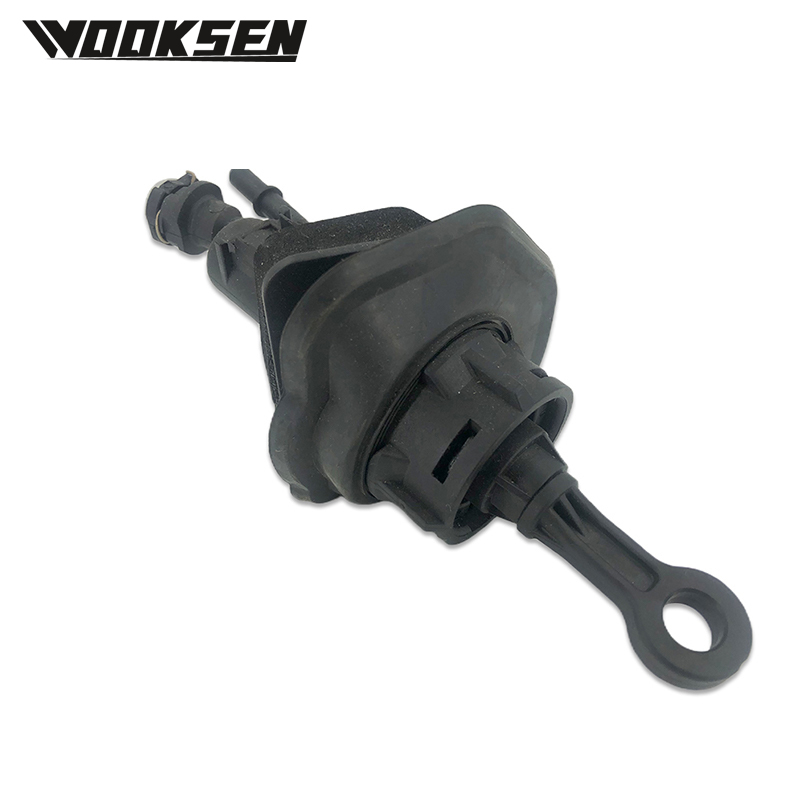
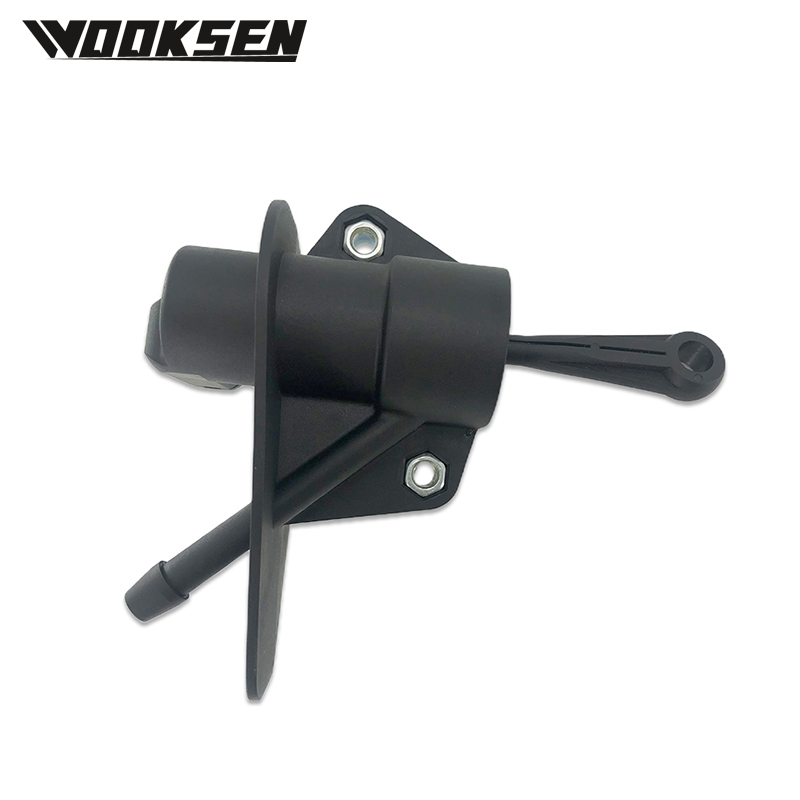
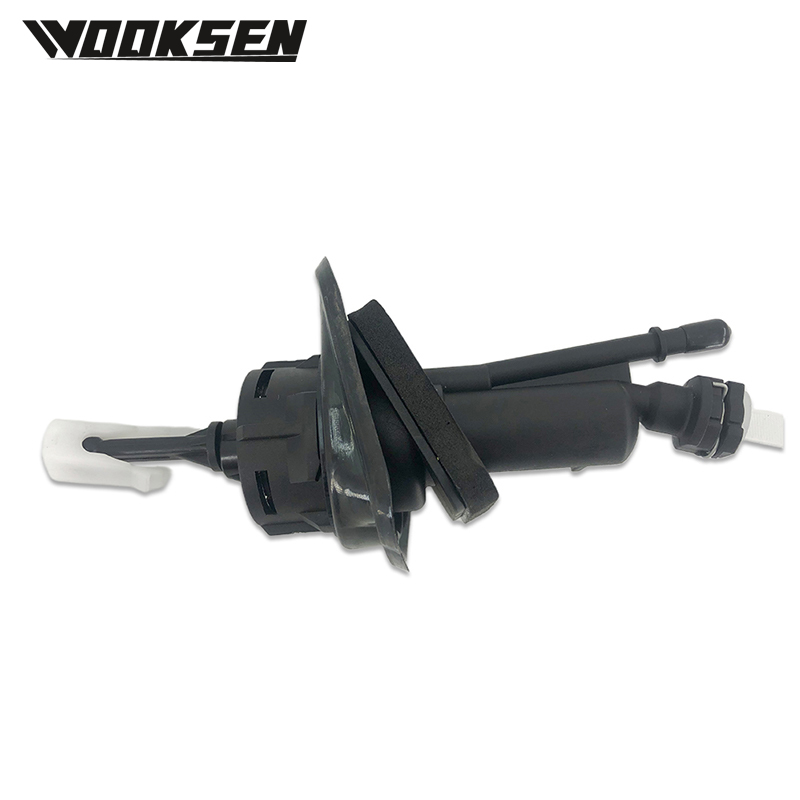
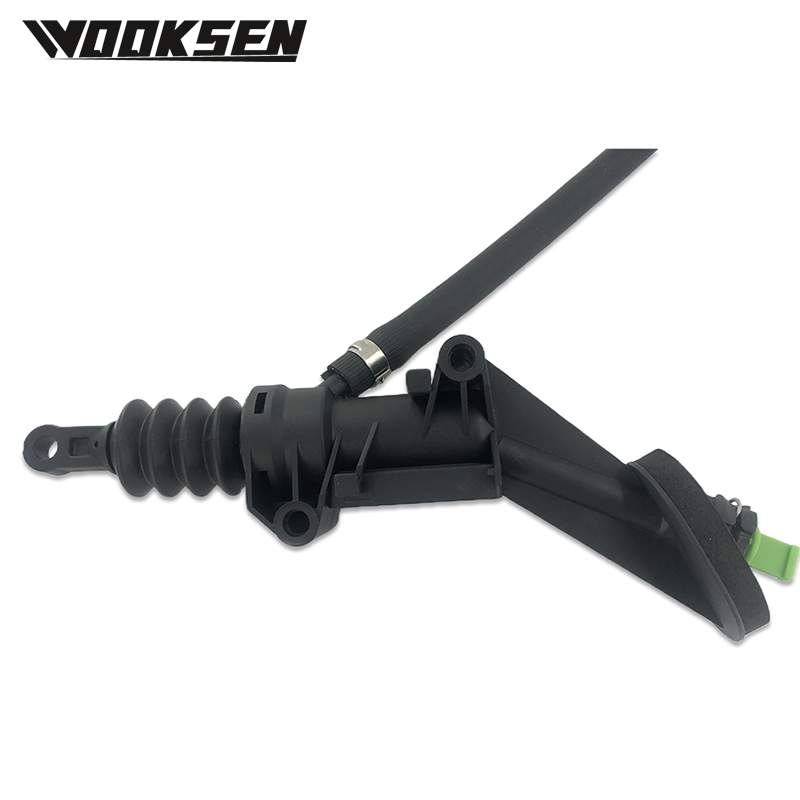
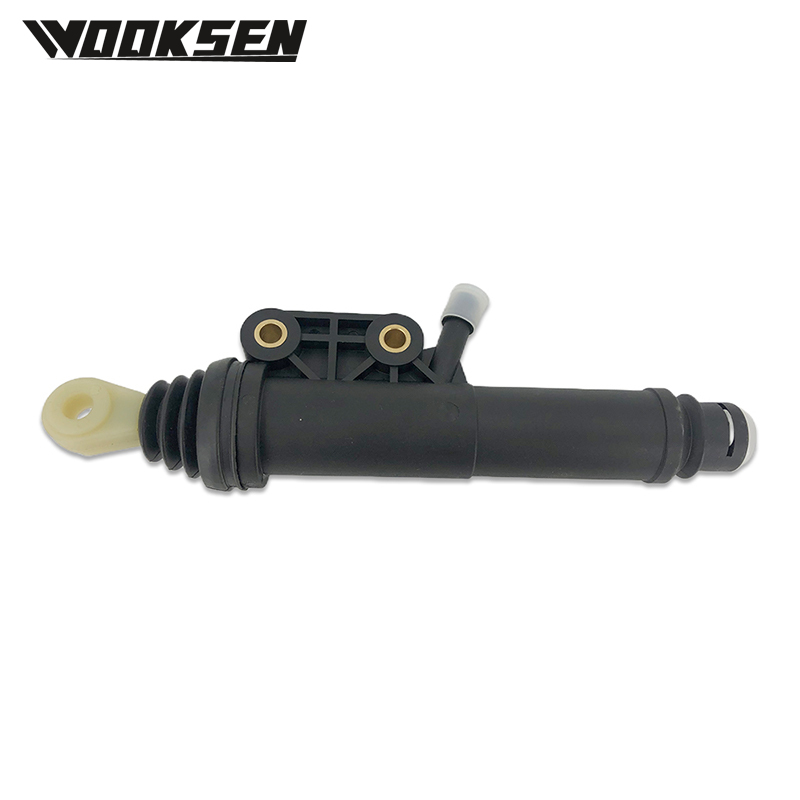
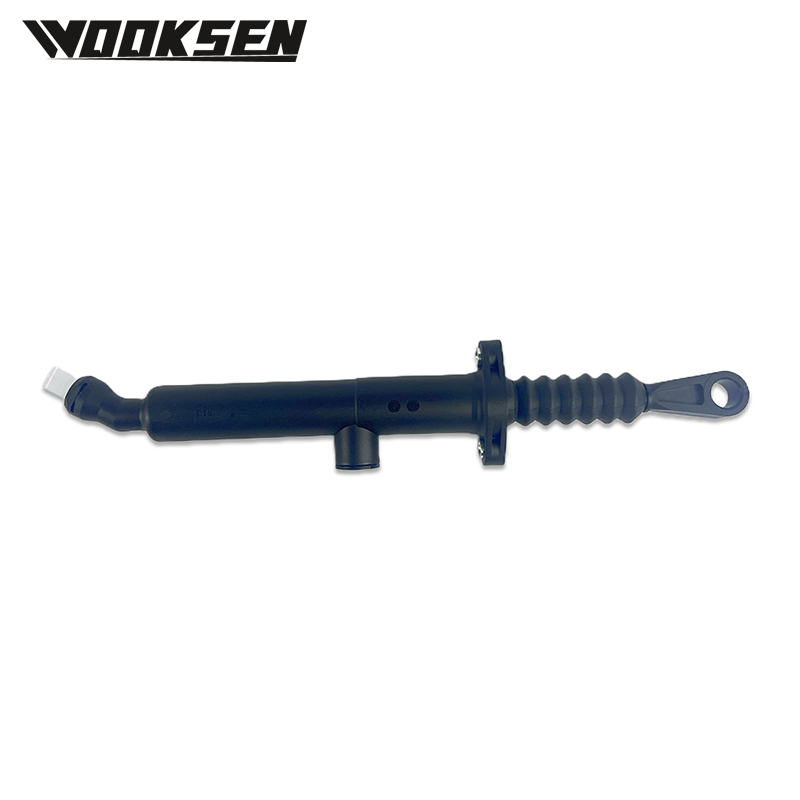
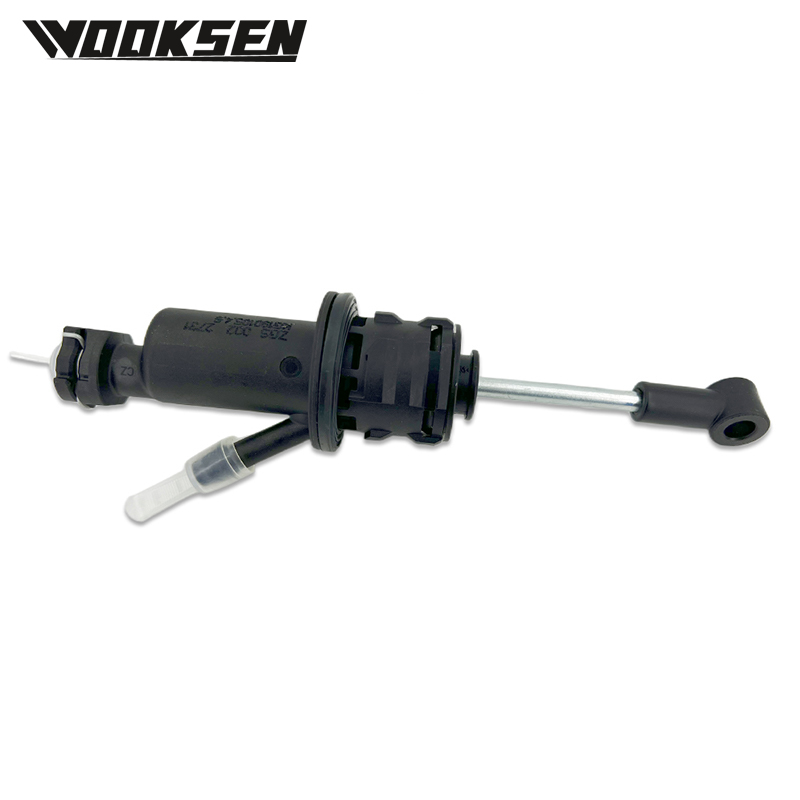
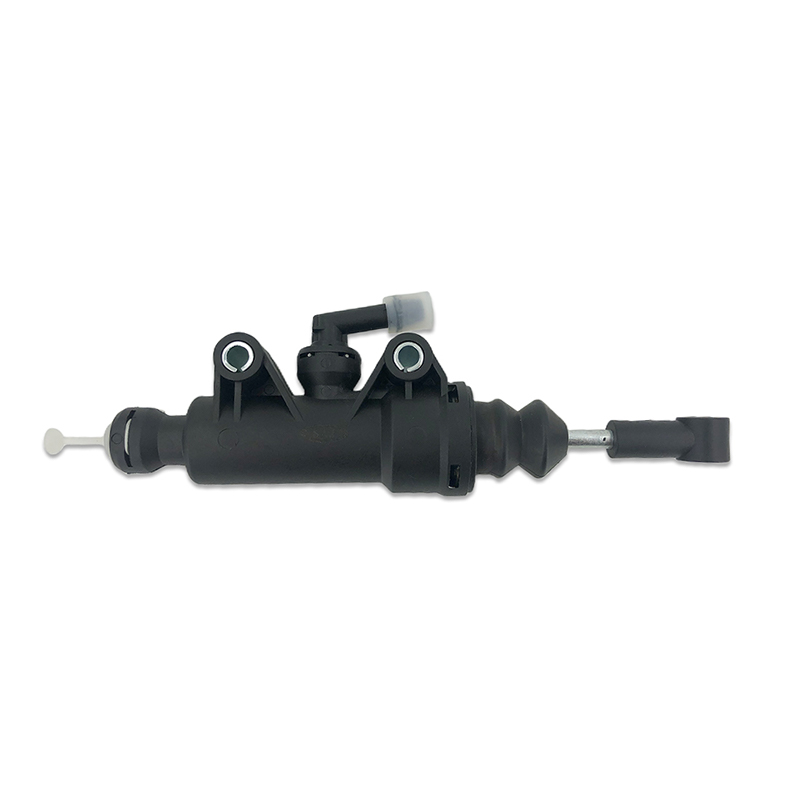
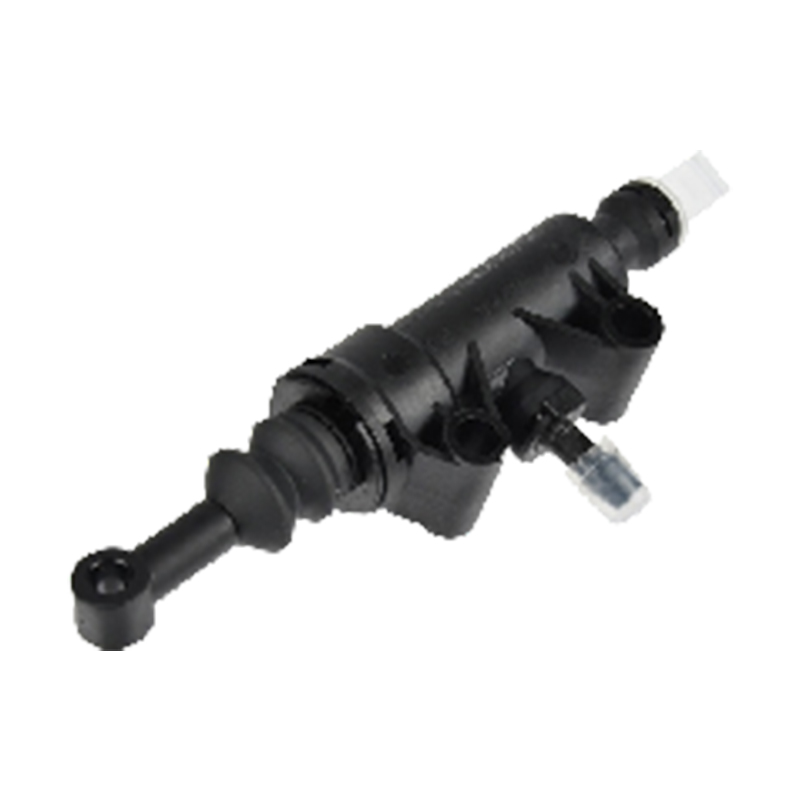
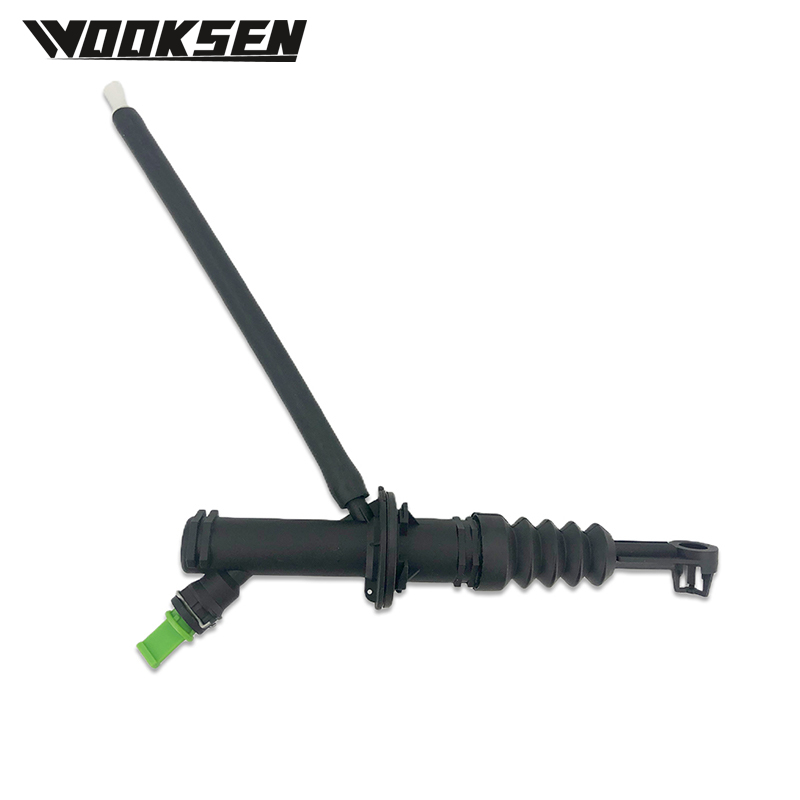
CM095
OE NO
| Item |
OE / Cross Reference Number |
| 1 |
1491949 |
| 2 |
1377484 |
| 3 |
1388788 |
| 4 |
LR007158 |
| 5 |
LR000579 |
| 6 |
30787907 |
| 7 |
6G917A543AC |
| 8 |
6M217A543AA |
| 9 |
6G917A543AB |
Application
This cylinder fits five distinct vehicle variants across three Ford model lines, all sharing the same hydraulic clutch architecture from the mid-2000s through to the mid-2010s.
The Ford Mondeo Mk4 is the primary application. Produced from 2007 to 2014, it came in three body styles — hatchback, saloon, and estate — all on the BA7 platform. All three use the same clutch master cylinder specification, so this single part number covers the entire Mondeo Mk4 production run across every body style without exception.
The Ford Galaxy Mk2 (WA6 platform), produced from 2006 to 2015, shares the same clutch hydraulic specification despite being a larger MPV. This is a detail that often gets missed in regional aftermarket catalogs — Galaxy Mk2 buyers searching for this part sometimes can't locate it because it isn't indexed under the Galaxy name in all systems. If your catalog entry covers the Galaxy explicitly, that is a competitive advantage.
The Ford S-Max Mk1 (also WA6 platform, 2006 to 2014) rounds out the fitment. The S-Max and Galaxy share the same platform and the same clutch master cylinder, which is why both appear under the same part number. A distributor stocking this SKU is effectively covering the entire WA6 platform plus the Mondeo Mk4 generation in one line.
All applications are manual transmission only. Mondeo Mk4, Galaxy Mk2, and S-Max Mk1 were also sold with automatic gearboxes — those variants do not use a clutch master cylinder and should be excluded from catalog fitment listings.
Core Function
The wear-resistant designation on this unit is rooted in two specific engineering choices that affect how long the cylinder performs before replacement is needed again.
The first is piston cup material. The piston cup is the rubber seal that sits around the piston inside the bore and is responsible for holding hydraulic pressure on every pedal stroke. Standard aftermarket cups use a generic rubber compound that softens and deforms with heat cycling — particularly in markets with hot ambient temperatures or in vehicles used in stop-start urban conditions where the clutch is operated constantly. A wear-resistant spec uses a compound with higher thermal stability and better resistance to permanent deformation, which means the cup maintains its sealing geometry for longer under the same conditions.
The second is bore surface finish. The internal bore needs to be smooth and consistent for the piston cup to travel without generating friction that accelerates wear on both the cup and the bore itself. A bore that is too rough increases seal wear rate; a bore with surface irregularities creates pressure inconsistency. The manufacturing tolerance on this unit holds the bore finish within the specification range required for the piston cup to run cleanly across its full stroke.
In practical terms, these two factors combined mean the cylinder holds full hydraulic pressure for longer, the pedal feel stays consistent rather than gradually softening, and the interval before the next replacement is extended — which is what workshops and fleet operators are actually measuring when they assess aftermarket part quality.
Fluid compatibility covers DOT 3 and DOT 4. Installation is direct replacement with no modification required. Standard bleed procedure applies.

 English
 русский
 Español
 عربى
عربى