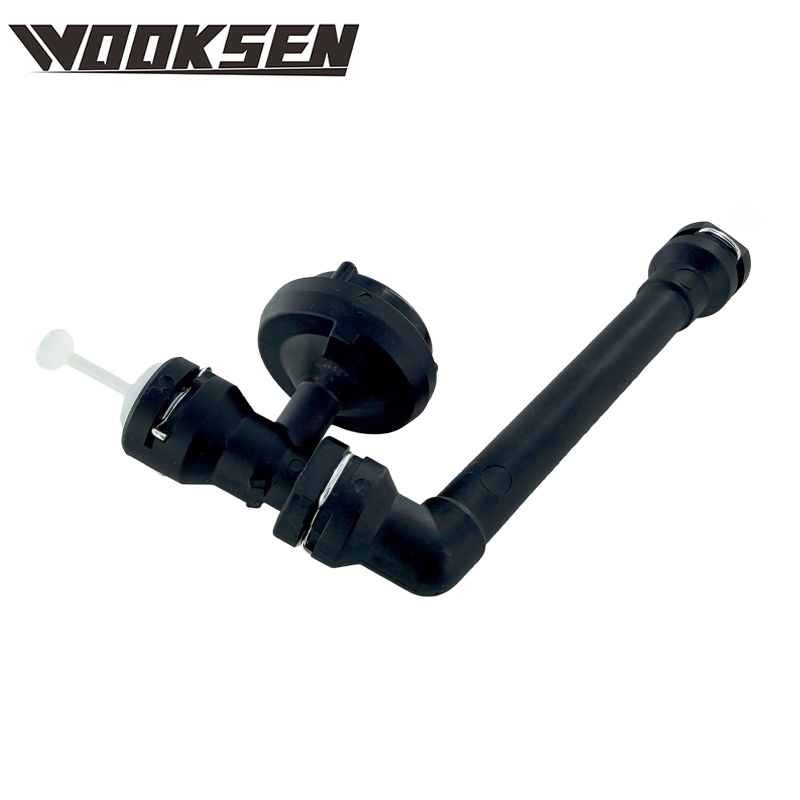
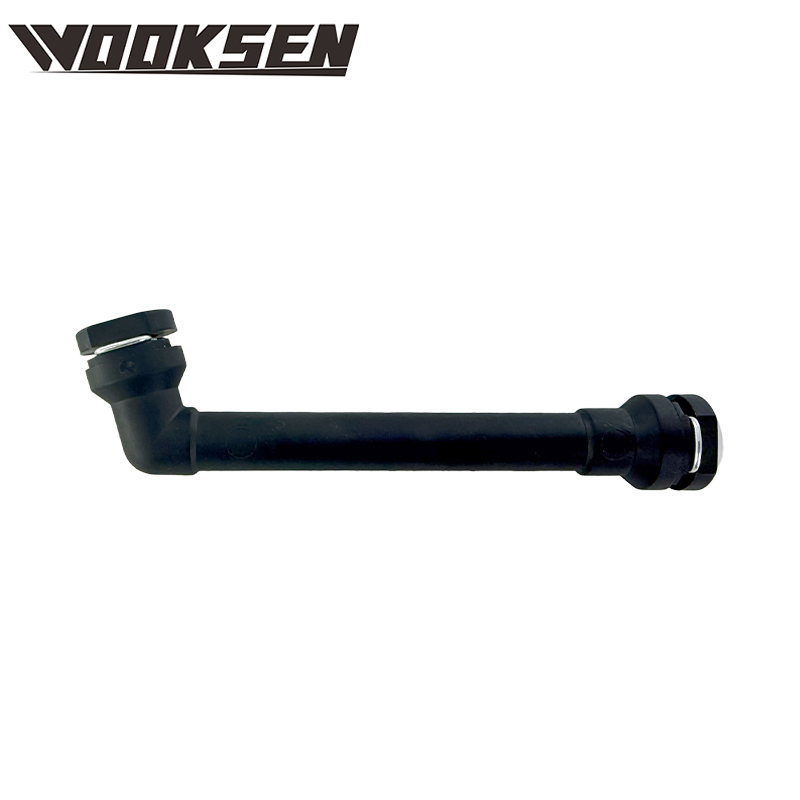
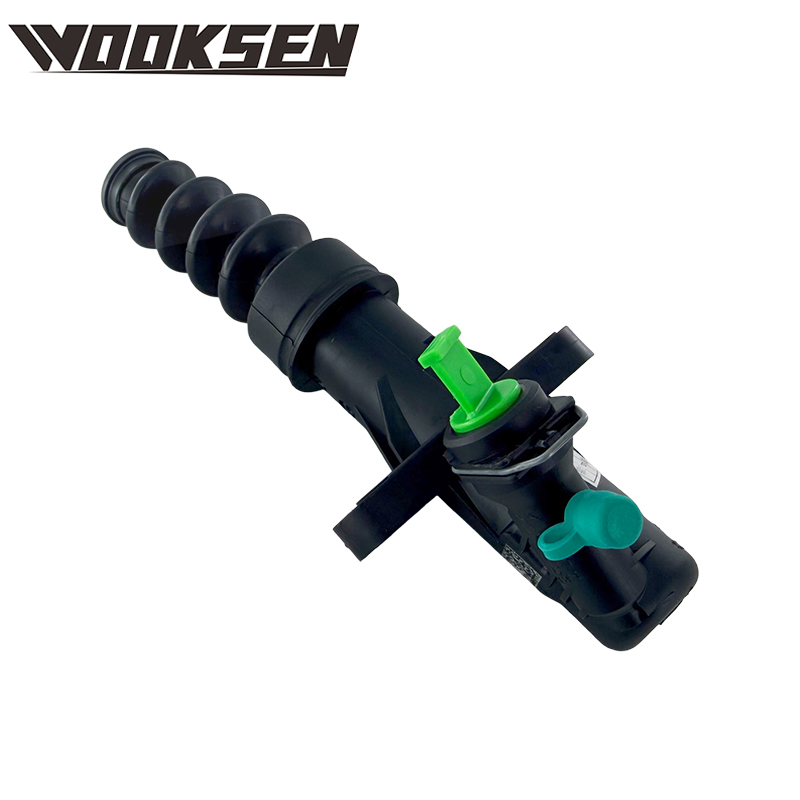
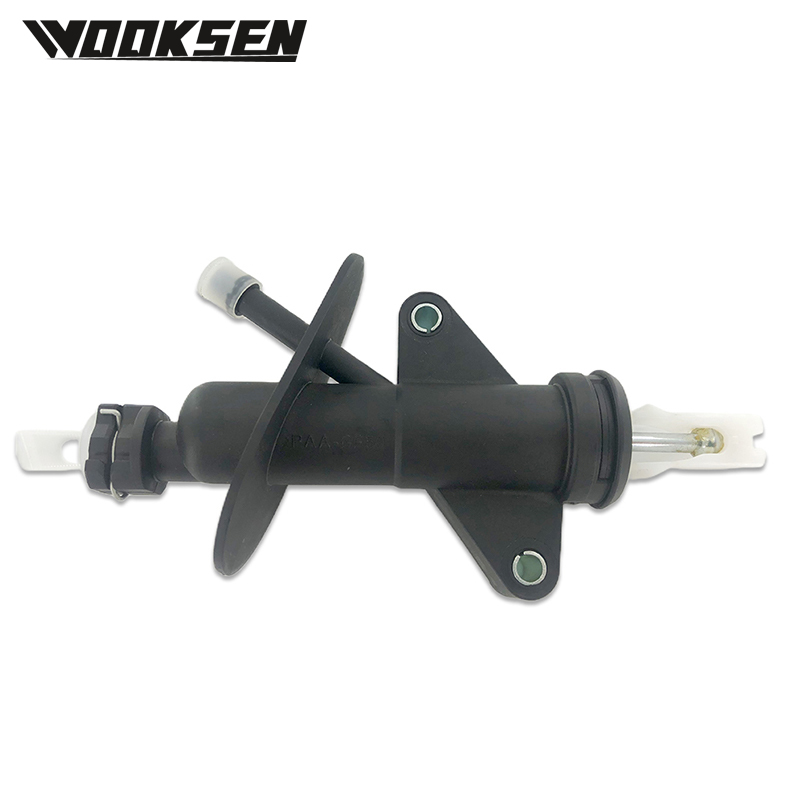
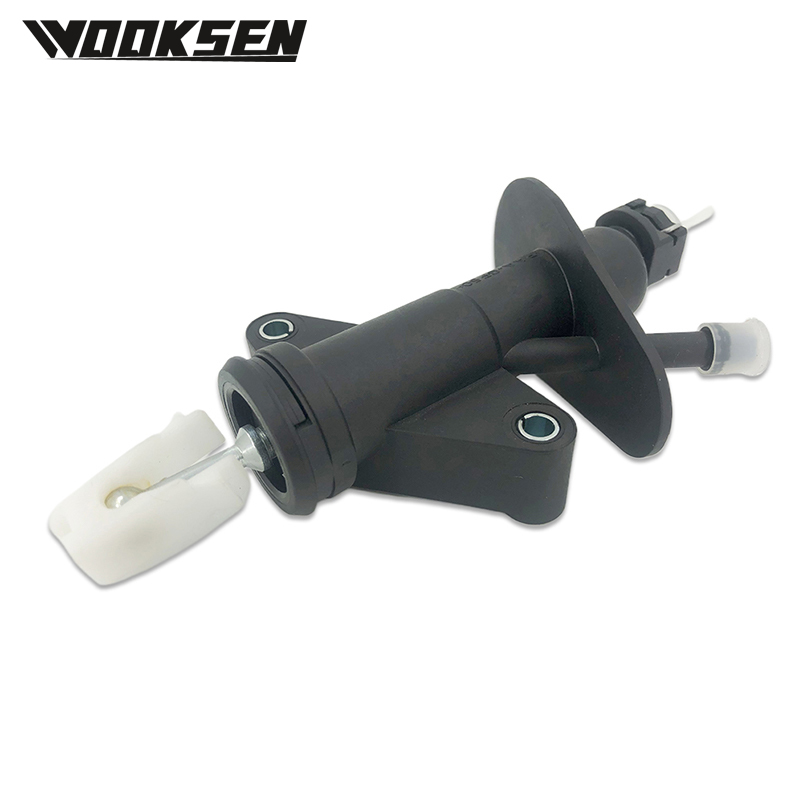
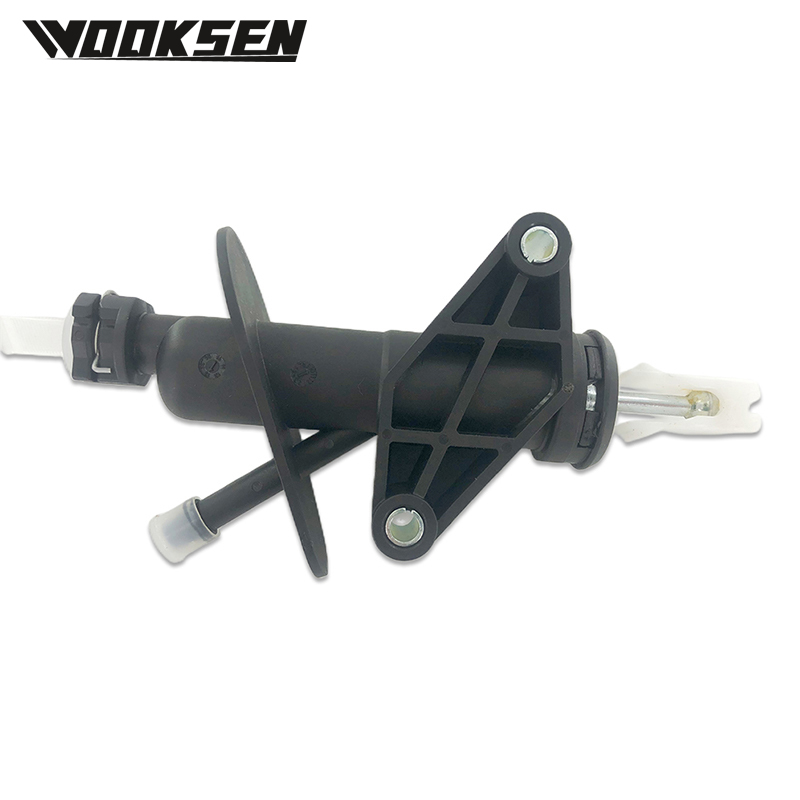
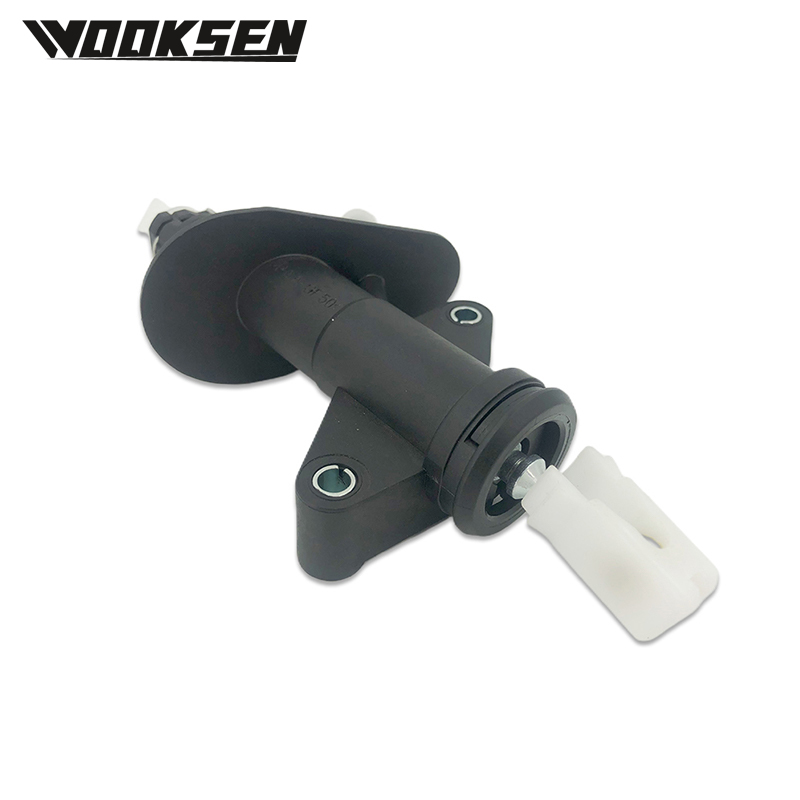
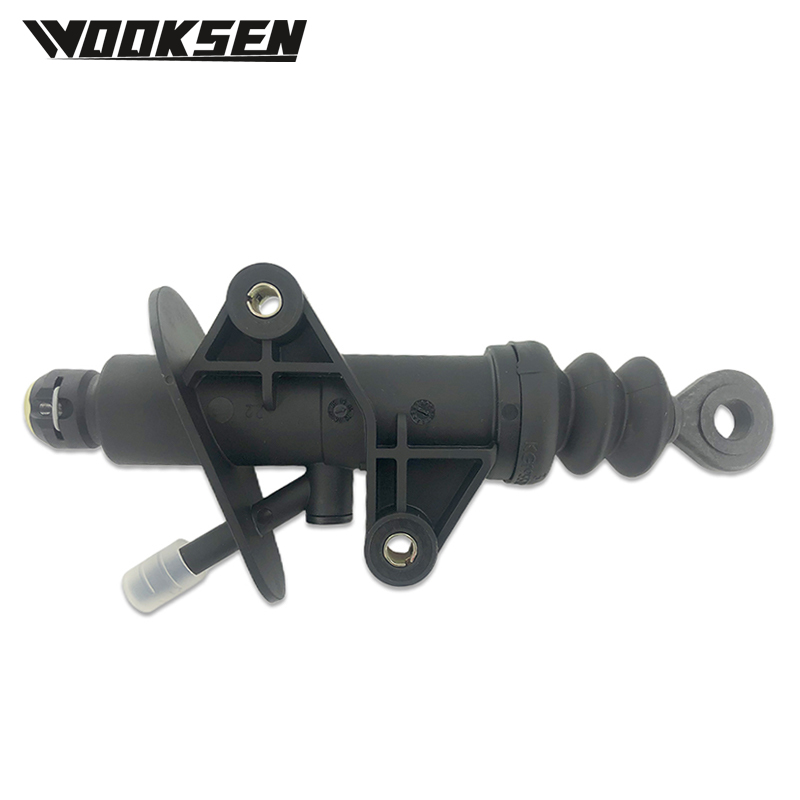
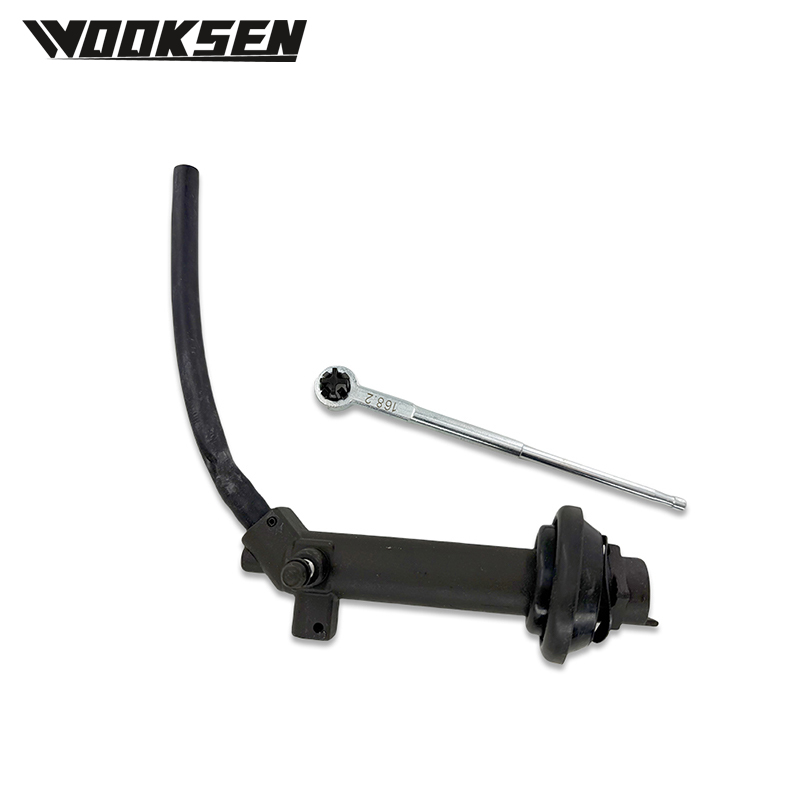
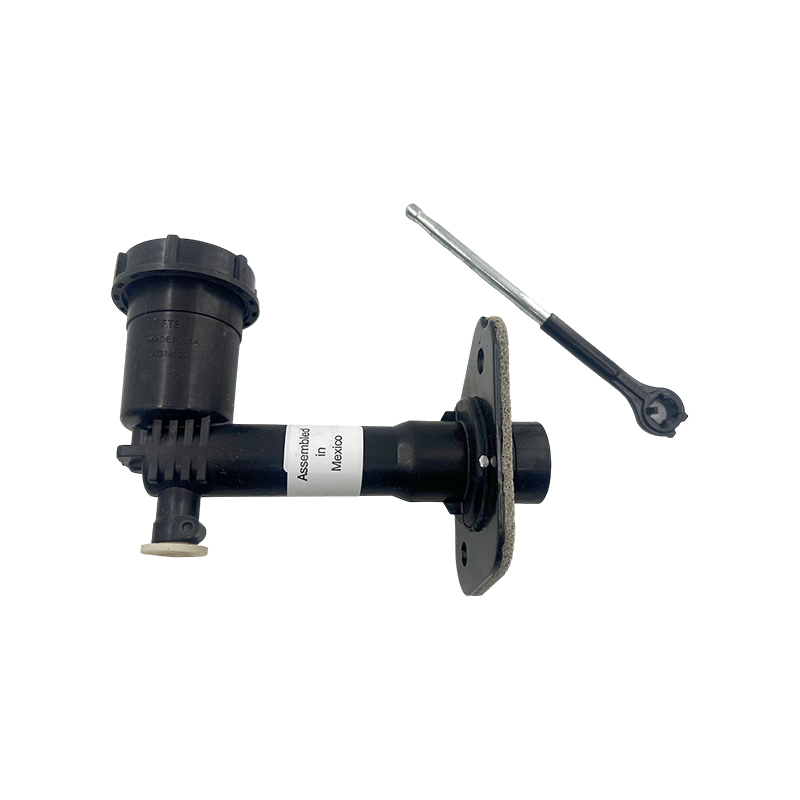
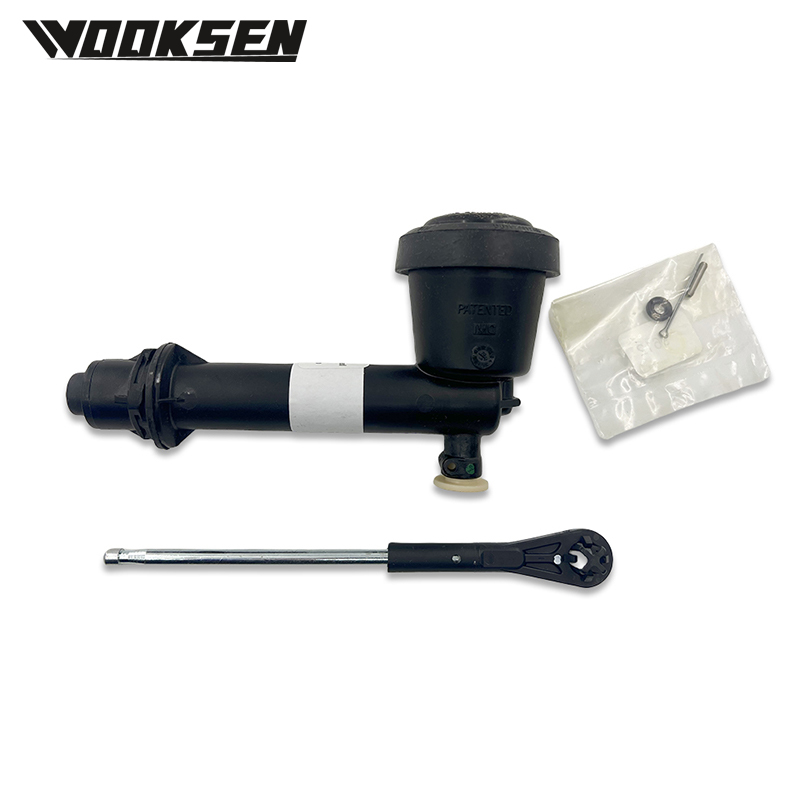
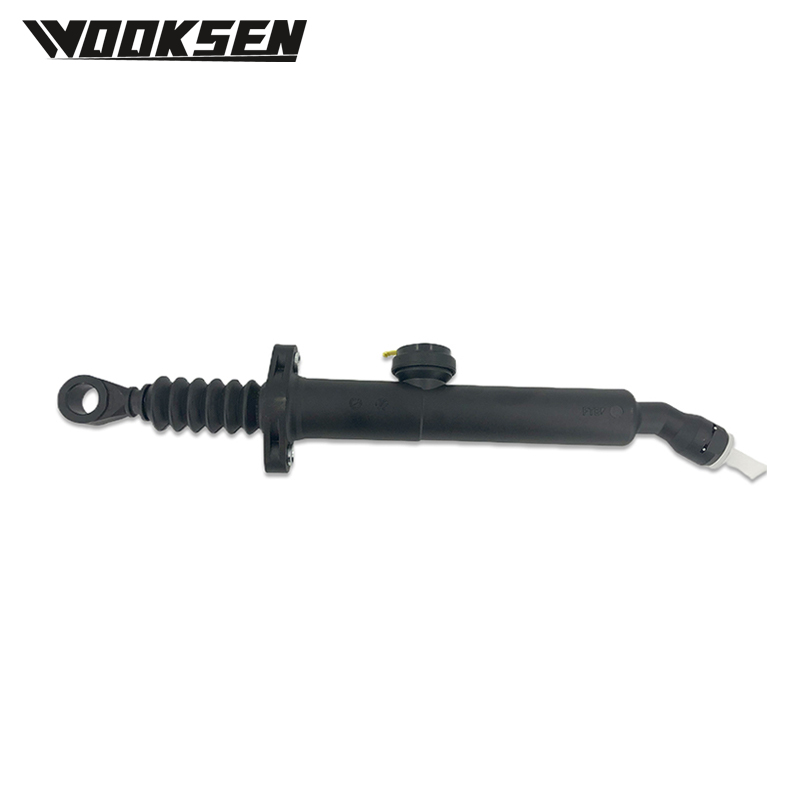
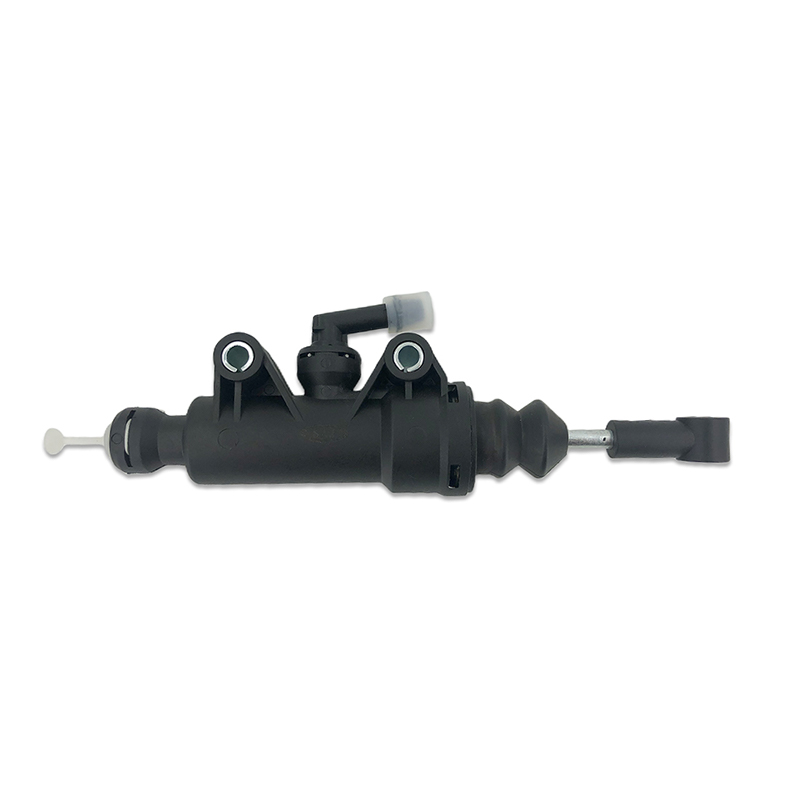
CM042
OE Reference Numbers
This unit covers the following OE and cross-reference numbers:
| OE / Cross Reference Number |
| 1351651 |
| 1S717A543AA |
| 1121925 |
| 1S717A543AC |
| 1326848 |
| 1S717A543AE |
| 1137983 |
| 1X437A543AB |
| 1206790 |
| 1S717A543AB |
| C2S41449 |
| 1S717A543AD |
| C2S18072 |
| 1X437A543AA |
| C2S14144 |
Application
This part fits the following Ford Mondeo Mk3 variants:
| Body Style |
Platform Code |
Production Years |
| Mondeo Mk3 Saloon |
B4Y |
2000–2007 |
| Mondeo Mk3 Hatchback |
B5Y |
2000–2007 |
| Mondeo Mk3 Estate |
BWY |
2000–2007 |
This part fits the following Ford Mondeo Mk3 variants:
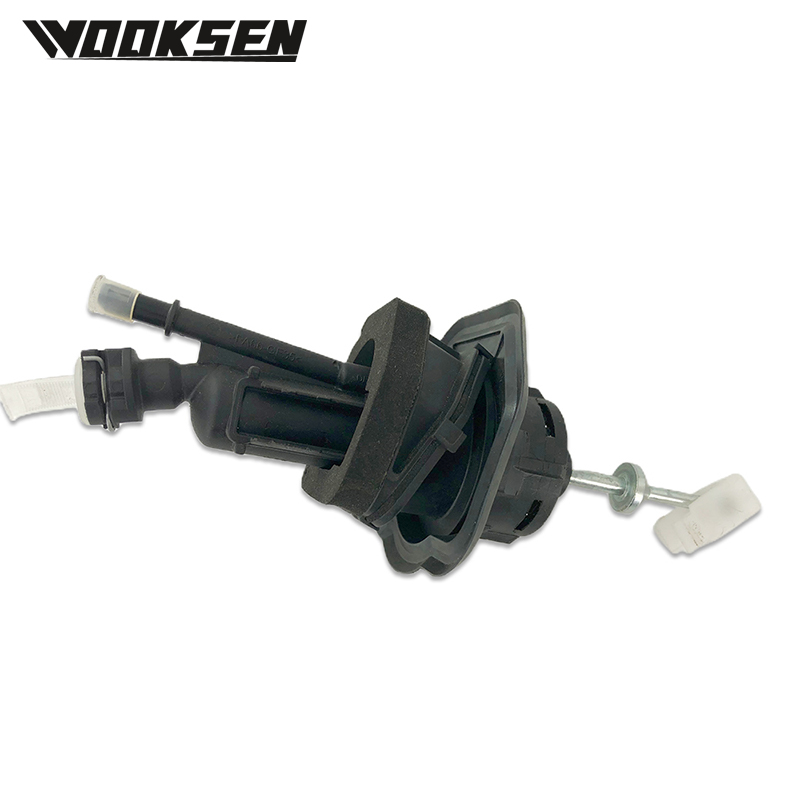
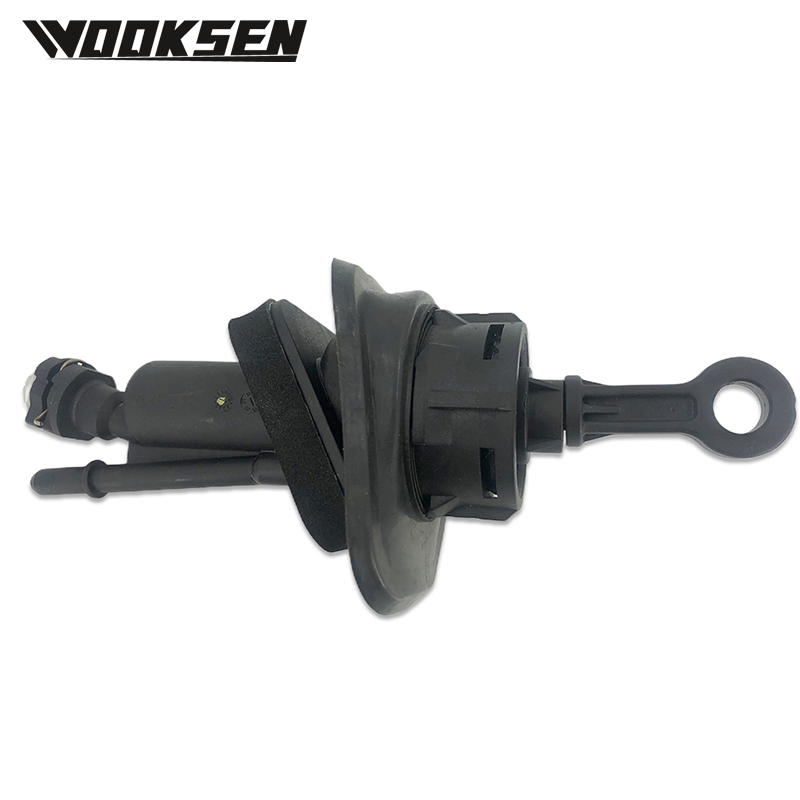
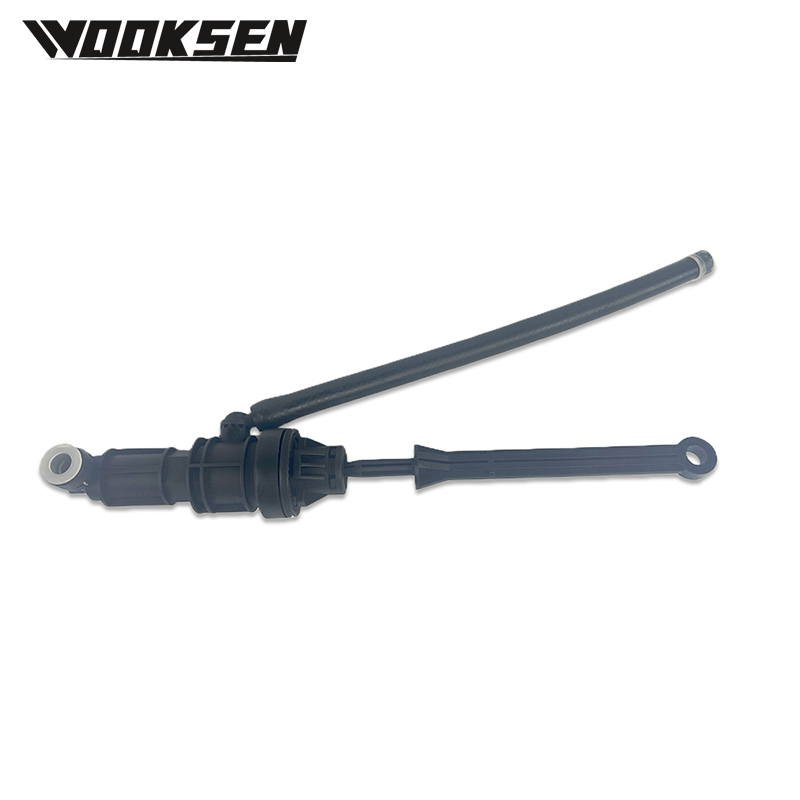
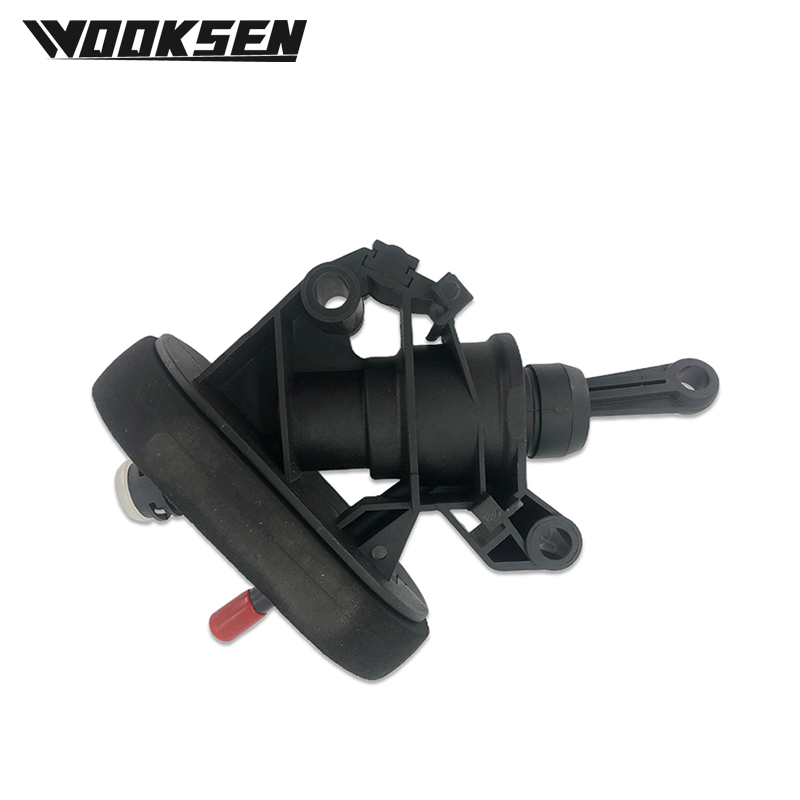
The clutch master cylinder on the Mondeo Mk3 is part of a fully hydraulic clutch actuation system — there is no cable involved. This means the master cylinder carries the entire workload every time the driver presses the clutch pedal, which on a daily-driven vehicle can be thousands of cycles per week.
The sealing performance designation on this unit refers specifically to the internal piston cup design. Standard cylinders use single-lip seals that begin to allow micro-bypass as the rubber hardens with age and heat. This replacement unit uses a reinforced cup geometry that maintains a tighter bore contact patch, reducing bypass under both high-temperature and cold-start conditions.
In practical terms, this translates to a firmer pedal feel that doesn't degrade over time, more consistent clutch engagement across a range of temperatures, and a longer interval before the next replacement is needed.
For markets where vehicles are used in hot climates — Middle East, North Africa, Southeast Asia — seal degradation happens faster because brake fluid absorbs moisture and the fluid temperature in the hydraulic line climbs higher. A cylinder with improved sealing is not a premium upsell in those markets; it is the baseline expectation from workshops and fleet operators.
The cylinder comes ready to install with the correct port threading and reservoir fitting for the Mk3 platform. No adaptation or modification is required. Bore diameter, stroke length, and push rod geometry match OE specifications, which means installation time stays the same as a standard replacement and workshop technicians don't need to adjust any settings post-fit.
Fluid compatibility covers DOT 3 and DOT 4 brake fluid, which covers the full range of what workshops and fleet operators will have on hand. The unit should be bled in the standard sequence for the Mk3 clutch hydraulic circuit after installation.
From a failure-mode perspective, the two most common reasons a Mondeo Mk3 comes into a workshop with clutch complaints are: spongy or low pedal, and clutch not fully releasing. Both of these symptoms point directly to the master cylinder as the first component to inspect and replace. This makes the part a routine, repeatable sale — not a difficult diagnostic job.
What Problem Does This Solve for Your Overseas Customers?
This is worth thinking through clearly before pitching to end buyers.
Workshops in export markets — particularly across the Middle East, Eastern Europe, and parts of Africa — are dealing with an aging Mondeo Mk3 population where original hydraulic components are either failing or have already been replaced once with lower-quality parts. The symptom pattern is consistent: spongy clutch pedal, difficulty selecting first gear, clutch drag at low speed. These are workshop complaints that technicians recognize immediately.
The problem is not the diagnosis. The problem is sourcing a part that fits correctly, doesn't leak within the first six months, and comes with enough cross-reference data that it can be found through their local catalog system. A clutch master cylinder with poor internal seals will pass installation, clear the symptom temporarily, and come back as a warranty claim or repeat job within a short period — which damages the reputation of whoever supplied it.
For your customers buying under a private label or buying in bulk for resale, the part needs to be reliable enough that it doesn't generate callbacks. The sealing design on this unit directly addresses the failure mode that generates those callbacks.

 English
 русский
 Español
 عربى
عربى